Beech Wood (Peel Rough)
CN → US| HS Code | Tariff Rate | Origin | Destination | Doc |
|---|---|---|---|---|
| 4407920000 | 35.0% | CN | US | Official Doc |
| 4407990000 | 0.0% | CN | US | Official Doc |
Product Images
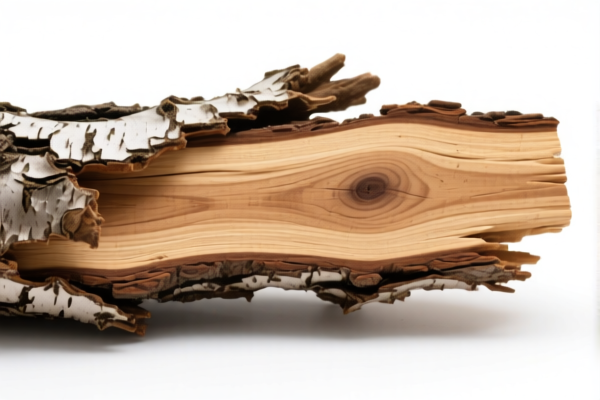
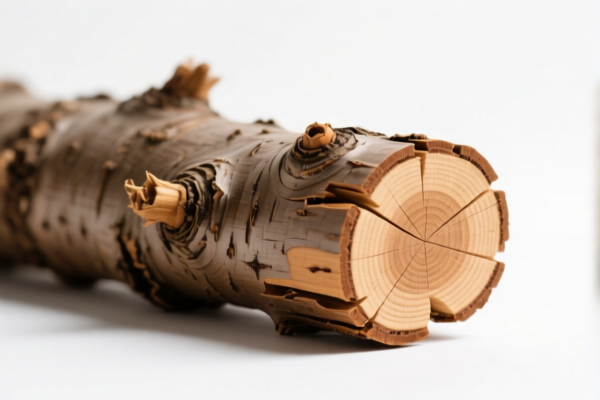
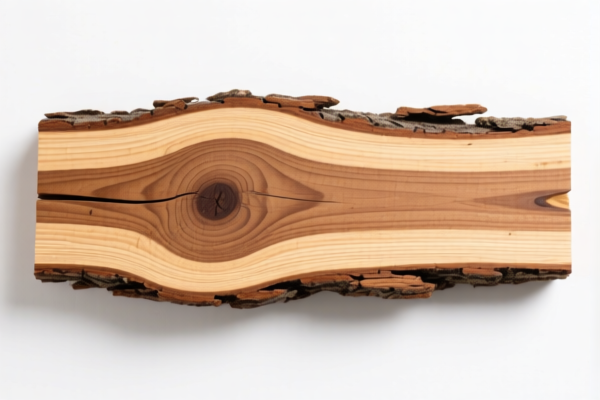
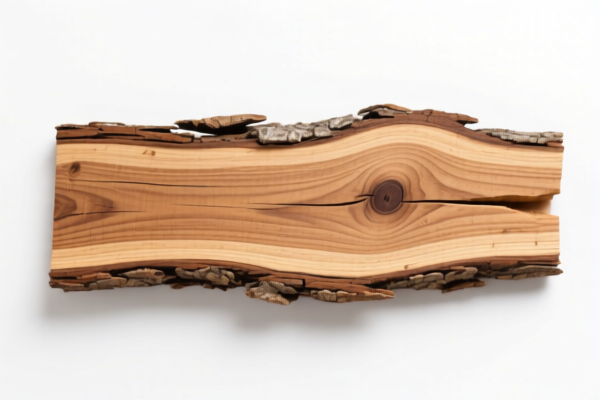
AI Analysis
🌲 Beech Wood (Peel Rough) – Sawn/Chipped/Sliced Wood of Exceeding 6mm Thickness
🌐 HS Code Reference & Customs Clearance Guide | 2026 Latest Tariff Analysis | Professional Clearance Strategy
📌 1. Product Definition & Classification: What Exactly is "Beech Wood (Peel Rough)"?
Beech wood, specifically in its "peeled" or "rough sawn/chipped" form with a thickness exceeding 6 mm, is a raw material widely used in furniture manufacturing, plywood production, flooring, and construction. In international trade, wood products are strictly categorized by species, processing method (sawn, chipped, sliced, peeled), and dimensions.
For this specific input: - Material: Beech (Fagus spp.) - Processing: Sawn, chipped, sliced, or peeled (whether or not planed, sanded, or end-jointed) - Thickness: > 6 mm - Status: "Peel Rough" implies it has undergone mechanical processing but is not yet further processed into final goods like furniture or panels.
⚠️ Key Classification Point:
- If the wood is Beech (Fagus spp.) and meets the size/processing criteria → HS Code 4407.92.00.00
- If the wood is NOT Beech (e.g., Oak, Pine, Maple, etc.) and meets the same criteria → HS Code 4407.99.00.00
📦 2. HS Code Classification Details (2026 Latest Tariff Authority Match)
Based on your input data, here is the precise mapping for Beech Wood vs. Other Woods:
| HS Code | Product Description | Applicable Scenario | Key Condition |
|---|---|---|---|
4407.92.00.00 |
Wood of Beech (Fagus spp.), sawn/chipped/sliced/peeled, thickness > 6 mm | Beech timber (rough or planed) | ✅ Must be Beech |
4407.99.00.00 |
Wood of Other Woods, sawn/chipped/sliced/peeled, thickness > 6 mm | Oak, Pine, Maple, Birch, etc. | ❌ Not Beech |
🔍 Critical Reminder:
- The species MUST be accurately declared. Misidentifying Beech as "Other Wood" to avoid tariffs is fraud and leads to severe penalties. - "Peel Rough" still falls under Chapter 44 (Wood and Wood Articles), not Chapter 45 (Cork) or 47 (Pulp). - Thickness must exceed 6 mm. If ≤ 6 mm, it may fall under different codes (e.g., veneers or plywood precursors).
💰 3. 2026 Latest Tariff Rate Analysis (Detailed Breakdown)
✅ Target Market: United States (US)
✅ Origin: China (CN) (Assumed based on typical tariff query context; adjust if origin differs)
✅ Validity: Current rates as per 2026 trade policy
🎯 A. HS Code: 4407.92.00.00 – Beech Wood
| Item | Detail |
|---|---|
| Base Tariff | 0.0% (MFN Rate) |
| Section 301 Additional Tariff | +25.0% |
| Total Effective Rate | 25.0% |
| Tax Calculation | CIF Value × 25% |
| Exemption Eligibility | ❌ No De Minimis Exemption for Section 301 goods |
| Legal Basis | USITC:4407.92.00.00 + 301 Footnote |
📌 Explanation:
- Beech wood is classified under HTS 4407.92, which is subject to the 25% additional tariff under Section 301 of the Trade Act of 1974. - This tariff applies to all Chinese-origin Beech wood products meeting this description. - No base tariff is applied, but the 25% surcharge is mandatory.
🎯 B. HS Code: 4407.99.00.00 – Other Woods
| Item | Detail |
|---|---|
| Base Tariff | N/A |
| Additional Tariff | Error/Failed to Retrieve |
| Total Effective Rate | Unknown/Error |
| Recommendation | 🔴 Do Not Use This Code for Beech |
📌 Warning:
- The data indicates a retrieval failure for4407.99.00.00. This does not mean zero tax. - "Other Woods" may have different tariff rates (some 0%, some 3.5%, some subject to 301 tariffs depending on species). - Never use4407.99.00.00for Beech. Doing so is misclassification and can result in civil fraud penalties.
🛠️ 4. Customs Clearance Practical Advice (Avoiding Pitfalls)
✅ 1. Required Documentation
| Document | Must Provide | Notes |
|---|---|---|
| ✅ Species Certificate | ✔️ | Must explicitly state Beech (Fagus spp.). Botanical name is critical. |
| ✅ Fumigation Certificate | ✔️ | ISPM 15 compliant, if wood is raw/unprocessed. |
| ✅ Commercial Invoice | ✔️ | Describe as "Beech Wood, Peeled, Thickness >6mm, Raw/Rough". |
| ✅ Packing List | ✔️ | Include dimensions, weight, and bundle details. |
| ✅ Bill of Lading/Air Waybill | ✔️ | Ensure consistency with invoice description. |
✅ 2. Classification Tips (Key Mantra)
🔥 "Species First, Thickness Check, 25% on Beech, Error on Other!"
| Scenario | Correct HS Code | Tax Impact |
|---|---|---|
| Beech Wood, >6mm thick | 4407.92.00.00 |
25% Total Tax |
| Oak/Pine Wood, >6mm thick | 4407.99.00.00 |
Check Specific Rate (Do not assume 25%) |
| Beech Plywood (Veneer) | Different Code (4412) | Not 4407 – Plywood is a different product |
| Wood ≤ 6mm Thick | Different Code (e.g., 4408) | Not 4407 – Thin sheets are classified differently |
✅ 3. Special Handling Notes
- Botanical Accuracy: Beech (Fagus spp.) must be distinguished from similar-looking woods like Maple or Oak. If uncertain, provide a phytosanitary certificate or wood identification report.
- Thickness Verification: Customs may inspect to ensure thickness > 6mm. If it’s 5.5mm, it’s not under 4407.
- Origin Declaration: If the wood is not from China, Section 301 tariffs may not apply. Verify the Country of Origin.
🌍 5. Global Market Comparison (2026)
| Country/Region | Recommended HS Code | Tariff Rate (China Origin) | Notes |
|---|---|---|---|
| 🇺🇸 USA | 4407.92.00.00 |
25% (Section 301) | High tax burden; plan accordingly |
| 🇪🇺 EU | 4407.92.00 |
0% - 5% (Varies) | Check EAEU or EU Common Tariff |
| 🇨🇳 China | 4407.92.00 |
0% (Imported) | Low entry cost |
| 🇯🇵 Japan | 4407.92.00 |
0% | Preferential rates for some origins |
📌 Conclusion:
- USA is the most expensive market for Beech wood due to the 25% Section 301 tariff. - Consider supply chain adjustments (e.g., sourcing from non-US-sanctioned countries) if exporting to the US.
📌 6. Common Mistakes & How to Avoid Them
❌ Mistake 1: Declaring Beech as "Other Wood" to avoid tariffs
👉 Consequence: 25% tariff evasion → Heavy fines + cargo seizure
✅ Fix: Always use 4407.92.00.00 for Beech.
❌ Mistake 2: Ignoring thickness
👉 Consequence: Misclassification if thickness ≤ 6mm
✅ Fix: Measure and declare thickness clearly.
❌ Mistake 3: Using "Peel Rough" without botanical name
👉 Consequence: Customs may classify as generic "Wood" → Audit risk
✅ Fix: Use "Beech (Fagus spp.)" in all documents.
🎯 7. Final Advice: Smart Clearance, Lower Costs
🎯 Remember:
🔹 "Beech = 4407.92.00.00 = 25% Tax"
🔹 "Other Wood = 4407.99.00.00 = Check Rate"
🔹 "Thickness > 6mm is Mandatory"
📌 Pro Tip:
If you are shipping Beech Wood to the USA, consider:
1. Applying for a Tariff Exclusion (if eligible under specific 301 exclusions).
2. Using Pre-Cutting Services in a non-US country to change the origin.
3. Partnering with a Licensed Customs Broker to ensure accurate classification.
📣 Immediate Action:
📞 Contact your customs broker with the botanical name and thickness specs.
🚀 Avoid the 25% surprise by declaring Beech correctly from day one!
✨ Accurate Classification Saves Money!
💼 Your Wood Shipment Deserves Precision!
Customer Reviews
About HS Code Classification
The Harmonized System (HS) is an internationally standardized nomenclature developed by the World Customs Organization (WCO) to classify traded products. Over 200 countries use the HS system as the basis for customs tariffs, trade statistics, and import/export regulations.
Each HS code follows a hierarchical structure:
- Chapter (2 digits) — Broad category of goods (e.g., Chapter 84: Machinery and Mechanical Appliances)
- Heading (4 digits) — More specific grouping within the chapter
- Subheading (6 digits) — Internationally standardized breakdown, used by all WCO member countries
- National subdivisions (8-10 digits) — Country-specific extensions for further classification, such as US HTSUS 10-digit codes
Correct HS code classification is essential for smooth customs clearance, accurate duty payment, and compliance with trade regulations. Misclassification can lead to customs delays, overpayment of duties, or penalties.
When importing from CN to US, the applicable tariff rates may include:
- Most-Favored-Nation (MFN) rate — The standard duty rate applied to WTO members
- General rate — Applied to countries without trade agreements
- Trade remedy duties — Additional tariffs such as Section 301 (anti-dumping), Section 232 (national security), or countervailing duties
The information provided on this page is for reference purposes only. For official classification, please consult with your local customs authority or a licensed customs broker.