Beef Tenderloin Leather
CN → US| HS Code | Tariff Rate | Origin | Destination | Doc |
|---|---|---|---|---|
| 4203290500 | 47.6% | CN | US | Official Doc |
| 4203290800 | 49.0% | CN | US | Official Doc |
| 4107111020 | 35.0% | CN | US | Official Doc |
| 4107116010 | 13.3% | CN | US | Official Doc |
| 4202313000 | 38.7% | CN | US | Official Doc |
| 4202228980 | 52.6% | CN | US | Official Doc |
Product Images
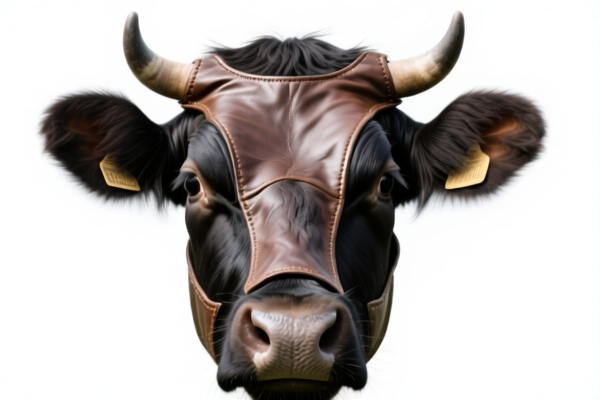
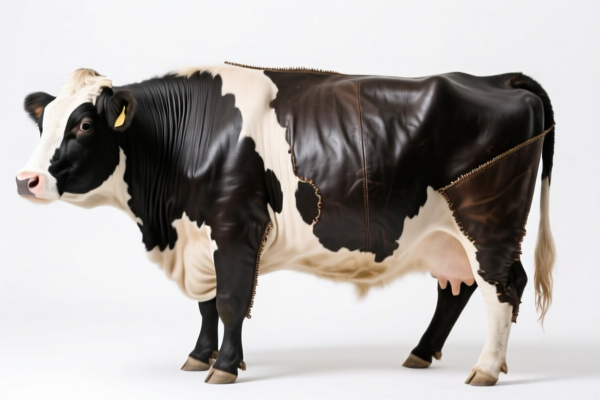
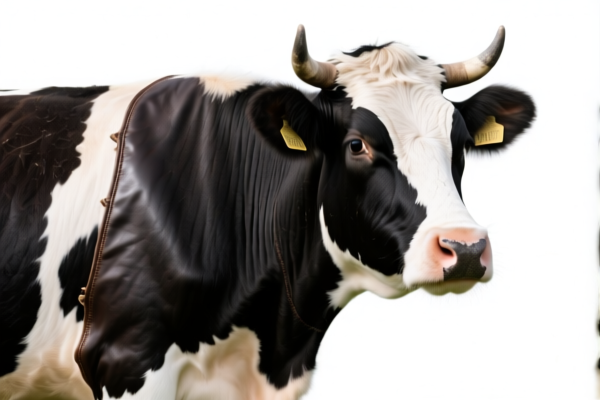
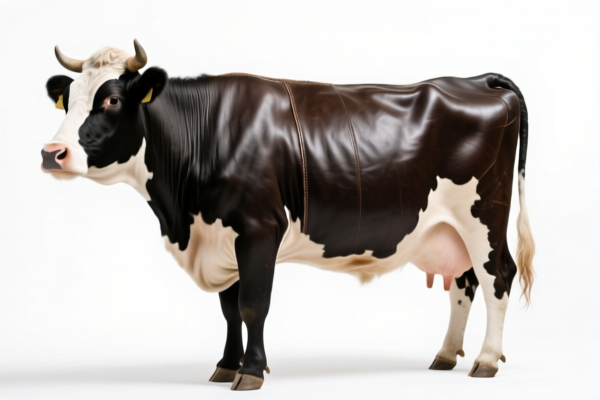
AI Analysis
🥩 Beef Tenderloin Leather (Bovine Leather)
🌐 HS Code Reference & Customs Clearance Guide | 2024/2026 Latest Tariff Analysis | Professional Clearance Strategy
📌 I. Product Definition & Classification: What is "Beef Tenderloin Leather"?
"Beef Tenderloin Leather" is a specialized industry term referring to high-quality bovine leather, specifically sourced from the tenderloin muscle area of the cow. This area yields leather with a tight grain, minimal wrinkles, and superior uniformity, making it ideal for premium luxury goods.
In international trade, this is legally classified under Chapter 41 (Leather) as prepared hides/skins or Chapter 42 if finished into accessories (gloves, bags, etc.). The critical distinction lies in whether the item is raw material (hides/skins) or finished product (apparel/accessories).
⚠️ Key Distinction Point:
- If sold as hides/skins (raw/tanned/crust) → Classified under Heading 4107 (Bovine Leather, Full Grain).
- If sold as finished goods (gloves, bags, wallets) → Classified under Heading 4202/4203 (Articles of Leather).
- "Tenderloin" implies Full Grain, Unsplit quality, which significantly impacts the HS code sub-category.
📦 II. HS Code Classification Details (Based on Provided DATA)
Based on the provided JSON data, here are the specific HS Codes and their descriptions. Note that the data includes both finished leather goods and raw/processed leather materials.
| HS Code | Product Description | Applicable Scenario | Key Characteristics |
|---|---|---|---|
4107.11.10.20 |
Bovine Leather, Full Grain, Unsplit (Upper Leather) Hides/Skins of bovine animals, without hair, full grains, unsplit, unit surface area ≤ 28 sq ft. |
Raw material for premium shoes, belts, luxury bags. | ✅ Bovine ✅ Full Grain ✅ Upper Leather ⚠️ Subject to 25% Additional Duty |
4107.11.60.10 |
Bovine Leather, Full Grain, Unsplit (Other Upper/Sole Leather) Other full grain bovine leather. |
General upper/sole leather. | ✅ Bovine ✅ Full Grain ⚠️ 0% Additional Duty |
4203.29.05.00 |
Gloves, Mittens, Mitts (Horsehide/Cowhide) Wholly of leather, with fourchettes/sidewalls extending from fingertip to fingertip. |
Premium leather gloves. | ✅ Finished Product ✅ Cowhide/Horsehide ⚠️ 0% Total Tax |
4203.29.08.00 |
Gloves, Mittens, Mitts (Other) Wholly of leather, other than those with fourchettes. |
Standard leather gloves without specific sidewall construction. | ✅ Finished Product ✅ Cowhide/Horsehide ⚠️ 0% Total Tax |
4202.31.30.00 |
Small Leather Goods (Reptile Leather) Wallets, purses, spectacle cases, etc., with outer surface of reptile leather. |
Luxury small accessories (Note: Data specifies reptile, not bovine. Excluded for standard beef leather). | ❌ Not Bovine ⚠️ 0% Total Tax |
4202.22.89.80 |
Handbags (Textile/Plastic Surface) Handbags with outer surface of textile materials. |
Non-leather handbags. | ❌ Not Leather ⚠️ 0% Total Tax |
🔍 Critical Note for "Beef Tenderloin Leather":
- If you are importing hides/skins (raw material), focus on4107.11.10.20(if it meets the "Full Grain, Upper Leather" spec) or4107.11.60.10.
- If you are importing gloves made from this leather, use4203.29.05.00or4203.29.08.00.
- Codes4202.31.30.00and4202.22.89.80are NOT applicable to standard bovine leather goods in this dataset (one is reptile, one is textile/plastic).
💰 III. 2024/2026 Latest Tariff Rate Details (Including Additional Duties)
✅ Applicable Country: United States (US)
✅ Origin: China (CN) (Assumed based on tax structure in data)
✅ Effective Date: 2025/2026 Period
🎯 1. 4107.11.10.20 —— Bovine Upper Leather (Full Grain)
| Item | Content |
|---|---|
| Base Tariff | 0.0% |
| Additional Duty (Section 301/USITC) | +25.0% |
| Total Tax Rate | 25.0% |
| Tax Calculation | CIF Value × 25% |
| De Minimis Eligibility | ❌ No (Deny De Minimis) |
| Legal Path | USITC:4107.11.10.20 → FOOTNOTE:25% |
📌 Explanation:
- This specific subheading for Upper Leather from bovines attracts a 25% additional tariff.
- This is a high-risk classification for cost control. Ensure the leather truly meets the "Full Grain, Upper Leather" definition to avoid reclassification penalties.
- Unlike many other leather goods, raw bovine upper leather is not exempt from the 25% surcharge in this dataset.
🎯 2. 4107.11.60.10 —— Other Bovine Full Grain Leather
| Item | Content |
|---|---|
| Base Tariff | 0.0% |
| Additional Duty | 0.0% |
| Total Tax Rate | 0.0% |
| Tax Calculation | CIF Value × 0% |
| De Minimis Eligibility | ❌ No |
| Legal Path | USITC:4107.11.60.10 |
📌 Note:
- If the leather does not qualify as "Upper Leather" under4107.11.10.20, it falls here at 0%.
- Careful specification writing is crucial: Define the leather’s end-use or physical characteristics to justify this lower-tariff code if applicable.
🎯 3. 4203.29.05.00 & 4203.29.08.00 —— Finished Leather Gloves
| Item | Content |
|---|---|
| Base Tariff | 0.0% |
| Additional Duty | 0.0% |
| Total Tax Rate | 0.0% |
| Tax Calculation | CIF Value × 0% |
| De Minimis Eligibility | ❌ No |
| Legal Path | USITC:4203.29.05.00 / 4203.29.08.00 |
📌 Note:
- Finished gloves made from cowhide/horsehide enjoy 0% total tax in this dataset.
- Key Differentiator: Code.05requires "fourchettes/sidewalls" extending fingertip-to-fingertip. Code.08is "Other" gloves.
- Strategy: If importing gloves, ensure the construction matches the description to avoid misclassification.
🛠️ IV. Customs Clearance Practical Advice (Real-World Pitfall Avoidance)
✅ 1. Documentation Checklist (Non-Negotiable)
| Document | Required? | Description |
|---|---|---|
| ✅ Product Specification Sheet | ✔️ | Must specify: "Bovine, Full Grain, Unsplit, No Hair, Unit Area ≤ 28 sq ft." |
| ✅ Leather Type Certificate | ✔️ | Confirm "Upper Leather" vs. "Other" to determine if 25% or 0% applies. |
| ✅ Commercial Invoice | ✔️ | Clearly state "Finished Gloves" OR "Raw Bovine Hides," not vague terms like "Leather Goods." |
| ✅ Packing List | ✔️ | Separate raw hides from finished goods if mixed. |
| ✅ Photos of Product | ✔️ | Show grain texture, split status, and edge finish. |
✅ 2. Declaration Tips (Key Mantra)
🔥 "Raw Leather: Grain & Use Define Tax. Finished Goods: Construction Defines Code."
| Scenario | Correct Declaration | Wrong Practice |
|---|---|---|
| Importing Hides | 4107.11.10.20 (if Upper Leather) |
Mislabel as "Other Leather" (4107.11.60.10) to save 25% → High Audit Risk |
| Importing Gloves | 4203.29.05.00 (if 4chettes present) |
Declare as 4203.29.08.00 if sidewalls are present → Underpayment Penalty |
| Importing Wallets | Not in provided data for bovine | Using reptile code (4202.31.30.00) for cowhide → Rejection |
✅ 3. Special Case Handling
| Case | Recommendation |
|---|---|
| Mix of Raw & Finished | Do NOT mix in one HS Code. Separate shipment lines for 4107... and 4203.... |
| "Tenderloin" Marketing Term | Do not use "Tenderloin" as the HS description. Use "Bovine Leather, Full Grain" for customs. "Tenderloin" is a commercial term, not a customs classification term. |
| Surface Area > 28 sq ft | Ensure documentation confirms unit area ≤ 28 sq ft for 4107.11.10.20. If larger, it may fall under different subheadings not listed here, requiring new classification. |
🌍 V. Global Market Clearance Comparison (2024/2026)
| Country/Region | Recommended HS Code | Tariff | Certification | Note |
|---|---|---|---|---|
| 🇺🇸 USA | 4107.11.10.20 |
25% (Additional) | None specific for leather | High tax on upper leather. Use 4203.29.05.00 for gloves at 0%. |
| 🇨🇳 China | 4107.11.10 |
10-13% | None | Standard import duty applies. |
| 🇪🇺 EU | 4107.11 |
4-6% | REACH (Chemicals) | Lower base duty, but strict chemical compliance. |
| 🇬🇧 UK | 4107.11 |
4-6% | UKCA (if applicable) | Post-Brexit rules apply. |
📌 Conclusion:
- USA is the most expensive market for raw bovine upper leather due to the 25% additional tariff.
- Gloves are tax-free in the USA under this dataset, making finished glove exports more tariff-efficient than raw leather exports.
📌 VI. Common Errors & Pitfall Guide (Lessons Learned)
❌ Error 1: Using "Beef Tenderloin Leather" as the customs declaration description.
👉 Result: Customs may flag it as "Unrecognized Description" → Delay + Request for Info.
✅ Fix: Use "Bovine Leather, Full Grain, Unsplit, Upper Leather".
❌ Error 2: Classifying Upper Leather under 4107.11.60.10 to avoid 25% tax.
👉 Result: If customs inspects and confirms it is "Upper Leather," you face back taxes + penalties.
✅ Fix: Accurately classify based on end-use and physical specs.
❌ Error 3: Confusing Reptile Leather (4202.31.30.00) with Bovine Leather.
👉 Result: Data shows 4202.31.30.00 is for Reptile. Do not apply this to beef leather.
✅ Fix: There is no specific bovine small-goods code in the provided data. You must find the correct 4202.41/4202.42 (leather sheeting) or 4202.91/4202.92 (other leather articles) codes not listed here.
🎯 VII. Conclusion: Professional Declaration for Cost Efficiency
🎯 Remember the Mantra:
🔹 "Raw Leather: Upper = 25%, Other = 0%."
🔹 "Gloves: 4chettes = .05, No 4chettes = .08. Both = 0%."
🔹 "Finish Early, Pay Less: Gloves are 0%, Raw Upper is 25%."
📌 Pro Tip:
If you are exporting gloves made from beef tenderloin leather to the US, ensure your manufacturing process explicitly includes fourchettes to qualify for 4203.29.05.00 (0% tax), or stick to 4203.29.08.00 (also 0%). Avoid shipping raw upper leather unless you can absorb the 25% additional duty.
📣 Immediate Action:
📞 Contact your customs broker with product specs (Full Grain? Upper? 4chettes?).
🚀 Apply for Advance Ruling if volume is high to lock in the HS code and tariff rate.
💼 Your profit margin depends on precise classification!
Customer Reviews
About HS Code Classification
The Harmonized System (HS) is an internationally standardized nomenclature developed by the World Customs Organization (WCO) to classify traded products. Over 200 countries use the HS system as the basis for customs tariffs, trade statistics, and import/export regulations.
Each HS code follows a hierarchical structure:
- Chapter (2 digits) — Broad category of goods (e.g., Chapter 84: Machinery and Mechanical Appliances)
- Heading (4 digits) — More specific grouping within the chapter
- Subheading (6 digits) — Internationally standardized breakdown, used by all WCO member countries
- National subdivisions (8-10 digits) — Country-specific extensions for further classification, such as US HTSUS 10-digit codes
Correct HS code classification is essential for smooth customs clearance, accurate duty payment, and compliance with trade regulations. Misclassification can lead to customs delays, overpayment of duties, or penalties.
When importing from CN to US, the applicable tariff rates may include:
- Most-Favored-Nation (MFN) rate — The standard duty rate applied to WTO members
- General rate — Applied to countries without trade agreements
- Trade remedy duties — Additional tariffs such as Section 301 (anti-dumping), Section 232 (national security), or countervailing duties
The information provided on this page is for reference purposes only. For official classification, please consult with your local customs authority or a licensed customs broker.