Belts
CN → US| HS Code | Tariff Rate | Origin | Destination | Doc |
|---|---|---|---|---|
| 6217108500 | 24.6% | CN | US | Official Doc |
| 4202399000 | 55.0% | CN | US | Official Doc |
| 6217109550 | 32.1% | CN | US | Official Doc |
| 4202999000 | 55.0% | CN | US | Official Doc |
| 7326200020 | 88.9% | CN | US | Official Doc |
Product Images

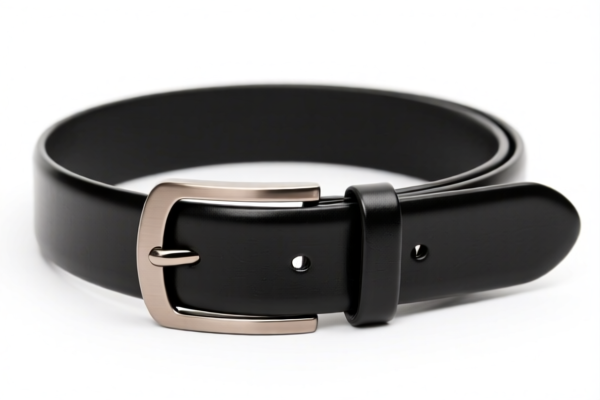
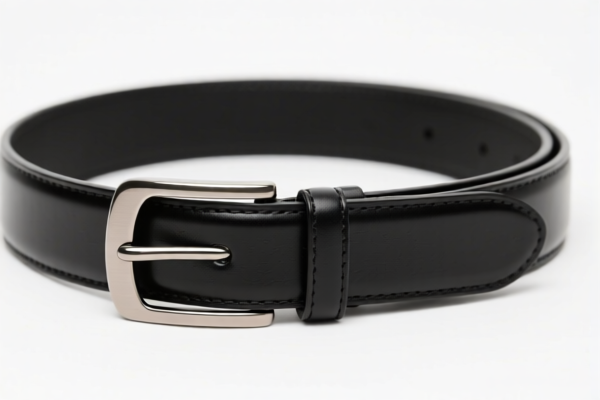

AI Analysis
🎀 Belts (Belt Sets & Accessories)
🌐 HS Code Reference & Clearance Guide | 2026 Latest Tariff Analysis | Strategic Clearance Strategy
📌 Part 1: Product Definition & Classification: What Exactly is a "Belt Set"?
In international trade, "Belts" are not a monolithic category. They are split based on their material composition and functional purpose. A "Belt Set" (typically a belt paired with a bag, hat, or other accessories) is often classified differently depending on whether it is viewed as a garment accessory or a container attachment.
Key Distinction:
- Textile/Fabric Belts: Classified under Chapter 62 (Articles of Apparel and Clothing Accessories).
- Leather/Leather-like Belts: Classified under Chapter 42 (Articles of Leather; Saddle and Harness).
- Metal Components: If the belt is primarily a functional metal hook/buckle assembly, it may fall under Chapter 73 (Articles of Iron or Steel).
⚠️ Critical Classification Logic:
- If the belt is made of textile/fabric and serves as a clothing accessory → 6217.10.xx
- If the belt is made of leather and serves as an accessory to a bag/box → 4202.99.xx
- If the belt is primarily a metal hardware component → 7326.20.xx
📦 Part 2: HS Code Classification Matrix (2026 Latest Tariff Authority)
| HS Code | Product Description | Applicable Material | Function/Usage |
|---|---|---|---|
6217.10.85.00 |
Other Made-Up Clothing Accessories | Textile, Fabric, or Synthetic Materials | Classified as general garment accessories (e.g., fabric belts, webbing belts). |
4202.39.90.00 |
Other Similar Containers & Carriers | Leather or Textile (Inferred) | Classified as accessories for bags/cases (e.g., leather belt sets sold with luggage). |
6217.10.95.50 |
Other Made-Up Clothing Accessories | Textile/Fabric | General category for textile-based belt sets not specified elsewhere. |
4202.99.90.00 |
Other Articles of Leather | Leather or Textile (Inferred) | Leather belt sets viewed as extensions of bag accessories. |
7326.20.00.20 |
Other Articles of Iron or Steel | Metal (Steel/Iron) | Specifically for metal belt hooks, buckles, or brackets. |
🔍 Key Reminder:
- "Belt Set" implies multiple items. If the set is dominated by textile material, 6217 is likely. If dominated by leather, 4202 is likely.
- Metal components (like heavy-duty steel buckles) are rarely classified alone unless they are sold as hardware, not as part of a finished fashion belt.
💰 Part 3: 2026 Latest Tariff Rate Breakdown (Including Additional Duties & Policy Surcharges)
✅ Applicable Country: United States (US)
✅ Origin: China (CN)
✅ Effective Date: Current Trade Policies (Section 301 & Section 122)
🎯 1. 6217.10.85.00 – Textile/Fabric Belt Sets (Garment Accessory)
| Item | Content |
|---|---|
| Base Tariff | 14.6% (ad valorem) |
| Additional Tariff (Section 301) | 0.0% (Note: Some textile categories have exemptions, but verify current status) |
| Section 122 Tariff | 10% (Additional surcharge on certain textile/apparel items) |
| Total Effective Rate | 24.6% |
| Tax Calculation | CIF Value × 24.6% |
| De Minimis Eligibility | ❌ No (Section 301/122 duties usually negate de minimis benefits for China origin) |
| Legal Path | USITC:6217.10.85.00 → FOOTNOTE:122 |
📌 Explanation:
- This is the most favorable rate for textile-based belt sets.
- The "0% Additional Tariff" suggests this specific subheading may have a temporary exemption or lower Section 301 application, but the 10% Section 122 still applies.
- Cost Impact: Moderate.
🎯 2. 4202.39.90.00 – Leather/Textile Belt Sets (Container Accessory)
| Item | Content |
|---|---|
| Base Tariff | 20.0% (ad valorem) |
| Additional Tariff (Section 301) | 25.0% (Standard Section 301 rate for Chapter 42) |
| Section 122 Tariff | 10% |
| Total Effective Rate | 55.0% |
| Tax Calculation | CIF Value × 55.0% |
| De Minimis Eligibility | ❌ No |
| Legal Path | USITC:4202.39.90.00 → FOOTNOTE:301 → FOOTNOTE:122 |
📌 Explanation:
- High duty rate due to the 25% Section 301 tariff on leather goods.
- Cost Impact: High. This classification is expensive for importers.
🎯 3. 6217.10.95.50 – Other Textile Accessories (General)
| Item | Content |
|---|---|
| Base Tariff | 14.6% (ad valorem) |
| Additional Tariff (Section 301) | 7.5% (Reduced or partial Section 301 application) |
| Section 122 Tariff | 10% |
| Total Effective Rate | 32.1% |
| Tax Calculation | CIF Value × 32.1% |
| De Minimis Eligibility | ❌ No |
| Legal Path | USITC:6217.10.95.50 → FOOTNOTE:301 → FOOTNOTE:122 |
📌 Explanation:
- This category has a moderate additional tariff burden compared to leather.
- Cost Impact: Moderate-High. Better than leather, but worse than the exempted 6217.10.85.
🎯 4. 4202.99.90.00 – Other Leather Articles (Bag Extensions)
| Item | Content |
|---|---|
| Base Tariff | 20.0% (ad valorem) |
| Additional Tariff (Section 301) | 25.0% |
| Section 122 Tariff | 10% |
| Total Effective Rate | 55.0% |
| Tax Calculation | CIF Value × 55.0% |
| De Minimis Eligibility | ❌ No |
| Legal Path | USITC:4202.99.90.00 → FOOTNOTE:301 → FOOTNOTE:122 |
📌 Explanation:
- Same high tax burden as4202.39.90.00.
- Cost Impact: High. Avoid if possible unless material is exclusively high-value leather with margin absorption.
🎯 5. 7326.20.00.20 – Metal Belt Hooks/Hardware
| Item | Content |
|---|---|
| Base Tariff | 3.9% (ad valorem) |
| Additional Tariff (Section 301) | 25.0% |
| Section 122 Tariff | 10% |
| Steel/Aluminum/Copper Surcharge | 50% (Specific surcharge for metal products) |
| Total Effective Rate | 88.9% |
| Tax Calculation | CIF Value × 88.9% |
| De Minimis Eligibility | ❌ No |
| Legal Path | USITC:7326.20.00.20 → FOOTNOTE:301 → FOOTNOTE:122 → METAL_SURCHARGE:50% |
📌 Explanation:
- CRITICAL WARNING: This is the most expensive classification.
- The 50% surcharge on Steel/Aluminum/Copper is applied on top of the 25% and 10%.
- Cost Impact: Extremely High. Only use if the product is purely metal hardware and not a finished fashion belt.
🛠️ Part 4: Clearance Practical Advice (Pitfall Avoidance Guide)
✅ 1. Preparation Checklist (Non-Negotiable)
| Document | Mandatory? | Description |
|---|---|---|
| ✅ Product Composition Sheet | ✔️ | Must specify exact % of fabric, leather, metal. Crucial for 6217 vs. 4202. |
| ✅ Commercial Invoice | ✔️ | Must clearly state "Belt Set" or "Fashion Accessories," not vague "Goods." |
| ✅ Material Declaration | ✔️ | Explicitly state "100% Cotton Webbing" or "Genuine Leather" to avoid misclassification penalties. |
| ✅ Photos of Final Product | ✔️ | Show the belt worn or displayed with the set. |
| ✅ Country of Origin Label | ✔️ | "Made in China" must be visible on packaging for duty determination. |
✅ 2. Classification Strategy (Key Rules)
🔥 “Material Dictates Code, Function Validates it!”
| Scenario | Correct Classification | Incorrect Practice |
|---|---|---|
| Fabric Belt + Fabric Bag Set | 6217.10.85.00 (if accessory) or 6217.10.95.50 |
Misclassifying as Leather (4202) → 55% Tax |
| Leather Belt + Leather Wallet Set | 4202.39.90.00 or 4202.99.90.00 |
Misclassifying as Textile (6217) → 24.6% Tax (Risk of Audit) |
| Metal Buckle Sold Separately | 7326.20.00.20 |
Including in Belt Set → 88.9% Tax |
| Belt Set (Mixed Materials) | Primary Material Rule (Chapter 11 GRI) | Guessing → Potential Penalties |
📌 Note on Mixed Materials:
- If a belt has a leather strap and metal buckle, it is generally classified under Chapter 42 (Leather) because the leather gives the essential character.
- If a belt has a fabric strap and plastic buckle, it is classified under Chapter 62 (Textile).
✅ 3. Special Cases & Mitigation
| Situation | Strategy |
|---|---|
| OEM/Private Label Belts | Ensure invoice reflects brand value, not just manufacturing cost. Use 6217 if fabric. |
| "Set" Definition | If items are packed together for retail sale, they are treated as a set. Do not split HS codes for one customs line item unless specifically allowed. |
| Metal Hardware Focus | If importing only buckles/hooks, use 7326.20.00.20 but expect 88.9% duty. Consider sourcing metal from non-China origin to avoid surcharges. |
| De Minimis Loophole | Not Available for China-origin goods under Section 301/122. Do not use UPS/FedEx small parcels to avoid duties. |
🌍 Part 5: Global Market Comparison (2026 Snapshot)
| Country/Region | Recommended HS Code | Est. Tariff (China Origin) | Key Certification | Notes |
|---|---|---|---|---|
| 🇺🇸 USA | 6217.10.85.00 |
24.6% | N/A | Highest risk due to 122/301 tariffs. |
| 🇨🇳 China | 6217.10.85.00 |
~5-7% (Import Duty) | N/A | Low import tariff, high VAT. |
| 🇪🇺 EU | 6217.10.00 |
4-12% (Varies) | CE (if safety gear) | No Section 301/122. Lower cost than US. |
| 🇬🇧 UK | 6217.10.00 |
4-12% | UKCA (if applicable) | Post-Brexit rules apply. |
| 🇦🇺 Australia | 6217.10.00 |
5% | N/A | GST applies (10%). |
📌 Conclusion:
- USA is the most expensive market for belt sets due to Section 301 and Section 122 tariffs.
- EU/UK offer significantly lower tariff burdens (no 25%/50% surcharges).
- Consider supply chain diversification (e.g., producing in Vietnam or India) to access FTAs (Free Trade Agreements) and reduce US duties to 0%.
📌 Part 6: Common Errors & Pitfalls (Blood Lessons)
❌ Error 1: Classifying a Leather Belt as 6217 (Textile)
👉 Consequence: Customs audit, penalty, and back payment of ~30% difference (55% vs 24.6%).
❌ Error 2: Splitting a Belt Set into multiple shipments to stay under $800
👉 Consequence: Section 301/122 still applies. CBP tracks related shipments. Fines + Goods Confiscated.
❌ Error 3: Ignoring Section 122 (10%)
👉 Consequence: Underpayment of duties. Section 122 applies to textiles/apparel, not just Section 301.
❌ Error 4: Misclassifying Metal Buckles as part of the belt
👉 Consequence: If separated, metal parts incur 88.9% duty. If combined, the belt's character determines the code, but ensure consistency.
✅ Correct Practice:
"Textile Belt Set, Cotton, with Plastic Buckle, Model XYZ, 100% Made in China"
HS Code:6217.10.85.00| Tax: 24.6%
🎯 Part 7: Conclusion: Professional Classification, Maximize Profit!
🎯 Remember the Mantra:
🔹 "Fabric is Friend (24.6%), Leather is Heavy (55%), Metal is Killer (88.9%)."
🔹 "Set means One Code, Don't Split, Don't Cheat."
🔹 "Check Section 122 and 301, Before You Ship, Check the Rates."
📌 Pro Tip:
If your belt set contains more than 70% textile material, fight for 6217.10.85.00.
If you are targeting the US Market, strongly consider non-China sourcing to avoid the 25%+10% surcharge. For EU/UK, the tax burden is manageable.
📣 Immediate Action:
📞 Consult a Customs Broker for Pre-Ruling on your specific material composition.
📄 Ensure your Invoice matches your HS Code exactly.
🚀 Clear Customs Smoothly, Maximize Margin!
✨ Professional Clearance Starts with Precise Classification!
💼 Every Percent Matters in Global Trade!
Customer Reviews
About HS Code Classification
The Harmonized System (HS) is an internationally standardized nomenclature developed by the World Customs Organization (WCO) to classify traded products. Over 200 countries use the HS system as the basis for customs tariffs, trade statistics, and import/export regulations.
Each HS code follows a hierarchical structure:
- Chapter (2 digits) — Broad category of goods (e.g., Chapter 84: Machinery and Mechanical Appliances)
- Heading (4 digits) — More specific grouping within the chapter
- Subheading (6 digits) — Internationally standardized breakdown, used by all WCO member countries
- National subdivisions (8-10 digits) — Country-specific extensions for further classification, such as US HTSUS 10-digit codes
Correct HS code classification is essential for smooth customs clearance, accurate duty payment, and compliance with trade regulations. Misclassification can lead to customs delays, overpayment of duties, or penalties.
When importing from CN to US, the applicable tariff rates may include:
- Most-Favored-Nation (MFN) rate — The standard duty rate applied to WTO members
- General rate — Applied to countries without trade agreements
- Trade remedy duties — Additional tariffs such as Section 301 (anti-dumping), Section 232 (national security), or countervailing duties
The information provided on this page is for reference purposes only. For official classification, please consult with your local customs authority or a licensed customs broker.