Bento Bag
CN → US| HS Code | Tariff Rate | Origin | Destination | Doc |
|---|---|---|---|---|
| 4202929100 | 52.6% | CN | US | Official Doc |
| 4202929336 | 52.6% | CN | US | Official Doc |
Product Images
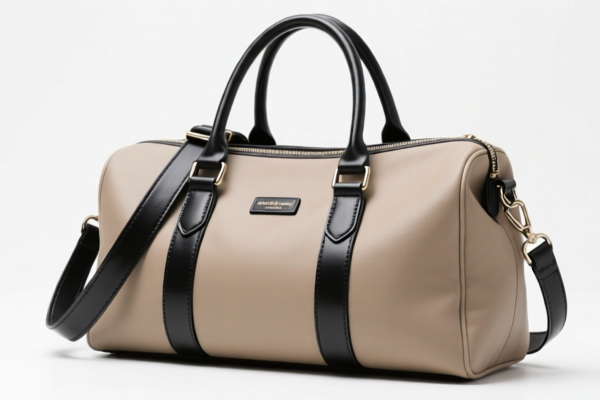
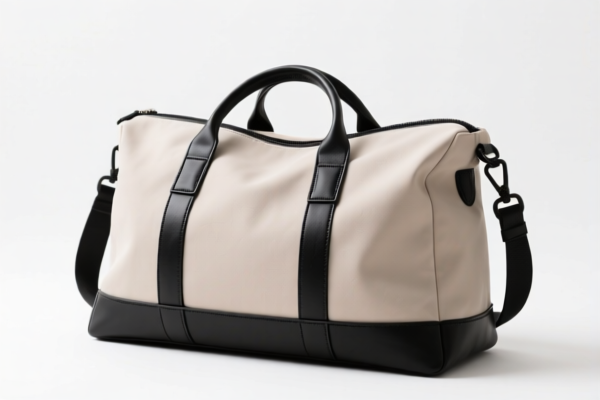
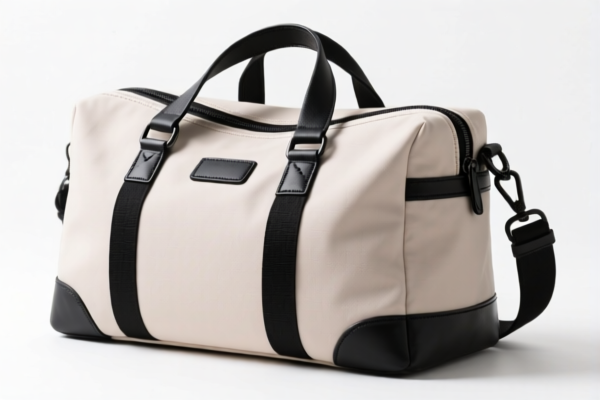
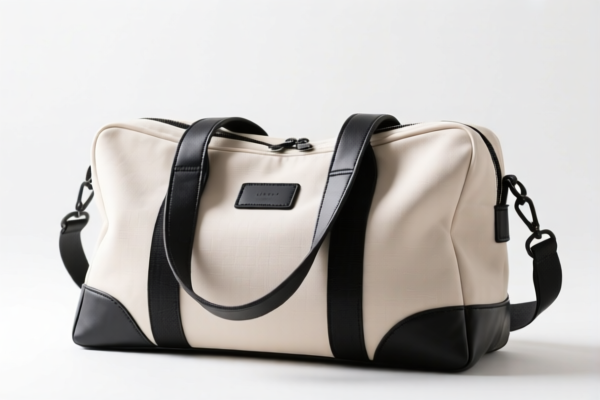
AI Analysis
🍱 Bento Bag (Lunch Boxes & Similar Containers)
🌐 HS Code Reference & Customs Clearance Guide | 2026 Latest Tariff Analysis | Professional Level Clearance Strategy
📌 I. Product Definition & Classification: Do You Really Understand “Bento Bag”?
A Bento Bag is a specific type of traveling bag or insulated food or beverage bag used primarily for carrying meals, snacks, or lunch items. In international trade, it is classified under Chapter 42 (Articles of leather or composition leather; saddle harness and harnesses; travel goods, handbags and similar containers).
The core distinction lies in the material of the outer surface: * Insulated/Textile-Based: Most modern "Bento Bags" are made of polyester, nylon, or cotton with an insulated lining. They are classified as "Insulated food or beverage bags" with an outer surface of textile materials. * Plastic-Sheet Based: If the bag is entirely made of PVC/TPU sheets (common in cheap disposable lunch bags), it might fall under plastic sheeting. However, structured "Bento Bags" are almost exclusively textile.
⚠️ Key Distinction Point:
- If it is a structured bag (handles/straps, zipper, insulation) made of fabric → Chapter 42 (4202.92)
- If it is a simple plastic pouch without structure → Might fall under Chapter 39 or 42 depending on construction, but usually 4202.92 if it resembles a bag.
- Exclusion: It is NOT a "jewelry box" or "cutlery case" (which have specific sub-codes). It is a travel/insulated bag.
📦 II. HS Code Classification Details (2026 Latest Tariff Authority Comparison)
Based on the provided <DATA>, there are two relevant HS Codes. Both carry 0.0% Total Tax, but they differ in material specificity.
| HS Code | Product Description | Material Outer Surface | Application Scenario |
|---|---|---|---|
4202.92.91.00 |
Other: With outer surface of textile materials: Of man-made fibers | Man-made Fibers (Polyester, Nylon, etc.) | Most Common: Standard bento bags made of polyester/nylon with insulation. |
4202.92.93.36 |
Other: With outer surface of textile materials: Other Other | Textile Materials (Other/Non-specified) | Less Common: Bags made of other textile materials (e.g., cotton, blended fabrics) not explicitly listed as man-made fibers in this specific customs schedule, or generic textile bags. |
🔍 Key Reminder:
- Man-made fibers (synthetic) are the dominant material for bento bags due to durability and water resistance. Therefore,4202.92.91.00is the most likely correct classification.
- If the bag is made of cotton or natural fibers, check if4202.92.93.36applies, but often "Other Other" is a catch-all for non-man-made textiles.
- Do NOT classify as "Jewelry Boxes" (4202.92.93specific sub-categories) unless it is a rigid, retail-packaged jewelry box, which a bento bag is not.
💰 III. 2026 Latest Tariff Rate Details (Including Additional Taxes & Policy Additions)
✅ Applicable Country: USA (US)
✅ Country of Origin: China (CN) (Assumed based on typical tariff queries; if origin is US/Other, rates may differ)
✅ Effective Time: 2025-2026 Current Schedule
🎯 1. 4202.92.91.00 —— Bento Bag (Man-made Fiber Outer Surface)
| Item | Content |
|---|---|
| Basic Duty Rate | 0.0% (ad valorem) |
| USITC Additional Duty | 0.0% |
| IEEPA Additional Duty | 0.0% |
| Total Tariff Rate | 0.0% |
| Tax Calculation | CIF Value × 0% = $0 |
| Can De Minimis Exemption Apply? | N/A (Rate is already 0%) |
| Legal Basis Path | HTSUS:4202.92.91.00 |
📌 Explanation:
- Base Rate: 0% for most textile-based travel bags and insulated food bags.
- No Section 301 Tariffs: Unlike electronics or steel, textile bags are generally NOT subject to the 25% Section 301 tariffs.
- No IEEPA Surcharges: Currently, IEEPA surcharges typically target tech, semiconductors, or critical minerals. Consumer textile goods like bento bags are exempt from these additional US-China tariffs.
- Result: This is a low-risk, low-cost item for import into the US.
🎯 2. 4202.92.93.36 —— Bento Bag (Other Textile Materials)
| Item | Content |
|---|---|
| Basic Duty Rate | 0.0% (ad valorem) |
| USITC Additional Duty | 0.0% |
| IEEPA Additional Duty | 0.0% |
| Total Tariff Rate | 0.0% |
| Tax Calculation | CIF Value × 0% = $0 |
| Legal Basis Path | HTSUS:4202.92.93.36 |
📌 Note:
- Same tariff treatment as above.
- Even if classified under "Other Other," the tariff remains 0%.
🛠️ IV. Customs Clearance Practical Advice (Battle-Tested Pitfall Avoidance)
✅ 1. Required Documents Checklist (Non-negotiable)
| Document | Must Provide | Notes |
|---|---|---|
| ✅ Product Specification Sheet | ✔️ | Must state material (e.g., "100% Polyester Exterior, PE Foam Insulation"). |
| ✅ Commercial Invoice | ✔️ | Clearly describe as "Insulated Lunch Bag" or "Bento Bag," NOT "Plastic Container." |
| ✅ Packing List | ✔️ | Weight and dimensions must match physical shipment. |
| ✅ Material Declaration | ✔️ | Prove outer surface is Textile (Man-made fibers) to justify 4202.92.91.00. |
| ✅ Brand Authorization | ✔️ | If branded, provide brand owner letter to avoid IP issues. |
✅ 2. Declaration Tips (Key Mantra)
🔥 "Textile Outer, Insulated Inner, Zero Tax, Clear Label!"
| Scenario | Correct Declaration | Wrong Practice |
|---|---|---|
| Standard Polyester Bento Bag | 4202.92.91.00 |
Misdeclare as "Plastic Bag" → Potential Chapter 39 error |
| Cotton/Canvas Bento Bag | 4202.92.93.36 or 91.00 (Check specific origin rules) |
Overcomplicating; ensure material is accurately stated |
| Rigid Plastic Lunch Box | NOT 4202 → Likely 3924.00 (Plastic Tableware) |
Do NOT classify rigid plastic containers as "Bags" |
| Bag + Cutlery Set Inside | Declare as Bag (Principal Item) | Do not split cutlery into 8215 unless sold separately |
⚠️ Critical Warning:
- If the bag is rigid plastic (like a Tupperware container), it is NOT a "bag." It falls under Chapter 39 (Plastics) or Chapter 73/82 for metal.
- Bento Bags are flexible and have handles/straps. Ensure your product has these features to justify Chapter 42.
✅ 3. Special Case Handling
| Situation | Handling Advice |
|---|---|
| OEM/Private Label | Provide contract or design approval letter. No IP risk if brand is cleared. |
| Set with Cutlery | If cutlery is accessory to the bag (sold together), the bag governs the classification (4202.92). |
| Insulated Lining | The insulation (PE foam, aluminum foil) does not change the classification from Textile to Plastic, as the outer surface is textile. |
| Children’s Design | Ensure no small detachable parts that violate CPSIA (US Child Safety) standards. |
🌍 V. Global Market Comparison (2026 Latest)
| Country/Region | Recommended HS Code | Tariff | Certification | Notes |
|---|---|---|---|---|
| 🇺🇸 USA | 4202.92.91.00 |
0% | CPSIA (if for kids), FDA (if food contact) | No Section 301 Tax! Great margin item. |
| 🇨🇳 China | 4202.92.91.00 |
10-14%* | CCC (if applicable) | Import duty applies. Export from China is 0%. |
| 🇪🇺 EU | 4202.92.99 |
4.5% - 6% | CE, REACH | Standard EU tariff for textile bags. |
| 🇬🇧 UK | 4202.92.99 |
4.5% - 6% | UKCA | Post-Brexit rules apply. |
| 🇯🇵 Japan | 4202.92.90 |
10% - 12% | JIS | High tariff but stable market. |
📌 Conclusion:
- The USA is the best market for Bento Bags due to 0% tariff.
- EU and Japan have moderate tariffs, but still competitive.
- China (as destination) has higher tariffs, so domestic sales in China are cheaper than imports.
📌 VI. Common Mistakes & Pitfall Guide (Blood & Tears Lessons)
❌ Mistake 1: Classifying Rigid Plastic Lunch Boxes as 4202.92.91.00
👉 Consequence: Customs may reclassify to 3924.00 (Plastic Tableware) and charge different duties + penalties.
Fix: Ensure the item is a flexible bag with handles.
❌ Mistake 2: Declaring "Plastic Bag" for a Textile Bento Bag
👉 Consequence: Under-declaration of value or misclassification.
Fix: Use terms "Textile," "Polyester," "Nylon," or "Canvas."
❌ Mistake 3: Ignoring Food Safety for Insulated Bags
👉 Consequence: Detention at US Customs due to lack of FDA Compliance (if lining touches food).
Fix: Provide FDA Letter of Guarantee or Test Report for inner lining materials.
❌ Mistake 4: Splitting "Bag + Cutlery" into Separate Lines Incorrectly
👉 Consequence: If cutlery is separate, it may attract 5.5-8% tariff.
Fix: If sold as a set, declare as the Bag (0% tariff) if it is the principal character.
✅ Correct Declaration Example:
"Insulated Lunch Bag, Polyester Outer, PE Foam Lining, Zipper Closure, Handle, Model: Bento Pro, HS 4202.92.91.00"
🎯 VII. Conclusion: Professional Declaration, Time-Saving, Cost-Effective!
🎯 Remember the Mantra:
🔹 "Textile Bag, Zero Tax, US Market is Best!"
🔹 "No Section 301 on Bags, Just Clear Material Declaration!"
📌 Pro Tip:
- For US Imports, ensure your supplier provides a Material Composition Certificate confirming "100% Polyester Exterior" to lock in the 0% rate under 4202.92.91.00.
- Always check FDA Food Contact Substance (FCS) compliance for the inner lining, as bento bags directly hold food.
📣 Immediate Action:
📞 Confirm material with supplier → Declare as "Insulated Textile Bag" → Enjoy 0% Tariff in the US!
🚀 High-Margin, Low-Risk Export Item!
✨ Professional Clearance Starts with Accurate Classification!
💼 Your Profit Margin Depends on the First Line of the Invoice!
Customer Reviews
About HS Code Classification
The Harmonized System (HS) is an internationally standardized nomenclature developed by the World Customs Organization (WCO) to classify traded products. Over 200 countries use the HS system as the basis for customs tariffs, trade statistics, and import/export regulations.
Each HS code follows a hierarchical structure:
- Chapter (2 digits) — Broad category of goods (e.g., Chapter 84: Machinery and Mechanical Appliances)
- Heading (4 digits) — More specific grouping within the chapter
- Subheading (6 digits) — Internationally standardized breakdown, used by all WCO member countries
- National subdivisions (8-10 digits) — Country-specific extensions for further classification, such as US HTSUS 10-digit codes
Correct HS code classification is essential for smooth customs clearance, accurate duty payment, and compliance with trade regulations. Misclassification can lead to customs delays, overpayment of duties, or penalties.
When importing from CN to US, the applicable tariff rates may include:
- Most-Favored-Nation (MFN) rate — The standard duty rate applied to WTO members
- General rate — Applied to countries without trade agreements
- Trade remedy duties — Additional tariffs such as Section 301 (anti-dumping), Section 232 (national security), or countervailing duties
The information provided on this page is for reference purposes only. For official classification, please consult with your local customs authority or a licensed customs broker.