Bicycle (HS Code 8712001510)
CN → US| HS Code | Tariff Rate | Origin | Destination | Doc |
|---|---|---|---|---|
| 8712001520 | 46.0% | CN | US | Official Doc |
| 8712001510 | 46.0% | CN | US | Official Doc |
| 8712001550 | 46.0% | CN | US | Official Doc |
Product Images
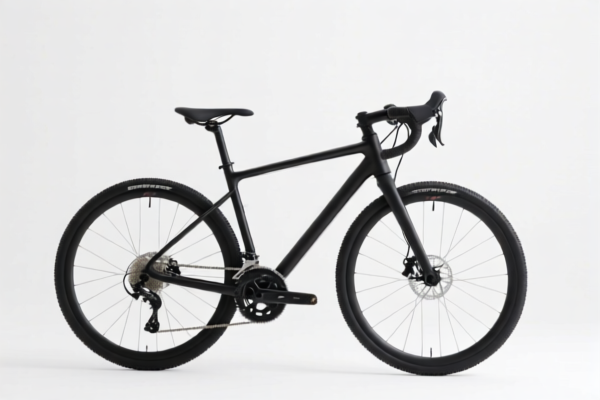
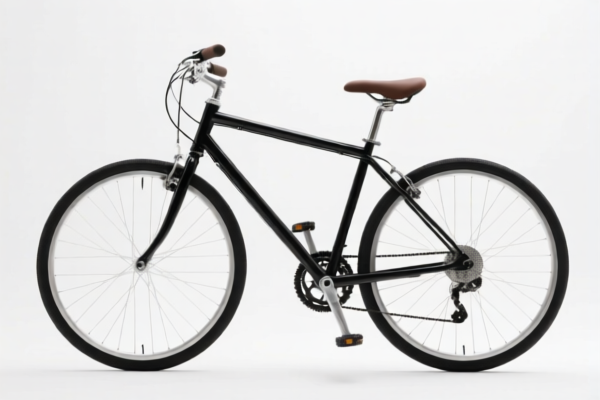
AI Analysis
🚴♂️ Bicycle (HS Code 8712.00.15.10)
🌐 HS Code Reference & Clearance Guide | 2026 Latest Tariff Analysis | Professional Customs Strategy
📌 I. Product Definition & Classification: Do You Really Understand "Bicycles"?
Bicycles, non-motorized, are among the most widely traded consumer goods globally. In international trade, they are primarily classified under Chapter 87 (Vehicles other than railway or tramway rolling-stock). Specifically, they fall under heading 8712.
Key Distinction:
- Non-motorized Bicycles: Require human power only (pedals, chains). This includes road bikes, mountain bikes, folding bikes, and BMX.
- Motorized Bikes: Include electric bicycles (e-bikes) with motors >250W or gasoline engines, which may fall under different subheadings (e.g., 8711 or 8703 depending on specs).
⚠️ Critical Classification Point:
The HS Code 8712.00.15.10 specifically refers to "Bicycles, non-motorized" under the US Harmonized Tariff Schedule (HTSUS).
- If your bike has any motor (even a small assist motor for pedaling) that exceeds legal definitions for "pedal-assist only" without motor contribution, it MUST NOT be declared as 8712.00.15.10.
- Components (wheels, frames, seats) are classified separately (e.g., 8714.90) and cannot be mixed with the finished bicycle in a single line item if declared as a complete unit.
📦 II. HS Code Classification Details (2026 Latest Tariff Authority)
Based on the provided <DATA>, here are the specific HS Codes and their corresponding tax implications for Non-Motorized Bicycles:
| HS Code | Product Description | Tax Category | Total Tax Rate |
|---|---|---|---|
8712.00.15.10 |
Bicycle, non-motorized | China Origin | 46.0% |
8712.00.15.20 |
Bicycle, non-motorized | China Origin | 46.0% |
8712.00.15.50 |
Bicycle, non-motorized | China Origin | 46.0% |
🔍 Explanation of Codes:
- These codes represent finished, non-motorized bicycles.
- The variations in the last two digits (.10, .20, .50) often denote minor structural differences (e.g., wheel size, frame type, or intended use like mountain vs. road), but the tax treatment is identical.
- Note: Always verify the specific sub-code with your customs broker based on the bike’s physical characteristics, but expect the same total tax rate regardless of the suffix.
💰 III. 2026 Latest Tariff Rate Breakdown (Including Surcharges)
✅ Applicable Country: United States (US)
✅ Origin: China (CN)
✅ Effective Date: Current rates apply (subject to trade policy changes)
🎯 1. 8712.00.15.10 / .20 / .50 —— Non-Motorized Bicycle
| Item | Content |
|---|---|
| Base Duty Rate | 11.0% (Standard MFN Rate) |
| Section 301 Duty | 25.0% (Trade Action under Section 301) |
| Section 122 Duty | 10.0% (Additional duty under Section 122) |
| Total Tax Rate | 46.0% |
| Calculation Basis | CIF Value (Cost + Insurance + Freight) × 46% |
| De Minimis Exemption | ❌ Not Eligible (Value usually exceeds $800 threshold for duty-free entry under Section 321) |
| Legal Authority | HTSUS 8712.00.15 |
📌 Detailed Explanation of Tax Components:
- Base Duty (11%): This is the standard Most Favored Nation (MFN) tariff applied to imported bicycles. It reflects the traditional duty rate for this category.
- Section 301 Duty (25%): Imposed under the U.S. Trade Act of 1974, this tariff targets specific Chinese imports deemed to engage in unfair trade practices. Most consumer goods, including bicycles, are on the "List 4A" subject to this 25% surcharge.
- Section 122 Duty (10%): A recent additional tariff imposed under Section 122 of the Trade Expansion Act of 1962, aimed at protecting national security and domestic industries. This adds another layer of cost on top of the Section 301 duty.
- Total Impact: The cumulative effect is 46%, significantly increasing the landed cost of Chinese-made bicycles in the U.S. market.
🛠️ IV. Customs Clearance Practical Advice (Avoid Pitfalls)
✅ 1. Documentation Checklist (Mandatory)
| Document | Required? | Notes |
|---|---|---|
| ✅ Commercial Invoice | ✔️ | Must clearly state "Non-Motorized Bicycle," model, country of origin (China), and CIF value. |
| ✅ Packing List | ✔️ | Detail quantity, weight (Gross/Net), and packaging dimensions. |
| ✅ Bill of Lading/Air Waybill | ✔️ | Ensure carrier name and vessel/flight details match the invoice. |
| ✅ Certificate of Origin | ✔️ | Crucial for proving Chinese origin (to apply correct tariffs). |
| ✅ Product Specifications | ✔️ | Confirm no motor is present (to avoid misclassification). |
| ✅ IP Authorization | ✔️ | If branded (e.g., Trek, Giant), provide authorization letters to prevent IP seizure. |
✅ 2. Declaration Tips (Key Mantra)
🔥 "Complete Unit, Not Parts! Motor-Free, Clearly Stated!"
| Scenario | Correct Declaration | Incorrect Action |
|---|---|---|
| Complete Bicycle | HS 8712.00.15.10 |
Do not split into frame + wheels + seat |
| With Accessories (lock, pump, bag) | Declare as "Bicycle with Accessories" | Do not declare accessories separately unless they are high-value and distinct |
| Electric Bike | HS 8711 or 8703 (if motor > limit) |
Do not declare as 8712 → Seizure Risk! |
| Bike Parts (Frame, Wheels) | HS 8714.90 |
Do not declare as "Bicycle" |
✅ 3. Special Cases Handling
| Situation | Handling Advice |
|---|---|
| OEM Private Label | Ensure invoice shows your brand, not the manufacturer’s, to avoid confusion. |
| Bicycle with Trailer | If sold as a set, the bicycle is the essential character; declare under 8712. |
| Disassembled Bikes | If shipped in boxes without pedals/handlebars, ensure documentation clarifies they are "Complete Bicycles, partially assembled" to avoid part classification. |
| Counterfeit Goods | Strictly avoid! U.S. Customs and Border Protection (CBP) actively seizes IP-infringing bikes. |
🌍 V. Global Market Comparison (2026 Update)
| Country/Region | Recommended HS Code | Tariff Rate (China Origin) | Key Requirements |
|---|---|---|---|
| 🇺🇸 USA | 8712.00.15.10 |
46% (11% + 25% + 10%) | FCC (if e-bike), Labeling, Anti-Dumping (if applicable) |
| 🇨🇳 China | 8712.00.15 |
0% (Import Duty) | CCC Certification (if sold domestically) |
| 🇪🇺 EU | 8712.00 |
0% (General Duty) | CE Marking, Safety Standards |
| 🇬🇧 UK | 8712.00 |
0% (Post-Brexit) | UKCA Marking |
| 🇨🇦 Canada | 8712.00 |
0% | CSAC Safety Standards |
📌 Conclusion:
- The USA is the most expensive market for Chinese bicycles due to the cumulative 46% tariff.
- Europe, Canada, and the UK offer 0% duty on bicycles, making them more competitive if shipping from China (though logistics costs may vary).
- Strategic Advice: Consider supply chain diversification (e.g., sourcing from Vietnam or Malaysia) to potentially avoid Section 301 and 122 tariffs, though rules of origin must be strictly verified.
📌 VI. Common Mistakes & Pitfalls (Lessons Learned)
❌ Mistake 1: Declaring an Electric Bike as 8712.00.15.10
👉 Consequence: Misclassification → Penalties + Back Taxes + Possible Seizure. E-bikes have different duties and regulatory requirements.
❌ Mistake 2: Splitting a Complete Bike into Frame, Wheels, and Seat to lower duties
👉 Consequence: CBP may assess "Assembly" duties on components (up to 89.5% for some parts) → Total cost higher than 46%.
❌ Mistake 3: Ignoring Section 122 Tariff
👉 Consequence: Underpayment of 10% → CBP Audit + Interest + Penalties.
✅ Correct Practice:
"Non-Motorized Bicycle, Model XYZ, 26-inch, Black, Made in China, CIF Value $100, HS 8712.00.15.10, 46% Total Duty"
🎯 VII. Conclusion: Professional Declaration, Cost Control, Compliance
🎯 Remember the Mantra:
🔹 "Non-Motorized is Key, 46% is the Price, Don't Split the Unit, Keep It Nice!"
🔹 "HS Code 8712 Means No Motor, Tariffs High, So Calculate Before You Board!"
📌 Pro Tip:
- If your bicycle is assembled in a third country (e.g., Vietnam) using Chinese parts, consult a trade lawyer to determine if it still incurs Section 301/122 duties.
- Apply for an Advance Ruling from CBP if your product configuration is unique to ensure correct classification and avoid post-clearance audits.
📣 Immediate Action:
📞 Contact a licensed Customs Broker + Provide Product Photos + Verify Motor Specs
🚀 Ensure Smooth Clearance, Minimize Costs, Maximize Profit!
✨ Professional Customs Clearance Starts with Accurate Classification!
💼 Every Dollar Saved is a Dollar Earned!
Customer Reviews
About HS Code Classification
The Harmonized System (HS) is an internationally standardized nomenclature developed by the World Customs Organization (WCO) to classify traded products. Over 200 countries use the HS system as the basis for customs tariffs, trade statistics, and import/export regulations.
Each HS code follows a hierarchical structure:
- Chapter (2 digits) — Broad category of goods (e.g., Chapter 84: Machinery and Mechanical Appliances)
- Heading (4 digits) — More specific grouping within the chapter
- Subheading (6 digits) — Internationally standardized breakdown, used by all WCO member countries
- National subdivisions (8-10 digits) — Country-specific extensions for further classification, such as US HTSUS 10-digit codes
Correct HS code classification is essential for smooth customs clearance, accurate duty payment, and compliance with trade regulations. Misclassification can lead to customs delays, overpayment of duties, or penalties.
When importing from CN to US, the applicable tariff rates may include:
- Most-Favored-Nation (MFN) rate — The standard duty rate applied to WTO members
- General rate — Applied to countries without trade agreements
- Trade remedy duties — Additional tariffs such as Section 301 (anti-dumping), Section 232 (national security), or countervailing duties
The information provided on this page is for reference purposes only. For official classification, please consult with your local customs authority or a licensed customs broker.