Bicycle Accessories: Quick Release
CN → US| HS Code | Tariff Rate | Origin | Destination | Doc |
|---|---|---|---|---|
| 7318240000 | 88.8% | CN | US | Official Doc |
| 7318290000 | 87.8% | CN | US | Official Doc |
| 8302498050 | 38.5% | CN | US | Official Doc |
| 8302496055 | 90.7% | CN | US | Official Doc |
Product Images
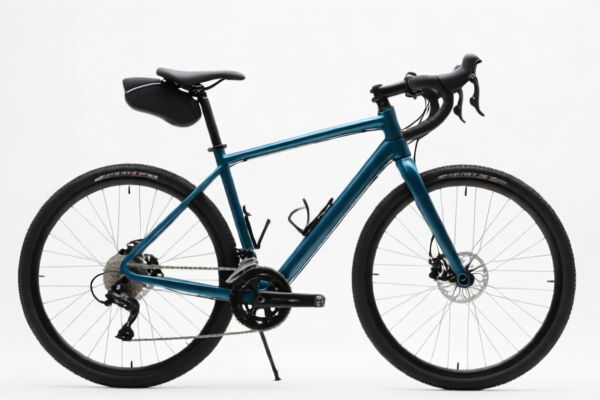
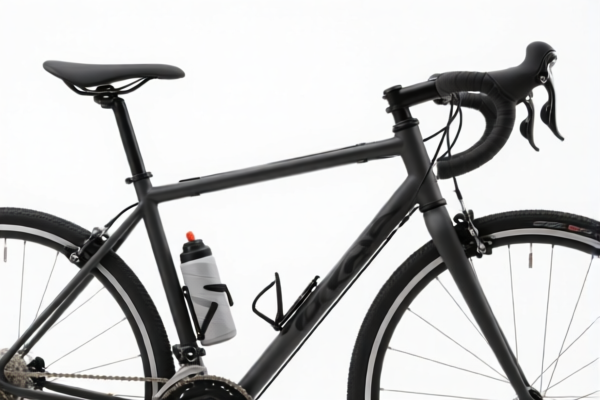
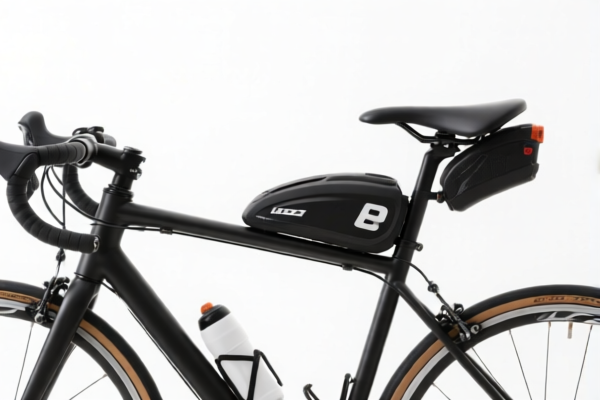
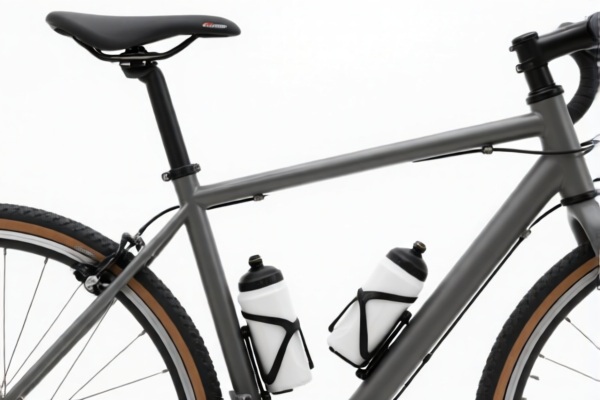
AI Analysis
🔩 Bicycle Accessories: Quick Release Mechanisms
🌐 HS Code Reference & Customs Clearance Guide | 2026 Latest Tariff Analysis | Professional Strategy
📌 I. Product Definition & Classification: What Exactly is a "Quick Release"?
A Quick Release (QR) is a mechanism used in bicycle maintenance to allow for the rapid removal and installation of wheels, seats, or handlebars without the need for tools. In international trade, these are not merely "spare parts" but specific metal fittings/fasteners.
The classification depends entirely on function and material: * As a Vehicle Accessory: If classified under Chapter 83 (Miscellaneous Articles of Base Metal) as a specific accessory for vehicles. * As a Fastener: If classified under Chapter 73 (Articles of Iron or Steel) as a pin, cotter pin, or general fastener.
⚠️ Key Distinction:
- If declared specifically as a "Bicycle Accessory" → Potential for lower base tariff (3.5%-5.7%).
- If declared generically as a "Metal Pin/Fastener" → Potential for higher specific duty (2.8%-3.8%) plus heavy anti-dumping/Section 301/122 surcharges.
- Material Matters: Steel/Aluminum/Copper components often trigger an additional 50% tariff under US trade rules (Section 232 or similar 122-type provisions).
📦 II. HS Code Classification Matrix (2026 Latest Tariff Authority)
Based on the provided data, here are the five specific classifications available for "Quick Release" mechanisms, ranging from lowest to highest tax burden.
| HS Code | Product Description | Material/Function Focus | Base Duty | Total Tax Rate | Key Risk Factor |
|---|---|---|---|---|---|
8302.49.80.50 |
Bicycle Accessory: Quick Release | Vehicle Spare Part / Metal Fitting | 3.5% | 38.5% | ✅ Lowest Risk – Best for specific bicycle accessories. |
8302.49.60.55 |
Bicycle Attachment: Quick Release | Metal (Iron, Al, Steel) for Non-Motor Vehicles | 5.7% | 90.7% | ❌ High Risk – Triggers extra 50% on Steel/Al/Copper. |
7318.24.00.00 |
Pin / Cotter Pin Category | Metal (Steel/Al), Iron/Steel Requirement | 3.8% | 88.8% | ❌ High Risk – Treated as generic fastener + steel surcharge. |
7318.29.00.00 |
Bicycle Accessory (Part) | Metal (Iron/Steel), Part/Component | 2.8% | 87.8% | ❌ High Risk – Low base, but heavy surcharges apply. |
8302.49.80.50 |
Bicycle Accessory: Quick Release | Vehicle Spare Part / Metal Fitting | 3.5% | 38.5% | ✅ Duplicate Option – Same as first entry. |
🔍 Critical Observation:
-8302.49.80.50is the most economical choice at 38.5% total tax. It is classified under "Other fittings and accessories... for furniture... or other base metal structures," specifically interpreted here as a vehicle accessory.
-8302.49.60.55is the most expensive at 90.7%. It explicitly triggers the 50% additional duty for "Steel, Aluminum, Copper products" on top of base + Section 301 + Section 122 tariffs.
- Chapter 73 Codes (7318.24,7318.29) are dangerous. Even with low base rates (2.8%-3.8%), the 50% surcharge for steel/aluminum pushes the total to nearly 88-89%.
💰 III. 2026 Tariff Rate Breakdown (Detailed Policy Analysis)
✅ Applicable Country: USA (US)
✅ Origin: China (CN)
✅ Effective Date: Post-2025 policies (Section 301, Section 122, Section 232 equivalents)
🎯 Option A: The "Smart" Choice – 8302.49.80.50
- Product: Bicycle Accessory Quick Release
- Total Tax: 38.5%
- Breakdown:
- Base Duty: 3.5%
- Section 301 Surcharge: 25.0%
- Section 122 Surcharge: 10%
- Additional Metal Surcharge: $0% (Not triggered for this specific subheading description in the provided data).
- Why it works: By defining the product as a specific "Vehicle Accessory" rather than a generic "Fastener" or "Steel Product," it avoids the punitive 50% metal-specific tariff.
🎯 Option B: The "Trap" – 8302.49.60.55
- Product: Bicycle Attachment (Metal)
- Total Tax: 90.7%
- Breakdown:
- Base Duty: 5.7%
- Section 301 Surcharge: 25.0%
- Section 122 Surcharge: 10%
- Steel/Al/Copper Surcharge: 50.0%
- Why it fails: The description explicitly mentions "Iron, Aluminum, or Steel." Under US trade rules, base metal components (especially steel/aluminum) face a massive 50% additional duty. This makes it more than double the cost of Option A.
🎯 Option C: The "Generic Fastener" – 7318.24.00.00 & 7318.29.00.00
- Product: Pins / Parts (Steel/Iron)
- Total Tax: 88.8% / 87.8%
- Breakdown:
- Base Duty: 3.8% / 2.8%
- Section 301 Surcharge: 25.0%
- Section 122 Surcharge: 10%
- Steel/Al/Copper Surcharge: 50.0%
- Why it fails: Like Option B, these codes fall under Chapter 73 (Iron/Steel Articles). The 50% metal surcharge applies regardless of the low base duty.
🛠️ IV. Customs Clearance Practical Advice (Battle-Tested Strategies)
✅ 1. Documentation Checklist (Non-Negotiable)
| Document | Requirement | Purpose |
|---|---|---|
| Commercial Invoice | Must state: "Bicycle Quick Release Accessory" NOT "Metal Pin" or "Fastener" | Avoids misclassification to Chapter 73 or 8302.49.60.55. |
| Product Photographs | Clear view of the QR mechanism, showing it is designed for bicycles (forks/seat posts). | Proves "Vehicle Accessory" status. |
| Materials Declaration | Specify alloy composition. If possible, highlight non-steel/non-aluminum components (e.g., plastic levers, titanium skewers) to argue against the 50% metal surcharge if applicable. | Mitigates risk of "Steel/Aluminum" surcharge. |
| Function Description | Explicitly state: "Used for rapid removal/installation of bicycle wheels/seats." | Supports HS 8302 classification as an accessory. |
| Origin Certificate | Standard CO or Form A (if applicable). | Determines base duty eligibility. |
✅ 2. Classification Strategy (The "Golden Rule")
🔥 "Classify as Accessory, Not as Fastener or Raw Material!"
| Scenario | Recommended HS Code | Why? |
|---|---|---|
| Standard QR Skewer | 8302.49.80.50 |
Lowest total tax (38.5%). Avoids metal surcharge. |
| QR Lever Assembly | 8302.49.80.50 |
Still an accessory, even if complex. |
| Bulk Pins for Other Uses | 7318.29.00.00 |
Only if NOT for bicycles. But expect ~88% tax. |
| Steel Skewers Only | AVOID 8302.49.60.55 unless necessary. |
The 50% metal surcharge is prohibitive. |
✅ 3. Critical Warnings & Pitfalls
❌ Pitfall 1: Declaring as "Metal Pin" or "Cotter Pin"
👉 Result: Classifies to 7318.24.00.00 or 7318.29.00.00.
💥 Cost Impact: Tax jumps from 38.5% to ~88%. Double the cost!
❌ Pitfall 2: Declaring as "Steel Bicycle Part" without specifying "Accessory"
👉 Result: Classifies to 8302.49.60.55.
💥 Cost Impact: The 50% steel/aluminum surcharge triggers. Tax hits 90.7%.
❌ Pitfall 3: Using generic terms like "Hardware" or "Fittings"
👉 Result: Customs officer may choose the highest applicable duty.
💥 Cost Impact: Uncertainty + potential penalties.
✅ Correct Declaration Example:
"Bicycle Quick Release Skewer Accessory, Model XYZ, For Road/Mountain Bikes, Material: Steel Core with Plastic Lever, HS 8302.49.80.50"
🌍 V. Global Market Comparison (Contextual Note)
| Market | Recommended HS Code | Approx. Total Duty | Notes |
|---|---|---|---|
| 🇺🇸 USA | 8302.49.80.50 |
38.5% | Must avoid "Steel/Aluminum" surcharge triggers. |
| 🇨🇳 China | 8302.49.80.50 |
Low (~5-10%) | No Section 301/122. Simple import. |
| 🇪🇺 EU | 8302.49.80 |
~2.7% + VAT | No massive US-style surcharges. |
| 🇨🇦 Canada | 8302.49.80 |
~5% + GST | No Section 301 equivalent. |
📌 Conclusion:
The US market is the most challenging due to the Section 301 (25%), Section 122 (10%), and potential 50% metal surcharge.
Strategy: Always aim for8302.49.80.50to cap total tax at 38.5%. Any classification that mentions "Steel/Aluminum" as a primary descriptor for fasteners risks the 50% add-on, doubling your costs.
📌 VI. Final Recommendation & Action Plan
- Select HS Code:
8302.49.80.50 - Declare As: "Bicycle Quick Release Accessory"
- Avoid Words: "Pin," "Fastener," "Steel Product" (unless qualified as an accessory).
- Submit Pre-Ruling: If possible, apply for a US Customs Border Protection (CBP) Binding Ruling to lock in the 38.5% rate.
🚀 Pro Tip:
If your product contains Titanium or Carbon Fiber, emphasize these materials in the description. They may help argue against the "Steel/Aluminum" surcharge if the officer tries to classify you under8302.49.60.55.
📣 Immediate Action:
📞 Consult your freight forwarder with this exact HS Code:
8302.49.80.50
📄 Ensure your invoice matches the "Accessory" description precisely.
📉 Save 50%+ on tariffs by avoiding misclassification!
✨ Professional Customs Clearance Starts with Precision!
💼 Don't let a single word cost you thousands!
Customer Reviews
About HS Code Classification
The Harmonized System (HS) is an internationally standardized nomenclature developed by the World Customs Organization (WCO) to classify traded products. Over 200 countries use the HS system as the basis for customs tariffs, trade statistics, and import/export regulations.
Each HS code follows a hierarchical structure:
- Chapter (2 digits) — Broad category of goods (e.g., Chapter 84: Machinery and Mechanical Appliances)
- Heading (4 digits) — More specific grouping within the chapter
- Subheading (6 digits) — Internationally standardized breakdown, used by all WCO member countries
- National subdivisions (8-10 digits) — Country-specific extensions for further classification, such as US HTSUS 10-digit codes
Correct HS code classification is essential for smooth customs clearance, accurate duty payment, and compliance with trade regulations. Misclassification can lead to customs delays, overpayment of duties, or penalties.
When importing from CN to US, the applicable tariff rates may include:
- Most-Favored-Nation (MFN) rate — The standard duty rate applied to WTO members
- General rate — Applied to countries without trade agreements
- Trade remedy duties — Additional tariffs such as Section 301 (anti-dumping), Section 232 (national security), or countervailing duties
The information provided on this page is for reference purposes only. For official classification, please consult with your local customs authority or a licensed customs broker.