Bicycle Accessories: Quick Release Skewer
CN → US| HS Code | Tariff Rate | Origin | Destination | Doc |
|---|---|---|---|---|
| 8302496055 | 90.7% | CN | US | Official Doc |
| 8302498050 | 38.5% | CN | US | Official Doc |
| 7318290000 | 87.8% | CN | US | Official Doc |
| 7318240000 | 88.8% | CN | US | Official Doc |
Product Images
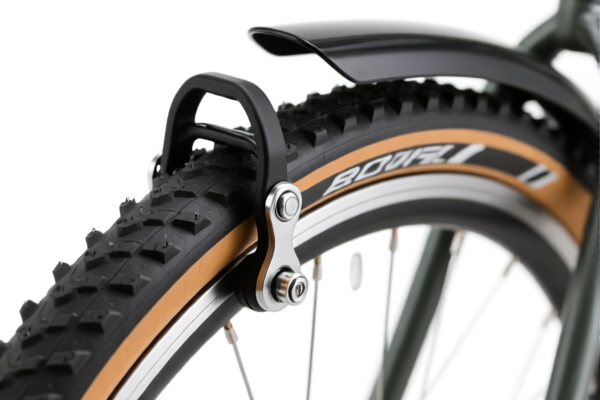
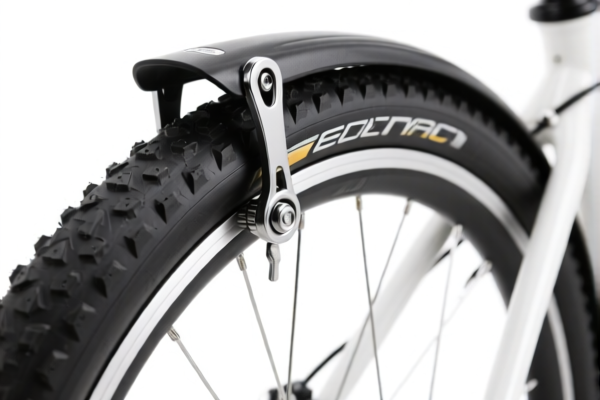
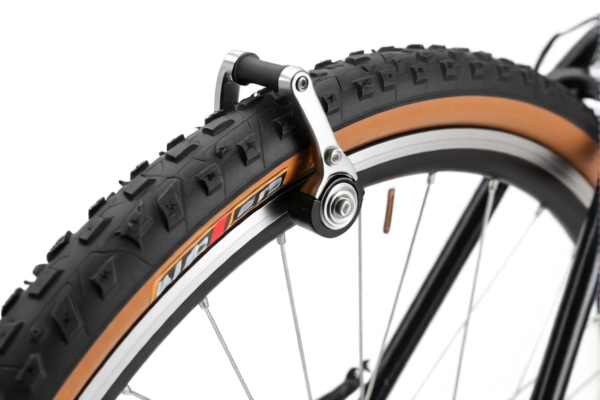
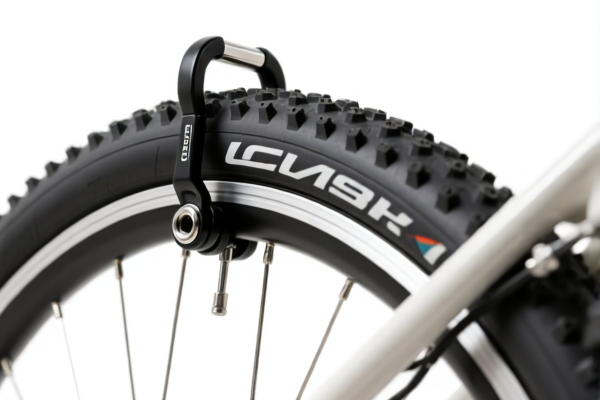
AI Analysis
🚲 Bicycle Accessories: Quick Release Skewer
🌐 HS Code Reference & Customs Clearance Guide | 2026 Latest Tariff Analysis | Professional Clearance Strategy
📌 I. Product Definition & Classification: Is It an Accessory or a Fastener?
A Quick Release Skewer (QRS) is a fundamental component in bicycle maintenance, allowing for the rapid attachment and removal of wheels. In international trade, the classification debate often hinges on whether it is viewed as a "part of a vehicle" (Accessories) or a "fastener" (Iron/Steel Screws, Nuts, Washers).
This distinction is critical because the tax burden differs significantly between the two categories due to Section 301 and Section 232 tariffs.
⚠️ Key Classification Logic:
- If declared broadly as a "Bicycle Accessory" (specific subheading for bike parts) → Higher Tax (~90%) due to specific material tariffs.
- If declared as a generic "Bicycle Part" (general parts category) → Medium Tax (~38.5%).
- If declared as a "Steel Fastener/Screw" (generic iron/steel hardware) → High Tax (~88%) due to Section 232 Steel Tariffs.
📦 II. HS Code Classification Details (2026 Latest Tariff Authority Match)
Based on the provided data, here are the four potential HS Codes and their corresponding tax implications. Note that while the total tax varies, the composition of the tax differs based on the specific tariff clauses applied.
| HS Code | Product Description (Summary) | Material/Category | Total Tax Rate | Key Tariff Components |
|---|---|---|---|---|
8302.49.60.55 |
Bicycle Accessory (Part); Metal; Vehicle Mounting/Accessory | Metal (Inferred) | 90.7% | Base: 5.7% Sec 301: 25.0% Sec 232 (Steel/Alum/Copper): 50% |
8302.49.80.50 |
Bicycle Part; Vehicle Spare Parts; Metal; Mounting/Accessory | Metal | 38.5% | Base: 3.5% Sec 301: 25.0% Sec 232: Not Applied (Generic Part Category) |
7318.29.00.00 |
Quick Release Device; Fastener; Iron/Steel | Iron/Steel | 87.8% | Base: 2.8% Sec 301: 25.0% Sec 232 (Steel/Alum/Copper): 50% |
7318.24.00.00 |
Quick Release (Pin/Locating Pin); Fastener; Iron/Steel | Iron/Steel | 88.8% | Base: 3.8% Sec 301: 25.0% Sec 232 (Steel/Alum/Copper): 50% |
🔍 Critical Insight:
-8302.49.80.50is the most tax-efficient option among the provided codes (38.5%), as it avoids the punitive 50% Section 232 Steel Tariff. This code classifies the item as a general "bicycle part" rather than a specific "bicycle accessory" (which triggers the steel tariff in8302.49.60.55) or a generic "steel fastener" (which triggers the steel tariff in7318series).
- Codes8302.49.60.55,7318.29.00.00, and7318.24.00.00all incur an additional 50% tariff under Section 232 because they are explicitly categorized as steel, aluminum, or copper products or specific accessories/fasteners made from steel.
💰 III. 2026 Latest Tariff Rate Breakdown (Including Surcharges)
✅ Applicable Country: United States (US)
✅ Country of Origin: China (CN)
✅ Effective Date: Current trade policies (Section 301 & 232)
🎯 1. The "High-Tax" Trap: 8302.49.60.55 & 7318.29/24 Series
For codes 8302.49.60.55, 7318.29.00.00, and 7318.24.00.00, the tariff structure is punitive:
| Item | Detail |
|---|---|
| Base Duty | 2.8% – 5.7% (varies by specific subheading) |
| Section 301 Duty | +25.0% (Targeted at Chinese goods) |
| Section 232 Duty | +50.0% (Applied to Steel, Aluminum, Copper articles) |
| Total Effective Rate | 87.8% – 90.7% |
| Calculation | (CIF Value + Base Duty + Sec 301) × 1.5 (approx. compounding effect depending on specific calculation method, but effectively ~90%) |
| De Minimis Exemption | ❌ Not Applicable (Deny de minimis for these high-duty categories) |
| Legal Basis | Section 232 (Steel/Alum) + Section 301 (China) + USITC Footnotes |
📌 Explanation:
- The 50% Section 232 tariff is applied because the quick release skewer is predominantly made of steel or aluminum alloy.
- When classified under8302.49.60.55(Specific Bicycle Accessory) or7318(Iron/Steel Fasteners), customs authorities classify the material as "Steel Product," triggering the maximum steel tariff.
- Result: You pay nearly 90 cents in tax for every $1 of product value. This is financially unsustainable for most volume shipments.
🎯 2. The "Strategic" Option: 8302.49.80.50
For code 8302.49.80.50, the tariff structure is more moderate:
| Item | Detail |
|---|---|
| Base Duty | 3.5% |
| Section 301 Duty | +25.0% |
| Section 232 Duty | 0% (Not applied as it is classified as a generic "part" not triggering the specific steel accessory fastener clause in the same way) |
| Total Effective Rate | 38.5% |
| Calculation | (CIF Value + Base Duty) × 1.25 |
| De Minimis Exemption | ❌ Not Applicable |
| Legal Basis | Section 301 + General Parts Classification |
📌 Strategic Advantage:
- By classifying the Quick Release Skewer as a general "Bicycle Part" (8302.49.80.50) rather than a specific "Accessory" or "Fastener," you avoid the 50% Section 232 Steel Tariff.
- Savings: You save approximately 52% in total tax compared to the other codes (38.5% vs 90.7%).
- Risk: You must ensure the product description and commercial invoice clearly state "Bicycle Part" and not "Steel Fastener" or "Bicycle Accessory (specific)" to justify this classification.
🛠️ IV. Customs Clearance Operational Advice (Real-World Pitfall Guide)
✅ 1. Documentation Checklist (Non-Negotiable)
| Document | Required? | Notes |
|---|---|---|
| ✅ Commercial Invoice | ✔️ | Must list "Bicycle Part: Quick Release Skewer" (HS 8302.49.80.50) to support the 38.5% rate. Avoid words like "Steel Screw" or "Fastener" in the main description. |
| ✅ Product Photos | ✔️ | Show the item clearly. Ensure it looks like a bicycle component, not a generic industrial bolt. |
| ✅ Material Composition | ✔️ | Declare material (e.g., "Aluminum Alloy" or "Steel"). While both trigger tariffs, the classification as a "part" vs "fastener" is the key to avoiding the 50% add-on. |
| ✅ Packing List | ✔️ | Must match the invoice exactly. No missing items. |
| ✅ Origin Certificate | ✔️ | Required to prove Origin: China (CN) for Section 301 calculation. |
✅ 2. Classification Strategy (The Golden Rule)
🔥 "Part over Accessory, Avoid Fastener Label!"
| Scenario | Recommended HS Code | Total Tax | Why? |
|---|---|---|---|
| Intended Classification | 8302.49.80.50 |
38.5% | ✅ Best Rate. Classifies as general bicycle part. Avoids Section 232 steel surcharge. |
| Risk Classification | 8302.49.60.55 |
90.7% | ❌ High Risk. If customs interprets "Accessory" strictly as a steel-mounted component, the 50% steel tariff applies. |
| Risk Classification | 7318.29/24 |
88.8% | ❌ High Risk. Calling it a "Fastener" or "Pin" triggers Section 232 steel tariffs immediately. |
📌 Actionable Advice:
- Do NOT use terms like "Steel Bolt," "Nut," or "Fastener" in the product title or description if you want to avoid the 50% Section 232 tariff.
- DO use terms like "Bicycle Component," "Wheel Attachment Part," or "Quick Release Mechanism."
- Consult a Customs Broker: Before shipping large volumes, request a Pre-Ruling (Advance Ruling) from CBP for HS8302.49.80.50to lock in the 38.5% rate.
✅ 3. Special Situations
| Situation | Handling Advice |
|---|---|
| Mixed Shipments | If shipping bikes + parts, declare parts separately. Do not bundle them into a single line item if it obscures the nature of the part. |
| Material Change | If the skewer is made of Carbon Fiber or Plastic (rare for skewers but possible for non-structural parts), the Section 232 Steel Tariff may not apply. However, standard skewers are metal. |
| De Minimis (Section 321) | ❌ Not Available. Even for small packages (<$800), Section 301 and 232 tariffs typically override de minimis exemptions for Chinese-origin goods in these categories. |
🌍 V. Global Market Comparison (2026 Outlook)
| Region | Recommended HS Code | Est. Tax (China Origin) | Notes |
|---|---|---|---|
| 🇺🇸 USA | 8302.49.80.50 |
38.5% | Optimal Choice. Avoids 50% steel tariff. |
| 🇺🇸 USA (Risk) | 7318.24.00.00 |
88.8% | Avoid. High steel tariff. |
| 🇪🇺 EU | 7318.15 or 8714.90 |
~4.5% - 8% | Generally lower tariffs. No Section 301/232. |
| 🇨🇳 China (Import) | 7318.15 or 8714.90 |
~5% - 10% | Standard rates. No retaliatory tariffs. |
📌 Conclusion:
For US Imports, the classification of "Bicycle Part" (8302.49.80.50) is the only viable path to keep costs manageable. The difference between 38.5% and 90.7% is 52.2%, which can eliminate profit margins entirely.
📌 VI. Common Errors & Pitfalls (Lessons Learned)
❌ Error 1: Declaring as "Steel Fastener"
👉 Consequence: Triggers 50% Section 232 Tariff → Total Tax 88.8%.
👉 Fix: Use "Bicycle Part" or "Component."
❌ Error 2: Assuming "Accessory" means lower tax
👉 Consequence: Code 8302.49.60.55 has the highest tax (90.7%) because it combines Section 301 + Section 232 Steel Tariff.
👉 Fix: Use the broader "Part" code 8302.49.80.50 if acceptable by CBP.
❌ Error 3: Ignoring Material Declaration
👉 Consequence: If material is ambiguous, customs may default to the highest duty rate or require a lab test.
👉 Fix: Clearly state "Aluminum Alloy" or "Steel" on the invoice.
🎯 VII. Conclusion: Professional Classification Saves Money
🎯 Key Takeaway:
🔹 "Don't call it a Fastener. Don't call it a Specific Accessory. Call it a BICYCLE PART."
🔹 HS8302.49.80.50= 38.5% Tax.
🔹 HS8302.49.60.55or7318= 88-90% Tax.
📌 Immediate Action:
1. Update Product Descriptions: Remove "Fastener," "Bolt," "Nut." Use "Bicycle Part," "Wheel Attachment."
2. Confirm HS Code: Verify with your customs broker that 8302.49.80.50 is accepted for Quick Release Skewers.
3. Document Everything: Ensure commercial invoices clearly support the "Part" classification to defend against audits.
📣 Pro Tip:
If you are importing high volumes, consider applying for a CBP Pre-Ruling. A written confirmation of your HS Code classification provides legal protection against retrospective audits and penalties.
✨ Accurate Classification = Lower Costs = Higher Profit.
💼 Don't let a 52% tax difference erase your margin!
Customer Reviews
About HS Code Classification
The Harmonized System (HS) is an internationally standardized nomenclature developed by the World Customs Organization (WCO) to classify traded products. Over 200 countries use the HS system as the basis for customs tariffs, trade statistics, and import/export regulations.
Each HS code follows a hierarchical structure:
- Chapter (2 digits) — Broad category of goods (e.g., Chapter 84: Machinery and Mechanical Appliances)
- Heading (4 digits) — More specific grouping within the chapter
- Subheading (6 digits) — Internationally standardized breakdown, used by all WCO member countries
- National subdivisions (8-10 digits) — Country-specific extensions for further classification, such as US HTSUS 10-digit codes
Correct HS code classification is essential for smooth customs clearance, accurate duty payment, and compliance with trade regulations. Misclassification can lead to customs delays, overpayment of duties, or penalties.
When importing from CN to US, the applicable tariff rates may include:
- Most-Favored-Nation (MFN) rate — The standard duty rate applied to WTO members
- General rate — Applied to countries without trade agreements
- Trade remedy duties — Additional tariffs such as Section 301 (anti-dumping), Section 232 (national security), or countervailing duties
The information provided on this page is for reference purposes only. For official classification, please consult with your local customs authority or a licensed customs broker.