Bicycle Bag
CN → US| HS Code | Tariff Rate | Origin | Destination | Doc |
|---|---|---|---|---|
| 6307909891 | 24.5% | CN | US | Official Doc |
| 4202923900 | 52.6% | CN | US | Official Doc |
| 8714998000 | 27.5% | CN | US | Official Doc |
| 6307909875 | 17.0% | CN | US | Official Doc |
| 4202924500 | 55.0% | CN | US | Official Doc |
Product Images
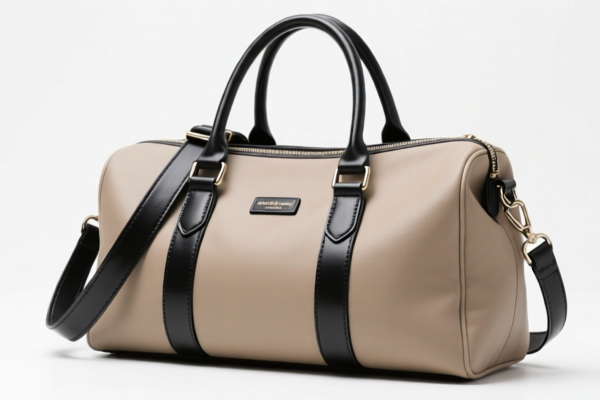
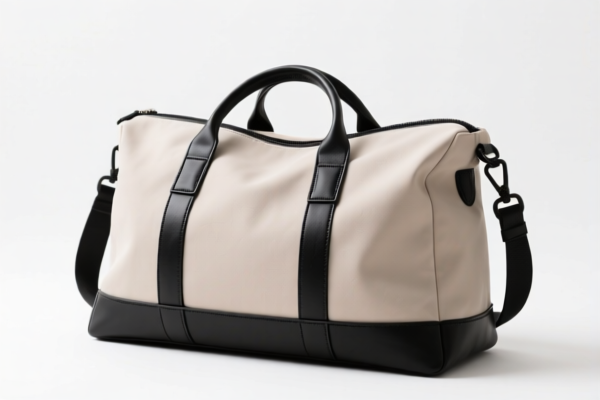
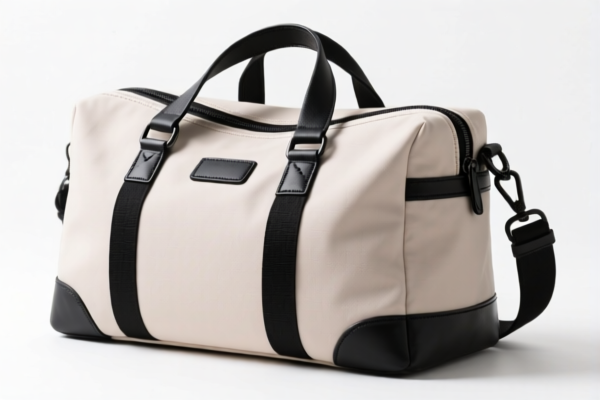
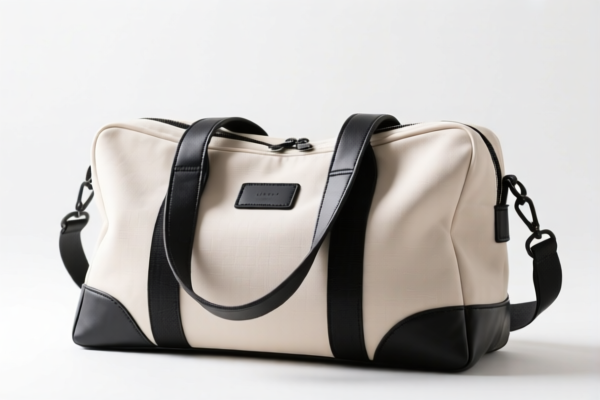
AI Analysis
🚴♂️ Bicycle Bag (Sports Bags / Accessories)
🌐 HS Code Reference & Customs Clearance Guide | 2026 Latest Tariff Analysis | Professional Compliance Strategy 📌 Part I: Product Definition & Classification: Do You Really Understand "Bicycle Bags"?
Bicycle bags are specialized carriers designed for cyclists, ranging from panniers (side bags) and handlebar bags to frame bags and seat packs. In international trade, they are primarily classified under Chapter 42 (Articles of Leather; Saddle and Harness) or Chapter 63 (Other Made Up Textile Articles).
The critical distinction lies in the material and the primary function:
- Sports/Similar Bags (Chapter 42): Bags specifically shaped or designed for sports (including cycling), made of textile materials, plastic sheets, or leather. These fall under 4202.92.
- Other Made-up Textile Articles (Chapter 63): Generic textile bags, tool rolls, or carriers not specifically designated for sports use, or made of materials not covered under Chapter 42. These fall under 6307.90.
⚠️ Key Distinction Point: - If the bag is explicitly designed for sports/cycling use (e.g., panniers with strap systems for bike frames, helmets, sport-specific shapes) and made of textile/plastic → Chapter 42. - If the bag is a generic carrier (e.g., a simple canvas tote, tool roll not specifically for sports, or generic mesh bag) → Chapter 63.
📦 Part II: HS Code Classification Details (2026 Latest Tariff Authority Comparison)
Based on the provided data, here are the specific classifications for Bicycle Bags and related items:
| HS Code | Product Description | Applicable Scenario | Material/Feature |
|---|---|---|---|
4202.92.39.00 |
Other sports/similar bags, outer surface of textile materials | Panniers, handlebar bags, saddlebags made of fabric/textile | ✅ Textile Material |
4202.92.45.00 |
Other sports/similar bags, outer surface of textile materials or plastic sheets | Sport bags with mixed material surfaces (textile + plastic/TPU coating) | ✅ Textile/Plastic |
6307.90.98.91 |
Other made-up textile articles (generic carrier) | Generic textile carriers, tool rolls not specifically sports-designed | ✅ Textile/Synthetic |
6307.90.98.75 |
Other made-up textile articles (generic carrier) | Generic textile bags with lower tax profile (non-sports specific) | ✅ Textile/Synthetic |
8714.99.80.00 |
Parts and accessories of vehicles (non-specific) | Bicycle accessories that are not bags (e.g., baskets, tool kits not classified as bags) | ✅ Vehicle Accessory |
🔍 Important Reminder: - Sports bags (Chapter 42) generally attract higher tariffs due to additional duties (Section 301/122). - Generic textile articles (Chapter 63) may have lower tariffs, but must NOT be described as "sports bags" to avoid misclassification. - If the item is a basket or tool kit not considered a "bag," it may fall under 8714 (Bicycle Parts), but note that this also carries significant tariffs.
💰 Part III: 2026 Latest Tariff Rate Breakdown (Including Additional Duties & Policy Surcharges)
✅ Applicable Country: United States (US)
✅ Country of Origin: China (CN)
✅ Effective Date: 2025/2026 Import Cycle
🎯 1. 4202.92.39.00 —— Sports Bags (Textile Material)
| Item | Content |
|---|---|
| Base Tariff | 17.6% (ad valorem) |
| Additional Tariff (Section 301/122) | +25.0% |
| 122 Clause Tariff | +10.0% |
| Total Tariff Rate | 52.6% |
| Tax Calculation | CIF Value × 52.6% |
| De Minimis Exemption | ❌ Not Eligible |
| Legal Basis Path | Base Rate → Section 301 Add-on → 122 Clause Add-on |
📌 Explanation: - This classification applies to sports-specific bags made of textile. - The 52.6% total rate is extremely high due to the combination of base tariff, Section 301 additional duties, and specific 122 clause surcharges. - Risk: High probability of customs scrutiny regarding "sports use" definition.
🎯 2. 4202.92.45.00 —— Sports Bags (Textile/Plastic Material)
| Item | Content |
|---|---|
| Base Tariff | 20.0% (ad valorem) |
| Additional Tariff (Section 301/122) | +25.0% |
| 122 Clause Tariff | +10.0% |
| Total Tariff Rate | 55.0% |
| Tax Calculation | CIF Value × 55.0% |
| De Minimis Exemption | ❌ Not Eligible |
| Legal Basis Path | Base Rate → Section 301 Add-on → 122 Clause Add-on |
📌 Note: - Applies to bags with plastic sheets or mixed materials on the outer surface. - Highest tariff rate in the dataset. Avoid misclassifying generic bags as sports bags if seeking lower rates, but do not misclassify sports bags as generic to evade duties.
🎯 3. 8714.99.80.00 —— Bicycle Parts/Accessories (Non-Bag)
| Item | Content |
|---|---|
| Base Tariff | 10.0% (ad valorem) |
| Additional Tariff (Section 301/122) | +7.5% |
| 122 Clause Tariff | +10.0% |
| Total Tariff Rate | 27.5% |
| Tax Calculation | CIF Value × 27.5% |
| De Minimis Exemption | ❌ Not Eligible |
| Legal Basis Path | Base Rate → Section 301 Add-on → 122 Clause Add-on |
📌 Caution: - Only applicable if the item is NOT a bag but a part/accessory (e.g., a rigid basket, a specialized tool holder). - If declared as a "bag" but classified here, customs will reject or reclassify.
🎯 4. 6307.90.98.91 —— Other Made-Up Textile Articles (Generic)
| Item | Content |
|---|---|
| Base Tariff | 7.0% (ad valorem) |
| Additional Tariff (Section 301/122) | +7.5% |
| 122 Clause Tariff | +10.0% |
| Total Tariff Rate | 24.5% |
| Tax Calculation | CIF Value × 24.5% |
| De Minimis Exemption | ❌ Not Eligible |
| Legal Basis Path | Base Rate → Section 301 Add-on → 122 Clause Add-on |
📌 Explanation: - Lower tariff than sports bags, but only for generic textile articles. - Cannot be used for items explicitly marketed as "bicycle panniers" or "sports bags."
🎯 5. 6307.90.98.75 —— Other Made-Up Textile Articles (Generic, Lower Surcharge)
| Item | Content |
|---|---|
| Base Tariff | 7.0% (ad valorem) |
| Additional Tariff (Section 301/122) | 0.0% |
| 122 Clause Tariff | +10.0% |
| Total Tariff Rate | 17.0% |
| Tax Calculation | CIF Value × 17.0% |
| De Minimis Exemption | ❌ Not Eligible |
| Legal Basis Path | Base Rate → No Additional Tariff → 122 Clause Add-on |
📌 Best Option for Generic Items: - If the item can be legitimately classified as a generic textile carrier (not sports-specific), this offers the lowest total tariff of 17.0%. - Crucial: Description must NOT mention "bicycle," "sports," or "pannier."
🛠️ Part IV: Customs Clearance Practical Advice (Avoiding Pitfalls)
✅ 1. Document Preparation Checklist (Mandatory)
| Document | Required | Notes |
|---|---|---|
| ✅ Product Specification Sheet | ✔️ | Include dimensions, weight, material composition (e.g., "100% Polyester," "TPU Coated Nylon") |
| ✅ Product Photos (Labeled) | ✔️ | Show how it attaches to the bike. If it has "SPORTS" branding, customs may classify it under Ch 42. |
| ✅ Commercial Invoice | ✔️ | Description must match HS code. Avoid "Sports Bag" if using Ch 63. |
| ✅ Packing List | ✔️ | List components separately if bundled (e.g., bag + straps). |
| ✅ Material Declaration | ✔️ | Clearly state if plastic sheets are involved (affects 4202.92.45.00 vs .39.00). |
✅ 2. Declaration Tips (Key Strategies)
🔥 "Material Defines Code, Function Defines Category"
| Scenario | Correct Declaration | Risk |
|---|---|---|
| Cycling Pannier (Textile) | "Sports Bag, Textile Material, for Bicycle Use" → 4202.92.39.00 |
High Tariff (52.6%) |
| Cycling Pannier (Mixed) | "Sports Bag, Textile/Plastic Outer Surface" → 4202.92.45.00 |
Highest Tariff (55.0%) |
| Generic Tool Roll (Textile) | "Textile Carrier Roll, Not for Sports" → 6307.90.98.75 |
Lowest Tariff (17.0%) |
| Generic Mesh Bag | "Textile Carrier Bag, General Use" → 6307.90.98.91 |
Medium Tariff (24.5%) |
| Bicycle Basket (Metal/Plastic) | "Bicycle Accessory, Non-Textile" → 8714.99.80.00 |
Medium Tariff (27.5%) |
📌 Critical Warning: - Do NOT declare a generic bag as a "sports bag" to use a lower rate if it IS a sports bag. - Do NOT declare a sports bag as a "generic carrier" to avoid high tariffs. This is customs fraud and leads to seizures, fines, and loss of import privileges.
✅ 3. Special Handling Scenarios
| Situation | Handling Advice |
|---|---|
| OEM Custom Sports Bags | Provide design files showing sports-specific features (straps, shapes). Expect Ch 42 classification. |
| Multi-Purpose Bags | If a bag can be used for cycling AND hiking, declare as Sports Bag (Ch 42) to be safe, or consult a specialist for "Principal Use" argument. |
| Bag + Straps + Buckles | Declare as one item (the bag). Do not split components. |
| Plastic-Coated Textile | If outer surface has plastic, use 4202.92.45.00. Do not under-declare as pure textile. |
🌍 Part V: Global Market Comparison (2026 Latest)
| Country/Region | Recommended HS Code | Tariff (China Origin) | Certification | Notes |
|---|---|---|---|---|
| 🇺🇸 USA | 4202.92.39.00 |
52.6% | None Specific | Highest due to 301/122 duties. |
| 🇺🇸 USA | 6307.90.98.75 |
17.0% | None Specific | Only for non-sports generic bags. |
| 🇪🇺 EU | 4202.92.39 |
~4.5% | CE (if applicable) | No Section 301/122 equivalent. |
| 🇨🇳 China | 4202.92.39 |
~10-15% | CCC (if applicable) | Lower duties. |
📌 Conclusion: - USA is the most expensive market for bicycle bags due to layered tariffs. - Cost Saving Strategy: If the product can be legitimately marketed as a generic tool carrier or non-sports textile bag, use
6307.90.98.75to reduce tariffs from 52.6% to 17.0%. - Legal Compliance: Only use generic classification if the bag is NOT primarily designed for sports.
📌 Part VI: Common Mistakes & Pitfalls (Lessons Learned)
❌ Mistake 1: Declaring a sports pannier as a "Textile Carrier" to get 17.0% rate. 👉 Consequence: Customs audit → Reclassification to 4202.92.39.00 → Back taxes + Penalties + Seizure.
❌ Mistake 2: Splitting a bag + straps into two shipments. 👉 Consequence: Customs considers them one unit → Higher duty on straps + penalties.
❌ Mistake 3: Ignoring the 122 Clause. 👉 Consequence: All classifications in this dataset include a 10% or 7.5% surcharge. Forgetting to budget for this leads to cash flow issues.
✅ Correct Approach:
"Bicycle Pannier, Textile Material, Sports Use, Model XYZ" → 4202.92.39.00 (Accept 52.6% cost) "Generic Tool Roll, Textile, General Use, Model ABC" → 6307.90.98.75 (Target 17.0% cost)
🎯 Part VII: Conclusion: Professional Classification, Cost Optimization!
🎯 Remember the Strategy:
🔹 "Sports Bag = High Tariff (52-55%).
🔹 "Generic Carrier = Lower Tariff (17-24.5%).
🔹 "Don't Lie, Don't Hide. Classify Accurately or Pay the Price."
📌 Pro Tip:
If your bicycle bag is exported from Vietnam or Mexico, check for IEEPA exemptions or USMCA/GSP benefits. China-origin goods face the highest penalties. Consider supply chain diversification if tariffs exceed profit margins.
📣 Immediate Action:
📞 Consult a Customs Broker to review your product samples. 📄 Request an Advance Ruling from US CBP if unsure about classification. 🚀 Optimize Your Supply Chain to mitigate 50%+ tariff risks.
✨ Professional Clearance Starts with Accurate Classification! 💼 Every Percent of Duty Saved is Pure Profit!
Customer Reviews
About HS Code Classification
The Harmonized System (HS) is an internationally standardized nomenclature developed by the World Customs Organization (WCO) to classify traded products. Over 200 countries use the HS system as the basis for customs tariffs, trade statistics, and import/export regulations.
Each HS code follows a hierarchical structure:
- Chapter (2 digits) — Broad category of goods (e.g., Chapter 84: Machinery and Mechanical Appliances)
- Heading (4 digits) — More specific grouping within the chapter
- Subheading (6 digits) — Internationally standardized breakdown, used by all WCO member countries
- National subdivisions (8-10 digits) — Country-specific extensions for further classification, such as US HTSUS 10-digit codes
Correct HS code classification is essential for smooth customs clearance, accurate duty payment, and compliance with trade regulations. Misclassification can lead to customs delays, overpayment of duties, or penalties.
When importing from CN to US, the applicable tariff rates may include:
- Most-Favored-Nation (MFN) rate — The standard duty rate applied to WTO members
- General rate — Applied to countries without trade agreements
- Trade remedy duties — Additional tariffs such as Section 301 (anti-dumping), Section 232 (national security), or countervailing duties
The information provided on this page is for reference purposes only. For official classification, please consult with your local customs authority or a licensed customs broker.