Bicycle Frame Bag
CN → US| HS Code | Tariff Rate | Origin | Destination | Doc |
|---|---|---|---|---|
| 6307909875 | 17.0% | CN | US | Official Doc |
| 6307909891 | 24.5% | CN | US | Official Doc |
| 8714998000 | 27.5% | CN | US | Official Doc |
| 4202923900 | 52.6% | CN | US | Official Doc |
| 4202924500 | 55.0% | CN | US | Official Doc |
Product Images
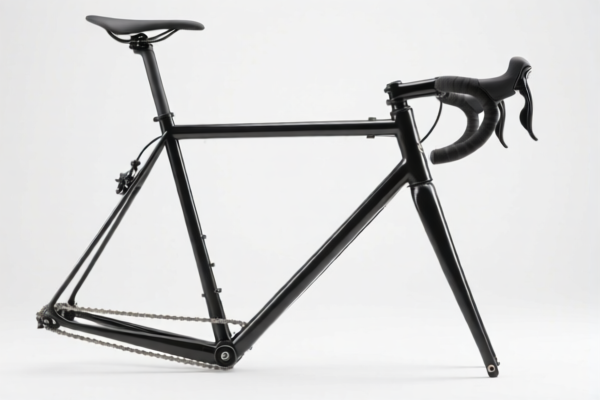
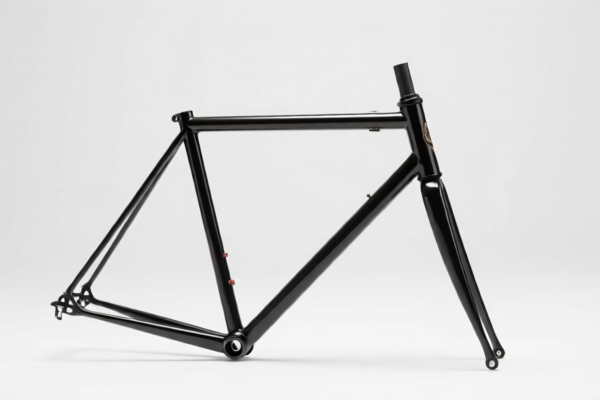
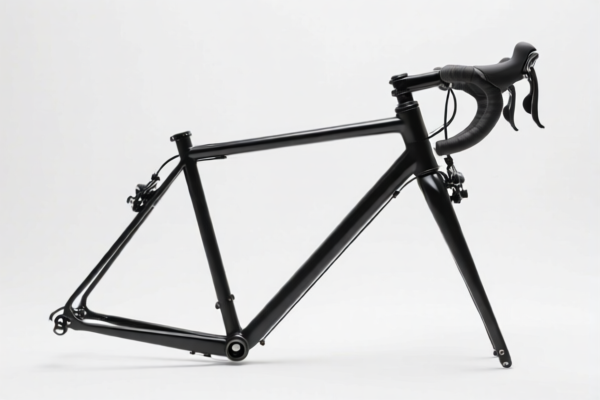

AI Analysis
🚴♂️ Bicycle Frame Bag: HS Code Classification & 2026 Customs Clearance Strategy
🌐 HS Code Reference & Customs Guide | 2026 Latest Tariff Analysis | Professional Clearance Strategy
Bicycle Frame Bags are essential accessories for cyclists, designed to store essentials (tools, snacks, phones) within the bicycle frame triangle. In international trade, their classification is critical because they can be classified as either general textiles, plastic articles, or vehicle accessories, leading to massive tariff differences (from 17% to 55%).
Below is the detailed breakdown based on the provided data, explaining why each HS Code applies and the corresponding tax implications.
⚠️ Key Insight:
The difference in tax rates is 38 percentage points (17% vs 55%)!
Choosing the wrong HS Code can result in unexpected costs or customs delays.
The classification depends on the material (Textile vs. Plastic) and the specific design (General Use vs. Sports Specific).
📦 I. HS Code Classification Details (Why Each Code Applies)
Based on the provided data, here are the 5 possible HS Codes, ranked from lowest to highest tax burden.
| HS Code | Product Description | Why It Fits (Classification Logic) | Total Tax Rate |
|---|---|---|---|
| 6307.90.98.75 | Other Made-Up Articles | The bag is treated as a general finished textile product. It is not specifically designed as a "sporting goods bag" but as a general utility item made of fabric/synthetic material. | 17.0% |
| 6307.90.98.91 | Other Made-Up Articles | Similar to above, but likely subject to additional Section 301 tariffs due to specific trade restrictions on general textile accessories. Treated as a generic textile good. | 24.5% |
| 8714.99.80.00 | Parts and Accessories of Vehicles | Classified as a bicycle accessory. Since it is specifically designed to attach to and function with a bicycle frame, it falls under "Parts and Accessories of bicycles." | 27.5% |
| 4202.92.39.00 | Trunks, Cases, Bags... | Classified as a luggage/bag. Specifically, it is seen as a bag with an outer surface of textile materials, not necessarily for sports, but for general storage. | 52.6% |
| 4202.92.45.00 | Trunks, Cases, Bags... | Classified as a luggage/bag with an outer surface of textile materials or plastic sheets. This is the most specific "bag" classification but carries the highest duty. | 55.0% |
💰 II. 2026 Tariff Breakdown (Detailed Tax Clauses)
✅ Applicable Country: United States (US)
✅ Origin: China (CN)
✅ Effective Date: Current tariffs apply (including Section 122/301 measures)
🎯 1. 6307.90.98.75 – The "Lowest Risk" Option
Classification: Other made-up articles (Textile/Synthetic) Why Low Tax? It avoids the "Sporting Goods" and "Vehicle Parts" high-duty categories. It is treated as a simple textile product.
| Item | Detail |
|---|---|
| Base Tariff | 7.0% |
| Section 301 Tariff | 0.0% (Specific exemption or lower tier applied to this sub-code) |
| Section 122 Tariff | 10.0% |
| Total Tax | 17.0% |
| Legal Basis | HTS:6307.90.98.75 |
📌 Explanation:
- This is the most cost-effective classification if the bag can be argued as a general utility item rather than a specialized bike part or sports bag. - Note: You must ensure the product does not explicitly advertise as a "Sports Bag" or "Bike Accessory" in a way that forces the higher classification.
🎯 2. 6307.90.98.91 – The "General Textile" Option
Classification: Other made-up articles (Generic)
| Item | Detail |
|---|---|
| Base Tariff | 7.0% |
| Section 301 Tariff | 7.5% |
| Section 122 Tariff | 10.0% |
| Total Tax | 24.5% |
| Legal Basis | HTS:6307.90.98.91 |
📌 Explanation:
- Slightly higher than the code above due to the inclusion of Section 301 tariffs. - Still significantly cheaper than the "Vehicle Parts" or "Luggage" categories.
🎯 3. 8714.99.80.00 – The "Bicycle Accessory" Option
Classification: Parts and Accessories of Bicycles Why Higher Tax? Bicycles and their parts are often subject to higher duties to protect domestic manufacturing or due to trade policies.
| Item | Detail |
|---|---|
| Base Tariff | 10.0% |
| Section 301 Tariff | 7.5% |
| Section 122 Tariff | 10.0% |
| Total Tax | 27.5% |
| Legal Basis | HTS:8714.99.80.00 |
📌 Explanation:
- This is the most logical classification for a bike frame bag, as it is exclusively used with a bicycle. - However, the base duty (10%) is higher than the textile options (7%). - Risk: If customs determines it’s not a "part" but a "bag," you may face penalties for misclassification.
🎯 4. 4202.92.39.00 – The "Textile Bag" Option
Classification: Trunks, Cases, Bags (Outer Surface: Textile) Why High Tax? Bags are classified under Chapter 42, which has high base duties and significant Section 301 penalties.
| Item | Detail |
|---|---|
| Base Tariff | 17.6% |
| Section 301 Tariff | 25.0% |
| Section 122 Tariff | 10.0% |
| Total Tax | 52.6% |
| Legal Basis | HTS:4202.92.39.00 |
📌 Explanation:
- This classifies the item as a luggage item, not a bike part or simple textile. - The 25% Section 301 tariff is the main driver of cost. - Use this only if the bag is marketed as a general-purpose textile bag, not specifically for bikes.
🎯 5. 4202.92.45.00 – The "Plastic/Textile Bag" Option
Classification: Trunks, Cases, Bags (Outer Surface: Textile or Plastic Sheets) Highest Tax Rate: This is the most expensive classification, effectively penalizing the product for being a "specialized bag."
| Item | Detail |
|---|---|
| Base Tariff | 20.0% |
| Section 301 Tariff | 25.0% |
| Section 122 Tariff | 10.0% |
| Total Tax | 55.0% |
| Legal Basis | HTS:4202.92.45.00 |
📌 Explanation:
- This code often applies to bags with plastic-coated textile or synthetic materials that fit the "luggage" definition strictly. - Avoid this classification unless necessary, as it costs 3.8% more than the previous code and 38% more than the lowest option.
🛠️ III. Customs Clearance Practical Advice (Avoiding Pitfalls)
✅ 1. Document Preparation Checklist
| Document | Requirement | Why It Matters |
|---|---|---|
| Product Specifications | Must clearly state Material (e.g., "100% Polyester," "TPU Coated Nylon") and Construction | Determines if it’s 6307 (Textile) or 4202 (Bag). |
| Usage Description | "Accessory for bicycle frame storage" vs. "General purpose pouch" | Supports 8714 (Bike Part) or 6307 (General Article). |
| Photos | Clear images of the bag attached to a bike frame | Proves it is a bike accessory (8714), not just a generic bag. |
| Commercial Invoice | List unit price, quantity, and HS Code | Must match the declared classification. Discrepancies cause delays. |
| Packing List | Detail contents (e.g., "Bag + Straps") | Ensures no hidden components (like electronics) trigger different codes. |
✅ 2. Strategic Classification Tips
🔥 "Claim it as a Bike Part, Save as a Textile, Avoid Luggage!"
| Strategy | Recommended HS Code | Benefit |
|---|---|---|
| Best for Cost | 6307.90.98.75 (17%) |
Lowest tax. Argue it’s a "made-up textile article" for general use. |
| Most Logical | 8714.99.80.00 (27.5%) |
Most accurate for a bike-specific item. Justifiable with photos. |
| Worst for Cost | 4202.92.45.00 (55%) |
Avoid unless forced by material (e.g., heavy plastic coating). |
⚠️ Critical Warning:
- If you declare as8714(Bike Part) but customs views it as a4202(Bag), you will face retroactive duties + penalties.
- If you declare as6307(Textile) but the product is clearly a "sports bag," customs may reclassify it to4202(55%).
- Recommendation: Provide photos of the bag on a bike and marketing materials showing it is designed specifically for cycling to support8714or6307.
✅ 3. Special Cases
| Scenario | Advice |
|---|---|
| Bag has Electronics (e.g., USB port) | Do NOT classify as 8714 or 6307. It may fall under Chapter 85 (Electrical), which has different duties. |
| Bag is Made of Leather | Check if it falls under 4202 (Leather Bags). Tax may be similar to 4202 codes (~55%). |
| Bag is a "Pannier" (Hanging on rear) | Still often classified as 8714 (Bike Accessory) if designed specifically for bikes. |
| Bundle Sales (Bag + Bike) | The bag’s duty may be absorbed or split. Consult a customs broker for bundled shipment strategies. |
🌍 IV. Global Market Comparison (2026)
| Country | Recommended HS Code | Est. Tax (China Origin) | Notes |
|---|---|---|---|
| 🇺🇸 USA | 6307.90.98.75 or 8714.99.80.00 |
17% or 27.5% | High Section 301/122 tariffs. Choose wisely. |
| 🇨🇳 China | 6307.90.98.75 |
~10-17% | Import tax + VAT. Lower than US. |
| 🇪🇺 EU | 6307.90.98.75 |
~14.5% | No Section 301 tariffs. |
| 🇬🇧 UK | 6307.90.98.75 |
~14.5% | Post-Brexit tariff structure. |
| 🇨🇦 Canada | 6307.90.98.75 |
~12.5% | CUSMA benefits may apply if assembled in US/Mexico. |
📌 Conclusion:
- USA has the highest and most complex tariff structure due to Section 301 and Section 122.
- EU/UK/Canada are more favorable, with no Section 301 penalties.
📌 V. Common Mistakes & Pitfalls (Lessons Learned)
❌ Mistake 1: Declaring as 8714 but the bag is not bike-specific (e.g., a generic pouch).
👉 Result: Customs reclassifies to 4202 (55%). Pay 27.5% more!
❌ Mistake 2: Declaring as 6307 but the bag is clearly a sports bag with branding.
👉 Result: Customs may challenge the classification. Delay + Inspection.
❌ Mistake 3: Ignoring Section 122 tariffs.
👉 Result: All categories listed include a 10% Section 122 tariff. Failing to account for this leads to underpayment.
❌ Mistake 4: Using "Bike Bag" in the description but declaring as 4202 (Luggage).
👉 Result: Unnecessarily high tax. Use 8714 or 6307 instead.
✅ Correct Approach:
Description: "Bicycle Frame Bag, Made of 600D Polyester, Designed to Mount on Bike Frame, Includes Straps and Reflectors."
HS Code:8714.99.80.00(27.5%) OR6307.90.98.75(17%) – Choose based on legal advice.
🎯 VI. Conclusion: Maximize Profit, Minimize Duty
🎯 Remember These Rules:
🔹 "Bike Part = 27.5% | General Textile = 17% | Luggage = 55%"
🔹 "Section 301 + Section 122 = The Tax Trap!"
🔹 "Photos Prove It’s a Bike Accessory!"💡 Pro Tip:
If your bag is simple, unbranded, and made of textile, try to classify under6307.90.98.75(17%) for maximum savings.
If it is highly specialized (e.g., integrates with bike computer), use8714.99.80.00(27.5%) for safety.
📣 Immediate Action:
📞 Contact a Customs Broker to review your product’s marketing materials and physical samples.
📦 Ensure HS Code6307.90.98.75or8714.99.80.00is used – Avoid4202unless forced.
🚀 Clear customs smoothly, save up to 38% in duties!
✨ Professional Clearance Starts with Accurate Classification!
💼 Every percentage point counts in your profit margin!
Customer Reviews
About HS Code Classification
The Harmonized System (HS) is an internationally standardized nomenclature developed by the World Customs Organization (WCO) to classify traded products. Over 200 countries use the HS system as the basis for customs tariffs, trade statistics, and import/export regulations.
Each HS code follows a hierarchical structure:
- Chapter (2 digits) — Broad category of goods (e.g., Chapter 84: Machinery and Mechanical Appliances)
- Heading (4 digits) — More specific grouping within the chapter
- Subheading (6 digits) — Internationally standardized breakdown, used by all WCO member countries
- National subdivisions (8-10 digits) — Country-specific extensions for further classification, such as US HTSUS 10-digit codes
Correct HS code classification is essential for smooth customs clearance, accurate duty payment, and compliance with trade regulations. Misclassification can lead to customs delays, overpayment of duties, or penalties.
When importing from CN to US, the applicable tariff rates may include:
- Most-Favored-Nation (MFN) rate — The standard duty rate applied to WTO members
- General rate — Applied to countries without trade agreements
- Trade remedy duties — Additional tariffs such as Section 301 (anti-dumping), Section 232 (national security), or countervailing duties
The information provided on this page is for reference purposes only. For official classification, please consult with your local customs authority or a licensed customs broker.