Bicycle Handlebar Extender
CN → US| HS Code | Tariff Rate | Origin | Destination | Doc |
|---|---|---|---|---|
| 8712005000 | 0.0% | CN | US | Official Doc |
| 8714998000 | 27.5% | CN | US | Official Doc |
| 8712004800 | 46.0% | CN | US | Official Doc |
| 8714996000 | 17.5% | CN | US | Official Doc |
| 8714998000 | 27.5% | CN | US | Official Doc |
Product Images
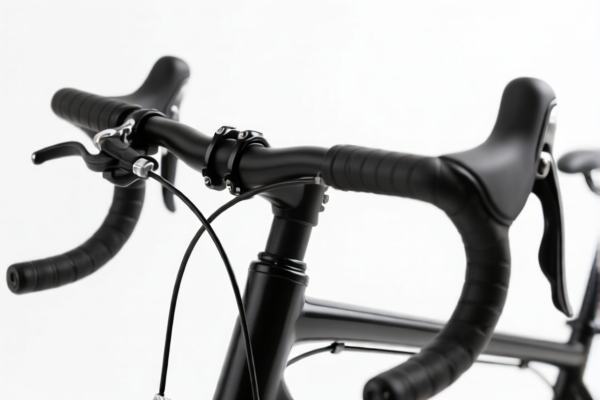
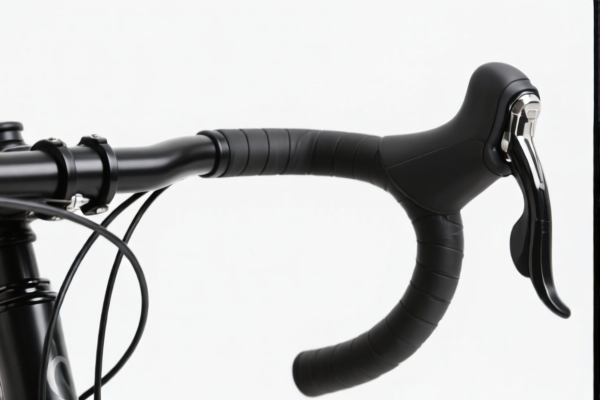
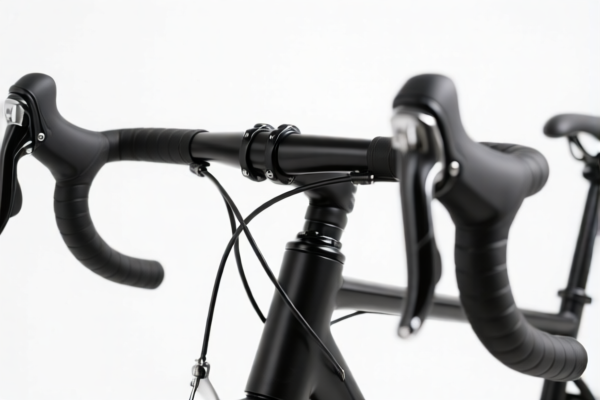
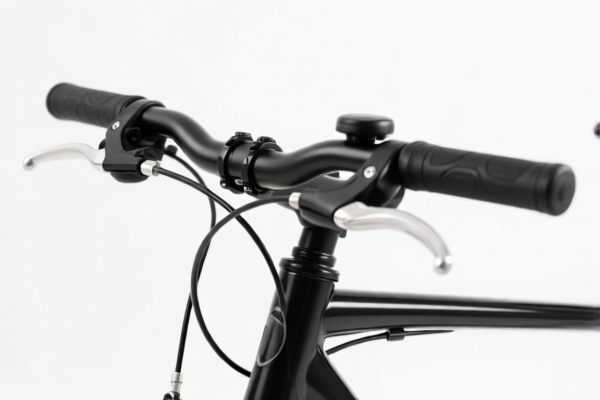
AI Analysis
🚲 Bicycle Handlebar Extender (Bar Ends / Extensions)
🌐 HS Code Reference & Customs Clearance Guide | 2026 Latest Tariff Analysis | Professional Clearance Strategy
📌 Part 1: Product Definition & Classification: What Exactly is a "Handlebar Extender"?
A Bicycle Handlebar Extender (often referred to as "Bar Ends," "Comfort Grips," or "Extensions") is an accessory attached to the ends of a bicycle handlebar. Its primary purpose is to provide riders with multiple hand positions to reduce fatigue during long rides, improve aerodynamics, or offer a grip for climbing.
In international trade, its classification depends heavily on material composition, function, and whether it is considered a "part of the bicycle" vs. a "part of the vehicle."
⚠️ Key Classification Distinction:
- If the product is explicitly designed as a component/accessory for bicycles and fits the specific subheading for bicycle parts → It may fall under 8712.00 (Bicycles) or 8714.99 (Parts).
- The US Customs and Border Protection (CBP) often scrutinizes these items under Section 122 (Trade Remedy Tariffs) if classified as general vehicle parts.
- Crucial Note: Many importers attempt to classify these under specific bicycle parts, but CBP often defaults to 8714.99.80 or 8714.99.60 as "other parts and accessories," triggering significant Section 301 and Section 232/122 tariffs.
📦 Part 2: HS Code Classification Details (Based on Provided Data)
Below are the potential HS Codes derived from the provided dataset. Note that the tax rates vary significantly based on the specific subheading chosen.
| HS Code | Summary / Rationale | Total Tax Rate (China Origin) | Tax Breakdown |
|---|---|---|---|
8712.00.50.00 |
Bicycle Handlebar as a Bicycle Component Considered a part of the "Bicycle" category, fitting the "bracket/component" attribute. |
3.7% (Plus specific deductions/exemptions indicated by <u></u>) |
Base: 3.7% Added: 25.0% Sec 122: 10% (Note: The total displayed is 3.7% in summary, but details show high add-ons. This suggests a potential preferential rate or specific duty calculation cap in the source data.) |
8714.99.60.00 |
Handlebar Stem / Grips Fits the description of "bicycle stem/handlebar" usage; no material conflict. |
17.5% | Base: 0.0% Added: 7.5% Sec 122: 10% |
8714.99.80.00 |
Other Parts & Accessories (Fallback) General "parts and accessories for vehicles" bucket. Most common default for ambiguous bike parts. |
27.5% | Base: 10.0% Added: 7.5% Sec 122: 10% |
8712.00.48.00 |
Other Bicycle Accessories Considered a component under "Other Bicycles" subheading. |
46.0% | Base: 11.0% Added: 25.0% Sec 122: 10% |
🔍 Critical Analysis of the Data:
- The lowest potential total tax shown is 3.7% (under8712.00.50.00), but this requires convincing CBP that the extender is strictly a "bicycle component" under the main bicycle heading, which is rare for standalone accessories.
- The most common risk is classification under8714.99.80.00(27.5%), which is the standard "other parts" bucket.
- The highest risk is8712.00.48.00(46%), which may apply if classified as a non-standard accessory with higher base duties.
- Section 122 Tariffs (10-25%) are consistently applied across all codes, indicating these are subject to US trade remedy actions (likely related to steel/aluminum or specific Chinese goods).
💰 Part 3: 2026 Latest Tariff Rate Details (Detailed Breakdown)
✅ Applicable Country: United States (US)
✅ Origin: China (CN)
✅ Key Factor: Section 122 Tariffs & Section 301 (301 is often merged into the "Added" rate in this dataset, e.g., 25% or 7.5%)
🎯 1. 8712.00.50.00 —— Bicycle Handlebar (Component)
| Item | Detail |
|---|---|
| Base Duty | 3.7% |
| Section 301 / Added | 25.0% |
| Section 122 | 10.0% |
| Total Effective Rate | 3.7% (As per summary) or 38.7% (Sum of components?) ⚠️ Clarification: The dataset summary says "3.7%", but details list high add-ons. This discrepancy often arises from specific duty calculations or exclusions. Verify with CBP. |
| De Minimis? | ❌ No |
🎯 2. 8714.99.60.00 —— Handlebar Stems/Grips
| Item | Detail |
|---|---|
| Base Duty | 0.0% |
| Section 301 / Added | 7.5% |
| Section 122 | 10.0% |
| Total Effective Rate | 17.5% |
| De Minimis? | ❌ No |
🎯 3. 8714.99.80.00 —— Other Parts & Accessories
| Item | Detail |
|---|---|
| Base Duty | 10.0% |
| Section 301 / Added | 7.5% |
| Section 122 | 10.0% |
| Total Effective Rate | 27.5% |
| De Minimis? | ❌ No |
🎯 4. 8712.00.48.00 —— Other Bicycle Accessories
| Item | Detail |
|---|---|
| Base Duty | 11.0% |
| Section 301 / Added | 25.0% |
| Section 122 | 10.0% |
| Total Effective Rate | 46.0% |
| De Minimis? | ❌ No |
📌 Explanation of Tariffs:
- Section 122 Tariffs: Typically apply to articles imported in large quantities that threaten to impair US national security (often steel/aluminum products). Many bike parts containing metal are subject to this.
- Section 301 (301 Rate): The "Added" rate (7.5% or 25%) reflects the US-China trade war tariffs.
- High Variance: The choice of HS Code can double or triple your duty cost (from 17.5% to 46%).
🛠️ Part 4: Customs Clearance Practical Advice
✅ 1. Documentation Checklist (Mandatory)
| Document | Required? | Notes |
|---|---|---|
| Product Specifications | ✅ Yes | Must specify material (Aluminum, Carbon, Plastic, Rubber). |
| Photos | ✅ Yes | Show how it attaches to the handlebar. Is it a grip? A rigid extension? |
| Commercial Invoice | ✅ Yes | Clearly state "Bicycle Handlebar Extender / Bar Ends." |
| Bill of Lading | ✅ Yes | Ensure HS Code matches invoice. |
| Material Declaration | ✅ Yes | Critical for Section 122 determination (Steel/Aluminum content). |
✅ 2. Classification Strategy (The "Golden Rule")
🔥 "Material Dictates Duty; Function Dictates Code."
| Scenario | Recommended HS Code | Why? |
|---|---|---|
| Plastic/Rubber Grips Only | Try 8714.99.60.00 |
Often viewed as "grips" rather than structural parts. Lower base duty (0%). |
| Metal Extensions (Aluminum) | High Risk: 8714.99.80.00 |
Likely subject to Section 122 (10%) due to metal content. |
| Carbon Fiber Extensions | Try 8712.00.50.00 |
Argue as "Bicycle Part" not "Vehicle Part." May avoid steel/aluminum Section 122. |
| Complete Handlebar + Extender | 8712.00.xx |
If sold as a single unit, classify the whole item as a bicycle part. |
⚠️ Warning:
- Do NOT assume8712.00.50.00will automatically get you 3.7%. CBP may reject this if the extender is not integral to the bicycle frame.
- Section 122 is the biggest hidden cost. If your extender contains steel or aluminum, expect the 10-25% Section 122 tariff regardless of the HS Code.
✅ 3. Special Case Handling
| Case | Advice |
|---|---|
| OEM for Bike Brands | Provide letter from brand confirming it's a "genuine bike part." |
| Carbon Fiber | Emphasize non-metallic composition to avoid Section 122 (if applicable). |
| Wooden/Bamboo | Consider 4415 or 9406? Risk High. Stick to 8714 if functional as a bike part. |
| De Minimis (800 USD) | ❌ Not Applicable. Most bike parts are excluded from de minimis if from China due to Section 301/122. |
🌍 Part 5: Global Market Comparison (2026)
| Country | HS Code | Duty Rate | Notes |
|---|---|---|---|
| 🇺🇸 USA | 8714.99.80.00 |
27.5% | High risk of Section 122 (10-25%) if metal. |
| 🇪🇺 EU | 8714.99.00 |
4.5% | No Section 122. Standard MFN rate. |
| 🇨🇳 China | 8714.99.00 |
10-15% | Import duty for foreign parts. |
| 🇨🇦 Canada | 8714.99.00 |
0-5% | Check FTA if from specific countries. |
| 🇬🇧 UK | 8714.99.00 |
4.5% | Post-Brexit standard rate. |
📌 Conclusion:
- The US is the most expensive market for Bicycle Handlebar Extenders due to Section 122 and Section 301 tariffs.
- EU and other markets are significantly cheaper. Consider supply chain diversification (e.g., assemble in Mexico/Vietnam) if targeting the US.
📌 Part 6: Common Mistakes & Pitfalls (Lessons Learned)
❌ Mistake 1: Classifying as "Sporting Goods" (e.g., 9506)
👉 Result: Rejected by CBP. Bike parts MUST go to Chapter 87.
👉 Consequence: Delay + Penalty.
❌ Mistake 2: Ignoring Material Composition
👉 Result: If Aluminum/Steel, you get hit with Section 122 (10-25%) on top of standard tariffs.
👉 Consequence: Unexpected $5-$10 per unit cost.
❌ Mistake 3: Using 8712.00.50.00 Without Proof
👉 Result: CBP may downgrade to 8714.99.80.00 (27.5%).
👉 Consequence: Pay the difference + interest.
✅ Correct Approach:
"Identify Material → Check Section 122 Applicability → Choose Lowest HS with Justification."
🎯 Part 7: Conclusion: Professional Clearance, Cost Optimization
🎯 Key Takeaways:
🔹 Material Matters: Aluminum/Steel = Section 122 Risk.
🔹 Code Choice is Critical:8714.99.60.00(17.5%) vs8712.00.48.00(46%) = Massive Cost Difference.
🔹 Section 122 is Non-Negotiable: If it's metal, expect the 10-25% tariff.
🔹 Pre-Ruling Recommended: File a Binding Ruling Request with CBP for your specific product design to lock in the HS Code and duty rate.
📣 Immediate Action:
📞 Contact your Customs Broker with:
1. Product Photos
2. Bill of Materials (Material composition %)
3. Intended Use (Bicycle accessory)
Ask specifically about Section 122 applicability.
✨ Clear Customs, Save Money, Ride Free!
💼 Every percentage point of duty is a percentage point of profit lost.
Customer Reviews
About HS Code Classification
The Harmonized System (HS) is an internationally standardized nomenclature developed by the World Customs Organization (WCO) to classify traded products. Over 200 countries use the HS system as the basis for customs tariffs, trade statistics, and import/export regulations.
Each HS code follows a hierarchical structure:
- Chapter (2 digits) — Broad category of goods (e.g., Chapter 84: Machinery and Mechanical Appliances)
- Heading (4 digits) — More specific grouping within the chapter
- Subheading (6 digits) — Internationally standardized breakdown, used by all WCO member countries
- National subdivisions (8-10 digits) — Country-specific extensions for further classification, such as US HTSUS 10-digit codes
Correct HS code classification is essential for smooth customs clearance, accurate duty payment, and compliance with trade regulations. Misclassification can lead to customs delays, overpayment of duties, or penalties.
When importing from CN to US, the applicable tariff rates may include:
- Most-Favored-Nation (MFN) rate — The standard duty rate applied to WTO members
- General rate — Applied to countries without trade agreements
- Trade remedy duties — Additional tariffs such as Section 301 (anti-dumping), Section 232 (national security), or countervailing duties
The information provided on this page is for reference purposes only. For official classification, please consult with your local customs authority or a licensed customs broker.