Bicycle Repair Kit
CN → US| HS Code | Tariff Rate | Origin | Destination | Doc |
|---|---|---|---|---|
| 8708998180 | 37.5% | CN | US | Official Doc |
| 8708994850 | 35.0% | CN | US | Official Doc |
| 3926909989 | 22.8% | CN | US | Official Doc |
| 3926904590 | 38.5% | CN | US | Official Doc |
| 4016996010 | 37.5% | CN | US | Official Doc |
| 4016990300 | 38.0% | CN | US | Official Doc |
Product Images
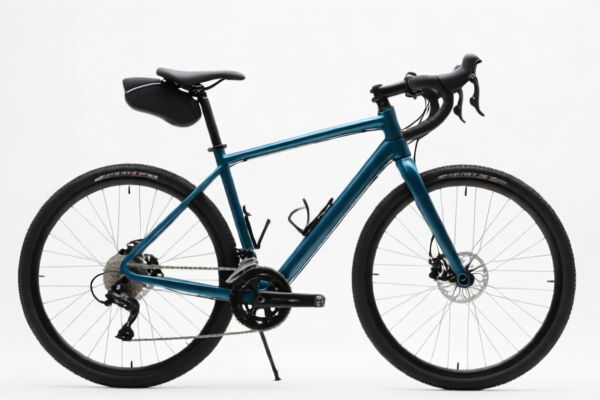
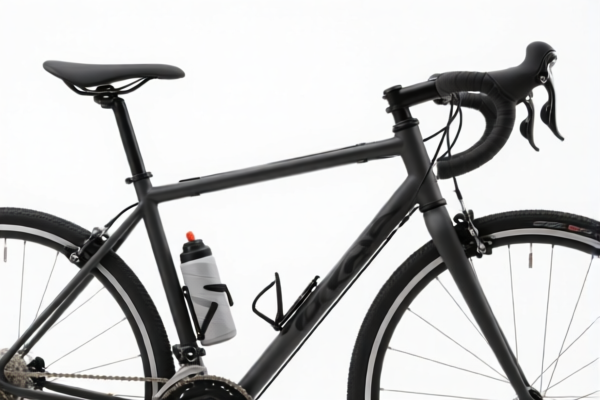
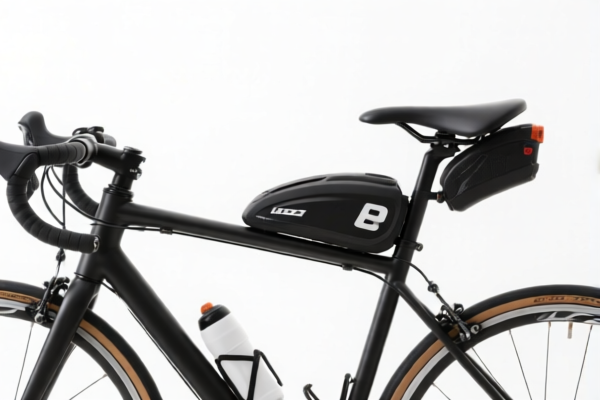
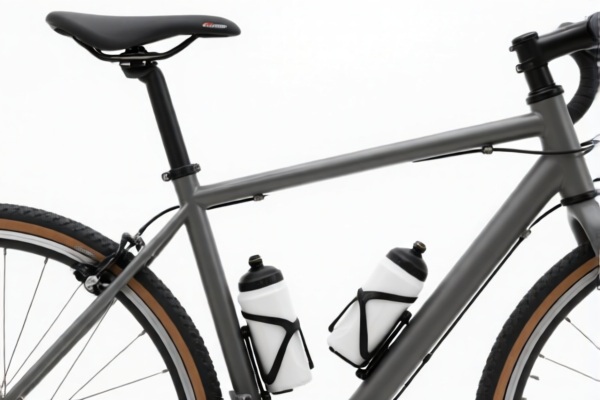
AI Analysis
🚲 Bicycle Repair Kit (修理套件)
🌐 HS Code Reference & Customs Clearance Guide | 2026 Latest Tariff Analysis | Professional Clearance Strategy
📌 I. Product Definition: What is a "Bicycle Repair Kit"?
A Bicycle Repair Kit is a collection of components, tools, or replacement parts designed for the maintenance and fixing of bicycles. In international trade, because these kits often contain mixed materials (plastic, rubber, metal, textile) and serve a specific end-use, they do not have a single "dedicated" HS code. Instead, they are classified based on their dominant material or fallback categories ("residual" categories) when no specific material definition exists in the summary.
⚠️ Key Classification Principle:
- If the kit is dominated by Automotive Parts (e.g., bike parts categorized under auto accessories due to lack of specific bike codes): Use 8708.
- If the kit is dominated by Plastic tools/brackets: Use 3926.
- If the kit is dominated by Rubber seals/gaskets: Use 4016.
- "No Conflict Principle": If materials are mixed and unclear, customs infer the category based on the most likely component or fallback rules.
📦 II. HS Code Classification Details (2026 Latest Tariff Reference)
Based on the provided data, here are the 5 possible HS Codes for a "Bicycle Repair Kit," categorized by material inference and tax implications.
| HS Code | Product Description | Inference Logic | Total Tax Rate |
|---|---|---|---|
8708.99.81.80 |
Repair Kit (Automotive Parts Category) | Fallback category for auto parts; no obvious material conflict. Treated as general auto spare parts. | 37.5% |
8708.99.48.50 |
Repair Kit (Other Parts/Accessories) | Inferred as "other parts/accessories" based on no-conflict principle. | 35.0% |
3926.90.99.89 |
Repair Kit (Plastic-Based Inference) | Based on common sense that kits contain plastic tools or brackets. Fallback category for plastics. | 22.8% |
3926.90.45.90 |
Repair Kit (Other Plastic Parts) | Fallback category inferred for other plastic components. | 38.5% |
4016.99.60.10 |
Repair Kit (Rubber/Synthetic Inference) | Based on common sense that kits may contain rubber or synthetic material components. Fallback category. | 37.5% |
4016.99.03.00 |
Repair Kit (Rubber Seals/Gaskets) | Inferred to contain rubber seals or gaskets. No obvious material conflict. | 38.0% |
🔍 Critical Observation:
- The lowest tax rate is 22.8% (3926.90.99.89) if classified under plastic.
- The highest tax rates hover around 37.5% - 38.5%.
- Classification Risk: Misclassifying a plastic-heavy kit as "Rubber" or "Auto Parts" can lead to a 15%+ tax increase.
💰 III. 2026 Latest Tariff Rate Breakdown (Detailed Tax Clauses)
✅ Applicable Country: United States (US)
✅ Origin: China (CN)
✅ Effective Time: Current trade policy including Section 301 and IEEPA tariffs.
🎯 1. The "Plastic" Pathway: 3926.90.99.89 (Lowest Tax Option)
| Item | Content |
|---|---|
| Base Tariff | 5.3% |
| Section 301 Additional Tariff | +7.5% |
| IEEPA Additional Tariff | +10% (122 Clause Tariff) |
| Total Effective Rate | 22.8% |
| Tax Calculation | CIF Value × 22.8% |
| De Minimis Exemption | ❌ Not Eligible (Deny De Minimis for Section 301/IEEPA goods) |
| Legal Basis | IEEPA:9903.01.25 → USITC:3926.90.99.89 → FOOTNOTE:7519.01.21 |
📌 Explanation:
- If the kit contains plastic tools (e.g., tire levers, multi-tools, cable housings), this is the most favorable classification.
- The 7.5% Section 301 tariff is lower than the 25% tariff applied to some other categories.
- Recommendation: If your kit has significant plastic components, argue for this classification to save ~15% in taxes compared to auto parts.
🎯 2. The "Auto Parts" Pathway: 8708.99.81.80 & 8708.99.48.50
| Item | Content |
|---|---|
| Base Tariff | 2.5% (for .81.80) / 0.0% (for .48.50) |
| Section 301 Additional Tariff | +25.0% |
| IEEPA Additional Tariff | +10% (122 Clause Tariff) |
| Total Effective Rate | 37.5% (.81.80) / 35.0% (.48.50) |
| Tax Calculation | CIF Value × 37.5% or 35.0% |
| De Minimis Exemption | ❌ Not Eligible |
| Legal Basis | IEEPA:9903.01.25 → USITC:8708.99... |
📌 Explanation:
- Many bicycle parts are routed through "Auto Parts" (Chapter 87) if no specific bicycle code exists.
- The 25% Section 301 tariff is high, making this option expensive despite a low base rate.
- Risk: High tariff burden. Only use if the kit is strictly metal/mechanical and no plastic/rubber logic applies.
🎯 3. The "Rubber" Pathway: 4016.99.60.10 & 4016.99.03.00
| Item | Content |
|---|---|
| Base Tariff | 2.5% / 3.0% |
| Section 301 Additional Tariff | +25.0% |
| IEEPA Additional Tariff | +10% (122 Clause Tariff) |
| Total Effective Rate | 37.5% (.60.10) / 38.0% (.03.00) |
| Tax Calculation | CIF Value × 37.5% or 38.0% |
| De Minimis Exemption | ❌ Not Eligible |
📌 Explanation:
- If the kit is primarily tire tubes, patches, and seals, it may fall here.
- Similar to auto parts, the 25% Section 301 tariff drives the cost up significantly.
🛠️ IV. Customs Clearance Practical Advice (Avoid Pitfalls)
✅ 1. Documentation Checklist (Must-Have)
| Document | Required? | Purpose |
|---|---|---|
| Product Specification Sheet | ✔️ | List all components: e.g., "1x Tire Lever (Plastic), 1x Patch (Rubber), 1x Multi-tool (Metal)." |
| Material Breakdown | ✔️ | Crucial for HS Code selection. Prove if Plastic, Rubber, or Metal is dominant. |
| Product Photos | ✔️ | Show the kit contents clearly. Avoid vague "Repair Kit" labels. |
| Commercial Invoice | ✔️ | Describe as: "Bicycle Maintenance Kit, Plastic & Rubber Components, Model XYZ" |
| Packing List | ✔️ | Detail weights and quantities per item. |
✅ 2. Strategic Classification Tips
🔥 “Material Dominance is Key! Don’t Let Customs Guess!”
| Scenario | Recommended Strategy | Wrong Approach |
|---|---|---|
| Kit has Plastic Tools | Argue for 3926.90.99.89 (22.8%). Provide photos of plastic levers/tools. |
Letting customs guess "Auto Parts" (37.5%). |
| Kit has Mostly Rubber Tubes | Argue for 4016.99 (37.5%). Only if plastic/metal content is minimal. |
Misclassifying as Plastic to save tax → Customs Audit Risk. |
| Mixed Materials (Unclear) | Use "No Conflict" Principle. Argue for 3926.90.45.90 or 8708.99.48.50 based on value. |
Providing no material breakdown → High Scrutiny. |
| Complete Tool Kit (Metal) | May fall under 8708.99 as "Other Parts." |
Trying to force into Plastic category → Rejection. |
✅ 3. Special Cases
| Case | Handling Suggestion |
|---|---|
| OEM Custom Kits | Provide design drawings showing material composition. |
| Small vs. Large Kits | Small pouches with plastic levers + tube → Plastic (3926). Large metal toolboxes → Auto Parts (8708). |
| High-Value Professional Kits | Consider Advance Ruling (Pre-classification) to lock in the 22.8% rate if plastic-dominant. |
🌍 V. Global Market Comparison (2026)
| Country/Region | Recommended HS Code | Tariff (CN Origin) | Certification | Note |
|---|---|---|---|---|
| 🇺🇸 USA | 3926.90.99.89 (If Plastic) |
22.8% | No special cert | Lowest US Rate. Avoid 8708 (37.5%). |
| 🇺🇸 USA | 8708.99.81.80 |
37.5% | None | High tariff unless auto parts are justified. |
| 🇨🇳 China | Varies | ~0-10% | CCC (if applicable) | Lower tariffs, but export focus is US. |
| 🇪🇺 EU | 8308.10 or 3926 |
~0-4.5% | CE (if applicable) | No Section 301/IEEPA tariffs. |
| 🇬🇧 UK | Varies | ~0-5% | UKCA | Post-Brexit rules may vary. |
📌 Conclusion for US Importers:
- Plastic Classification (3926) saves ~15% in taxes compared to Auto Parts (8708) or Rubber (4016).
- Ensure your kit’s plastic components (levers, handles, casings) are visible and documented to support this classification.
📌 VI. Common Errors & Pitfalls (Lessons Learned)
❌ Error 1: Describing the item only as "Bicycle Repair Kit" without material details.
👉 Result: Customs will guess the worst-case scenario (likely 8708 or 4016 with 25% Section 301) → High Tax.
❌ Error 2: Assuming all bike parts are "Bicycle" specific (Chapter 87, Part 1).
👉 Result: If no specific code exists, they fall into "Other" (8708.99), which is often taxed heavily. Plastic fallback is cheaper.
❌ Error 3: Ignoring the IEEPA 10% Tariff.
👉 Result: Many importers only look at Base + Section 301. Total is Base + 25% + 10%.
❌ Error 4: Trying to use De Minimis (800.33(a)) for Section 301 goods.
👉 Result: Denied. All these HS codes are subject to Section 301/IEEPA, so no de minimis exemption.
✅ Correct Approach:
"Bicycle Maintenance Kit, containing plastic tire levers, rubber patches, and metal multi-tool. Dominant material: Plastic. HS: 3926.90.99.89."
🎯 VII. Conclusion: Smart Classification, Lower Costs!
🎯 Remember the Golden Rule:
🔹 "If it has plastic tools, claim 3926 (22.8%)!"
🔹 "If it's auto-parts logic, pay 37.5% (8708)!"
🔹 "No De Minimis for these codes, so declare accurately!"
📌 Pro Tip:
If your kit is a mix of materials, highlight the plastic components in your invoice and photos. This supports the 3926.90.99.89 classification, saving you ~15% in customs duties compared to other options. Consider applying for an Advance Ruling if the kit value is high.
📣 Immediate Action:
📞 Contact your freight forwarder with a detailed material breakdown.
📝 Update your invoice description to specify "Plastic Repair Kit Components."
🚀 Optimize your tariff class from 37.5% → 22.8%.
✨ Precision in Classification, Savings in Tariffs!
💼 Your Bicycle Repair Kit’s tax rate depends on its plastic content, not its name!
Customer Reviews
About HS Code Classification
The Harmonized System (HS) is an internationally standardized nomenclature developed by the World Customs Organization (WCO) to classify traded products. Over 200 countries use the HS system as the basis for customs tariffs, trade statistics, and import/export regulations.
Each HS code follows a hierarchical structure:
- Chapter (2 digits) — Broad category of goods (e.g., Chapter 84: Machinery and Mechanical Appliances)
- Heading (4 digits) — More specific grouping within the chapter
- Subheading (6 digits) — Internationally standardized breakdown, used by all WCO member countries
- National subdivisions (8-10 digits) — Country-specific extensions for further classification, such as US HTSUS 10-digit codes
Correct HS code classification is essential for smooth customs clearance, accurate duty payment, and compliance with trade regulations. Misclassification can lead to customs delays, overpayment of duties, or penalties.
When importing from CN to US, the applicable tariff rates may include:
- Most-Favored-Nation (MFN) rate — The standard duty rate applied to WTO members
- General rate — Applied to countries without trade agreements
- Trade remedy duties — Additional tariffs such as Section 301 (anti-dumping), Section 232 (national security), or countervailing duties
The information provided on this page is for reference purposes only. For official classification, please consult with your local customs authority or a licensed customs broker.