Bicycle Spoke Light
CN → US| HS Code | Tariff Rate | Origin | Destination | Doc |
|---|---|---|---|---|
| 8512104000 | 20.2% | CN | US | Official Doc |
| 9405416000 | 41.0% | CN | US | Official Doc |
| 9405426000 | 41.0% | CN | US | Official Doc |
| 8512904000 | 35.0% | CN | US | Official Doc |
| 8512102000 | 17.5% | CN | US | Official Doc |
Product Images
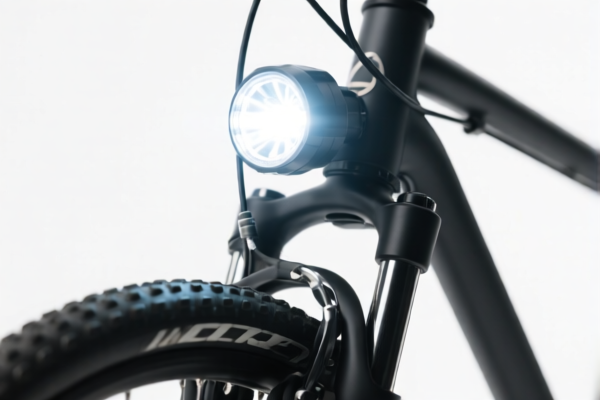
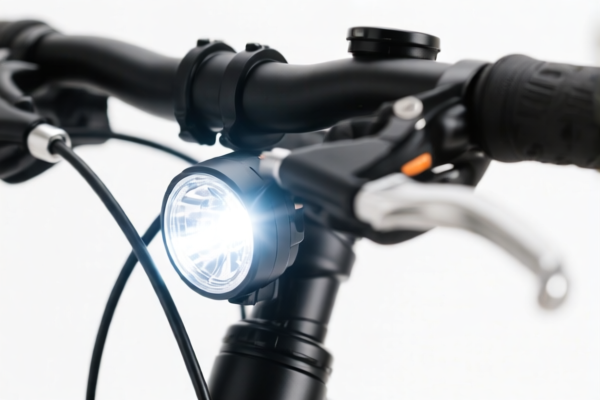
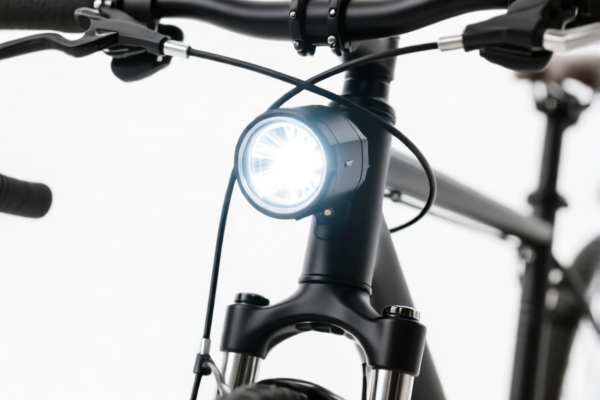

AI Analysis
💡 Bicycle Spoke Lights (Dynamic Wheel Spoke Lights)
🌐 HS Code Reference & Customs Clearance Guide | 2026 Latest Tariff Analysis | Strategic Compliance Strategy
📌 I. Product Definition & Classification: Do You Really Know What a "Bicycle Spoke Light" Is?
Bicycle spoke lights are safety accessories attached to the spokes of bicycle wheels to create a dynamic light circle, enhancing visibility at night. In international trade, their classification depends heavily on material composition, specific application (traditional pedal bike vs. e-bike), and structural design.
Under current US Customs and Border Protection (CBP) rulings and the Harmonized Tariff Schedule (HTSUS), these lights are categorized differently based on whether they are standard bicycle accessories or electric lighting fixtures for electric bicycles.
⚠️ Key Distinction Points:
- Standard Bicycle Lights: If primarily classified as parts/accessories for pedal bikes, they may fall under 8512.10.40.00.
- Electric Bicycle Lights (Metal/Plastic Housing): If classified as electric lamps/fixtures for e-bikes with specific housing materials, they often fall under 9405.41.60.00 or 9405.42.60.00.
- Other Electric Bicycle Lighting: General electric lighting devices for e-bikes not fitting the above specific material descriptions may fall under 8512.90.40.00 or 8512.10.20.00.
📦 II. HS Code Classification Details (2026 Latest Official Tariff对照)
| HS Code | Product Description | Application Scenario | Material/Feature Note |
|---|---|---|---|
8512.10.40.00 |
Cycle lighting or signalling equipment | Standard pedal bicycle spoke lights | Non-electric fixture classification base, but treated as signaling equipment |
9405.41.60.00 |
Electric lamps & lighting fittings, for electric bicycles | E-bike spoke lights | Base metal or plastic housing; classified as electric luminaires |
9405.42.60.00 |
Other electric lamps & lighting fittings, for electric bicycles | E-bike spoke lights | Base metal or plastic housing; alternative subheading for electric fixtures |
8512.90.40.00 |
Other cycle lighting equipment | General e-bike lighting components | General category for e-bike lighting not specified elsewhere |
8512.10.20.00 |
Cycle lighting equipment | General bicycle lighting (including spoke lights) | Broad category for bicycle lighting devices |
🔍 Key Reminder:
- E-bike lights are often scrutinized more heavily than standard bike lights due to their classification as "electric appliances/fixtures" (Chapter 94) or specific "electric cycle equipment" (Chapter 85).
- The distinction between9405(Luminaires) and8512(Cycle Equipment) is critical for tariff calculation. Misclassification can lead to significant duty discrepancies.
💰 III. 2026 Latest Tariff Rate Breakdown (Including Additional Taxes & Policy Surcharges)
✅ Applicable Country: United States (US)
✅ Origin: China (CN)
✅ Effective Date: 2025–2026 (Current Trade War Tariffs Apply)
🎯 1. 9405.41.60.00 & 9405.42.60.00 —— Electric Bicycle Lights (Metal/Plastic Housing)
| Item | Content |
|---|---|
| Base MFN Rate | 6.0% |
| Section 301 Surcharge | +25.0% (USITC Footnote 9903.88.01 / Trade Act of 1974) |
| 122 Section Tariff | +10.0% (Specific retaliatory tariff for certain goods) |
| Total Effective Rate | 41.0% |
| Calculation Basis | CIF Value × 41.0% |
| De Minimis Exemption | ❌ Denied (Section 301 and Section 122 tariffs generally apply even to small packages if not excluded) |
| Legal Basis Path | HTSUS:9405.41.60.00 → USITC:301_Tariff → IEEPA/122_Retaliation |
📌 Explanation:
- The 6.0% base rate reflects the standard duty for electric lighting fittings.
- The +25% Section 301 tariff is the major cost driver for Chinese-made electric accessories.
- The +10% Section 122 tariff adds an additional layer of cost for specific imported goods.
- Total 41% makes this one of the highest-tariff categories for bicycle accessories.
🎯 2. 8512.90.40.00 —— Other Electric Bicycle Lighting Equipment
| Item | Content |
|---|---|
| Base MFN Rate | 0.0% |
| Section 301 Surcharge | +25.0% |
| 122 Section Tariff | +10.0% |
| Total Effective Rate | 35.0% |
| Calculation Basis | CIF Value × 35.0% |
| De Minimis Exemption | ❌ Denied |
| Legal Basis Path | HTSUS:8512.90.40.00 → USITC:301_Tariff → 122_Retaliation |
📌 Explanation:
- Although the base rate is 0%, the 35% total rate is still substantial due to the 25% + 10% surcharges.
- This classification is often used for e-bike lighting that doesn't fit the "luminaires" definition of Chapter 94 but is clearly for electric cycles.
🎯 3. 8512.10.20.00 —— Cycle Lighting Equipment (General)
| Item | Content |
|---|---|
| Base MFN Rate | 0.0% |
| Section 301 Surcharge | +7.5% |
| 122 Section Tariff | +10.0% |
| Total Effective Rate | 17.5% |
| Calculation Basis | CIF Value × 17.5% |
| De Minimis Exemption | ❌ Denied |
| Legal Basis Path | HTSUS:8512.10.20.00 → USITC:301_Tariff (Partial) → 122_Retaliation |
📌 Explanation:
- This is the most favorable tariff option among the listed codes, with a 17.5% total rate.
- The Section 301 surcharge here is only 7.5% (instead of 25%) for certain subcategories of cycle lighting.
- Strategy: If your spoke light can be legally classified under this code (e.g., as a general bicycle accessory rather than an e-bike specific electric fixture), it saves significant duty costs.
🎯 4. 8512.10.40.00 —— Cycle Lighting or Signalling Equipment
| Item | Content |
|---|---|
| Base MFN Rate | 2.7% |
| Section 301 Surcharge | +7.5% |
| 122 Section Tariff | +10.0% |
| Total Effective Rate | 20.2% |
| Calculation Basis | CIF Value × 20.2% |
| De Minimis Exemption | ❌ Denied |
| Legal Basis Path | HTSUS:8512.10.40.00 → USITC:301_Tariff (Partial) → 122_Retaliation |
📌 Explanation:
- A moderate rate of 20.2%.
- Often applied to standard bicycle lights (non-electric or simple electric signaling devices) that are not primarily classified as "luminaires" for e-bikes.
🛠️ IV. Customs Clearance Practical Advice (Actionable Pitfall Avoidance Guide)
✅ 1. Essential Documentation Checklist
| Document | Required? | Purpose |
|---|---|---|
| ✅ Product Specification Sheet | ✔️ | Must clearly state: "For Bicycle/E-Bike," Voltage, Wattage, IP Rating. |
| ✅ Material Composition Statement | ✔️ | Specify if housing is Base Metal or Plastic. Critical for distinguishing between 9405 and 8512 codes. |
| ✅ Photographs (Clear & Detailed) | ✔️ | Show the light attached to a spoke, power source, and mounting mechanism. |
| ✅ Commercial Invoice | ✔️ | Item description must match HS Code exactly (e.g., "Spoke Light for E-Bike, Plastic Housing"). |
| ✅ Certificate of Origin (CO) | ✔️ | Confirm China origin to apply correct Section 301/122 tariffs. |
| ✅ Declaration of Non-Evasion | ✔️ | If claiming lower 7.5% rate, ensure product does not meet criteria for 25% rate. |
✅ 2. Classification Strategy & Declaration Tips
🔥 “Material Dictates Chapter, Bike Type Determines Subheading!”
| Scenario | Recommended HS Code | Duty Rate | Reason |
|---|---|---|---|
| E-Bike Spoke Light, Plastic/Metal Housing | 9405.41.60.00 or 9405.42.60.00 |
41.0% | Classified as electric luminaire for e-bikes. Highest duty. |
| E-Bike Spoke Light (General Electric) | 8512.90.40.00 |
35.0% | General electric cycle equipment. |
| Standard Bicycle Spoke Light (Non-E-Bike Specific) | 8512.10.20.00 |
17.5% | Best Option. Lowers Section 301 to 7.5%. |
| Signaling Device for Standard Bike | 8512.10.40.00 |
20.2% | Moderate duty. Good alternative if 17.5% doesn't apply. |
⚠️ Critical Warning:
- Do NOT misdeclare an E-Bike light as a Standard Bike light to get 17.5%. CBP audits often catch this discrepancy via product photos or specs.
- If the product is marketed/sold specifically for Electric Bikes, using9405or8512.90.40.00is safer, despite the higher duty.
✅ 3. Special Cases & Mitigation Strategies
| Situation | Handling Advice |
|---|---|
| High Duty Cost (41%) | Consider Supply Chain Diversification: Manufacture in Vietnam or Thailand to avoid China-specific 301/122 tariffs (subject to Rules of Origin compliance). |
| Hybrid Products | If the light can function on both standard and e-bikes, argue for classification under 8512.10.20.00 (17.5%) by emphasizing its primary use as a general bicycle accessory. |
| De Minimis (Section 321) | ❌ Not Applicable: Section 301 and Section 122 tariffs nullify the de minimis exemption for shipments from China. Even small packages are taxed. |
| Pre-Ruling | Apply for a Binding Ruling from CBP if uncertain. This provides legal certainty for future shipments. |
🌍 V. Global Market Comparison (2026 Outlook)
| Market | Recommended HS Code | Est. Total Duty | Key Requirement |
|---|---|---|---|
| 🇺🇸 USA | 8512.10.20.00 (Optimal) |
17.5% | FCC Certification (if electronic) |
| 🇪🇺 EU | 9405.49 or 8512.20 |
~0% - 4% + VAT | CE Marking, RoHS Compliance |
| 🇨🇳 China | 8513.10 (similar) |
~0% - 10% | CCC Certification (if applicable) |
| 🇬🇧 UK | 9405.49 |
~0% - 5% + VAT | UKCA Marking |
📌 Conclusion:
- The US market is the most challenging due to Section 301 and 122 tariffs.
- Optimization Strategy: Aim for8512.10.20.00(17.5%) if possible. Avoid9405codes (41%) unless structurally unavoidable.
📌 VI. Common Errors & Pitfalls (Lessons Learned)
❌ Error 1: Declaring E-Bike lights as "Flashlights" or "General Electric Lamps"
👉 Consequence: Classification under 9405 (41%) or higher, leading to massive back-taxes and penalties.
❌ Error 2: Ignoring the "122 Section" tariff
👉 Consequence: Underpaying by 10%. CBP will demand back payment + interest.
❌ Error 3: Assuming "De Minimis" (under $800) applies
👉 Consequence: Seizure or Taxation. Section 301 goods from China are never de minimis exempt.
❌ Error 4: Vague Descriptions ("Bicycle Light")
👉 Consequence: CBP may assign the highest possible rate or hold cargo for inspection.
✅ Correct Declaration Example:
"Bicycle Spoke Light, Plastic Housing, LED, 3V Battery Operated, For Use on Pedal Bicycles, HS 8512.10.20.00"
🎯 VII. Conclusion: Smart Classification Saves Millions
🎯 Remember the Golden Rule:
🔹 "E-Bike = Chapter 94/8512.90 = High Duty (35-41%)"
🔹 "Standard Bike = Chapter 8512.10 = Lower Duty (17.5-20.2%)"
🔹 "Always Pay Section 122 + 301: No De Minimis!"
📌 Pro Tip:
If your sales volume is high, negotiate with manufacturers to adjust product design (e.g., housing material or marketing focus) to qualify for the 17.5% 8512.10.20.00 rate.
For E-Bike specific products, consider transshipment or local assembly in non-China countries to mitigate 301 tariffs.
📣 Immediate Action:
📞 Consult a Customs Broker before shipping!
📸 Take clear photos of your product for accurate classification.
📉 Calculate landed cost with 17.5% to 41% duty, not just base rate.
✨ Precision in Classification = Profit in Your Pocket!
💼 Don't let tariffs eat your margin. Know your HS Code!
Customer Reviews
About HS Code Classification
The Harmonized System (HS) is an internationally standardized nomenclature developed by the World Customs Organization (WCO) to classify traded products. Over 200 countries use the HS system as the basis for customs tariffs, trade statistics, and import/export regulations.
Each HS code follows a hierarchical structure:
- Chapter (2 digits) — Broad category of goods (e.g., Chapter 84: Machinery and Mechanical Appliances)
- Heading (4 digits) — More specific grouping within the chapter
- Subheading (6 digits) — Internationally standardized breakdown, used by all WCO member countries
- National subdivisions (8-10 digits) — Country-specific extensions for further classification, such as US HTSUS 10-digit codes
Correct HS code classification is essential for smooth customs clearance, accurate duty payment, and compliance with trade regulations. Misclassification can lead to customs delays, overpayment of duties, or penalties.
When importing from CN to US, the applicable tariff rates may include:
- Most-Favored-Nation (MFN) rate — The standard duty rate applied to WTO members
- General rate — Applied to countries without trade agreements
- Trade remedy duties — Additional tariffs such as Section 301 (anti-dumping), Section 232 (national security), or countervailing duties
The information provided on this page is for reference purposes only. For official classification, please consult with your local customs authority or a licensed customs broker.