Bicycle Valve Core
CN → US| HS Code | Tariff Rate | Origin | Destination | Doc |
|---|---|---|---|---|
| 8714998000 | 27.5% | CN | US | Official Doc |
| 4016991500 | 20.2% | CN | US | Official Doc |
| 4016935050 | 37.5% | CN | US | Official Doc |
| 8714100050 | 17.5% | CN | US | Official Doc |
| 7326908688 | 87.9% | CN | US | Official Doc |
Product Images
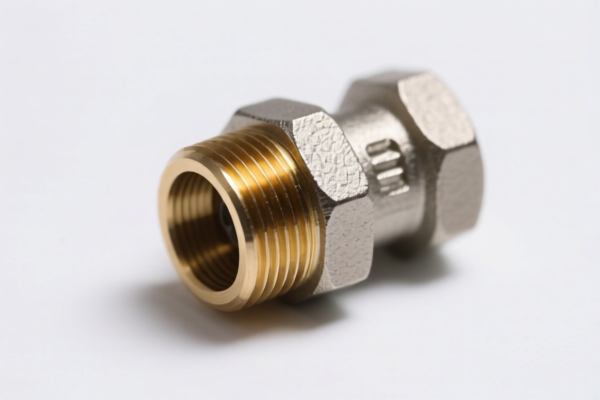
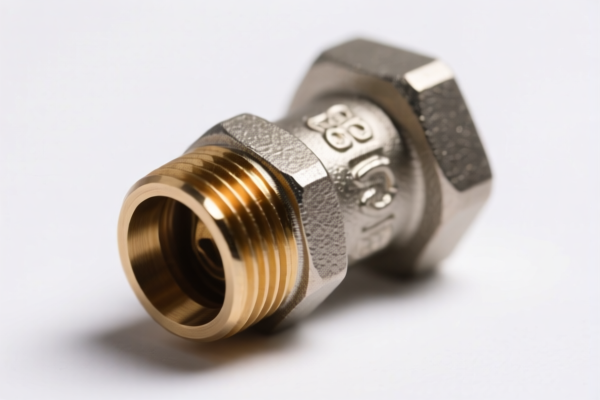
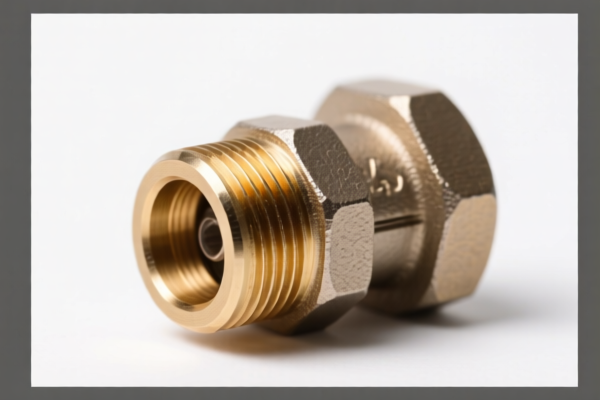
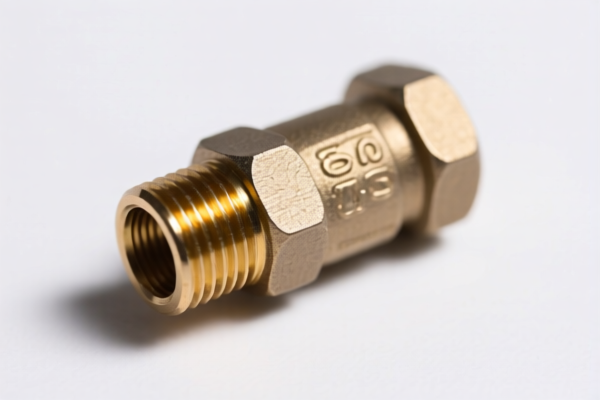
AI Analysis
🚲 Bicycle Valve Core (Valve Caps/Stem Assemblies)
🌐 HS Code Reference & Customs Clearance Guide | 2026 Latest Tariff Analysis | Professional Clearance Strategy
📌 I. Product Definition & Classification: Do You Really Understand "Valve Cores"?
The "Bicycle Valve Core" is a critical, yet often overlooked, component of bicycle tire systems. In international trade, it serves as the sealing and air-control mechanism. Its classification depends heavily on material composition (Rubber vs. Metal) and functional logic (Part of Vehicle vs. Sealing Device).
⚠️ Key Classification Distinction:
- If viewed as a Vehicle Part (integral to the tire system) → Falls under Chapter 87 (Vehicle Parts).
- If viewed as a Rubber Seal/Plug → Falls under Chapter 40 (Rubber Articles).
- If viewed as a Metal Hardware Piece → Falls under Chapter 73 (Iron/Steel Articles).
📦 II. HS Code Classification Details (2026 Latest Tariff Authority Comparison)
Based on the provided data, here are the four most common classification paths for Bicycle Valve Cores, ranging from lowest to highest tariff impact:
| HS Code | Product Description & Logic | Material/Function Focus | Total Tax Rate |
|---|---|---|---|
| 8714.10.00.50 | Motorcycle/Bicycle Part: Classified as "Other parts and accessories" for motorcycle tires/wheels. | General vehicle accessory; implies metal/rubber mix. | 17.5% |
| 4016.99.15.00 | Rubber Seal/Cap: Classified under rubber articles as "covers, seals, or plugs." | Rubber material; function as a sealing plug. | 20.2% |
| 8714.99.80.00 | Vehicle Accessory: Classified as a general vehicle part/accessory. | No material conflict; general vehicle part logic. | 27.5% |
| 4016.93.50.50 | Vulcanized Rubber Seal: Classified as "Other vulcanized rubber products" (seals). | Vulcanized Rubber; specific sealing component. | 37.5% |
| 7326.90.86.88 | Metal Artifact: Classified as "Other articles of iron or steel." | Metal (Copper/Steel); non-specific hardware. | 87.9% |
🔍 Critical Warning:
- The difference between 17.5% and 87.9% is massive. Material declaration is key.
- If the valve core is pure metal (e.g., brass or steel stem), it risks being classified as 7326, triggering the highest tariff.
- If it is rubber, classification within Chapter 40 is safer, but specific sub-headings vary by sealing function.
💰 III. 2026 Latest Tariff Rate Breakdown (Including Surtaxes & Policy Add-ons)
✅ Applicable Country: United States (US)
✅ Origin: China (CN)
✅ Effective Date: 2025/2026 Import Period
🎯 1. 8714.10.00.50 —— Motorcycle/Bicycle Tire Parts (Lowest Risk Option)
| Item | Content |
|---|---|
| Base Tariff | 0.0% |
| Section 301 Surtax | +7.5% |
| Section 122 Tariff | +10% |
| Total Rate | 17.5% |
| Tax Calculation | CIF Value × 17.5% |
| De Minimis Eligibility | ❌ No (Standard trade rules apply for parts) |
| Legal Basis | Chapter 87 (Vehicles) → Footnotes for parts |
📌 Explanation:
- This is the most cost-effective classification for valve cores intended for motorcycles or bicycles.
- The 0% base tariff is significant, making the 17.5% total relatively low compared to other options.
- Risk: Must prove it is specifically for "motorcycle/bicycle tires/wheels" and not a generic valve.
🎯 2. 4016.99.15.00 —— Rubber Seals/Caps (Mid-Tier Option)
| Item | Content |
|---|---|
| Base Tariff | 2.7% |
| Section 301 Surtax | +7.5% |
| Section 122 Tariff | +10% |
| Total Rate | 20.2% |
| Tax Calculation | CIF Value × 20.2% |
| De Minimis Eligibility | ❌ No |
| Legal Basis | Chapter 40 (Rubber) → Sealing articles |
📌 Explanation:
- Suitable if the valve core is primarily rubber and functions as a sealing plug.
- Slightly higher than the vehicle part option due to the 2.7% base tariff.
- Key: The product must clearly be a "cover" or "seal" in rubber.
🎯 3. 8714.99.80.00 —— General Vehicle Parts (High Risk/High Cost)
| Item | Content |
|---|---|
| Base Tariff | 10.0% |
| Section 301 Surtax | +7.5% |
| Section 122 Tariff | +10% |
| Total Rate | 27.5% |
| Tax Calculation | CIF Value × 27.5% |
| De Minimis Eligibility | ❌ No |
📌 Explanation:
- A "catch-all" for vehicle parts.
- Higher base tariff (10%) makes it less attractive than8714.10.00.50.
- Use only if the specific "tire part" classification is not defensible.
🎯 4. 4016.93.50.50 —— Vulcanized Rubber Seals (Medium Risk)
| Item | Content |
|---|---|
| Base Tariff | 2.5% |
| Section 301 Surtax | +25.0% |
| Section 122 Tariff | +10% |
| Total Rate | 37.5% |
| Tax Calculation | CIF Value × 37.5% |
| De Minimis Eligibility | ❌ No |
📌 Explanation:
- WARNING: This classification carries a 25% Section 301 Surtax (likely under different footnote rules for specific rubber goods).
- Despite a low base tariff (2.5%), the surtax makes it expensive.
- Avoid unless specifically required by material composition.
🎯 5. 7326.90.86.88 —— Metal Articles (Highest Risk/Cost)
| Item | Content |
|---|---|
| Base Tariff | 2.9% |
| Section 301 Surtax | +25.0% |
| Section 122 Tariff | +10% |
| Steel/Aluminum/Copper Surtax | +50% |
| Total Rate | 87.9% |
| Tax Calculation | CIF Value × 87.9% |
| De Minimis Eligibility | ❌ No |
📌 Explanation:
- DANGER ZONE: If customs determines the valve core is primarily metal (e.g., brass stem, steel pin) and classifies it under Chapter 73, the 50% additional surtax for steel/copper products applies.
- This results in an 87.9% total tax, which is often prohibitive.
- Strategy: Emphasize rubber components or vehicle part status to avoid this classification.
🛠️ IV. Customs Clearance Practical Advice (Pitfall Avoidance Guide)
✅ 1. Material Declaration Strategy
| Component | Recommended Classification | Reason |
|---|---|---|
| Rubber Stem + Plastic Cap | 8714.10.00.50 or 4016.99.15.00 |
Lowers base tax; avoids metal surtax. |
| Full Metal Valve (Presta/Schrader Stem) | Attempt 8714.10.00.50 |
Argue as "Vehicle Part" to avoid 50% metal surtax. |
| Separate Rubber Seal/Plug | 4016.99.15.00 |
Clear "rubber seal" identity. |
⚠️ Critical: Do NOT simply declare as "Valve Core" without specifying material. Customs may default to 7326 (Metal) if the sample is metallic, leading to 87.9% tax.
✅ 2. Documentation Checklist
| Document | Required? | Purpose |
|---|---|---|
| ✅ Product Photos | ✔️ | Show material composition (rubber vs. metal). |
| ✅ Bill of Materials (BOM) | ✔️ | Detail % of rubber, metal, plastic. |
| ✅ Function Description | ✔️ | Explain role as "tire sealing part" (supports Ch. 87). |
| ✅ Commercial Invoice | ✔️ | Use precise terms: "Bicycle Tire Valve Assembly (Rubber/Metal)". |
| ✅ HS Code Pre-Ruling | ✔️ | Strongly Recommended to confirm 8714 vs 7326. |
✅ 3. Common Mistakes & Penalties
❌ Mistake 1: Declaring metal valve stems as "Rubber Parts"
👉 Consequence: Customs inspection reveals metal → Rejected or taxed at 87.9%.
❌ Mistake 2: Classifying all valve cores under 4016 (Rubber) when they are 90% metal
👉 Consequence: Misdeclaration → Penalties + Back Taxes.
❌ Mistake 3: Ignoring Section 122 Tariff
👉 Consequence: All categories above include a 10% Section 122 tariff. Do not forget to budget for this extra cost.
✅ Correct Practice:
"Bicycle Tire Valve Assembly, Model X, 50% Rubber/50% Metal, for use in Bicycle Tires. HS Code: 8714.10.00.50."
🌍 V. Global Market Comparison (2026 Latest)
| Market | Recommended HS Code | Est. Total Tax | Key Requirement |
|---|---|---|---|
| 🇺🇸 USA | 8714.10.00.50 |
17.5% | Must prove vehicle part status. |
| 🇺🇸 USA (Metal Default) | 7326.90.86.88 |
87.9% | High risk if not argued as vehicle part. |
| 🇪🇺 EU | 8714.99 |
~2.7% + VAT | Lower base tariffs, but VAT applies. |
| 🇨🇳 China | 8714.99 |
~10% | Standard import duty. |
📌 Conclusion:
- For US Imports,8714.10.00.50is the optimal classification (17.5%).
- Avoid7326at all costs due to the 50% surtax.
- Always provide photos and material breakdowns to support the "Vehicle Part" argument.
📌 VI. Final Summary & Action Plan
🎯 Top Recommendation
Use HS Code 8714.10.00.50
- Total Tax: 17.5% (0% Base + 7.5% Section 301 + 10% Section 122)
- Why: Lowest tax burden among all options.
- Condition: Product must be identifiable as a bicycle/motorcycle tire accessory.
🛡️ Risk Mitigation
- Pre-Ruling: Apply for an Advance Ruling from US Customs to confirm
8714eligibility. - Labeling: Clearly label products as "Bicycle Tire Valve Assembly" rather than just "Valve Core."
- Material Control: If possible, use rubber-dominated designs to support
4016or8714classifications, avoiding pure metal designs that trigger7326.
📣 Immediate Action:
📞 Contact your freight forwarder to review the product photos.
📄 Submit HS Code Pre-Ruling Request to US CBP.
🚀 Secure supply chain with accurate material declarations to avoid 87.9% tariff surprises!
✨ Professional Customs Clearance Starts with Precise Classification!
💼 Save 70% in tariffs by choosing the right HS Code!
Customer Reviews
About HS Code Classification
The Harmonized System (HS) is an internationally standardized nomenclature developed by the World Customs Organization (WCO) to classify traded products. Over 200 countries use the HS system as the basis for customs tariffs, trade statistics, and import/export regulations.
Each HS code follows a hierarchical structure:
- Chapter (2 digits) — Broad category of goods (e.g., Chapter 84: Machinery and Mechanical Appliances)
- Heading (4 digits) — More specific grouping within the chapter
- Subheading (6 digits) — Internationally standardized breakdown, used by all WCO member countries
- National subdivisions (8-10 digits) — Country-specific extensions for further classification, such as US HTSUS 10-digit codes
Correct HS code classification is essential for smooth customs clearance, accurate duty payment, and compliance with trade regulations. Misclassification can lead to customs delays, overpayment of duties, or penalties.
When importing from CN to US, the applicable tariff rates may include:
- Most-Favored-Nation (MFN) rate — The standard duty rate applied to WTO members
- General rate — Applied to countries without trade agreements
- Trade remedy duties — Additional tariffs such as Section 301 (anti-dumping), Section 232 (national security), or countervailing duties
The information provided on this page is for reference purposes only. For official classification, please consult with your local customs authority or a licensed customs broker.