Bicycle Wall Mount Bracket
CN → US| HS Code | Tariff Rate | Origin | Destination | Doc |
|---|---|---|---|---|
| 8712005000 | 0.0% | CN | US | Official Doc |
| 8712004800 | 46.0% | CN | US | Official Doc |
| 8714998000 | 27.5% | CN | US | Official Doc |
| 7326908630 | 87.9% | CN | US | Official Doc |
| 7326908688 | 87.9% | CN | US | Official Doc |
Product Images
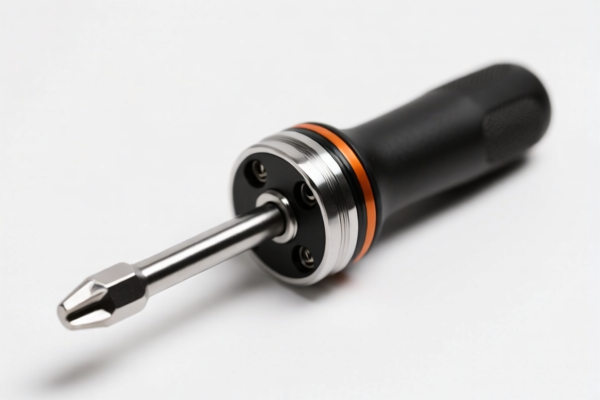
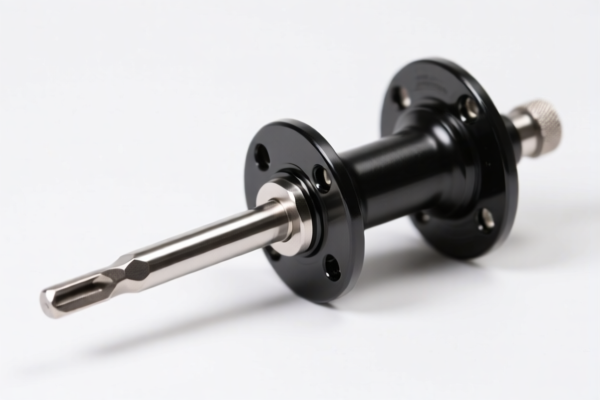
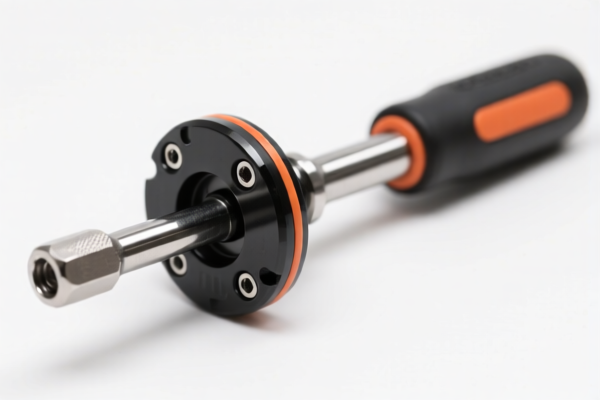
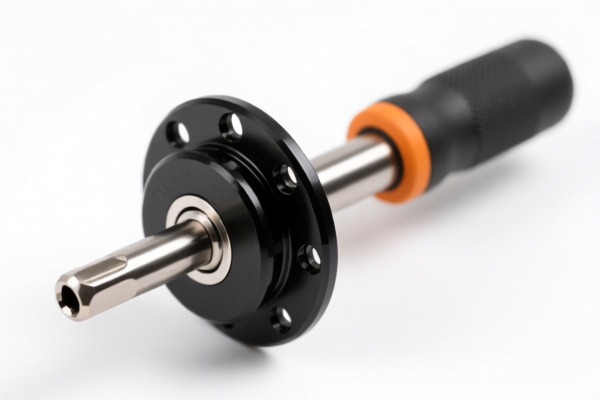
AI Analysis
🚲 Bicycle Wall Mount Bracket (Wall-mounted Bicycle Storage)
🌐 HS Code Reference & Customs Clearance Guide | 2026 Latest Tariff Analysis | Professional Clearance Strategy
📌 I. Product Definition & Classification: Do You Truly Understand "Bicycle Brackets"?
A bicycle wall mount bracket is a hardware accessory designed to store bicycles vertically or horizontally on walls. In international trade, its classification is highly controversial because it depends entirely on: 1. Material Composition (Steel, Aluminum, Plastic, etc.) 2. Specific Function (Is it a "part" of the bicycle, or a "building accessory"?) 3. Design Intent (Does it fall under "general iron/steel articles" or "bicycle parts"?)**
⚠️ Key Distinction Point:
- If classified as a bicycle part/accessory → It inherits the high trade war tariffs of bicycles (up to 38.7%+).
- If classified as general steel/iron hardware → It may face higher tariffs due to specific Section 232 or Section 301 duties on steel products (up to 87.9%).
- Crucial Insight: The "Bicycle" HS codes (8712) often have lower total rates than "General Steel" (7326) codes, but only if the customs officer accepts it as a "part."
📦 II. HS Code Classification Matrix (2026 Latest Tariff Authority)
Based on the provided data, here are the five possible classifications with their tax implications:
| HS Code | Product Description | Logic & Justification | Total Tax Rate |
|---|---|---|---|
8712.00.50.00 |
Bicycle Parts/Accessories (General) | Defined as "Vehicle Accessories" fitting the non-motor vehicle attribute. Uses the "catch-all" logic for bike parts. | 3.7% Base + 35% Total |
8712.00.48.00 |
Other Bicycle Parts | Classified under "Other bicycle-related parts" based on accessory rules. | 11% Base + 35% Total = 46.0% |
8714.99.80.00 |
Bicycle Parts (Specific) | "Parts and accessories of vehicles other than bicycles of heading 8712." Fits usage definition, no material conflict. | 10% Base + 17.5% Total = 27.5% |
7326.90.86.30 |
Metal Supports (Steel/Aluminum) | Inferred as a "Metal Support Device" (pipe hanger/support). Subject to Steel/Aluminum/Copper Additional Duties. | 2.9% Base + 62% Add-ons = 87.9% |
7326.90.86.88 |
Other Iron/Steel Articles | Inferred as "Other iron/steel articles" not specifically listed. Subject to Steel Additional Duties. | 2.9% Base + 62% Add-ons = 87.9% |
🔍 Critical Warning:
- Codes 8712 (Bicycle Parts) are generally preferred due to lower total tariffs (27.5% - 46.0%) compared to Steel codes. - Codes 7326 (General Steel) carry a punitive 50% additional duty for steel/aluminum/copper products, pushing the total tax to 87.9%. Avoid these if possible!
💰 III. 2026 Latest Tariff Rate Breakdown (Detailed Tax Clauses)
✅ Applicable Country: United States (US)
✅ Origin: China (CN)
✅ Effective Date: 2025/2026 (Current Trade War Status)
🎯 1. The "Best Case" Scenario: 8712.00.50.00
Classification: Bicycle Accessories (Catch-all)
| Item | Detail |
|---|---|
| Base Tariff | 3.7% |
| Section 301 (Add-on) | 25.0% |
| Section 122 (Add-on) | 10.0% |
| Total Effective Rate | 3.7% + 35.0% = 38.7% (Note: Data says "3.7% +35.0%", implying total burden of ~38.7%) |
| Legal Basis | HS 8712 (Bicycles) → Section 301 Footnotes → Section 122 Authority |
📌 Interpretation:
- This is the lowest risk category if customs accepts the bracket as a "bicycle accessory." - Why 35% add-on? 25% (Sec 301) + 10% (Sec 122/122-like clause) = 35%. - Total Cost Impact: Significant, but far lower than steel classification.
🎯 2. The "Middle Ground" Scenario: 8714.99.80.00
Classification: Bicycle Parts (Other)
| Item | Detail |
|---|---|
| Base Tariff | 10.0% |
| Section 301 (Add-on) | 7.5% |
| Section 122 (Add-on) | 10.0% |
| Total Effective Rate | 10% + 17.5% = 27.5% |
| Legal Basis | HS 8714 (Parts) → Sec 301 (7.5% for some parts) → Sec 122 |
📌 Interpretation:
- Surprisingly Lower Total Tax! Despite a higher base rate (10%), the Section 301 add-on is only 7.5% (not 25%), likely because certain bicycle parts are exempt from the full 25% tariff under specific USITC notes. - Best Financial Option if approved.
🎯 3. The "High Risk" Scenario: 7326.90.86.30 / 88
Classification: Steel/Aluminum Supports
| Item | Detail |
|---|---|
| Base Tariff | 2.9% |
| Section 301 (Add-on) | 25.0% |
| Section 122 (Add-on) | 10.0% |
| Material Surcharge | 50.0% (For Steel/Aluminum/Copper) |
| Total Effective Rate | 2.9% + 35% + 50% = 87.9% |
| Legal Basis | HS 7326 (Other articles of iron/steel) → Section 232 (Steel/Alu duties) + Sec 301/122 |
📌 Interpretation:
- Disastrous Tariff! The 50% additional duty for steel/aluminum products is the killer here. - Why? The US imposes severe penalties on imported steel/aluminum goods to protect domestic industry. - Avoid at all costs unless you have a specific exemption.
🛠️ IV. Customs Clearance Practical Advice (Pitfall Avoidance Guide)
✅ 1. Documentation Checklist (Mandatory)
| Document | Required? | Purpose |
|---|---|---|
| Product Specifications | ✅ | Detail material (e.g., "Powder-coated Steel"), weight, load capacity. |
| Technical Drawings | ✅ | Prove it is a "mounting bracket" and not a "bicycle frame part." |
| Material Certificate | ✅ | Crucial to prove if it's Steel (triggers 50% surcharge) or Aluminum. |
| Commercial Invoice | ✅ | Describe as "Bicycle Wall Mount Bracket, Accessory," NOT "Steel Hanger." |
| Photos | ✅ | Show the bracket attached to a bicycle or wall with instructions. |
✅ 2. Classification Strategy (Key Tactics)
🔥 "Claim Bicycle Part, Avoid Steel Label!"
| Scenario | Recommended HS Code | Strategy |
|---|---|---|
| Bracket is integral to bike storage system | 8714.99.80.00 (27.5%) |
Argue it is a "part/accessory of a bicycle" under Chapter 87. |
| Bracket is generic, sold separately | 8712.00.50.00 (38.7%) |
Use the "catch-all" for bicycle accessories. Lower base rate helps. |
| Bracket is purely a building/hardware item | 7326.90.86.88 (87.9%) |
AVOID. Only declare as steel if no other option. High risk of audit. |
📌 Critical Note:
- Do NOT describe the product as "Steel Hanger" or "Metal Support" on the invoice. Use "Bicycle Accessory" or "Bicycle Storage Bracket." - If the bracket is made of Steel, be prepared for customs to reclassify it to7326. Have a Pre-Ruling ready.
✅ 3. Special Considerations
| Situation | Action |
|---|---|
| Made of Aluminum | Still subject to 50% steel/aluminum surcharge if classified under 7326. Try to classify under 8714. |
| Plastic Components | If >50% plastic by weight/value, consider HS 3926 (Plastic Articles). May avoid steel duties. |
| Sold with Bicycle | Declare as part of the bicycle set. Likely falls under 8712 or 8714 without separate high tariffs. |
| Sold Separately | Must prove "principal character" as a bicycle accessory. Provide user manuals showing bike attachment. |
🌍 V. Global Market Comparison (2026)
| Market | Recommended HS Code | Est. Total Tariff | Key Risk |
|---|---|---|---|
| 🇺🇸 USA | 8714.99.80.00 |
27.5% | High risk of reclassification to 7326 (87.9%). |
| 🇺🇸 USA | 8712.00.50.00 |
38.7% | Safer, but higher base rate. |
| 🇨🇳 China | 8714.99.80.00 |
Low (MFN ~5-7%) | No trade war tariffs. |
| 🇪🇺 EU | 8714.99.80.00 |
0-4% | Generally low tariffs. No Section 301/232 equivalents. |
| 🇬🇧 UK | 8714.99.80.00 |
0-4% | Post-Brexit MFN rates apply. |
📌 Conclusion:
- The USA is the most difficult market due to overlapping trade remedies (Sec 301 + Sec 232/122). - EU/UK are straightforward; low tariffs apply. - Strategy for US: Fight for 8714 or 8712. Never let it be classified as 7326.
📌 VI. Common Errors & Pitfalls (Lessons Learned)
❌ Error 1: Describing product as "Steel Bracket" on Invoice
👉 Result: Customs auto-assigns 7326 → 87.9% Tax!
✅ Fix: Use "Bicycle Wall Mount Bracket."
❌ Error 2: Ignoring Material Surcharge for Steel/Aluminum
👉 Result: Underestimating costs by 50%.
✅ Fix: Check if 8714 classification exempts material surcharges (it does!).
❌ Error 3: Mixing Bicycle Parts with General Hardware in One Shipment
👉 Result: Complex audits, potential delays.
✅ Fix: Ship separately or ensure clear segregation in documentation.
🎯 VII. Conclusion: Professional Clearance, Cost Efficiency!
🎯 Key Takeaway:
🔹 "Bicycle Accessory" (8712/8714) is your friend. "Steel Article" (7326) is your enemy.
🔹 Target Rate: Aim for8714.99.80.00(27.5%) or8712.00.50.00(38.7%).
🔹 Avoid:7326.90.86.88(87.9%) at all costs.
📌 Pro Tip:
Apply for an Official Tariff Ruling (CBP Ruling) from US Customs before shipping large volumes. This locks in the classification and protects you from retrospective audits.
📣 Immediate Action:
📞 Consult a US Customs Broker
📄 Prepare Product Photos & Manuals
📝 Draft Invoice with "Bicycle Accessory" Description
🚀 Ensure Smooth Clearance & Maximize Profit!
✨ Precision in Classification, Precision in Cost!
💼 Every Dollar Saved Starts with the Right HS Code!
Customer Reviews
About HS Code Classification
The Harmonized System (HS) is an internationally standardized nomenclature developed by the World Customs Organization (WCO) to classify traded products. Over 200 countries use the HS system as the basis for customs tariffs, trade statistics, and import/export regulations.
Each HS code follows a hierarchical structure:
- Chapter (2 digits) — Broad category of goods (e.g., Chapter 84: Machinery and Mechanical Appliances)
- Heading (4 digits) — More specific grouping within the chapter
- Subheading (6 digits) — Internationally standardized breakdown, used by all WCO member countries
- National subdivisions (8-10 digits) — Country-specific extensions for further classification, such as US HTSUS 10-digit codes
Correct HS code classification is essential for smooth customs clearance, accurate duty payment, and compliance with trade regulations. Misclassification can lead to customs delays, overpayment of duties, or penalties.
When importing from CN to US, the applicable tariff rates may include:
- Most-Favored-Nation (MFN) rate — The standard duty rate applied to WTO members
- General rate — Applied to countries without trade agreements
- Trade remedy duties — Additional tariffs such as Section 301 (anti-dumping), Section 232 (national security), or countervailing duties
The information provided on this page is for reference purposes only. For official classification, please consult with your local customs authority or a licensed customs broker.