Bike Fender
CN → US| HS Code | Tariff Rate | Origin | Destination | Doc |
|---|---|---|---|---|
| 8302498050 | 38.5% | CN | US | Official Doc |
| 8714998000 | 27.5% | CN | US | Official Doc |
| 8302496055 | 90.7% | CN | US | Official Doc |
| 7326190010 | 87.9% | CN | US | Official Doc |
| 4016940000 | 39.2% | CN | US | Official Doc |
Product Images
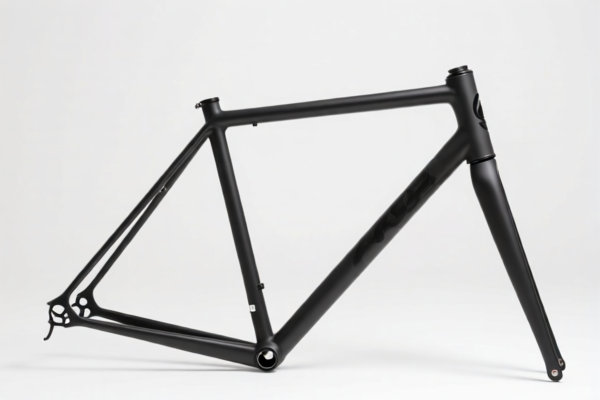
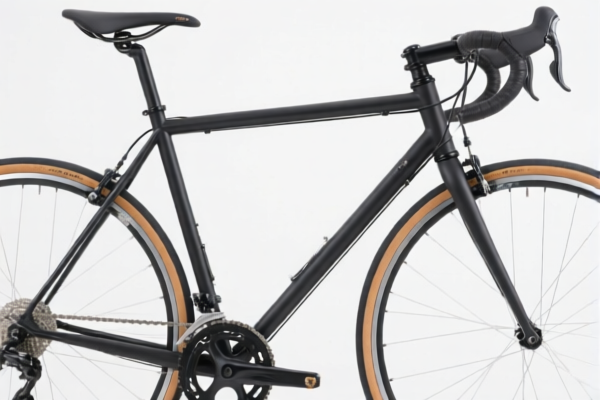
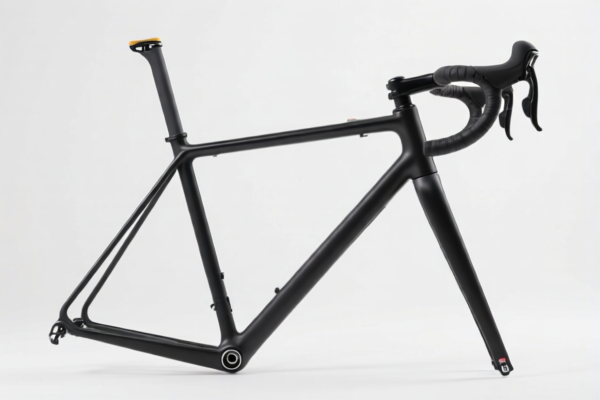
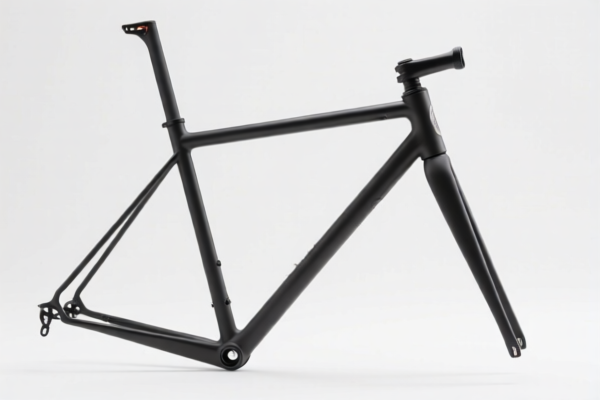
AI Analysis
🚲 Bike Fenders (Mudguards)
🌐 HS Code Reference & Clearance Guide | 2026 Latest Tariff Analysis | Professional Customs Strategy
📌 1. Product Definition & Classification: Do You Really Know What a "Bike Fender" Is?
Bike fenders (also known as mudguards) are essential accessories designed to protect cyclists and vehicles from road debris, water, and mud. In international trade, their classification depends heavily on material composition (metal, plastic, rubber) and specific design intent (e.g., anti-collision balls vs. standard guards).
⚠️ Key Classification Distinctions:
- Metal/Plastic Fenders: Typically classified under Chapter 83 (Base Metal Articles) or Chapter 87 (Vehicles Parts).
- Rubber Anti-Collision Balls: Classified under Chapter 40 (Rubber Articles).
- Material Conflict: If the fender is primarily metal, it often falls under base metal articles rather than vehicle parts, leading to significantly different tariff rates due to additional "Section 301" and "122 Clause" duties.
📦 2. HS Code Classification Matrix (2026 Latest Tariff Authority)
| HS Code | Product Description | Material/Type | Total Tax Rate | Key Tax Components |
|---|---|---|---|---|
| 8714.99.80.00 | Bike Fender (Accessory) | General Accessory | 27.5% | Base: 10%, Add-on: 7.5%, 122 Clause: 10% |
| 8302.49.80.50 | Bike Fender (Mounting Part) | Metal/Plastic | 38.5% | Base: 3.5%, Add-on: 25%, 122 Clause: 10% |
| 8302.49.60.55 | Bike Fender (Metal Mount) | Metal (Steel/Aluminum) | 90.7% | Base: 5.7%, Add-on: 25%, Steel/Alu Surcharge: 50% |
| 7326.19.00.10 | Fender Anti-Collision Ball | Steel/Iron | 87.9% | Base: 2.9%, Add-on: 25%, Steel/Alu Surcharge: 50% |
| 4016.94.00.00 | Anti-Collision Ball (Rubber) | Sulfurized Rubber | 39.2% | Base: 4.2%, Add-on: 25%, 122 Clause: 10% |
🔍 Critical Note:
- 8714.99.80.00 is the most favorable for general bike accessories if the material doesn't strictly trigger base metal surcharges.
- 8302.49.60.55 and 7326.19.00.10 carry extremely high tariffs (90%+) due to Steel/Aluminum/Copper surcharges. Misclassifying a steel fender here can be disastrous.
- 4016.94.00.00 is specific to rubber marine/bumper items; ensure the anti-collision ball is explicitly rubber, not plastic/metal.
💰 3. Detailed Tariff Breakdown (US Import from China)
✅ Applicable Country: United States (US)
✅ Origin: China (CN)
✅ Effective Date: Post-2025 Policy Implementation
🎯 1. 8714.99.80.00 – Bike Fender (Accessory)
Best for general plastic/rubber fenders or mixed material fenders where vehicle part classification is accepted.
| Item | Details |
|---|---|
| Base Duty | 10.0% |
| Additional Duty (Section 301) | 7.5% |
| 122 Clause Duty | 10.0% |
| Total Effective Rate | 27.5% |
| Calculation | CIF Value × 27.5% |
| De Minimis Exemption | ❌ Not Eligible (High value threshold applied) |
| Legal Basis | USITC Footnote + IEEPA Regulations |
📌 Explanation:
- This code treats the fender as a vehicle part/accessory.
- Lower base duty (10%) compared to base metal articles.
- Total 27.5% is manageable for most commercial shipments but still significant.
🎯 2. 8302.49.80.50 – Bike Fender (Mounting Part)
Used when the fender is classified as a "base metal mounting part" rather than a vehicle part.
| Item | Details |
|---|---|
| Base Duty | 3.5% |
| Additional Duty (Section 301) | 25.0% |
| 122 Clause Duty | 10.0% |
| Total Effective Rate | 38.5% |
| Calculation | CIF Value × 38.5% |
| De Minimis Exemption | ❌ Not Eligible |
| Legal Basis | USITC Chapter 83 + IEEPA |
📌 Explanation:
- Higher base duty (3.5%) but much higher Section 301 duty (25%).
- Often applied if the fender is considered a "mounting hardware" or bracket.
- Total 38.5% is notably higher than 8714.
🎯 3. 8302.49.60.55 – Metal Bike Fender (Steel/Aluminum)
⚠️ HIGH RISK CODE. Applies to metal fenders (steel/aluminum) classified under base metal articles.
| Item | Details |
|---|---|
| Base Duty | 5.7% |
| Additional Duty (Section 301) | 25.0% |
| Steel/Alu/Copper Surcharge | 50.0% |
| 122 Clause Duty | 10.0% (if applicable) |
| Total Effective Rate | 90.7% |
| Calculation | CIF Value × 90.7% |
| De Minimis Exemption | ❌ Not Eligible |
📌 Warning:
- This is the highest tariff tier.
- The 50% surcharge for steel/aluminum products is punitive.
- Do not use this code unless absolutely necessary. Try to classify as 8714 or 4016 if possible.
🎯 4. 7326.19.00.10 – Steel Anti-Collision Ball
For small steel/plastic balls attached to fenders to prevent door strikes.
| Item | Details |
|---|---|
| Base Duty | 2.9% |
| Additional Duty (Section 301) | 25.0% |
| Steel/Alu/Copper Surcharge | 50.0% |
| Total Effective Rate | 87.9% |
| Calculation | CIF Value × 87.9% |
📌 Warning:
- Even small steel accessories trigger the 50% surcharge.
- If the ball is rubber, switch to4016.94.00.00(39.2%).
🎯 5. 4016.94.00.00 – Rubber Anti-Collision Ball
For rubber/marine-style bumpers or rubber fender tips.
| Item | Details |
|---|---|
| Base Duty | 4.2% |
| Additional Duty (Section 301) | 25.0% |
| 122 Clause Duty | 10.0% |
| Total Effective Rate | 39.2% |
| Calculation | CIF Value × 39.2% |
📌 Strategy:
- If you sell rubber anti-collision balls, this code is much better than the steel equivalent.
- Clearly declare material as "Sulfurized Rubber" to avoid misclassification as steel.
🛠️ 4. Practical Customs Clearance Advice
✅ 1. Documentation Checklist
| Document | Required? | Notes |
|---|---|---|
| Product Specifications | ✅ Yes | Must clearly state material (e.g., "Polypropylene Plastic" vs. "Aluminum Alloy") |
| Material Certificate | ✅ Yes | Crucial for distinguishing between 8714 (Accessory) and 8302 (Base Metal) |
| Product Photos | ✅ Yes | Show the fender shape, mounting method, and any anti-collision balls |
| Commercial Invoice | ✅ Yes | Describe as "Bike Fender Accessory" for 8714, or "Base Metal Mounting Part" for 8302 |
| Packing List | ✅ Yes | Separate metal parts from plastic/rubber parts if shipped separately |
✅ 2. Classification Strategy (Key Mantra)
🔥 “Material is King, Accessory is Queen, Metal Surcharges are Queen!”
| Scenario | Recommended HS Code | Tax Rate | Risk Level |
|---|---|---|---|
| Plastic/Rubber Fender | 8714.99.80.00 |
27.5% | ✅ Low |
| Metal Fender (Claiming Vehicle Part) | 8714.99.80.00 |
27.5% | ⚠️ Medium (Customs may reclassify) |
| Metal Fender (Base Metal Article) | 8302.49.60.55 |
90.7% | ❌ Critical (Avoid!) |
| Rubber Anti-Collision Ball | 4016.94.00.00 |
39.2% | ✅ Low |
| Steel Anti-Collision Ball | 7326.19.00.10 |
87.9% | ❌ Critical (Avoid!) |
📌 Actionable Tip:
- If your fender is metal, try to argue it is a "Vehicle Part" (8714) rather than a "Base Metal Article" (8302).
- For anti-collision balls, ensure they are rubber, not steel, to avoid the 50% surcharge.
- Never ship steel fenders as "Accessories" without proper justification; customs will likely reassess and charge 90%+.
✅ 3. Common Mistakes & Pitfalls
❌ Mistake 1: Classifying steel fenders under 8714.99.80.00 without proof of vehicle part status.
👉 Result: Customs reclassifies to 8302.49.60.55 → 90.7% Tax.
❌ Mistake 2: Declaring rubber anti-collision balls as "Steel Parts."
👉 Result: Incorrect surcharge application → 87.9% Tax instead of 39.2%.
❌ Mistake 3: Using "General Bike Parts" as a description.
👉 Result: Vague description leads to delays and potential reclassification to the highest duty rate.
✅ Correct Approach:
Description: "Bike Fender, Made of Polypropylene Plastic, Designed for Mountain Bikes, Includes Rubber Anti-Collision Balls."
HS Code:8714.99.80.00(Fender) +4016.94.00.00(Rubber Balls) if declared separately.
🌍 5. Global Clearance Comparison (2026)
| Market | Recommended HS Code | Estimated Tax (China Origin) | Notes |
|---|---|---|---|
| 🇺🇸 USA | 8714.99.80.00 |
27.5% | Best for plastic/rubber. Avoid metal base metal codes. |
| 🇪🇺 EU | Varies | Varies | No Section 301 surcharge, but standard VAT + Duties apply. |
| 🇨🇳 China | Varies | Low | Import duties may be lower, but focus on export classification. |
| 🇯🇵 Japan | Varies | Low-Medium | Strict material declarations required. |
📌 Conclusion:
- The US market is the most challenging due to Section 301 and 122 Clause surcharges.
- Material declaration accuracy is critical. A small error (e.g., "Aluminum" vs. "Plastic") can double or triple your tax bill.
📌 6. Final Checklist for Exporters
- Verify Material: Is the fender plastic, rubber, or metal?
- Check Surcharges: Does the material trigger Steel/Aluminum/Copper surcharges?
- Choose Wisely: Prefer
8714(27.5%) over8302(90.7%). - Document Everything: Provide clear material certificates and photos.
- Consult Customs Broker: Always validate HS Code before shipment.
🎯 Remember:
🔹 "Plastic/Rubber = 27.5%, Steel/Metal = 90.7%!"
🔹 "De Minimis is NOT your friend for high-tariff goods!"
🔹 "Accurate Material Declaration Saves Thousands!"
📣 Immediate Action:
📞 Engage a licensed customs broker for Advance Ruling on your specific product design.
🚀 Optimize your supply chain by using plastic/rubber materials where possible to minimize tax exposure.
✨ Professional Clearance Starts with Precise Classification!
💼 Every Cent Saved is Pure Profit!
Customer Reviews
About HS Code Classification
The Harmonized System (HS) is an internationally standardized nomenclature developed by the World Customs Organization (WCO) to classify traded products. Over 200 countries use the HS system as the basis for customs tariffs, trade statistics, and import/export regulations.
Each HS code follows a hierarchical structure:
- Chapter (2 digits) — Broad category of goods (e.g., Chapter 84: Machinery and Mechanical Appliances)
- Heading (4 digits) — More specific grouping within the chapter
- Subheading (6 digits) — Internationally standardized breakdown, used by all WCO member countries
- National subdivisions (8-10 digits) — Country-specific extensions for further classification, such as US HTSUS 10-digit codes
Correct HS code classification is essential for smooth customs clearance, accurate duty payment, and compliance with trade regulations. Misclassification can lead to customs delays, overpayment of duties, or penalties.
When importing from CN to US, the applicable tariff rates may include:
- Most-Favored-Nation (MFN) rate — The standard duty rate applied to WTO members
- General rate — Applied to countries without trade agreements
- Trade remedy duties — Additional tariffs such as Section 301 (anti-dumping), Section 232 (national security), or countervailing duties
The information provided on this page is for reference purposes only. For official classification, please consult with your local customs authority or a licensed customs broker.