Bike Lock
CN → US| HS Code | Tariff Rate | Origin | Destination | Doc |
|---|---|---|---|---|
| 8301108000 | 22.3% | CN | US | Official Doc |
| 7326200090 | 88.9% | CN | US | Official Doc |
| 7326908688 | 87.9% | CN | US | Official Doc |
| 8301106080 | 23.6% | CN | US | Official Doc |
| 8301406060 | 23.2% | CN | US | Official Doc |
Product Images
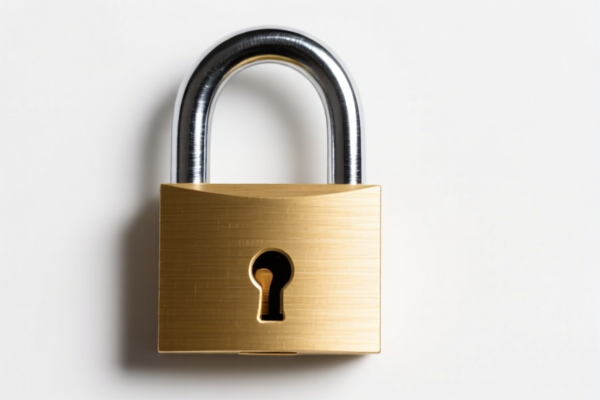
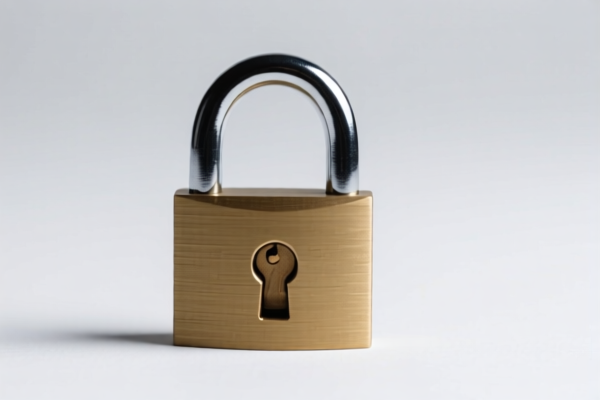
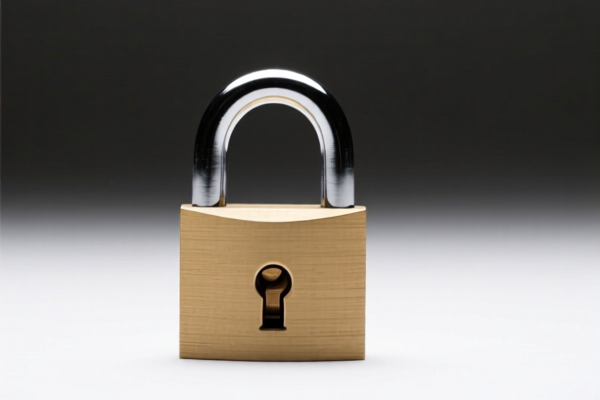

AI Analysis
🔒 Bike Lock (Bicycle Locks)
🌐 HS Code Reference & Customs Clearance Guide | 2026 Latest Tariff Analysis | Professional Clearance Strategy
📌 I. Product Definition and Classification: Do You Really Understand "Bike Locks"?
A bike lock is a security device used to secure bicycles against theft. In international trade, the classification depends heavily on the material and functionality of the lock. Customs authorities distinguish between locks made of precious metals (rare for bike locks) and those made of base metals (iron, steel, etc.).
Key Classification Logic: * Functional Classification (Chapter 83): If the lock is considered a standard "padlock" or "lock" made of base metal, it falls under Heading 8301. This is often the preferred route for standard cable locks, U-locks, or disc locks, as it generally carries lower tariff rates. * Material/Residual Classification (Chapter 73): If the lock is deemed an "article of iron or steel" but not specifically a "lock" in the legal sense (e.g., complex metal assemblies), it may fall under Heading 7326 ("Other articles of iron or steel"). This is a "residual" category and often attracts higher punitive tariffs due to trade measures.
⚠️ Critical Distinction:
- If it functions as a padlock/lock and is made of base metal → Typically HS 8301.
- If it is a generic metal assembly without a clear locking mechanism definition or classified as "other iron/steel articles" → Typically HS 7326.
📦 II. HS Code Classification Details (2026 Latest Tariff Authority Comparison)
| HS Code | Product Description | Application Scenario | Tariff Impact |
|---|---|---|---|
8301.10.80.00 |
Padlocks and other locks of base metal; for bicycles (Generic Padlock Category) | Standard U-locks, cable locks classified as "padlocks" | 🟢 Lower (22.3%) |
7326.20.00.90 |
Other articles of iron or steel, of wire; (Generic Metal Article - Wire/Mesh) | Wire-based locks or complex iron structures not fully defined as "locks" | 🔴 High (88.9%) |
7326.90.86.88 |
Other articles of iron or steel, other; (Generic Metal Article - Residual) | Complex steel assemblies, non-standard lock bodies | 🔴 High (87.9%) |
8301.10.60.80 |
Padlocks and other locks of base metal; for bicycles (Specific Padlock Category) | Standard commercial bike locks identified as "padlocks" | 🟢 Lower (23.6%) |
8301.40.60.60 |
Other locks of base metal (excluding padlocks); for bicycles | Chain locks, disc locks, or other non-padlock base metal locks | 🟢 Lower (23.2%) |
🔍 Key Insight:
- HS 8301 codes are generally preferred for bike locks because they are explicitly categorized as "locks of base metal." - HS 7326 codes are "catch-all" categories for iron/steel products that don't fit elsewhere. Using these for bike locks often results in significantly higher tariffs due to Section 301 and other trade remedies.
💰 III. 2026 Latest Tariff Rate Breakdown (Including Additional Duties & Policy Add-ons)
✅ Applicable Country: United States (US)
✅ Origin: China (CN)
✅ Effective Date: November 10, 2025 onwards (for subsequent imports)
🎯 1. 8301.10.80.00 & 8301.10.60.80 —— Base Metal Padlocks (Bike Locks)
| Item | Content |
|---|---|
| Base Duty Rate | 4.8% - 6.1% (Ad Valorem) |
| Section 301 Duty | +7.5% (Standard Additional Tariff) |
| Section 122 Duty | +10% (Specific trade measure) |
| Total Effective Rate | 22.3% - 23.6% |
| Tax Calculation | CIF Value × 22.3%~23.6% |
| De Minimis Eligibility | ❌ No (Deny De Minimis) |
| Legal Basis Path | USITC:8301.10.x0.x0 → Section 301: +7.5% → Section 122: +10% |
📌 Explanation:
- The Base Duty varies slightly between sub-headings (4.8% vs 6.1%) based on specific product descriptors. - The Section 301 Additional Duty is a flat +7.5% on Chinese-made base metal locks. - The Section 122 Duty adds an additional +10%. - Total: ~22-24%. This is the most cost-effective classification for standard bike locks.
🎯 2. 8301.40.60.60 —— Other Base Metal Locks (Non-Padlock)
| Item | Content |
|---|---|
| Base Duty Rate | 5.7% |
| Section 301 Duty | +7.5% |
| Section 122 Duty | +10% |
| Total Effective Rate | 23.2% |
| Tax Calculation | CIF Value × 23.2% |
| De Minimis Eligibility | ❌ No |
| Legal Basis Path | USITC:8301.40.x0.x0 → Section 301: +7.5% → Section 122: +10% |
📌 Note:
- Applies to chain locks, disc locks, or other non-padlock base metal locks. - Rate is very similar to padlock categories.
🎯 3. 7326.20.00.90 & 7326.90.86.88 —— Other Articles of Iron or Steel (High Risk)
| Item | Content |
|---|---|
| Base Duty Rate | 2.9% - 3.9% |
| Section 301 Duty | +25.0% |
| Section 122 Duty | +10% |
| Section 232/Alu-Cu Duty | +50% (Specific to Steel/Aluminum/Copper articles under certain interpretations) |
| Total Effective Rate | 87.9% - 88.9% |
| Tax Calculation | CIF Value × 87.9%~88.9% |
| De Minimis Eligibility | ❌ No |
| Legal Basis Path | USITC:7326.x0.x0 → Section 301: +25% → Section 122: +10% → Steel/Alu/Cu Surcharge: +50% |
📌 Warning:
- These codes attract massive tariffs due to the叠加 (stacking) of Section 301, Section 122, and specific steel/aluminum/copper surcharges. - DO NOT classify standard bike locks under 7326 unless you have a very specific legal justification that they are not "locks" under Chapter 83.
🛠️ IV. Customs Clearance Practical Advice (Battle-Tested Pitfall Avoidance)
✅ 1. Required Document Checklist (All Inclusive)
| Document | Mandatory? | Description |
|---|---|---|
| ✅ Product Specification Sheet | ✔️ | Material composition (e.g., 70% Steel, 30% Plastic), dimensions, weight |
| ✅ Product Photos | ✔️ | Clear images of the lock, key, shackle, and branding |
| ✅ Commercial Invoice | ✔️ | Clearly state "Bicycle Lock" or "Padlock for Bicycles," NOT "Metal Part" |
| ✅ Packing List | ✔️ | Item count, gross/net weight, packaging type |
| ✅ Certificate of Origin (CO) | ✔️ | Proof of Chinese origin for tariff calculation |
| ✅ Import License (if applicable) | ✔️ | Check if any specific import restrictions apply |
✅ 2. Declaration Tips (Key Mantras)
🔥 "Classify as Lock, Not Metal; Avoid 88%, Save Your Money!"
| Scenario | Correct Declaration | Wrong Practice |
|---|---|---|
| Standard Bike Lock (U-lock, Cable) | 8301.10.x0.x0 or 8301.40.x0.x0 |
Declaring as "Iron Wire" or "Steel Assembly" → 88% |
| Lock with Plastic Cover | 8301.10.x0.x0 |
Declaring only the plastic part → Misclassification |
| Complex Lock Mechanism | 8301.10.x0.x0 |
Declaring as "Part of a Bicycle" → 0% (Risk of Audit) |
✅ 3. Special Situation Handling
| Situation | Handling Advice |
|---|---|
| Mixed Materials | If >50% weight is metal, classify under Chapter 83 (Locks). Do not let minor plastic components dictate Chapter 39. |
| OEM/White Label | Ensure the invoice describes the function ("Bicycle Lock") rather than just the material ("Steel Rod"). |
| Bulk Import | Consolidate shipments under the same HS Code to avoid split-rate issues. |
| Disputed Classification | File for a Binding Ruling from CBP if the lock has a novel mechanism not clearly fitting "padlock." |
🌍 V. Global Market Clearance Comparison (2026 Latest)
| Country/Region | Recommended HS Code | Tariff | Certification | Notes |
|---|---|---|---|---|
| 🇺🇸 USA | 8301.10.60.80 / 8301.10.80.00 |
~23% (China) | N/A | Avoid 7326 (88%+) |
| 🇨🇳 China | 8301.10.00.00 |
5% | N/A | Standard export tariff |
| 🇪🇺 EU | 8301.40.00.00 |
2.7% | CE (if applicable) | Low base duty |
| 🇬🇧 UK | 8301.40.00.00 |
2.7% | UKCA | Post-Brexit rules apply |
| 🇦🇺 Australia | 8301.40.00.00 |
5% | C-Tick | Standard GST applies |
📌 Conclusion:
- USA is the highest-cost market for bike locks due to Section 301 and 122 duties. - Correct Classification (HS 8301) is critical to save ~65% in tariffs compared to incorrect classification (HS 7326).
📌 VI. Common Mistakes & Pitfall Guide (Lessons Learned)
❌ Mistake 1: Declaring Bike Locks as "Steel Wire" or "Iron Parts" (HS 7326)
👉 Consequence: Tariff jumps from 23% to 88% → Profit Margin Erased!
❌ Mistake 2: Using vague descriptions like "Metal Accessory"
👉 Consequence: Customs may reclassify under the highest duty category → Seizure or Heavy Fines
❌ Mistake 3: Ignoring Section 122 Duties
👉 Consequence: Underpayment of duties → Audit and Back-taxes
❌ Mistake 4: Splitting Locks and Keys into Different HS Codes
👉 Consequence: Complicates clearance → Delays and Storage Fees
✅ Correct Practice:
"Bicycle Lock, Base Metal, Padlock Type, Model XYZ, Origin: China, HS Code: 8301.10.60.80"
🎯 VII. Conclusion: Professional Declaration, Save Costs, Ensure Smooth Clearance!
🎯 Remember the Mantra:
🔹 "Locks are 8301, Metals are 7326. Pick 8301, Avoid the 88% Hit!"
🔹 "HS Code Determines Tax, A 65% Difference Can Make or Break Your Deal!"
📌 Pro Tip:
If your bike locks are originating from Vietnam, Mexico, Thailand, or Malaysia, you may qualify for IEEPA Exemptions or USMCA/FTA Benefits, reducing tariffs to 0%-5%.
Recommend pre-clearance ruling for new or complex lock designs to mitigate risk.
📣 Immediate Action:
📞 Contact a Professional Customs Broker + Provide Product Images + Apply for HS Code Pre-Ruling
🚀 Ensure your bike locks clear customs smoothly, export efficiently, and maximize profits!
✨ Professional Clearance Starts with Accurate Classification!
💼 Every Cent of Cost is Worth Precise Calculation!
Customer Reviews
About HS Code Classification
The Harmonized System (HS) is an internationally standardized nomenclature developed by the World Customs Organization (WCO) to classify traded products. Over 200 countries use the HS system as the basis for customs tariffs, trade statistics, and import/export regulations.
Each HS code follows a hierarchical structure:
- Chapter (2 digits) — Broad category of goods (e.g., Chapter 84: Machinery and Mechanical Appliances)
- Heading (4 digits) — More specific grouping within the chapter
- Subheading (6 digits) — Internationally standardized breakdown, used by all WCO member countries
- National subdivisions (8-10 digits) — Country-specific extensions for further classification, such as US HTSUS 10-digit codes
Correct HS code classification is essential for smooth customs clearance, accurate duty payment, and compliance with trade regulations. Misclassification can lead to customs delays, overpayment of duties, or penalties.
When importing from CN to US, the applicable tariff rates may include:
- Most-Favored-Nation (MFN) rate — The standard duty rate applied to WTO members
- General rate — Applied to countries without trade agreements
- Trade remedy duties — Additional tariffs such as Section 301 (anti-dumping), Section 232 (national security), or countervailing duties
The information provided on this page is for reference purposes only. For official classification, please consult with your local customs authority or a licensed customs broker.