Bimetal Casting Special Powder
CN → US| HS Code | Tariff Rate | Origin | Destination | Doc |
|---|---|---|---|---|
| 7205210000 | 35.0% | CN | US | Official Doc |
| 7205290000 | 35.0% | CN | US | Official Doc |
| 8109290000 | 14.2% | CN | US | Official Doc |
| 8109210000 | 14.2% | CN | US | Official Doc |
| 8108200015 | 50.0% | CN | US | Official Doc |
Product Images
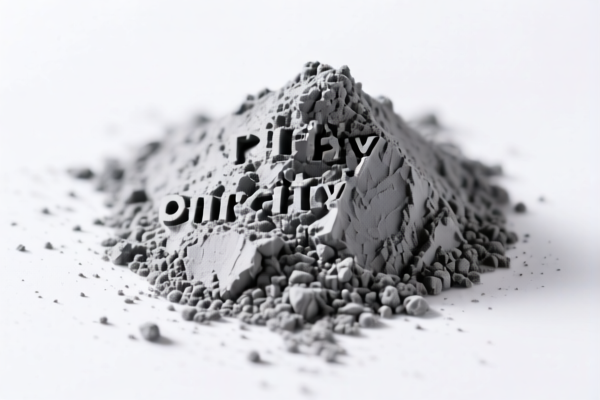
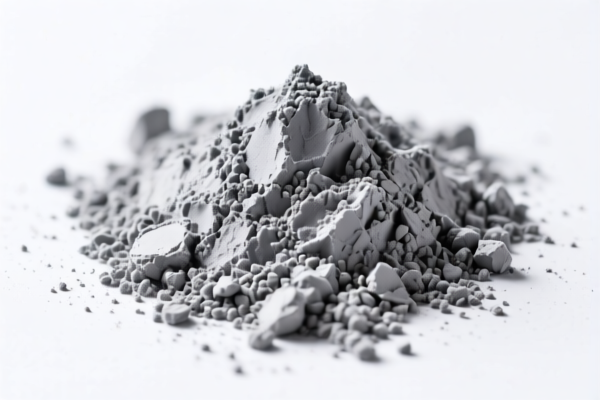
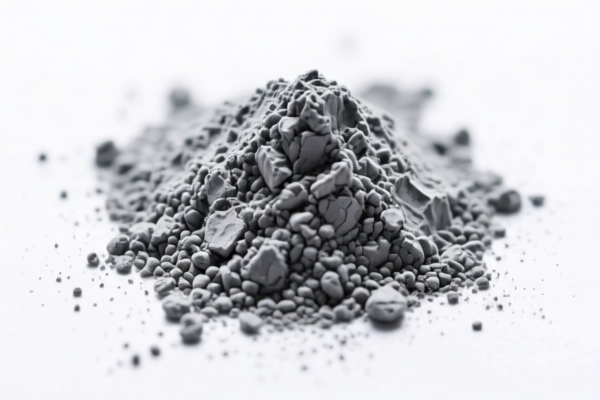
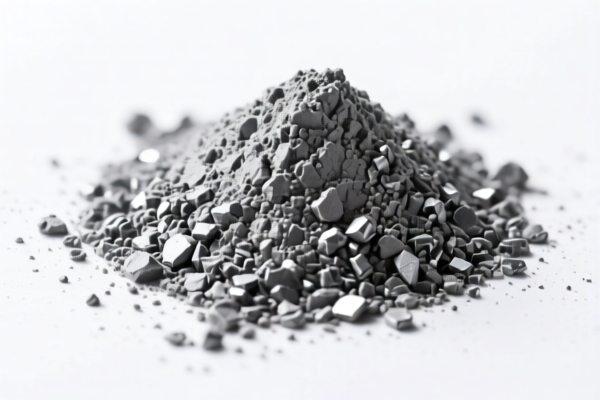
AI Analysis
⚒️ Bimetal Casting Special Powder (双金属铸造用定制粉末)
🌐 HS Code Reference & Customs Clearance Guide | 2026 Latest Tariff Analysis | Professional-Level Entry Strategy
📌 I. Product Definition: What Exactly Is "Bimetal Casting Powder"?
"Bimetal Casting Special Powder" refers to custom-formulated metallic powders used in the manufacturing of bimetallic components (e.g., steel-shaft bronze-bushing assemblies) via casting, sintering, or powder metallurgy processes.
Key Characteristics: * Form: Fine powder. * Composition: Can range from Steel/Iron alloys to specific metals like Zirconium (Zr), Hafnium (Hf), or Titanium (Ti), depending on the specific "bimetal" requirement. * Application: Industrial manufacturing, wear-resistant parts, and specialized mechanical components.
⚠️ Critical Classification Nuance:
The HS Code classification depends entirely on the specific metal content and alloy composition. There is no single "Bimetal Powder" code. Instead, it must be mapped to its constituent primary material: - If primarily Steel/Iron: Falls under Chapter 72 - If primarily Zirconium/Hafnium: Falls under Chapter 81 - If primarily Titanium: Falls under Chapter 81
📦 II. HS Code Classification Details (2026 Latest Tariff Mapping)
Based on the provided data, here are the four potential HS Codes depending on the specific metallurgical composition of your powder:
| HS Code | Product Description | Primary Material | Application Logic |
|---|---|---|---|
7205.21.00.00 |
Double-metal casting powder; Steel powder | Steel Alloys | Fits characteristics of "Steel powder" for alloying. |
7205.29.00.00 |
Double-metal casting powder; Iron/Steel powder | Iron/Steel | Fits general "Powders of iron or steel" category. |
8109.21.00.00 |
Double-metal casting powder; Zirconium/Hafnium powder | Zirconium (Zr) | Infers Zirconium content; fits specific Zirconium powder category. |
8109.29.00.00 |
Double-metal casting powder; Other Zirconium/Hafnium powder | Zirconium (Zr) | Fits "Other" Zirconium/Hafnium powder categories. |
8108.20.00.15 |
Double-metal casting powder; Titanium powder | Titanium (Ti) | Fits "Unwrought Titanium and Powder" category. |
🔍 Important Note:
- "Bimetal" is a functional term, not a material term. Customs will classify based on the chemical composition. - If your powder is a mix, it is typically classified by the principal metal by weight or value. - Do not assume one code applies to all "bimetal" powders. Misclassification leads to severe penalties.
💰 III. 2026 Latest Tariff Rate Breakdown (Including Surtaxes & Policy Add-ons)
✅ Applicable Country: United States (US)
✅ Origin: China (CN)
✅ Effective Date: November 10, 2025 (and subsequent imports)
🎯 1. 7205.21.00.00 & 7205.29.00.00 — Steel/Iron Based Powders
| Item | Details |
|---|---|
| Base Tariff | 0.0% (ad valorem) |
| Section 301 Surcharge | +25.0% |
| IEEPA Surcharge (Section 122) | +10.0% |
| Total Tariff Rate | 35.0% |
| Tax Calculation | CIF Value × 35% |
| De Minimis Exemption | ❌ Not Eligible (deny_de_minimis) |
| Legal Basis Path | USITC:7205.21.00.00 → SECTION_301 → IEEPA:9903.01.24 |
📌 Explanation:
- Steel and iron products from China are heavily scrutinized. - The 25% Section 301 tariff is standard for many steel-related goods. - The 10% IEEPA tariff is applied on top, bringing the total to 35%.
🎯 2. 8109.21.00.00 & 8109.29.00.00 — Zirconium/Hafnium Based Powders
| Item | Details |
|---|---|
| Base Tariff | 4.2% (ad valorem) |
| Section 301 Surcharge | 0.0% |
| IEEPA Surcharge (Section 122) | +10.0% |
| Total Tariff Rate | 14.2% |
| Tax Calculation | CIF Value × 14.2% |
| De Minimis Exemption | ❌ Not Eligible (deny_de_minimis) |
| Legal Basis Path | USITC:8109.21.00.00 → IEEPA:9903.01.25 → FOOTNOTE:9903.01.25 |
📌 Explanation:
- Zirconium and Hafnium are strategic metals but have different tariff treatments than steel. - No Section 301 surcharge applies to these specific Zirconium codes in this context. - However, the 10% IEEPA surcharge still applies, resulting in a total of 14.2%. - This is significantly cheaper than the steel-based option (14.2% vs. 35%).
🎯 3. 8108.20.00.15 — Titanium Based Powder
| Item | Details |
|---|---|
| Base Tariff | 15.0% (ad valorem) |
| Section 301 Surcharge | +25.0% |
| IEEPA Surcharge (Section 122) | +10.0% |
| Total Tariff Rate | 50.0% |
| Tax Calculation | CIF Value × 50.0% |
| De Minimis Exemption | ❌ Not Eligible (deny_de_minimis) |
| Legal Basis Path | USITC:8108.20.00.15 → SECTION_301 → IEEPA |
📌 Explanation:
- Titanium products from China face the highest tariff burden among the options provided. - Base rate (15%) + 301 (25%) + IEEPA (10%) = 50%. - This is a very high tariff rate and significantly impacts cost efficiency.
🛠️ IV. Customs Clearance Practical Advice (Pitfall Avoidance Guide)
✅ 1. Preparation Checklist (Mandatory)
| Document | Required? | Notes |
|---|---|---|
| ✅ Product Specification Sheet | ✔️ | Must list exact chemical composition (e.g., "99% Fe, 1% Cr") and particle size distribution. |
| ✅ Material Safety Data Sheet (MSDS) | ✔️ | Required for hazardous material classification (powders can be flammable). |
| ✅ Certificate of Analysis (COA) | ✔️ | Proves the "Bimetal" claim and actual metal content. |
| ✅ Commercial Invoice | ✔️ | Must clearly state "Metal Powder for Casting" and precise HS Code. |
| ✅ Packing List | ✔️ | Detailed weight and volume info. |
| ✅ FCC/CE/RoHS Certificates | ✔️ | If applicable for end-use electronics. |
✅ 2. Declaration Strategy (Key Mantra)
🔥 "Composition is King, Not Function!"
| Scenario | Correct Declaration | Wrong Practice |
|---|---|---|
| Steel-based powder | 7205.29.00.00 |
Misdeclaring as "Chemical Compound" → Risk of penalty |
| Zirconium-based powder | 8109.29.00.00 |
Misdeclaring as "Iron Powder" → Wrong tax (14.2% vs 35%) |
| Titanium-based powder | 8108.20.00.15 |
Misdeclaring as "Aluminum Powder" → Severe penalty |
| Mixed Powder | Declare by Principal Metal | Vague description "Bimetal Mix" → Customs Detention |
✅ 3. Special Handling Cases
| Case | Handling Advice |
|---|---|
| Flammable Powder | Classify as Hazardous Material. May require special packaging and UN certification. |
| Custom Alloy | Provide detailed CoA. If the principal metal cannot be determined, Customs may assign a default code (often Steel/Iron → 35% tax). |
| Small Samples | If under $800, still subject to duties if denied de minimis (as per data). Do not rely on de minimis exemption for these HS codes. |
🌍 V. Global Market Comparison (2026)
| Country/Region | Recommended HS Code | Estimated Tariff | Certification | Notes |
|---|---|---|---|---|
| 🇺🇸 USA | Depends on Metal | 14.2% – 50.0% | MSDS, COA | Highest Tariffs among major markets due to IEEPA/301. |
| 🇨🇳 China | Depends on Metal | 0% – 5% | None | Low import duties, no surtaxes. |
| 🇪🇺 EU | Depends on Metal | 0% – 6.5% | REACH, RoHS | No Section 301/IEEPA equivalents. |
| 🇯🇵 Japan | Depends on Metal | 0% – 5% | PSE (if applicable) | Favorable tariff rates. |
📌 Conclusion:
- The US market is the most expensive for importing Bimetal Casting Powder due to multiple layers of tariffs. - Zirconium-based powders (8109.xx) offer the lowest duty rate (14.2%) among US-bound shipments. - Titanium-based powders (8108.xx) are the most expensive (50%).
📌 VI. Common Errors & Pitfalls (Blood & Tears Lessons)
❌ Error 1: Declaring "Bimetal Powder" as a generic "Industrial Material" without specifying the metal.
👉 Consequence: Customs will classify it under the default steel/iron category → 35% Tax.
❌ Error 2: Assuming de minimis ($800) applies.
👉 Consequence: These HS codes are explicitly excluded from de minimis exemption. Even small shipments will be taxed.
❌ Error 3: Providing a vague MSDS.
👉 Consequence: Powder may be classified as Hazardous Material, leading to storage fees, delays, or rejection.
❌ Error 4: Misidentifying Zirconium as Steel.
👉 Consequence: Overpayment of tax? No, usually Underpayment → Fines + Back Taxes. Zirconium is 14.2%, Steel is 35%. If you declare Steel for Zirconium, you pay more. If you declare Zirconium for Steel, you pay less but commit fraud.
✅ Correct Practice:
"Zirconium Alloy Powder for Bimetal Casting, Particle Size <50µm, Zr Content 99.5%, MSDS Provided, HS 8109.29.00.00"
🎯 VII. Conclusion: Precise Classification Saves Money!
🎯 Remember the Mantra:
🔹 "Zirconium 14, Steel 35, Titanium 50 – Know Your Metal!"
🔹 "No De Minimis for Powder – Pay Your Taxes!"
🔹 "MSDS is Mandatory – Avoid Hazmat Delays!"
📌 Pro Tip:
If your product is originally from Vietnam, Mexico, or Malaysia, you may apply for IEEPA Exemptions, potentially reducing tariffs to 0%–5%.
👉 Recommendation:
📞 Contact a professional customs broker + Provide detailed COA + Apply for Advance Ruling for your specific batch.
📣 Immediate Action:
🚀 Ensure your HS Code matches the PRIMARY METAL content.
💼 Your every dollar of cost deserves precise calculation!
✨ Professional Clearance Starts with Accurate Classification!
Customer Reviews
About HS Code Classification
The Harmonized System (HS) is an internationally standardized nomenclature developed by the World Customs Organization (WCO) to classify traded products. Over 200 countries use the HS system as the basis for customs tariffs, trade statistics, and import/export regulations.
Each HS code follows a hierarchical structure:
- Chapter (2 digits) — Broad category of goods (e.g., Chapter 84: Machinery and Mechanical Appliances)
- Heading (4 digits) — More specific grouping within the chapter
- Subheading (6 digits) — Internationally standardized breakdown, used by all WCO member countries
- National subdivisions (8-10 digits) — Country-specific extensions for further classification, such as US HTSUS 10-digit codes
Correct HS code classification is essential for smooth customs clearance, accurate duty payment, and compliance with trade regulations. Misclassification can lead to customs delays, overpayment of duties, or penalties.
When importing from CN to US, the applicable tariff rates may include:
- Most-Favored-Nation (MFN) rate — The standard duty rate applied to WTO members
- General rate — Applied to countries without trade agreements
- Trade remedy duties — Additional tariffs such as Section 301 (anti-dumping), Section 232 (national security), or countervailing duties
The information provided on this page is for reference purposes only. For official classification, please consult with your local customs authority or a licensed customs broker.