Binder Mixture for Chip Manufacturing
CN → US| HS Code | Tariff Rate | Origin | Destination | Doc |
|---|---|---|---|---|
| 3910000000 | 38.0% | CN | US | Official Doc |
| 3810905000 | 40.0% | CN | US | Official Doc |
| 3808999501 | 40.0% | CN | US | Official Doc |
| 3808695000 | 40.0% | CN | US | Official Doc |
Product Images
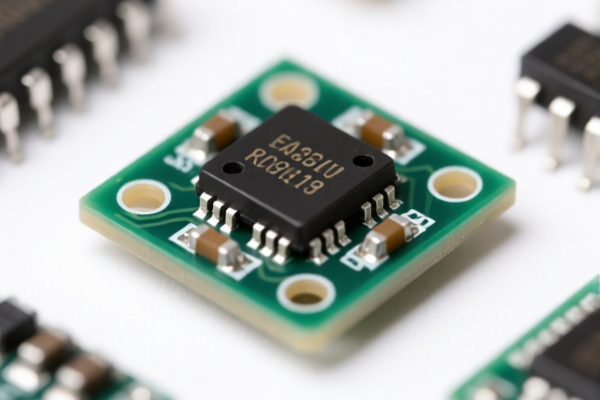
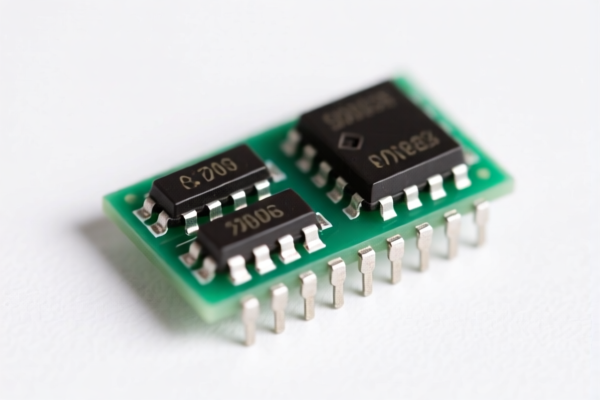
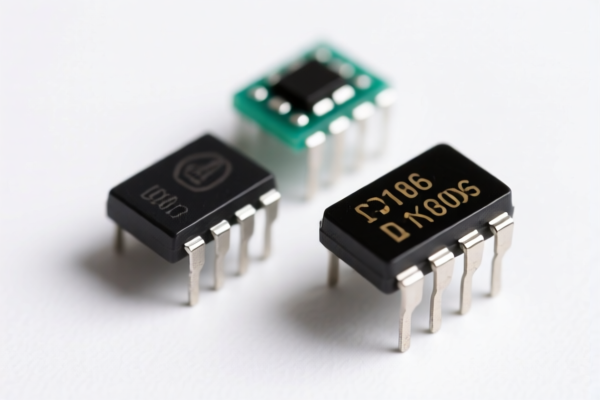
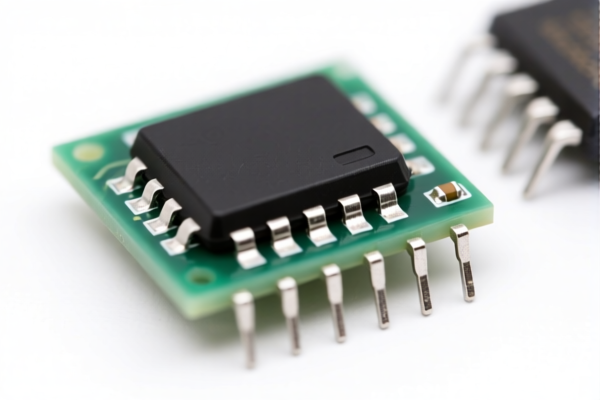
AI Analysis
🧪 Binder Mixture for Chip Manufacturing (Core for Soldering Electrodes/Chip Production)
🌐 HS Code Reference & Customs Clearance Guide | 2026 Latest Tariff Analysis | Professional Clearance Strategy
📌 I. Product Definition & Classification: What Exactly is This "Binder Mixture"?
The "Binder Mixture for Chip Manufacturing" refers to a chemical composition used primarily as a core material in the production of soldering electrodes, welding rods, or specific electronic component binders. In international trade, this product falls under the broader category of Chemical Products and Preparations.
Depending on its specific chemical function and final application within the manufacturing process, it can be classified into three distinct HS Code categories. The key distinction lies in whether it is viewed as a general chemical binder, a soldering flux/binder, or a specialized chemical mixture.
⚠️ Key Distinction Points:
- If it is primarily a structural binder for chip substrates → Consider 3910.00.00.00;
- If it is used as a flux or core material for soldering/welding → Consider 3810.90.50.00;
- If it contains pesticidal/fungicidal properties or acts as a general chemical disinfectant/additive in the mixture → Consider 3808.99.95.01 or 3808.69.50.00.
📦 II. HS Code Classification Details (2026 Latest Tariff Authority Comparison)
| HS Code | Product Description | Application Scenario | Tax Burden (US Origin) |
|---|---|---|---|
3910.00.00.00 |
Chemical binders, in primary forms | General chemical binders for chip manufacturing substrates | 38.0% |
3810.90.50.00 |
Preparations for soldering brazing | Core material for soldering electrodes/welding rods | 40.0% |
3808.99.95.01 |
Pesticides, fungicides, etc. (Other) | Chemical mixtures with disinfectant/pesticidal attributes | 40.0% |
3808.69.50.00 |
Other insecticides, fungicides, etc. | General chemical disinfectants/additives in binder mixtures | 40.0% |
🔍 Key Reminder:
- 3910 is for general chemical binders (primary forms).
- 3810 is specifically for soldering/brazing preparations (fluxes, core materials).
- 3808 codes apply if the mixture has disinfectant, fungicidal, or pesticidal functions as part of its chemical profile.
- All these codes attract significant additional tariffs for Chinese-origin goods.
💰 III. 2026 Latest Tariff Rate Details (Including Surcharges & Policy Add-ons)
✅ Applicable Country: United States (US)
✅ Country of Origin: China (CN)
✅ Effective Date: From November 10, 2025 (including subsequent imports)
🎯 1. 3910.00.00.00 – Chemical Binders in Primary Forms
| Item | Content |
|---|---|
| Basic Tariff | 3.0% (ad valorem) |
| Section 301 Surcharge | +25.0% (Additional Duty) |
| Section 122 Duty | +10.0% (USITC Footnote 122) |
| Total Tariff Rate | 38.0% |
| Tax Calculation | CIF Value × 38.0% |
| De Minimis Eligibility | ❌ Not Eligible (deny_de_minimis) |
| Legal Basis Path | USITC:3910.00.00.00 → FOOTNOTE:301.88.01 → FOOTNOTE:122 |
📌 Explanation:
- "Basic Tariff 3.0%" is the standard MFN rate for chemical binders.
- "Section 301 Surcharge 25%" is imposed under U.S. Trade Law Section 301 against Chinese products.
- "Section 122 Duty 10%" is an additional levy under specific U.S. customs provisions.
- Total 38%: This is a high tariff rate, significantly impacting cost structures.
🎯 2. 3810.90.50.00 – Preparations for Soldering/Brazing
| Item | Content |
|---|---|
| Basic Tariff | 5.0% (ad valorem) |
| Section 301 Surcharge | +25.0% (Additional Duty) |
| Section 122 Duty | +10.0% (USITC Footnote 122) |
| Total Tariff Rate | 40.0% |
| Tax Calculation | CIF Value × 40.0% |
| De Minimis Eligibility | ❌ Not Eligible (deny_de_minimis) |
| Legal Basis Path | USITC:3810.90.50.00 → FOOTNOTE:301.88.01 → FOOTNOTE:122 |
📌 Note:
- If the binder is explicitly used as a soldering electrode core, this code is most accurate.
- Total 40%: Even higher than 3910.00.00.00 due to the higher base rate (5% vs 3%).
🎯 3. 3808.99.95.01 & 3808.69.50.00 – Chemical Disinfectants/Additives
| Item | Content |
|---|---|
| Basic Tariff | 5.0% (ad valorem) |
| Section 301 Surcharge | +25.0% (Additional Duty) |
| Section 122 Duty | +10.0% (USITC Footnote 122) |
| Total Tariff Rate | 40.0% |
| Tax Calculation | CIF Value × 40.0% |
| De Minimis Eligibility | ❌ Not Eligible (deny_de_minimis) |
| Legal Basis Path | USITC:3808.99.95.01 / 3808.69.50.00 → FOOTNOTE:301.88.01 → FOOTNOTE:122 |
📌 Note:
- These codes apply if the binder mixture has disinfectant, fungicidal, or pesticidal chemical properties.
- Even if the primary function is binding, if the formulation includes such agents, customs may classify it under Chapter 38.
- Total 40%: Same high burden as soldering preparations.
🛠️ IV. Customs Clearance Practical Advice (Real-World Pitfall Avoidance)
✅ 1. Documentation Checklist (Mandatory)
| Document | Required | Description |
|---|---|---|
| ✅ Product Specification Sheet | ✔️ | Detailed chemical composition, CAS numbers, primary function |
| ✅ Technical Data Sheet (TDS) | ✔️ | Explains usage as binder, flux, or additive |
| ✅ Product Photos (with Label) | ✔️ | Clear visibility of chemical labels, hazard symbols |
| ✅ Safety Data Sheet (SDS) | ✔️ | Crucial for chemical products; identifies if it’s a disinfectant/pesticide |
| ✅ Commercial Invoice | ✔️ | Must state: "Chemical Binder Mixture for Chip Manufacturing" |
| ✅ Certificate of Origin (CO) | ✔️ | Required for tariff calculation |
| ✅ Packing List | ✔️ | Detail net/gross weight, volume |
✅ 2. Declaration Tips (Key Mantra)
🔥 "Declare Function, Not Just Name: Binder or Flux? Clarify It!"
| Scenario | Correct Declaration | Error to Avoid |
|---|---|---|
| General chemical binder for chip substrate | 3910.00.00.00 |
Misdeclaring as soldering flux → 40% vs 38% |
| Core material for soldering rods | 3810.90.50.00 |
Misdeclaring as general binder → 38% vs 40% |
| Mixture with disinfectant/pesticidal agents | 3808.99.95.01 / 3808.69.50.00 |
Hiding chemical properties → Seizure/Fine |
| Unclear chemical nature | Request Ruling | Guessing code → Delayed Customs Release |
✅ 3. Special Case Handling
| Scenario | Handling Advice |
|---|---|
| OEM Custom Binder | Provide client specs + formulation breakdown to prove primary function |
| Multi-functional Mixtures | If it’s both a binder AND a disinfectant, customs may choose the more specific code (3808) → Higher tax |
| Chemical Hazard Symbols Present | Ensure SDS is submitted proactively; may trigger additional safety inspections |
| Chip Manufacturing Context | Emphasize "Electronics Component" use, but function (binder/flux) drives HS Code |
🌍 V. Global Market Comparison (2026 Latest)
| Country/Region | Recommended HS Code | Tariff | Certification | Remarks |
|---|---|---|---|---|
| 🇺🇸 USA | 3910.00.00.00 / 3810.90.50.00 / 3808.* |
38%-40% | SDS Required | High additional tariffs |
| 🇨🇳 China | 3910.00.00.00 / 3810.90.50.00 |
~5%-10% | REACH (if EU-bound) | No Section 301/122 |
| 🇪🇺 EU | 3910.00.00 / 3810.90 |
~3%-6% | REACH + CLP | No US-style surcharges |
| 🇦🇺 Australia | 3910.00.00 / 3810.90 |
~5%-10% | ACS | Standard MFN rates |
📌 Conclusion:
- USA is the only major market imposing 38%-40% total tariffs on these chemical binders/mixtures from China.
- EU/Asia/Australia have standard MFN rates, making them more cost-effective for imports.
- Cost-Benefit Analysis: Consider shifting supply chain or adjusting pricing strategy for US-bound goods.
📌 VI. Common Errors & Pitfall Guide (Lessons Learned)
❌ Error 1: Declaring as "Electronics Accessory" instead of Chemical Product
👉 Consequence: Customs reclassifies → Penalties + Back Taxes!
❌ Error 2: Ignoring SDS for chemical mixtures
👉 Consequence: Held for Inspection → Delayed Delivery + Storage Fees!
❌ Error 3: Using vague terms like "Glue" or "Paste"
👉 Consequence: Unclear classification → Dispute on HS Code → Audit Risk!
❌ Error 4: Assuming De Minimis applies
👉 Consequence: Not Eligible for chemical products under Section 301/122 → Full Tax Applies!
✅ Correct Approach:
"Chemical Binder Mixture, Primary Form, for Chip Manufacturing Substrates, CAS: [Number], SDS Attached, Model: XYZ"
🎯 VII. Conclusion: Precise Declaration Saves Money!
🎯 Remember the Mantra:
🔹 "Function Defines Code: Binder 38%, Flux 40%, Disinfectant 40%!"
🔹 "Chemical Products, No De Minimis, Full Tax Applies!"
🔹 "SDS is King, Vague Terms Kill!"
📌 Pro Tip:
If your binder mixture originates from Vietnam, Mexico, Thailand, or Malaysia, you may qualify for IEEPA Exemptions (lower or 0% tariffs);
Recommend Applying for an Advance Ruling before shipment to avoid clearance risks.
📣 Immediate Action:
📞 Contact a Professional Customs Broker + Provide SDS + Apply for HS Code Advance Ruling
🚀 Ensure Smooth Clearance, Efficient Global Trade, Maximized Profit Margins!
✨ Professional Clearance Starts with Accurate Classification!
💼 Every Dollar of Cost Deserves Precision!
Customer Reviews
About HS Code Classification
The Harmonized System (HS) is an internationally standardized nomenclature developed by the World Customs Organization (WCO) to classify traded products. Over 200 countries use the HS system as the basis for customs tariffs, trade statistics, and import/export regulations.
Each HS code follows a hierarchical structure:
- Chapter (2 digits) — Broad category of goods (e.g., Chapter 84: Machinery and Mechanical Appliances)
- Heading (4 digits) — More specific grouping within the chapter
- Subheading (6 digits) — Internationally standardized breakdown, used by all WCO member countries
- National subdivisions (8-10 digits) — Country-specific extensions for further classification, such as US HTSUS 10-digit codes
Correct HS code classification is essential for smooth customs clearance, accurate duty payment, and compliance with trade regulations. Misclassification can lead to customs delays, overpayment of duties, or penalties.
When importing from CN to US, the applicable tariff rates may include:
- Most-Favored-Nation (MFN) rate — The standard duty rate applied to WTO members
- General rate — Applied to countries without trade agreements
- Trade remedy duties — Additional tariffs such as Section 301 (anti-dumping), Section 232 (national security), or countervailing duties
The information provided on this page is for reference purposes only. For official classification, please consult with your local customs authority or a licensed customs broker.