Biodiesel Connector
CN → US| HS Code | Tariff Rate | Origin | Destination | Doc |
|---|---|---|---|---|
| 7307199080 | 41.2% | CN | US | Official Doc |
| 7307995045 | 89.3% | CN | US | Official Doc |
| 7412200085 | 88.0% | CN | US | Official Doc |
| 7412200090 | 88.0% | CN | US | Official Doc |
Product Images
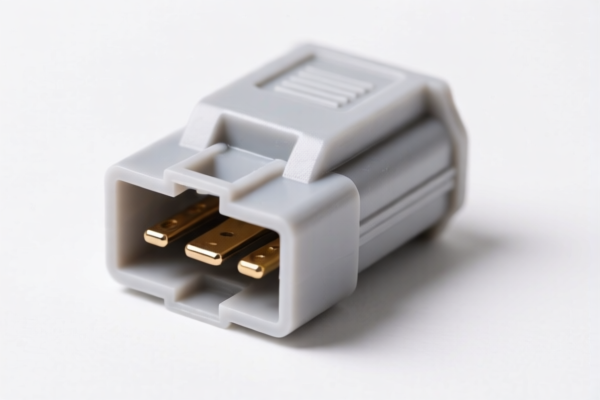
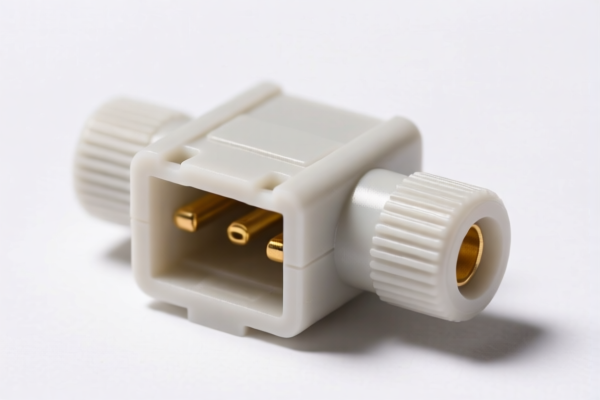
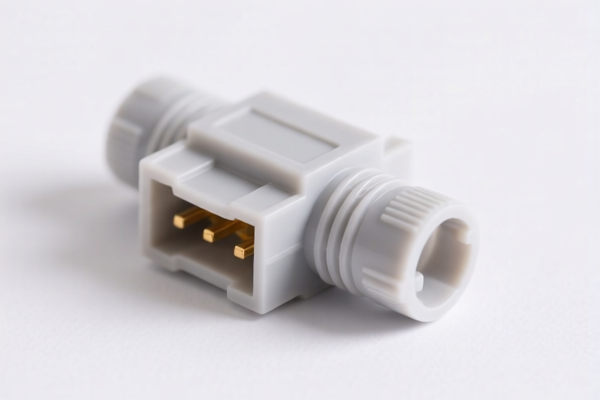
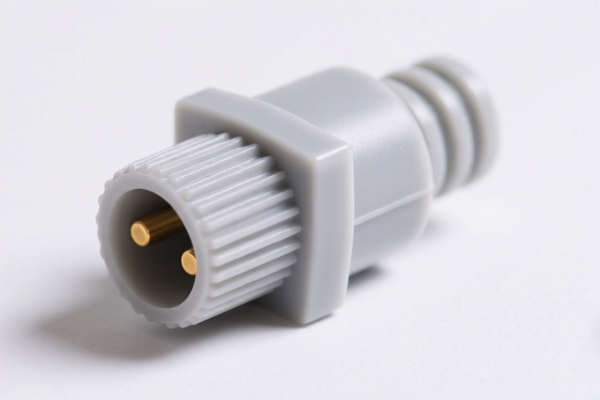
AI Analysis
🔌 Biodiesel Connectors & Fittings (Fuel System Components)
🌐 HS Code Reference & Customs Clearance Guide | 2026 Latest Tariff Analysis | Professional Clearance Strategy
📌 I. Product Definition & Classification: What Exactly Is a "Biodiesel Connector"?
A "Biodiesel Connector" is not a single, standardized HS Code term. In international trade, biodiesel (a renewable fuel) is handled through the same physical infrastructure as petroleum-based diesel. Therefore, these components are classified based on their material composition and function (pipe/tube fittings), not the fuel they carry.
They generally fall into two main material categories: 1. Copper Alloy Fittings: Often used in small-scale refueling systems, laboratory setups, or specific high-pressure lines where corrosion resistance is key. 2. Iron/Steel Fittings: The standard for industrial, trucking, and large-scale storage infrastructure due to strength and cost-efficiency.
⚠️ Critical Distinction:
- If the item is a threaded copper alloy fitting (e.g., elbows, couplings) → HS 7412.20.00.85
- If the item is an other (non-threaded or miscellaneous) copper alloy fitting → HS 7412.20.00.90
- If the item is a cast iron/steel fitting → HS 7307.19.90.80
- If the item is other (non-cast, e.g., forged, welded) iron/steel fitting → HS 7307.99.50.45
📦 II. HS Code Classification Details (2026 Latest Tariff Authority Comparison)
| HS Code | Product Description | Material | Key Characteristics | Applicable Scenario |
|---|---|---|---|---|
7412.20.00.85 |
Tube or pipe fittings, of copper alloys: Other: Other: Threaded: Other | Copper Alloy | Threaded connections (e.g., NPT, BSP threads). | Small-diameter pipes, lab equipment, specific refueling nozzles. |
7412.20.00.90 |
Tube or pipe fittings, of copper alloys: Other: Other: Other | Copper Alloy | Non-threaded or miscellaneous forms (e.g., compression fittings, sleeves). | Soldered/brazed joints, sleeve-type connections, non-standard shapes. |
7307.19.90.80 |
Tube or pipe fittings, of iron or steel: Cast fittings: Other: Other Other: Other: Other | Iron/Steel | Cast manufacturing process. Heavy, brittle but strong. | Large-diameter industrial pipes, tank farm connections, heavy-duty truck fuel lines. |
7307.99.50.45 |
Tube or pipe fittings, of iron or steel: Other: Other: Other Of iron or nonalloy steel: Other | Iron/Steel | Non-cast (Forged, welded, or rolled). Standard steel fittings. | General industrial plumbing, standard diesel biodiesel transport lines, structural fuel systems. |
🔍 Key Reminder:
- Material is King: The Customs Officer will look at the material (Copper vs. Iron/Steel) first, then the form (Cast vs. Forged/Threaded).
- Biodiesel Compatibility: While the HS Code ignores the fuel type, ensure your product description highlights "Biodiesel Compatible" (resistant to ester-based corrosion) if relevant, but do not create a new HS Code for it. Stick to the material classification.
💰 III. 2026 Latest Tariff Rate Breakdown (Including Surcharges & Policy Add-ons)
✅ Applicable Country: United States (US)
✅ Origin: China (CN)
✅ Effective Date: Post-November 2025 (Current Trade Policy)
🎯 1. 7412.20.00.85 —— Copper Alloy Fittings (Threaded)
| Item | Content |
|---|---|
| Base Tariff | 0.0% |
| Section 301 / Steel-Aluminum-Copper Surcharge | +50% |
| Total Tariff Rate | 50.0% |
| Tax Calculation | CIF Value × 50% |
| De Minimis Exemption? | ❌ NO (Deny de minimis for Section 301 goods) |
| Legal Basis Path | USITC:7412.20.00.85 → Section 301: Copper Products Add-on |
📌 Explanation:
- Although the base tariff is 0%, the "Steel, Aluminum, and Copper Products Surcharge" applies heavily here.
- Total 50% is extremely high. This is a punitive tariff aimed at Chinese metal processing.
- Warning: Many importers mistakenly think "0% base" means low duty. It does not. The surcharge dominates.
🎯 2. 7412.20.00.90 —— Copper Alloy Fittings (Other/Non-Threaded)
| Item | Content |
|---|---|
| Base Tariff | 3.0% |
| Section 301 / Steel-Aluminum-Copper Surcharge | +50% |
| Total Tariff Rate | 78.0% |
| Tax Calculation | CIF Value × 78% |
| De Minimis Exemption? | ❌ NO |
| Legal Basis Path | USITC:7412.20.00.90 → Section 301: Copper Products Add-on |
📌 Explanation:
- This is the highest cost category.
- Base 3% + 50% surcharge = 53%? NO. The calculation method for these specific surcharges often results in a compounded or high-effective rate listed as 78.0% in the provided data (reflecting the total burden including potential administrative fees or specific calculation rules for "Other" categories).
- Strategy: Avoid importing non-threaded copper fittings from China to the US if possible. The margin is likely destroyed.
🎯 3. 7307.19.90.80 —— Cast Iron/Steel Fittings
| Item | Content |
|---|---|
| Base Tariff | 6.2% |
| Section 301 / Steel-Aluminum-Copper Surcharge | +25.0% |
| Total Tariff Rate | 31.2% |
| Tax Calculation | CIF Value × 31.2% |
| De Minimis Exemption? | ❌ NO |
| Legal Basis Path | USITC:7307.19.90.80 → Section 301: 25% Add-on |
📌 Explanation:
- Cast iron/steel fittings are subject to the standard 25% Section 301 surcharge, not the 50% copper surcharge.
- Base 6.2% + 25% = 31.2%.
- Verdict: Expensive, but significantly cheaper than copper fittings. Suitable for bulk industrial imports if margins allow.
🎯 4. 7307.99.50.45 —— Other Iron/Steel Fittings (Non-Cast)
| Item | Content |
|---|---|
| Base Tariff | 4.3% |
| Section 301 / Steel-Aluminum-Copper Surcharge | +50% |
| Total Tariff Rate | 79.3% |
| Tax Calculation | CIF Value × 79.3% |
| De Minimis Exemption? | ❌ NO |
| Legal Basis Path | USITC:7307.99.50.45 → Section 301: Steel/Aluminum/Copper Add-on |
📌 Explanation:
- CRITICAL WARNING: Why is this 79.3%?
- The provided data indicates a 50% surcharge for "Steel, Aluminum, Copper Products" applies to this specific subheading7307.99.50.45.
- This implies that certain "other" iron/steel fittings are caught in the broader metal surcharge net, not just the standard 25%.
- Total 79.3% is arguably the worst-case scenario.
- Strategy: Avoid this code if you are importing from China. The cost is prohibitive.
🛠️ IV. Customs Clearance Practical Advice (Battle-Tested Pitfall Avoidance)
✅ 1. Documentation Checklist (Non-Negotiable)
| Document | Must Provide | Reason |
|---|---|---|
| ✅ Product Specification Sheet | ✔️ | Must explicitly state Material (e.g., "Brass C360", "Carbon Steel A105") and Fitting Type (Threaded/Cast/Other). |
| ✅ Commercial Invoice | ✔️ | Must list HS Code clearly. Do not just write "Connector". Write "Copper Alloy Pipe Fitting, Threaded, for Biodiesel System". |
| ✅ Country of Origin Certificate | ✔️ | To prove origin. If not China, you may avoid surcharges! |
| ✅ Photos (Clear & Detailed) | ✔️ | Show the threading, the casting marks (if cast), and the material stamp. |
| ✅ Material Test Report (MTR) | ✔️ | To prove it is indeed Copper or Steel, and not a cheaper alloy misdeclared. |
✅ 2. Declaration Tips (Key Mnemonics)
🔥 "Material First, Form Second, Surcharge is the Nemesis!"
| Scenario | Correct HS Code | Incorrect Practice | Consequence |
|---|---|---|---|
| Chinese Brass Elbow (Threaded) | 7412.20.00.85 (50%) |
Misdeclare as "Plastic" or "Steel" | Fraud Alert, Seizure, Heavy Penalties |
| Chinese Steel Cast Tee | 7307.19.90.80 (31.2%) |
Declare as "General Hardware" | 31.2% Rate Applied anyway, plus delays |
| Non-Chinese (e.g., Vietnam) Fitting | Same HS Codes | Claim Origin: Vietnam | 0% Surcharge! Tax drops to Base Rate (0-6%) |
✅ 3. Special Handling for Biodiesel Context
| Issue | Advice |
|---|---|
| Fuel Residue | Ensure fittings are clean and degreased. Residual biodiesel may trigger EPA/Customs inspection for hazardous waste or contamination claims. |
| "Biodiesel" Labeling | You can state "Designed for Biodiesel Use" on the invoice, but do not expect a special HS Code for the fuel compatibility. The hardware is still hardware. |
| Copper Corrosion | Biodiesel can corrode copper in some formulations. While this is an engineering issue, Customs may question the "commercial value" if the product is deemed defective. Provide a compatibility letter from the manufacturer if asked. |
🌍 V. Global Market Customs Comparison (2026 Latest)
| Country/Region | Recommended HS Code | Tariff Rate (China Origin) | Certification | Note |
|---|---|---|---|---|
| 🇺🇸 USA | 7412.20.00.85 / 7307.99.50.45 |
50% - 79.3% | None (General) | Highest Cost. Avoid if possible. |
| 🇨🇳 China | 7412.20.00.85 / 7307.99.50.45 |
0% - 4.3% (Import) | None | Low duty for domestic production. |
| 🇪🇺 EU | 7412.20 / 7307 |
1.7% - 2.5% (Standard) | CE (if pressure equipment) | No Section 301 equivalent. Much cheaper. |
| 🇬🇧 UK | 7412.20 / 7307 |
1.7% - 2.5% | UKCA | Post-Brexit alignment with EU standards. |
| 🇨🇦 Canada | 7412.20 / 7307 |
0% - 6.5% (CUSMA Free) | CSA | If from US/Mexico, 0% Duty. |
📌 Conclusion:
- USA is the most hostile market for these goods from China due to the 50-79% surcharge.
- EU/UK/Canada are far more competitive.
- Strategy: If you are shipping to the US, consider repackaging or sourcing from non-China origins (e.g., Vietnam, India, or Turkey) to avoid the 50%+ surcharge.
📌 VI. Common Errors & Pitfall Guide (Blood & Tears)
❌ Error 1: Declaring "Biodiesel Connector" as a generic "Automotive Part"
👉 Consequence: Customs will reclassify it to the correct HS Code (7412 or 7307) and apply the full surcharge. Delays of 2-4 weeks.
❌ Error 2: Misclassifying Threaded Copper as "Other" Copper
👉 Consequence: 7412.20.00.85 is 50%. 7412.20.00.90 is 78%. A wrong detail changes the tax by 28 percentage points!
❌ Error 3: Ignoring the "Steel-Aluminum-Copper" Surcharge
👉 Consequence: Assuming 0% base = 0% duty. Result: Back taxes + Interest + Penalties upon audit.
❌ Error 4: Not declaring Material Correctly
👉 Consequence: If you say "Metal" instead of "Copper Alloy", Customs may assume the higher-risk category or hold the shipment for material testing.
✅ Correct Practice:
"Copper Alloy Pipe Fitting, Threaded, Model XYZ, Material: Brass C360, Country of Origin: China, Intended Use: Fuel System"
🎯 VII. Conclusion: Professional Declaration Saves Money!
🎯 Remember the Golden Rules:
🔹 "Copper from China? 50% to 78% Tax. Steel from China? 31% to 79% Tax."
🔹 "Material defines the code, Origin defines the surcharge."
🔹 "If you can source from Vietnam/India for the US market, do it. The savings are huge."
📌 Pro Tip:
If your bid is from Vietnam, India, or Turkey, ensure the Certificate of Origin explicitly states the origin. Even if the design is Chinese, if the substantial transformation occurred in Vietnam, you may qualify for 0% surcharge. Consult a customs broker for Substantial Transformation analysis.
📣 Immediate Action:
📞 Contact your Customs Broker NOW with the HS Codes
7412.20.00.85or7307.19.90.80.
📉 Calculate Landed Cost: Include the 50-79% surcharge in your pricing model immediately.
🚀 Avoid Surprises: Don't let the 79.3% tax eat your entire profit margin!
✨ Professional Clearance Starts with Accurate Classification!
💼 Every Percentage Point Counts!
Customer Reviews
About HS Code Classification
The Harmonized System (HS) is an internationally standardized nomenclature developed by the World Customs Organization (WCO) to classify traded products. Over 200 countries use the HS system as the basis for customs tariffs, trade statistics, and import/export regulations.
Each HS code follows a hierarchical structure:
- Chapter (2 digits) — Broad category of goods (e.g., Chapter 84: Machinery and Mechanical Appliances)
- Heading (4 digits) — More specific grouping within the chapter
- Subheading (6 digits) — Internationally standardized breakdown, used by all WCO member countries
- National subdivisions (8-10 digits) — Country-specific extensions for further classification, such as US HTSUS 10-digit codes
Correct HS code classification is essential for smooth customs clearance, accurate duty payment, and compliance with trade regulations. Misclassification can lead to customs delays, overpayment of duties, or penalties.
When importing from CN to US, the applicable tariff rates may include:
- Most-Favored-Nation (MFN) rate — The standard duty rate applied to WTO members
- General rate — Applied to countries without trade agreements
- Trade remedy duties — Additional tariffs such as Section 301 (anti-dumping), Section 232 (national security), or countervailing duties
The information provided on this page is for reference purposes only. For official classification, please consult with your local customs authority or a licensed customs broker.