Birch Plywood Core Board
CN → US| HS Code | Tariff Rate | Origin | Destination | Doc |
|---|---|---|---|---|
| 4412330620 | 35.0% | CN | US | Official Doc |
| 4412330640 | 35.0% | CN | US | Official Doc |
| 4408900161 | 35.0% | CN | US | Official Doc |
Product Images
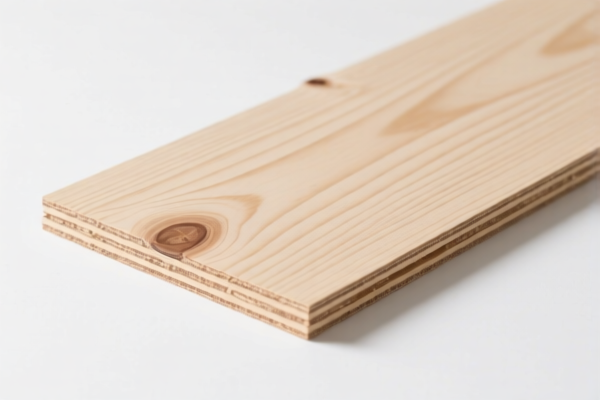
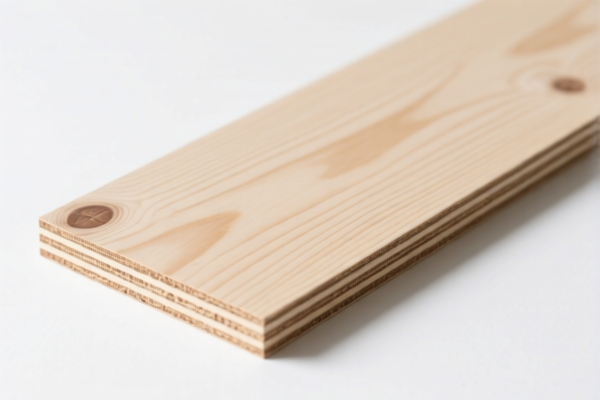
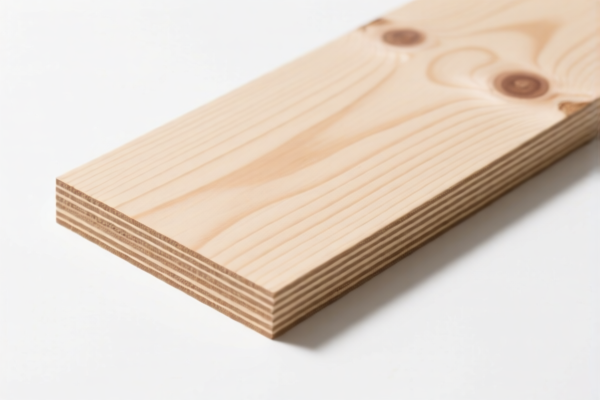
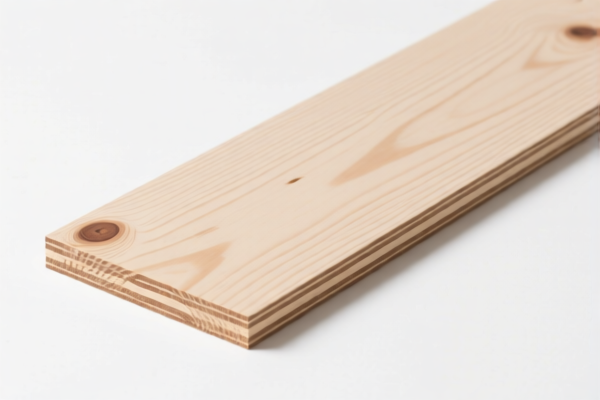
AI Analysis
🪵 Birch Plywood Core Board
🌐 HS Code Reference & Customs Clearance Guide | 2026 Latest Tariff Analysis | Professional Entry Strategy
📌 I. Product Definition: What is a "Birch Plywood Core Board"?
A Birch Plywood Core Board (often referred to as "core veneer" or "plywood core blank") is the inner structural layer of a plywood sheet. It is made from birch wood (non-coniferous) and is used as the substrate for further processing or as the central ply in multi-layer plywood.
In international trade, the classification depends heavily on the physical form (e.g., is it a finished core block, sliced veneer, or a specific component?) and the material composition (Birch is a non-coniferous hardwood).
⚠️ Key Distinction Point:
- If the product is a finished core board for plywood construction →归入 4412.33.06
- If the product is sliced wood/veneer used for plywood →归入 4408.90
- All listed HS Codes below reflect a 35% Total Tax Rate due to specific US trade policies on Chinese birch wood products.
📦 II. HS Code Classification Matrix (2026 Latest Tariff Authority)
Based on the provided data, there are three primary HS Code pathways for Birch Plywood Core Boards.
| HS Code | Product Description | Application Scenario | Material/Format Key |
|--------|--------------------------|--------------------------|
| 4412.33.06.20 | Birch Plywood Core Board | Standard plywood core, non-coniferous face layer is birch. | Core Board Format: Finished core plate. |
| 4412.33.06.40 | Birch Plywood Core Board | Component of laminated wood products (plywood). | Laminated Component: Part of a layered wood structure. |
| 4408.90.01.61 | Birch Plywood Core Board | Sliced or layered wood for plywood manufacturing. | Veneer/Sheet Format: Thin layers/slices (non-coniferous). |
🔍 Critical Note:
- All three codes explicitly state Birch (a non-coniferous tree).
- If the wood is not Birch (e.g., Pine, Spruce), these codes DO NOT apply (Coniferous codes like 4408.39 or 4412.31 would apply).
- The product must be Birch to fit these descriptions.
💰 III. 2026 Tariff Rate Breakdown (Including Surcharges)
✅ Applicable Country: United States (US)
✅ Origin: China (CN)
✅ Total Tax Rate: 35.0%
✅ Effective Date: Current (Subject to 301/122 Clause Updates)
🎯 1. 4412.33.06.20 & 4412.33.06.40 – Birch Plywood Core Board
| Item | Content |
|---|---|
| Base Tariff | 0.0% (Most Favored Nation rate for this subheading) |
| Section 301 Surcharge | +25.0% (USITC Footnote for Chinese hardwood plywood/panels) |
| Section 122 Surcharge | +10.0% (Specific provision for certain wood/plywood products) |
| Total Tax Rate | 35.0% |
| Tax Calculation | CIF Value × 35% |
| De Minimis Exemption? | ❌ No (These goods are subject to full duty assessment) |
| Legal Basis Path | USITC:4412.33.06 → Section 301: 25% + Section 122: 10% |
📌 Explanation:
- "Base Tariff 0%": The standard MFN duty for this specific HS subheading is 0%.
- "301 Surcharge 25%": This is the major tariff imposed under the Trade Act of 1974, Section 301, targeting Chinese imports in the wood and plywood sector.
- "Section 122 Surcharge 10%": This is an additional tariff applied to specific imports of wood and wood products, often related to forest trade enforcement or specific trade actions.
- Total Impact: Even though the base duty is 0%, the 35% effective rate makes this a high-cost commodity.
🎯 2. 4408.90.01.61 – Birch Veneer/Laminated Wood
| Item | Content |
|---|---|
| Base Tariff | 0.0% |
| Section 301 Surcharge | +25.0% |
| Section 122 Surcharge | +10.0% |
| Total Tax Rate | 35.0% |
| Tax Calculation | CIF Value × 35% |
| De Minimis Exemption? | ❌ No |
| Legal Basis Path | USITC:4408.90.01.61 → Section 301: 25% + Section 122: 10% |
📌 Note:
- This code is used if the product is classified as sliced wood or thin layers rather than a assembled "core board."
- The tax rate is identical (35%) to the plywood core board codes.
- Misclassification here (e.g., declaring veneer as a core board or vice versa) can lead to audits if the physical thickness and processing method differ significantly.
🛠️ IV. Customs Clearance Operational Advice (Pitfall Avoidance Guide)
✅ 1. Documentation Checklist (Mandatory)
| Document | Required? | Description |
|---|---|---|
| ✅ Commercial Invoice | ✔️ | Must specify "Birch Plywood Core Board" or "Birch Veneer." |
| ✅ Packing List | ✔️ | Detail dimensions, weight, and number of layers. |
| ✅ Product Specification | ✔️ | Crucial: Must state "Birch" (Non-coniferous) and dimensions. |
| ✅ Certificate of Origin (CO) | ✔️ | To prove Origin = China (if applicable) and eligibility for any preferential treatment (none here). |
| ✅ Processing Description | ✔️ | Clarify if it is "Core Board" (4412) or "Sliced Veneer" (4408). |
| ✅ Fumigation Certificate | ✔️ | Wood products must be ISPM 15 compliant to prevent pest control delays. |
✅ 2. Classification Strategy (Key Mnemonic)
🔥 "Birch Core = 4412, Birch Slice = 4408. Both pay 35%!"
| Scenario | Correct HS Code | Tax Rate | Risk if Misclassified |
|---|---|---|---|
| Assembled Core Block | 4412.33.06.20 |
35% | Low risk if clearly a core. |
| Part of Plywood Stack | 4412.33.06.40 |
35% | Low risk if used as component. |
| Thin Sliced Sheets | 4408.90.01.61 |
35% | High risk if declared as core board (wrong form). |
| Coniferous Wood (Pine) | ❌ None of these | Varies | Severe Penalty: Wrong HS code, potential seizure. |
✅ 3. Special Customs Handling
| Situation | Recommendation |
|---|---|
| Mixed Wood Types | If the core is Birch but the outer veneer is Oak, still classify under Birch Core (4412.33) if birch is the primary structural core. |
| Unfinished vs. Finished | Ensure the description matches "Core Board" (unfinished) vs. "Finished Plywood." Finished plywood may have different tariff implications. |
| Section 122 Clarification | Be prepared to provide proof that the product falls under the specific "wood/plywood" category subject to the 10% surcharge. |
| Audit Defense | Keep samples and technical diagrams. If CBP questions the "Birch" classification, provide a wood species identification report. |
🌍 V. Global Market Comparison (2026)
| Country/Region | Recommended HS Code | Tariff (China Origin) | Notes |
|---|---|---|---|
| 🇺🇸 USA | 4412.33.06.20 / 4408.90.01.61 |
35% (0% Base + 25% Sec 301 + 10% Sec 122) | High Barrier: Heavy tariffs apply to all birch wood products. |
| 🇨🇳 China | 4412.33.06 |
~5-10% (Import Duty) | Lower duty, but subject to domestic taxes. |
| 🇪🇺 EU | 4412.33 |
~6.5% | No Section 301 equivalent, but may have anti-dumping duties on some wood products. |
| 🇲🇽 Mexico | 4412.33 |
~5% | USMCA may allow duty-free if rules of origin are met. |
📌 Conclusion:
- The US market is the most expensive due to the 35% total tariff.
- No duty-free options are available for Chinese-origin birch core boards in the US.
- Consider Third-Country Processing (e.g., processing in Vietnam/Mexico) to potentially avoid Section 301 tariffs, but ensure origin rules are strictly followed.
📌 VI. Common Errors & Pitfalls (Blood & Tears Lessons)
❌ Error 1: Declaring "Birch Plywood" as "Other Wood Boards" (e.g., 4408.99)
👉 Consequence: Incorrect HS code, leading to 100% penalty and shipment detention.
❌ Error 2: Ignoring the "Section 122" 10% Surcharge
👉 Consequence: Underpayment of duty. CBP will demand back-taxes + interest.
❌ Error 3: Confusing "Birch" with "Coniferous" (Pine/Spruce)
👉 Consequence: Using wrong HS Code (4412.31 vs 4412.33). If caught, seizure of goods.
❌ Error 4: Failing to provide ISPM 15 Fumigation Certificate
👉 Consequence: Quarantine hold or destruction of wood products at US port.
✅ Correct Practice:
"Birch Plywood Core Board, Non-Coniferous, Untreated, ISPM 15 Certified, Origin: China"
HS Code:4412.33.06.20(or.40/4408.90.01.61as appropriate)
Duty: 35%
🎯 VII. Conclusion: Professional Declaration, Save Costs, Avoid Delays!
🎯 Remember the Golden Rules:
🔹 "Birch Core = 4412, Veneer = 4408. Both 35% in USA!"
🔹 "Fumigation is Mandatory, Origin Must Be Clear!"
🔹 "35% Tariff is Real, Plan Your Pricing Accordingly!"
📌 Pro Tip:
If you are exporting Birch Plywood Core Boards to the US:
1. Pre-classify with a licensed customs broker.
2. Ensure ISPM 15 compliance to avoid port delays.
3. Budget for 35% duty in your landed cost calculations.
4. Consider supply chain diversification if margins are thin.
📣 Immediate Action:
📞 Consult a Customs Broker + Provide Product Specs + Verify ISPM 15 Certification
🚀 Ensure smooth clearance, avoid penalties, and protect your profit margins!
✨ Professional clearance starts with accurate classification!
💼 Every percentage point matters in global trade!
Customer Reviews
About HS Code Classification
The Harmonized System (HS) is an internationally standardized nomenclature developed by the World Customs Organization (WCO) to classify traded products. Over 200 countries use the HS system as the basis for customs tariffs, trade statistics, and import/export regulations.
Each HS code follows a hierarchical structure:
- Chapter (2 digits) — Broad category of goods (e.g., Chapter 84: Machinery and Mechanical Appliances)
- Heading (4 digits) — More specific grouping within the chapter
- Subheading (6 digits) — Internationally standardized breakdown, used by all WCO member countries
- National subdivisions (8-10 digits) — Country-specific extensions for further classification, such as US HTSUS 10-digit codes
Correct HS code classification is essential for smooth customs clearance, accurate duty payment, and compliance with trade regulations. Misclassification can lead to customs delays, overpayment of duties, or penalties.
When importing from CN to US, the applicable tariff rates may include:
- Most-Favored-Nation (MFN) rate — The standard duty rate applied to WTO members
- General rate — Applied to countries without trade agreements
- Trade remedy duties — Additional tariffs such as Section 301 (anti-dumping), Section 232 (national security), or countervailing duties
The information provided on this page is for reference purposes only. For official classification, please consult with your local customs authority or a licensed customs broker.