Birch Wood Raw Material for Furniture
CN → US| HS Code | Tariff Rate | Origin | Destination | Doc |
|---|---|---|---|---|
| 4407960019 | 35.0% | CN | US | Official Doc |
| 4403960130 | 35.0% | CN | US | Official Doc |
| 4403950130 | 35.0% | CN | US | Official Doc |
| 9403910080 | 35.0% | CN | US | Official Doc |
| 9403608093 | 35.0% | CN | US | Official Doc |
Product Images
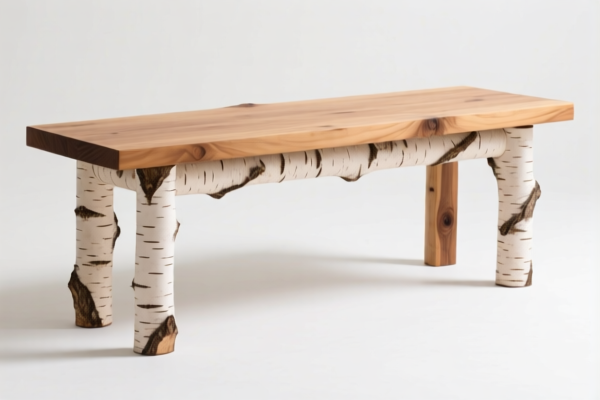
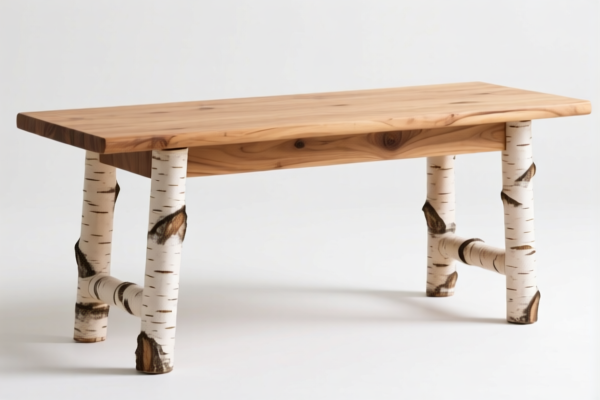
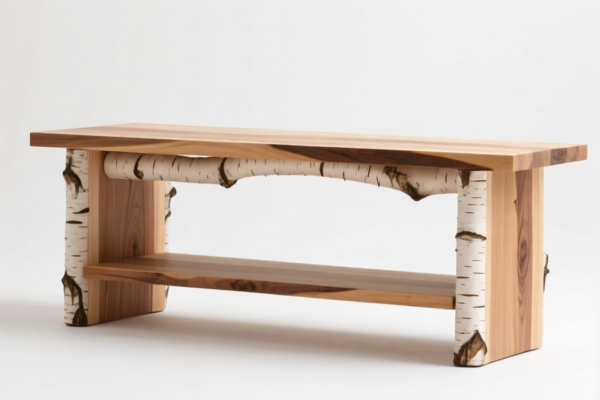
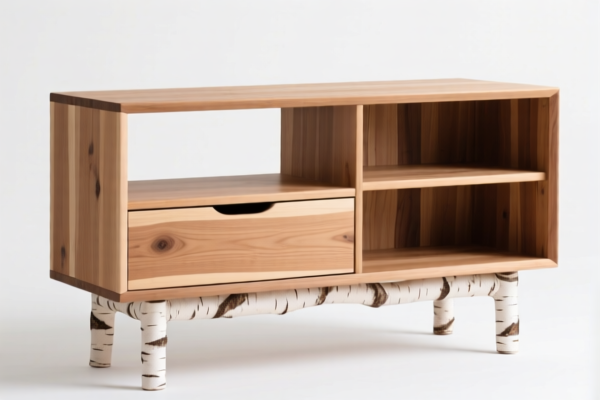
AI Analysis
🪵 Birch Wood Raw Material for Furniture: HS Code Classification & US Customs Clearance Guide (2026)
🌐 HS Code Reference & Customs Clearance Strategy | 2026 Latest Tariff Analysis | Professional Clearance Guide
📌 1. Product Definition & Classification: Understanding "Birch Wood"
Birch wood is a versatile hardwood, widely used in furniture manufacturing, cabinetry, and interior design due to its fine grain and durability. In international trade, Birch Wood Raw Material is not a single category but depends on its processing state:
- Unprocessed/Primary Form (Logs, Squared Roughly, Sawn/Split): Classified under Chapter 44, Section II.
- Furniture Parts/Components (Cut to Shape, Drilled, Sanded): Classified under Chapter 94 (Furniture).
- Sawn Wood (Planks, Boards, Lumber >6mm): Classified under 4407.
- Wood in the Rough (Logs, Chips, Shavings): Classified under 4403.
⚠️ Critical Distinction:
- If the wood is sawn, planed, or cut to size but not yet assembled into furniture → Chapter 44.
- If the wood is drilled, routed, or shaped for specific furniture use (e.g., chair legs, drawer sides) → Chapter 94.
- Misclassification Risk: Declaring shaped parts as "raw lumber" may lead to lower duty assessment but triggers customs audits for "substantial transformation."
📦 2. HS Code Classification Details (2026 Latest Tariff Schedule)
Based on the provided data, here are the matched HS Codes for Birch Wood Raw Material for Furniture:
| HS Code | Product Description | Application Scenario | Processing State |
|---|---|---|---|
4407.96.00.19 |
Birch wood sawn/chipped, thickness >6mm | Lumber for furniture making, veneer, plywood core | ✅ Sawn/Planed |
4403.96.01.30 |
Birch wood, treated or not, in the rough | Logs, squared rough logs, primary raw material | ✅ Raw/Unprocessed |
4403.95.01.30 |
Birch wood, in the rough, untreated | Raw logs, bark-on or debarked logs | ✅ Raw/Unprocessed |
9403.91.00.80 |
Parts of wooden furniture | Shaped parts, legs, frames, drawer fronts | ✅ Shaped/Component |
9403.60.80.93 |
Other wooden furniture (semi-finished) | Partially assembled units, semi-finished furniture pieces | ✅ Semi-Finished |
🔍 Key Note:
-4407applies to sawn wood (planks, boards) over 6mm thick.
-4403applies to wood in the rough (logs, squared roughs).
-9403applies to furniture parts or semi-finished furniture.
- All codes listed below are subject to 35% total tariff for US imports from China.
💰 3. 2026 Latest Tariff Rate Breakdown (Including Additional Taxes)
✅ Applicable Country: United States (US)
✅ Origin: China (CN)
✅ Effective Date: November 10, 2025 (and onwards)
🎯 1. 4407.96.00.19 – Birch Wood, Sawn, Thickness >6mm
| Item | Content |
|---|---|
| Base Tariff Rate | 0.0% (ad valorem) |
| USITC Additional Tariff | +25.0% (Section 301) |
| IEEPA Additional Tariff | +10.0% (Section 122/IEEPA China-specific) |
| Total Tariff Rate | 35.0% |
| Tax Calculation | CIF Value × 35% |
| De Minimis Eligibility | ❌ Not Eligible (deny_de_minimis) |
| Legal Basis Path | IEEPA:9903.01.25 → IEEPA:9903.01.24 → USITC:4407.96.00.19 → FOOTNOTE:9903.88.01 |
📌 Explanation:
- 25% Section 301 Tariff: Imposed on Chinese wood products to address unfair trade practices.
- 10% IEEPA Tariff: Specific surcharge on Chinese-origin goods under the International Emergency Economic Powers Act.
- Total 35%: This is a high tariff bracket. Importers must factor this into landed cost calculations.
🎯 2. 4403.96.01.30 & 4403.95.01.30 – Birch Wood in the Rough
| Item | Content |
|---|---|
| Base Tariff Rate | 0.0% |
| USITC Additional Tariff | +25.0% |
| IEEPA Additional Tariff | +10.0% |
| Total Tariff Rate | 35.0% |
| Tax Calculation | CIF Value × 35% |
| De Minimis Eligibility | ❌ Not Eligible |
| Legal Basis Path | IEEPA:9903.01.25 → IEEPA:9903.01.24 → USITC:4403.96.01.30 / 4403.95.01.30 → FOOTNOTE:9903.88.01 |
📌 Note:
- Whether classified as4403.96(treated/unprocessed) or4403.95(untreated rough wood), the tariff burden is identical.
- Logs and squared roughs are considered "raw materials," but Section 301 tariffs still apply to Chinese hardwoods.
🎯 3. 9403.91.00.80 – Parts of Wooden Furniture
| Item | Content |
|---|---|
| Base Tariff Rate | 0.0% |
| USITC Additional Tariff | +25.0% |
| IEEPA Additional Tariff | +10.0% |
| Total Tariff Rate | 35.0% |
| Tax Calculation | CIF Value × 35% |
| De Minimis Eligibility | ❌ Not Eligible |
| Legal Basis Path | IEEPA:9903.01.25 → IEEPA:9903.01.24 → USITC:9403.91.00.80 → FOOTNOTE:9903.88.01 |
📌 Key Insight:
- Shaped furniture parts (e.g., drilled chair legs, cut drawer sides) fall under Chapter 94.
- Although "parts of furniture," they are still subject to full Section 301 and IEEPA tariffs.
- Misclassification Risk: Declaring shaped parts as "raw lumber" (4403/4407) to avoid Chapter 94 scrutiny is risky and may lead to penalties if customs verifies the product's substantial transformation.
🎯 4. 9403.60.80.93 – Other Wooden Furniture (Semi-Finished)
| Item | Content |
|---|---|
| Base Tariff Rate | 0.0% |
| USITC Additional Tariff | +25.0% |
| IEEPA Additional Tariff | +10.0% |
| Total Tariff Rate | 35.0% |
| Tax Calculation | CIF Value × 35% |
| De Minimis Eligibility | ❌ Not Eligible |
| Legal Basis Path | IEEPA:9903.01.25 → IEEPA:9903.01.24 → USITC:9403.60.80.93 → FOOTNOTE:9903.88.01 |
📌 Note:
- Semi-finished furniture (e.g., partially assembled cabinets) is classified here.
- Same 35% tariff as raw lumber or parts.
- No advantage in tariff rate by shifting from Chapter 44 to Chapter 94.
🛠️ 4. Customs Clearance Practical Advice (Pitfall Avoidance Guide)
✅ 1. Required Documentation Checklist
| Document | Mandatory? | Explanation |
|---|---|---|
| ✅ Product Specification Sheet | ✔️ | Dimensions, wood species (Birch), moisture content, finish status |
| ✅ Photos (Labeled) | ✔️ | Show raw logs, sawn lumber, or shaped parts clearly |
| ✅ Commercial Invoice | ✔️ | Must specify "Birch Wood" and correct HS Code |
| ✅ Packing List | ✔️ | Detail quantities, weights, and packaging type |
| ✅ Bill of Lading/Air Waybill | ✔️ | Standard shipping document |
| ✅ Phytosanitary Certificate | ✔️ | Required for all wood products to confirm pest-free status |
| ✅ Fumigation Certificate | ✔️ | If required by destination country (e.g., ISPM 15 compliant for pallets) |
| ✅ Country of Origin Certificate | ✔️ | Proves Chinese origin (triggers 35% tariff) |
⚠️ Critical Reminder:
- Phytosanitary Certificate is mandatory for birch wood to prevent quarantine issues.
- Fumigation marks on pallets must comply with ISPM 15 standards.
✅ 2. Declaration Tips (Key Mnemonics)
🔥 "Specify Form, Declare Accurately, Avoid Splitting, Save Time!"
| Scenario | Correct Declaration | Incorrect Practice |
|---|---|---|
| Raw Logs/Squared Roughs | 4403.96.01.30 or 4403.95.01.30 |
Misdeclaring as "furniture parts" |
| Sawn Planks/Boards (>6mm) | 4407.96.00.19 |
Declaring as "logs" |
| Shaped Parts (e.g., Legs) | 9403.91.00.80 |
Declaring as "raw lumber" |
| Semi-Finished Furniture | 9403.60.80.93 |
Splitting into individual parts |
| Mixed Shipments | One HS Code per product type | Combining raw wood and parts into one line |
📌 Warning:
- Do NOT split a single shipment of raw lumber into multiple lines to avoid tariffs.
- Do NOT declare shaped parts as raw wood – customs may use X-ray or physical inspection to verify.
- Consistency is Key: Ensure invoice, packing list, and bill of lading all match the declared HS Code.
✅ 3. Special Case Handling
| Scenario | Handling Advice |
|---|---|
| OEM Custom Parts | Provide client order + design drawings to prove "substantial transformation" |
| Mixed Wood Species | Declare separately; birch is taxed at 35%, but other species may differ |
| Wood for Export Re-import | If re-importing after processing, ensure proper documentation to avoid double taxation |
| Small Samples | Still subject to 35% tariff; de minimis does not apply |
| Wooden Pallets | Must be ISPM 15 compliant; non-compliant pallets may be rejected |
🌍 5. Global Market Comparison (2026 Latest)
| Country/Region | Recommended HS Code | Tariff Rate | Certification Requirement | Notes |
|---|---|---|---|---|
| 🇺🇸 USA | 4407.96.00.19 etc. |
35% (China Origin) | Phytosanitary + ISPM 15 | High tariff; strict wood rules |
| 🇨🇳 China | 4407.96.00.19 etc. |
0%~5% | None | No additional tariffs |
| 🇪🇺 EU | 4407.96.00 etc. |
0%~5% | FSC/PEFC (optional) | No Section 301 tariffs |
| 🇦🇺 Australia | 4407.96.00 etc. |
5% | None | Moderate tariff |
| 🇯🇵 Japan | 4407.96.00 etc. |
0%~5% | None | Low tariff |
📌 Conclusion:
- USA is the only market imposing 35% tariffs on Chinese birch wood.
- EU, Japan, Australia offer significantly lower tariffs (0%~5%).
- Consider supply chain diversification if targeting the US market.
📌 6. Common Mistakes & Pitfall Avoidance (Lessons Learned)
❌ Mistake 1: Declaring shaped furniture parts as "raw logs"
👉 Consequence: Customs inspection reveals shaped edges → Penalty + 35% tariff + delay
❌ Mistake 2: Failing to provide Phytosanitary Certificate
👉 Consequence: Shipment quarantined or returned at port
❌ Mistake 3: Using "Birch Wood" without specifying form (log vs. plank)
👉 Consequence: Customs requests clarification → Clearance delay
❌ Mistake 4: Assuming de minimis applies to wood products
👉 Consequence: Tax evasion accusation if small shipments are declared without duty
✅ Correct Practice:
"Birch Wood, Sawn, Thickness 18mm, Moisture Content 10%, for Furniture Manufacturing, HS Code: 4407.96.00.19, Origin: China, Phytosanitary Cert: Attached"
🎯 7. Conclusion: Professional Declaration, Cost Efficiency!
🎯 Remember These Rules:
🔹 "Specify Form: Log, Plank, or Part?"
🔹 "35% is the US Tariff: No Exemption for Wood!"
🔹 "Phytosanitary Cert: Mandatory for All Wood!"
🔹 "No De Minimis: Every Shipment is Taxed!"
📌 Pro Tip:
If your birch wood is originating from Vietnam, Mexico, or Canada, you may qualify for lower or zero tariffs under USMCA or other FTAs.
Consider supply chain relocation or origin switching to reduce 35% tariff burden.
📣 Immediate Action:
📞 Contact a Professional Customs Broker
📄 Prepare Phytosanitary Certificate
🌐 Apply for Advance Ruling (if applicable)
🚀 Ensure Smooth Clearance, Reduce Costs, and Boost Profit Margins!
✨ Professional Clearance Starts with Accurate Classification!
💼 Every Percent of Duty Saved is Pure Profit!
Customer Reviews
About HS Code Classification
The Harmonized System (HS) is an internationally standardized nomenclature developed by the World Customs Organization (WCO) to classify traded products. Over 200 countries use the HS system as the basis for customs tariffs, trade statistics, and import/export regulations.
Each HS code follows a hierarchical structure:
- Chapter (2 digits) — Broad category of goods (e.g., Chapter 84: Machinery and Mechanical Appliances)
- Heading (4 digits) — More specific grouping within the chapter
- Subheading (6 digits) — Internationally standardized breakdown, used by all WCO member countries
- National subdivisions (8-10 digits) — Country-specific extensions for further classification, such as US HTSUS 10-digit codes
Correct HS code classification is essential for smooth customs clearance, accurate duty payment, and compliance with trade regulations. Misclassification can lead to customs delays, overpayment of duties, or penalties.
When importing from CN to US, the applicable tariff rates may include:
- Most-Favored-Nation (MFN) rate — The standard duty rate applied to WTO members
- General rate — Applied to countries without trade agreements
- Trade remedy duties — Additional tariffs such as Section 301 (anti-dumping), Section 232 (national security), or countervailing duties
The information provided on this page is for reference purposes only. For official classification, please consult with your local customs authority or a licensed customs broker.