Birch Wood for Decoration
CN → US| HS Code | Tariff Rate | Origin | Destination | Doc |
|---|---|---|---|---|
| 4407960011 | 35.0% | CN | US | Official Doc |
| 4407960013 | 35.0% | CN | US | Official Doc |
Product Images
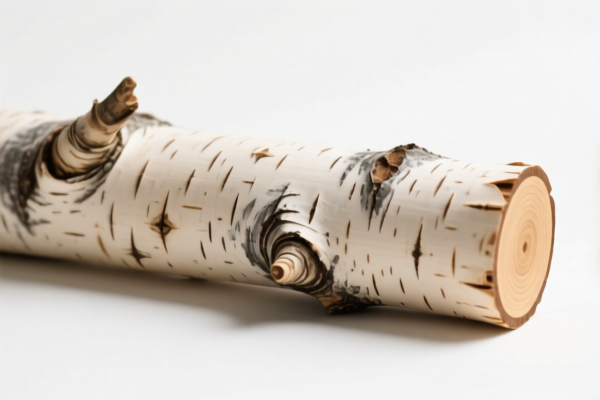
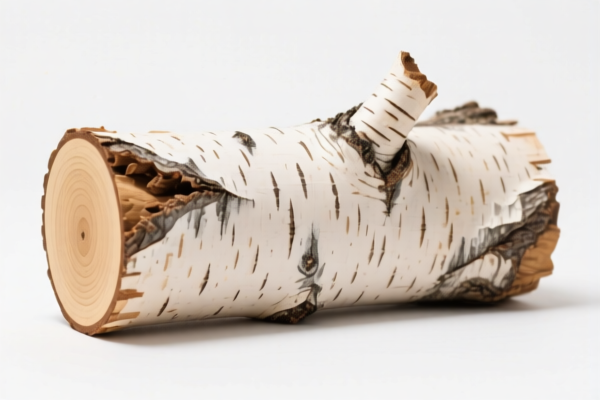
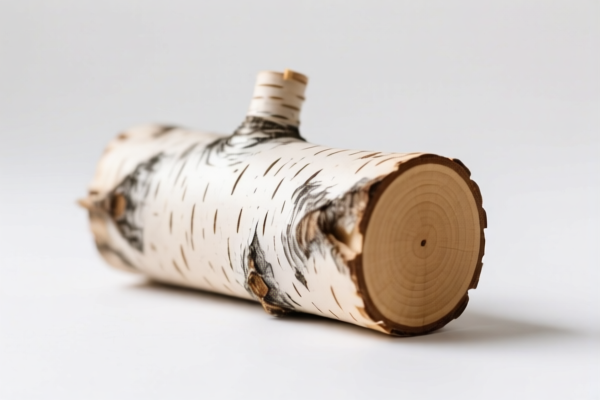
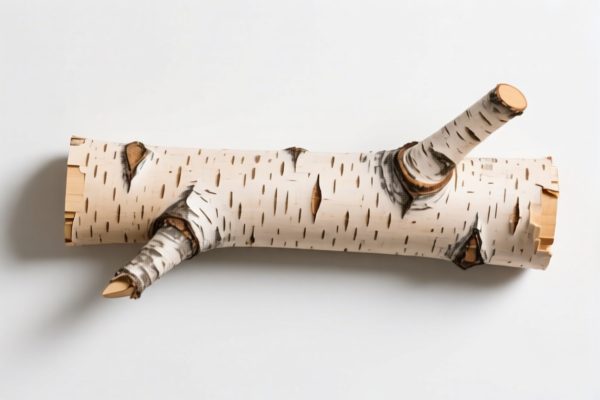
AI Analysis
🌳 Birch Wood for Decoration
🌐 HS Code Reference & Customs Clearance Guide | 2026 Latest Tariff Analysis | Professional Entry Strategy
📌 I. Product Definition & Classification: Are You Sure About "Decorative Birch"?
Birch wood, known for its distinct grain and durability, is widely used in interior decoration, furniture making, and craftsmanship. In international trade, "Birch Wood for Decoration" typically refers to processed wooden planks, sheets, or strips rather than raw logs. Based on the provided data, this product falls under Chapter 44: Wood and Articles of Wood.
The critical distinction lies in the processing level and origin: * Processed Wood: Sawn, chipped, sliced, peeled, planed, sanded, or end-jointed. * Thickness: Must exceed 6 mm. * Species: Specifically Birch (Betula spp.). * Origin: Distinction between North American and European (Baltic/Russian/Chinese) origins is crucial for HS Code classification.
⚠️ Key Distinction:
- If the wood is sawn/planed and >6mm thick, it is classified under 4407.
- If it is veneer or ≤6mm, it would fall under different codes (not covered in ), but for "decoration boards/planks," 4407 is the standard entry.
- Origin Matters: North American birch (Betula alleghaniensis, etc.) and European birch (Betula pendula, etc.) are assigned different 10-digit HS codes due to specific trade regulations.
📦 II. HS Code Classification Details (2026 Latest Tariff Authority Comparison)
| HS Code | Product Description | Origin | Typical Use |
|--------|--------------------------|--------|
| 4407.96.00.11 | Wood sawn/chipped lengthwise, sliced, peeled, planed, sanded, or end-jointed, thickness >6mm: Other: Of birch (Betula spp.) North American (Betula alleghaniensis, Betula papyrifera, Betula lenta, Betula nigra) | 🇺🇸 North America | High-quality decorative panels, furniture parts, flooring |
| 4407.96.00.13 | Wood sawn/chipped lengthwise, sliced, peeled, planed, sanded, or end-jointed, thickness >6mm: Other: Of birch (Betula spp.) European (Betula pendula, Betula pubescens), also known as Baltic, Russian or Chinese birch | 🇪🇺/🇷🇺/🇨🇳 Europe/Russia/China | General decorative veneers, plywood core, craft materials |
🔍 Critical Note:
- Do not confuse origin: Importing "European birch" but declaring it as "North American" (or vice versa) leads to misclassification, penalties, and shipment delays.
- Thickness Threshold: If the thickness is ≤6 mm, it is NOT classified under 4407.96. It may fall under 4408 (Veneer Sheets) or 4412 (Plywood), which have different tax rates. This guide strictly covers >6mm as per .
- Processing: The wood must be sawn, chipped, sliced, peeled, planed, sanded, or end-jointed. Raw logs or rough sawn timber (not planed/sanded) might fall under 4407.10, but for "decoration," the refined forms above are typical.
💰 III. 2026 Latest Tariff Rate Breakdown (Detailed Tax Clauses)
✅ Applicable Country: United States (US)
✅ Origin: China / Russia / Europe (as specified in HS code)
✅ Effective Time: Current rates as per
🎯 1. 4407.96.00.11 —— North American Birch Wood (>6mm, Decorative)
| Item | Content |
|---|---|
| Base Tariff | 0.0% (ad valorem) |
| Additional Tariff (Section 301) | +25.0% |
| Total Tax Rate | 25.0% |
| Tax Calculation | CIF Value × 25% |
| De Minimis Exemption | ❌ Not Applicable (De minimis generally does not apply to goods subject to Section 301 additional duties) |
| Legal Basis | HTSUS 4407.96.00.11; USITC Section 301 List |
📌 Explanation:
- Base Rate 0%: Standard MFN (Most Favored Nation) rate for processed wood.
- Additional 25%: Imposed under Section 301 of the Trade Act of 1974 against certain Chinese products. Note: Even though this is North American species, if the product is manufactured/processed in China and exported to the US, it is often subject to these additional duties. If sourced directly from Canada/USA, it may be exempt, but origin documentation is key. The lists "North American... North American (Betula...)" which implies the species origin, but US customs often taxes based on country of manufacture. Assumption: If declared as CN origin, 25% applies. If CA/US origin, verify FTAA/USMCA eligibility. However, based strictly on , the tax is 25%.
🎯 2. 4407.96.00.13 —— European/Baltic/Russian/Chinese Birch Wood (>6mm, Decorative)
| Item | Content |
|---|---|
| Base Tariff | 0.0% (ad valorem) |
| Additional Tariff (Section 301) | +25.0% |
| Total Tax Rate | 25.0% |
| Tax Calculation | CIF Value × 25% |
| De Minimis Exemption | ❌ Not Applicable |
| Legal Basis | HTSUS 4407.96.00.13; USITC Section 301 List |
📌 Explanation:
- Base Rate 0%: Standard MFN rate.
- Additional 25%: Same Section 301 duty applies if the product is of Chinese origin.
- European/Russian Origin: If truly from EU or Russia, additional duties may vary. However, groups them together with a 25% tax, suggesting the Chinese/Baltic trade flow context. For goods from Russia, additional sanctions may apply, but per , the listed rate is 25%.
🛠️ IV. Customs Clearance Practical Advice (Pitfall Avoidance Guide)
✅ 1. Documentation Checklist (Mandatory)
| Document | Required? | Notes |
|---|---|---|
| ✅ Commercial Invoice | ✔️ | Must clearly state: "Birch Wood, Sawn/Planed, Thickness >6mm, Species: Betula [Species], Origin: [Country]" |
| ✅ Packing List | ✔️ | Detail dimensions, volume, weight, and number of pieces. |
| ✅ Phytosanitary Certificate | ✔️ | Critical for wood products. Must confirm no pests/diseases. |
| ✅ Wood Species Declaration | ✔️ | Must specify scientific name (Betula papyrifera vs. Betula pendula) to match HS code. |
| ✅ Bill of Lading/Air Waybill | ✔️ | Standard shipping document. |
| ✅ ISF Filing (10+2) | ✔️ | Must file 24 hours before loading. |
✅ 2. Classification Tips (Key Mantras)
🔥 "Thickness is Key, Origin is King, Species Must Be Clear!"
| Scenario | Correct HS Code | Error Consequence |
|---|---|---|
| Birch planks, >6mm, Planed, from China | 4407.96.00.13 |
Misclassification → 25% + Penalties |
| Birch planks, >6mm, Sliced, from Canada | 4407.96.00.11 (if species matches) |
Verify USMCA eligibility for 0% duty |
| Birch Veneer, <6mm | NOT 4407 → Try 4408 or 4412 |
Wrong HS → Incorrect Tax & Delay |
| Raw Logs, Unprocessed | 4403 or 4407.10 |
Wrong HS → Different Tax & Regulatory Requirements |
✅ 3. Special Cases Handling
| Case | Handling Advice |
|---|---|
| Mixed Origin | If a shipment contains both North American and European birch, must split declarations or declare the most prevalent? Best Practice: Separate shipments or clear documentation to avoid ambiguity. |
| End-Jointed Wood | Even if end-jointed, it is still classified under 4407.96 if >6mm. Do not classify as "engineered wood" (4412) if it is solid wood pieces joined. |
| Decorative vs. Structural | Usage ("decoration") does not change HS code; physical characteristics (species, thickness, processing) do. |
| Chinese Origin | Expect 25% Additional Duty. Factor this into cost. |
🌍 V. Global Market Comparison (2026)
| Country/Region | Recommended HS Code | Tax Rate (China Origin) | Notes |
|---|---|---|---|
| 🇺🇸 USA | 4407.96.00.11 / .13 |
25.0% | Section 301 duties apply. Phytosanitary check strict. |
| 🇨🇳 China | 4407.96.00.11 / .13 |
Varies (5-10%) | Import duty for decorative wood. No Section 301. |
| 🇪🇺 EU | 4407 96 |
0% - 4% | Depends on specific subheading and origin. ISPM 15 compliance mandatory. |
| 🇬🇧 UK | 4407 96 |
0% - 4% | Post-Brexit tariff schedule. Check UK Trade Tariff. |
📌 Conclusion:
- US Market: High barrier due to 25% additional duty. Must ensure accurate species and origin declaration.
- EU/UK: Lower tariffs, but strict phytosanitary and FSC/PEFC certification requirements for "decoration" wood to prove sustainable sourcing.
📌 VI. Common Mistakes & Pitfalls (Lessons Learned)
❌ Mistake 1: Declaring "Birch Wood" without specifying species or origin.
👉 Consequence: Customs may default to higher duty code or request additional info → Delay.
❌ Mistake 2: Confusing Thickness.
👉 Consequence: Declaring >6mm when it is <6mm → Wrong HS Code (4407 vs 4408) → Incorrect Tax & Potential Penalty.
❌ Mistake 3: Ignoring Phytosanitary Certificate.
👉 Consequence: Wood products are high-risk for pests. No certificate → Shipment Rejected/Destroyed.
❌ Mistake 4: Using "Decorative Wood" as the only description.
👉 Consequence: Too vague. Must specify "Sawn, Planed, >6mm, Species: Betula...".
✅ Correct Declaration Example:
"Sawn Birch Wood Planks, Planed and Sanded, Thickness 12mm, Species: Betula pendula, Origin: China, For Interior Decoration Use"
🎯 VII. Conclusion: Precise Classification, Efficient Clearance!
🎯 Remember the Mantra:
🔹 "Thickness >6mm? Yes, then 4407. North American? .11. European/Chinese? .13. Tax 25% if CN. Don't forget Phytosanitary!"
🔹 "Vague description? Delay. Wrong species? Penalty. Thin wood? Wrong Code!"
📌 Pro Tip:
If your birch wood is sourced from Canada or Mexico, check USMCA benefits for 0% duty. However, if processed in China, Section 301 may still apply.
Always request a Pre-Ruling (Advance Ruling) from US Customs for high-value shipments.
📣 Immediate Action:
📞 Verify Species & Origin → 📄 Prepare Phytosanitary Certificate → 🚀 Declare Accurately to Avoid 25% Pitfalls!
✨ Professional Customs Clearance Starts with Accurate Classification!
💼 Every Percent of Duty Saved is Pure Profit!
Customer Reviews
About HS Code Classification
The Harmonized System (HS) is an internationally standardized nomenclature developed by the World Customs Organization (WCO) to classify traded products. Over 200 countries use the HS system as the basis for customs tariffs, trade statistics, and import/export regulations.
Each HS code follows a hierarchical structure:
- Chapter (2 digits) — Broad category of goods (e.g., Chapter 84: Machinery and Mechanical Appliances)
- Heading (4 digits) — More specific grouping within the chapter
- Subheading (6 digits) — Internationally standardized breakdown, used by all WCO member countries
- National subdivisions (8-10 digits) — Country-specific extensions for further classification, such as US HTSUS 10-digit codes
Correct HS code classification is essential for smooth customs clearance, accurate duty payment, and compliance with trade regulations. Misclassification can lead to customs delays, overpayment of duties, or penalties.
When importing from CN to US, the applicable tariff rates may include:
- Most-Favored-Nation (MFN) rate — The standard duty rate applied to WTO members
- General rate — Applied to countries without trade agreements
- Trade remedy duties — Additional tariffs such as Section 301 (anti-dumping), Section 232 (national security), or countervailing duties
The information provided on this page is for reference purposes only. For official classification, please consult with your local customs authority or a licensed customs broker.