Bird Feeder and Water Bowl
CN → US| HS Code | Tariff Rate | Origin | Destination | Doc |
|---|---|---|---|---|
| 3926901000 | 20.9% | CN | US | Official Doc |
| 7326908688 | 87.9% | CN | US | Official Doc |
| 3926904000 | 12.8% | CN | US | Official Doc |
| 4421999880 | 38.3% | CN | US | Official Doc |
| 4421919880 | 38.3% | CN | US | Official Doc |
Product Images
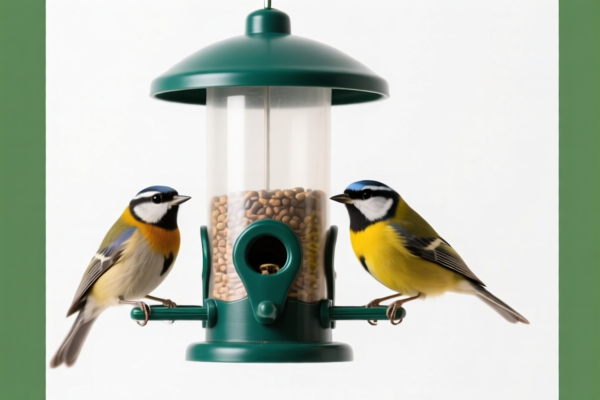
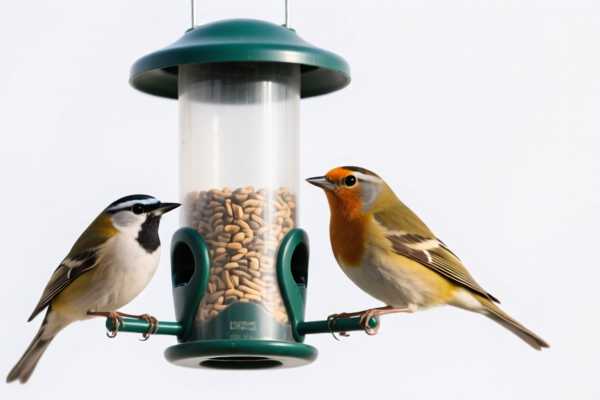

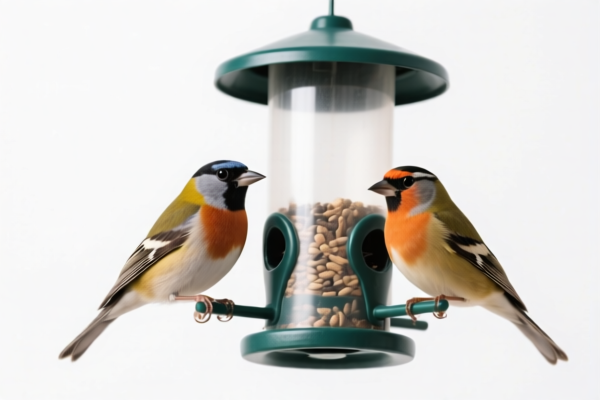
AI Analysis
🐦 Bird Feeder & Water Bowl (Birdhouses for Garden Use)
🌐 HS Code Reference & Customs Clearance Guide | 2026 Latest Tariff Analysis | Professional Clearance Strategy 📌 I. Product Definition & Classification: Do You Really Know "Bird Feeder"?
Bird Feeders and Water Bowls are essential garden accessories designed to attract and sustain wild birds. In international trade, their classification depends heavily on the material composition and specific design intent. Since these items are not explicitly listed under primary chapters like "Plants" or "Animals," they often fall under "Other Articles" of their respective materials or "General Use" categories.
Key Classification Logic: - Plastic Feeders: If made primarily of plastic, they fall under Chapter 39 (Plastics and Articles Thereof). - Metal/Steel Feeders: If made of iron or steel, they fall under Chapter 73 (Articles of Iron or Steel). - Wooden/Bamboo Feeders: If made of wood or bamboo, they fall under Chapter 44 (Wood and Articles of Wood).
⚠️ Critical Distinction:
- Material is King: The HS Code changes drastically based on whether the item is plastic, metal, or wood. - Function vs. Material: While they serve a biological function, customs classifies them by their physical substance unless specified otherwise.
📦 II. HS Code Classification Details (Based on Provided Data)
| HS Code | Product Description | Material Inference | Category Logic |
|---|---|---|---|
3926.90.10.00 |
Other Plastic Articles | Plastic or Synthetic Material | "Other" category for plastic articles; fits if no specific plastic item code applies. |
7326.90.86.88 |
Other Articles of Iron or Steel | Iron/Steel (Metal) | "Other" category for metal articles; fits if not listed elsewhere in Chapter 73. |
3926.90.40.00 |
Other Plastic Articles | Plastic (or Non-Metallic) | "Other" category for plastic; fits if material is clearly plastic/non-metallic. |
4421.99.98.80 |
Other Wooden Articles | Wood | "Other" articles of wood; fits wooden feeders not specifically listed (e.g., not doors/pencils). |
4421.91.98.80 |
Other Wooden Articles (Bamboo/Wood) | Bamboo or Wood | "Other" articles of wood/bamboo; fits garden items made of natural wood/bamboo. |
🔍 Key Insight:
- Plastic: Look for3926.90.xxxxcodes. - Metal: Look for7326.90.xxxxcodes. - Wood/Bamboo: Look for4421.9x.xxxxcodes. - No Mixed Material Ambiguity: Ensure the primary material is declared correctly. Mixed materials may lead to misclassification.
💰 III. 2026 Latest Tariff Rate Breakdown (Including Additional Duties & Policies)
✅ Applicable Country: USA (US)
✅ Origin: China (CN) (Inferred from "122 Clause" and high tariff rates typical of US-China trade tensions)
✅ Effective Time: Current rates apply (Post-2024 adjustments)
🎯 1. Plastic Bird Feeders (3926.90.10.00 & 3926.90.40.00)
| Item | Details |
|---|---|
| HS Code | 3926.90.10.00 OR 3926.90.40.00 |
| Material | Plastic |
| Base Tariff | 2.8% - 3.4% |
| Section 301 (Additional) | 0.0% - 7.5% (Varies by specific sub-item history) |
| Section 122 (New) | +10% (Specific to certain plastic goods) |
| Total Tariff | 12.8% (Code 3926.90.40.00) 20.9% (Code 3926.90.10.00) |
| Calculation | CIF Value × Total Rate |
| De Minimis Exemption | ❌ Not Eligible (Due to Section 122/301) |
| Legal Basis | IEEPA:9903.01.25 (Section 122) + USITC:3926.90 + Section 301 |
📌 Explanation:
- Plastic goods often face Section 122 tariffs (10%) in addition to Section 301. - Total impact: Between 12.8% and 20.9%, depending on the specific plastic sub-classification. - Risk: Misclassifying as "wood" or "metal" to avoid tariffs will lead to severe penalties.
🎯 2. Metal/Iron Bird Feeders (7326.90.86.88)
| Item | Details |
|---|---|
| HS Code | 7326.90.86.88 |
| Material | Iron or Steel |
| Base Tariff | 2.9% |
| Section 301 (Additional) | 25.0% (Highly likely for steel articles) |
| Section 122 / Aluminum/Copper/Steel Addtl. | +50% (Note: Data mentions "Steel, Aluminum, Copper Addtl. 50%" under this code) |
| Total Tariff | 87.9% |
| Calculation | CIF Value × 87.9% |
| De Minimis Exemption | ❌ Not Eligible |
| Legal Basis | IEEPA:9903.01.25 + Section 301 + Steel/Copper/Aluminum Addtl. |
📌 Explanation:
- Extremely High Tariff! Steel articles are subject to Section 301 (25%) AND potentially an additional 50% for specific steel/copper/aluminum goods. - Total: 87.9%. This makes metal bird feeders prohibitively expensive to import into the US from China. - Recommendation: Avoid metal feeders if sourcing from China, or seek duty-free alternatives.
🎯 3. Wooden/Bamboo Bird Feeders (4421.99.98.80 & 4421.91.98.80)
| Item | Details |
|---|---|
| HS Code | 4421.99.98.80 OR 4421.91.98.80 |
| Material | Wood or Bamboo |
| Base Tariff | 3.3% |
| Section 301 (Additional) | 25.0% |
| Section 122 | +10% (Applied to this category) |
| Total Tariff | 38.3% |
| Calculation | CIF Value × 38.3% |
| De Minimis Exemption | ❌ Not Eligible |
| Legal Basis | IEEPA:9903.01.25 + Section 301 + USITC:4421.9x |
📌 Explanation:
- Wooden/bamboo items fall under Chapter 44. - Total: 38.3%. While lower than steel, it is still a significant tariff. - Bamboo vs. Wood: Both are treated similarly under "Other Wooden Articles" in this context.
🛠️ IV. Customs Clearance Practical Advice (Avoiding Pitfalls)
✅ 1. Required Documentation Checklist
| Document | Mandatory? | Notes |
|---|---|---|
| ✅ Product Specifications | ✔️ | Must clearly state primary material (Plastic/Metal/Wood). |
| ✅ Material Composition | ✔️ | If mixed, declare % by weight. |
| ✅ Product Photos | ✔️ | Show clear views of the feeder, bowl, and any branding. |
| ✅ Commercial Invoice | ✔️ | Must match HS Code and description exactly. |
| ✅ Packing List | ✔️ | Include net/gross weight. |
| ✅ Origin Certificate | ✔️ | If claiming FTZ benefits (if any), but note: US-China trade has limited FTZ benefits for these items. |
✅ 2. Classification Strategy (Key Tips)
🔥 "Material First, Tariff Second: Don't Misclassify!"
| Scenario | Correct Approach | Risk of Error |
|---|---|---|
| Plastic Feeder | Use 3926.90.xxxx |
Misclassifying as wood → Penalties + Back Taxes |
| Metal Feeder | Use 7326.90.xxxx |
Misclassifying as plastic → Tax Evasion Allegations (87.9% vs 20%) |
| Wooden Feeder | Use 4421.9x.xxxx |
Misclassifying as plastic → 38.3% vs 20.9% (Difference matters) |
| Mixed Materials | Declare Primary Material | If >50% is wood, use Chapter 44. |
✅ 3. Special Considerations
| Issue | Advice |
|---|---|
| Section 122 Tariff | Applies to certain plastics and other goods. Verify if your specific plastic type is subject to the 10% additional duty. |
| Steel Tariff Shock | Metal feeders face 87.9%. Consider switching to plastic or wood for cost efficiency. |
| De Minimis (Section 321) | Not applicable for China-origin goods subject to Section 301/122. All duties must be paid at entry. |
| Pre-Ruling | Strongly Recommended: Apply for an Advance Ruling from CBP to confirm HS Code, especially for mixed-material feeders. |
🌍 V. Global Market Comparison (2026)
| Country/Region | Recommended HS Code | Estimated Tariff | Notes |
|---|---|---|---|
| 🇺🇸 USA | 3926.90.40.00 (Plastic) |
12.8% - 38.3% | High additional duties (301 + 122). Steel is 87.9%. |
| 🇨🇳 China | 3926.90.90.00 |
~5-10% | Lower import tariffs for finished goods. |
| 🇪🇺 EU | 3926.90.97 |
~2.5% - 4.5% | No Section 301/122. Much cheaper than US. |
| 🇬🇧 UK | 3926.90.99 |
~3-5% | Post-Brexit rules apply. |
| 🇦🇺 Australia | 3926.90.90 |
~5% | No major additional tariffs. |
📌 Conclusion:
- USA is the most expensive market due to Section 301 and Section 122 tariffs. - EU/UK/Australia are significantly cheaper for importing bird feeders from China. - Strategy: If targeting the US market, consider shifting production to Vietnam/Mexico to avoid US-China tariffs, or optimize material (choose plastic over steel).
📌 VI. Common Mistakes & Pitfalls
❌ Mistake 1: Assuming all bird feeders are "Garden Supplies" with low tariffs.
👉 Reality: They are classified by material, and steel/plastic carry high US duties.
❌ Mistake 2: Misdeclaring Steel as "Aluminum" to avoid Steel-specific tariffs.
👉 Reality: CBP conducts material testing. Penalties for fraud are severe.
❌ Mistake 3: Ignoring Section 122 for Plastic Goods.
👉 Reality: Plastic feeders may face an extra 10% on top of Section 301.
❌ Mistake 4: Assuming De Minimis ($800) applies.
👉 Reality: China-origin goods subject to Section 301/122 are excluded from de minimis exemption.
🎯 VII. Final Recommendation
- For US Market:
- Best Option: Plastic Bird Feeders (
3926.90.40.00) at 12.8% total. - Avoid: Metal/Steel Feeders (
7326.90.86.88) at 87.9% total. -
Alternative: Wooden Feeders (
4421.99.98.80) at 38.3% total (higher than plastic, but no steel risk). -
Documentation:
- Clearly declare material composition.
-
Use precise product names (e.g., "Plastic Bird Feeder" not just "Garden Item").
-
Pre-Clearance:
- Apply for Advance Ruling to confirm HS Code.
- Consult Customs Broker for Section 122 applicability.
📌 Pro Tip:
"In US-China Trade, Material Dictates Margin. Steel is a Tax Trap, Plastic is Manageable, Wood is Mid-Range."
✨ Professional Clearance Starts with Accurate Classification!
💼 Optimize Your Supply Chain, Minimize Tariffs, Maximize Profits!
Customer Reviews
About HS Code Classification
The Harmonized System (HS) is an internationally standardized nomenclature developed by the World Customs Organization (WCO) to classify traded products. Over 200 countries use the HS system as the basis for customs tariffs, trade statistics, and import/export regulations.
Each HS code follows a hierarchical structure:
- Chapter (2 digits) — Broad category of goods (e.g., Chapter 84: Machinery and Mechanical Appliances)
- Heading (4 digits) — More specific grouping within the chapter
- Subheading (6 digits) — Internationally standardized breakdown, used by all WCO member countries
- National subdivisions (8-10 digits) — Country-specific extensions for further classification, such as US HTSUS 10-digit codes
Correct HS code classification is essential for smooth customs clearance, accurate duty payment, and compliance with trade regulations. Misclassification can lead to customs delays, overpayment of duties, or penalties.
When importing from CN to US, the applicable tariff rates may include:
- Most-Favored-Nation (MFN) rate — The standard duty rate applied to WTO members
- General rate — Applied to countries without trade agreements
- Trade remedy duties — Additional tariffs such as Section 301 (anti-dumping), Section 232 (national security), or countervailing duties
The information provided on this page is for reference purposes only. For official classification, please consult with your local customs authority or a licensed customs broker.