Birthday Makeup Bag
CN → US| HS Code | Tariff Rate | Origin | Destination | Doc |
|---|---|---|---|---|
| 4205006000 | 39.9% | CN | US | Official Doc |
| 4202329300 | 52.6% | CN | US | Official Doc |
| 4205008000 | 35.0% | CN | US | Official Doc |
| 4202329900 | 52.6% | CN | US | Official Doc |
Product Images
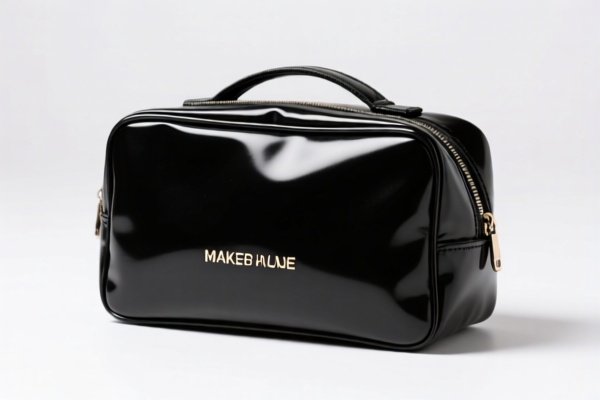
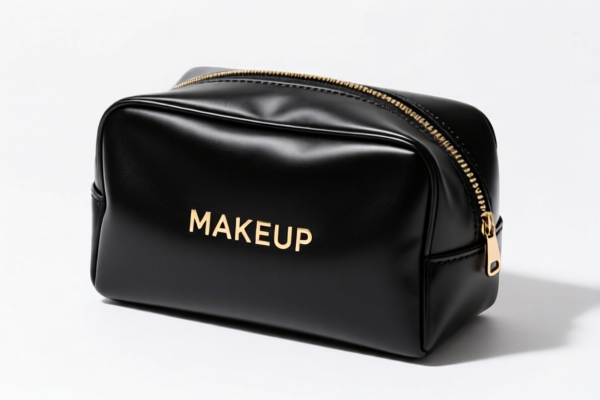
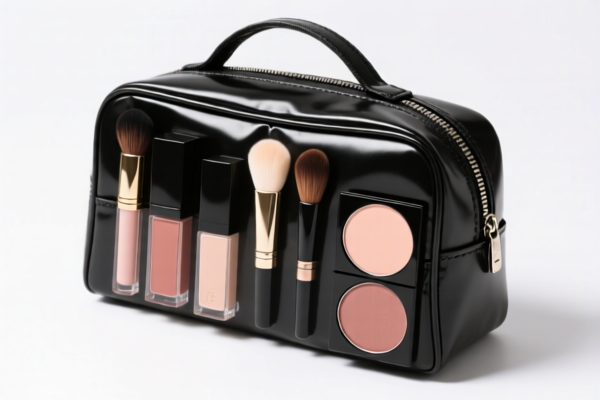
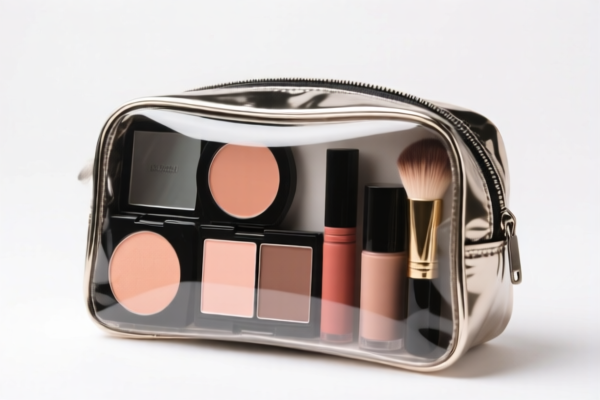
AI Analysis
🎁 Birthday Makeup Bag (化妆包/收纳袋)
🌐 HS Code Reference & Customs Clearance Guide | 2026 Latest Tariff Analysis | Professional Clearance Strategy
📌 I. Product Definition & Classification: Do You Really Know "Makeup Bags"?
A "Birthday Makeup Bag" is typically a small container used for storing cosmetics, toiletries, and personal accessories. In international trade, its classification depends primarily on Material Composition and Outer Surface Material.
Common Classifications: 1. Leather/Reptile Skin Articles (Chapter 4205): If made of leather, synthetic leather, or similar materials. 2. Textile or Plastic Sheeting Articles (Chapter 4202): If made of fabric, canvas, nylon, or plastic sheets (e.g., PVC, PEVA).
⚠️ Key Distinction Point: - If the outer surface is Leather/Reptile Skin → Look at 4205.00.60.00 or 4205.00.80.00 - If the outer surface is Textile/Material Fabric → Look at 4202.32.93.00 or 4202.32.99.00
📦 II. HS Code Classification Details (2026 Latest Tariff Authority Comparison)
Based on the provided data, here are the four possible HS Codes for a "Birthday Makeup Bag," depending on the inferred material:
| HS Code | Product Description | Applicable Scenario | Material Logic | Total Tax Rate |
|---|---|---|---|---|
4205.00.60.00 |
Other articles of leather or composition leather (including reptile skin) | Leather/Synthetic Leather Makeup Bag | Inferred as leather/synthetic; "Catch-all" category for leather goods without specific material conflict | 39.9% |
4202.32.93.00 |
Other articles of plastics, sheeting | Plastic Sheet/Textile Outer Surface Bag | Outer surface is textile/plastic sheeting; "Catch-all" for non-textile/non-leather containers | 52.6% |
4205.00.80.00 |
Other articles of leather or composition leather (including reptile skin) | Leather/Synthetic Leather Makeup Bag (General) | Inferred as leather/synthetic; No material conflict; Fits "Other" category logic | 35.0% |
4202.32.99.00 |
Other articles, of textile materials | Textile/Fabric Makeup Bag | Inferred as textile outer surface; Matches "Bag/Container" form and textile material definition | 52.6% |
🔍 Key Reminder: - If the bag is made of leather or synthetic leather, it likely falls under Chapter 4205. Between
4205.00.60.00(39.9%) and4205.00.80.00(35.0%), the latter has a lower base tariff (0% vs 4.9%). - If the bag is made of fabric, nylon, or plastic, it falls under Chapter 4202. Both4202.32.93.00and4202.32.99.00have a high base tariff (17.6%), leading to a total tax of 52.6%.
💰 III. 2026 Latest Tariff Rate Details (Including Surtaxes & Policy Add-ons)
✅ Applicable Country: USA (US)
✅ Country of Origin: China (CN)
✅ Effective Date: Post-November 10, 2025 (For subsequent imports)
🎯 1. 4205.00.60.00 —— Leather/Reptile Skin Articles
| Item | Content |
|---|---|
| Base Tariff | 4.9% (Ad Valorem) |
| Section 301 Surtax (USITC) | +25% |
| 122 Section Surtax (IEEPA) | +10% |
| Total Tax Rate | 39.9% |
| Tax Calculation | CIF Value × 39.9% |
| De Minimis Exemption | ❌ Not Eligible (Deny De Minimis) |
| Legal Basis Path | USITC:4205.00.60.00 → FOOTNOTE:301 → IEEPA:122 |
📌 Explanation: - Base 4.9%: Standard MFN tariff for other leather articles. - 25% Surtax: Applied due to Section 301 investigation (China-specific). - 10% Surtax: Additional surtax under Section 122 (for national security/trade imbalance reasons). - Total 39.9%: High cost. Ensure the product is correctly identified as leather to avoid misclassification penalties.
🎯 2. 4202.32.93.00 —— Plastic Sheeting/Textile Outer Surface Articles
| Item | Content |
|---|---|
| Base Tariff | 17.6% (Ad Valorem) |
| Section 301 Surtax (USITC) | +25% |
| 122 Section Surtax (IEEPA) | +10% |
| Total Tax Rate | 52.6% |
| Tax Calculation | CIF Value × 52.6% |
| De Minimis Exemption | ❌ Not Eligible (Deny De Minimis) |
| Legal Basis Path | USITC:4202.32.93.00 → FOOTNOTE:301 → IEEPA:122 |
📌 Note: - This is the highest tax bracket among the four options. - Applies to bags made of textile materials or plastic sheeting (e.g., PVC bags). - Even if it's a "gift" or "birthday" item, the material dictates the tax.
🎯 3. 4205.00.80.00 —— Other Leather/Reptile Skin Articles
| Item | Content |
|---|---|
| Base Tariff | 0.0% (Ad Valorem) |
| Section 301 Surtax (USITC) | +25% |
| 122 Section Surtax (IEEPA) | +10% |
| Total Tax Rate | 35.0% |
| Tax Calculation | CIF Value × 35.0% |
| De Minimis Exemption | ❌ Not Eligible (Deny De Minimis) |
| Legal Basis Path | USITC:4205.00.80.00 → FOOTNOTE:301 → IEEPA:122 |
📌 Key Advantage: - This is the most cost-effective option if the bag is made of leather or synthetic leather. - Base tariff is 0%, so only surtaxes apply (25% + 10% = 35%). - Strategy: If the bag can be classified as "Other Leather Articles," this is the preferred HS Code.
🎯 4. 4202.32.99.00 —— Other Textile Material Articles
| Item | Content |
|---|---|
| Base Tariff | 17.6% (Ad Valorem) |
| Section 301 Surtax (USITC) | +25% |
| 122 Section Surtax (IEEPA) | +10% |
| Total Tax Rate | 52.6% |
| Tax Calculation | CIF Value × 52.6% |
| De Minimis Exemption | ❌ Not Eligible (Deny De Minimis) |
| Legal Basis Path | USITC:4202.32.99.00 → FOOTNOTE:301 → IEEPA:122 |
📌 Note: - Same tax rate as
4202.32.93.00. - Applies to textile bags that don't fit into more specific subcategories. - High base tariff (17.6%) makes this the least favorable option financially.
🛠️ IV. Customs Clearance Practical Advice (Pitfall Avoidance Guide)
✅ 1. Documentation Checklist (Essential)
| Document | Required | Explanation |
|---|---|---|
| ✅ Product Specification Sheet | ✔️ | Must clearly state Outer Material (Leather, Synthetic, Textile, Plastic). |
| ✅ Material Certificate | ✔️ | Third-party lab test confirming material composition (e.g., % leather, % fabric). |
| ✅ Product Photos | ✔️ | Clear images of the exterior material texture, lining, and labels. |
| ✅ Commercial Invoice | ✔️ | Must match the HS Code description exactly (e.g., "Leather Cosmetic Bag"). |
| ✅ Packing List | ✔️ | Include all accessories (mirrors, combs, etc.) if included. |
✅ 2. Declaration Tips (Crucial)
🔥 "Material is King, Description Must Match!"
| Situation | Correct Declaration | Wrong Practice |
|---|---|---|
| Bag is Synthetic Leather | 4205.00.80.00 (35%) or 4205.00.60.00 (39.9%) |
Declare as "Textile Bag" → 52.6% |
| Bag is Fabric/Nylon | 4202.32.93.00 or 4202.32.99.00 (52.6%) |
Declare as "Leather Bag" → Misclassification Risk |
| Bag is Plastic (PVC/PEVA) | 4202.32.93.00 (52.6%) |
Declare as "Textile" → Potential Rejection |
| Mix of Materials | Declare based on Outer Surface Material | Ambiguous description → Customs Delay |
✅ 3. Special Cases
| Situation | Handling Advice |
|---|---|
| Gift Items | Still subject to full tariffs. No exemption for "Birthday" or "Gift" status. |
| OEM Custom Bags | Provide design drawings and material specs to customs. |
| High-Value Leather | Ensure "Leather" is not merely a coating but the primary material. |
| Small Sample Shipments | Even small shipments are subject to the same tariff rules (No De Minimis). |
🌍 V. Global Market Comparison (2026 Latest)
| Country/Region | Recommended HS Code | Tariff (China Origin) | Certification | Notes |
|---|---|---|---|---|
| 🇺🇸 USA | 4205.00.80.00 (Leather) |
35.0% | None | Best option if leather |
| 🇺🇸 USA | 4202.32.99.00 (Textile) |
52.6% | None | Avoid if possible |
| 🇨🇳 China | 4205.00.80.00 |
~10-13% | CCC (if applicable) | Lower base tariff |
| 🇪🇺 EU | 4205.00.80.00 |
~4.0% | CE (if applicable) | No Section 301 tax |
| 🇦🇺 Australia | 4205.00.80.00 |
~5.0% | RCM | Preferential FTAs may apply |
📌 Conclusion: - USA is the most expensive market due to 301 and 122 surtaxes. - Leather Bags (4205) are significantly cheaper (35-39.9%) than Textile/Plastic Bags (52.6%). - Strategy: If possible, design or source leather or synthetic leather bags to save on tariffs.
📌 VI. Common Errors & Pitfalls (Lessons Learned)
❌ Error 1: Declaring a Fabric Bag as "Leather" to avoid 52.6% tax
👉 Consequence: Customs inspection reveals textile → Confiscation + Heavy Fines + Blacklist
❌ Error 2: Declaring a Leather Bag as "Textile"
👉 Consequence: Paying 52.6% instead of 35% → Unnecessary Loss of Profit
❌ Error 3: Vague Description: "Makeup Bag"
👉 Consequence: Customs cannot determine material → Inspection Delay + Storage Fees
✅ Correct Practice:
"Women's Cosmetic Bag, 100% Synthetic Leather, Exterior, PVC Interior, Size 20x15x10cm, Brand XYZ, Model B-Day Gift"
🎯 VII. Conclusion: Smart Classification, Cost Savings!
🎯 Remember:
🔹 "Leather Wins: 35% vs. Textile's 52.6%"
🔹 "Material Matters: Declare Accurately, Save Thousands!"
📌 Pro Tip: If your bags are originally from Vietnam, Mexico, or Thailand, you may qualify for IEEPA Exemptions, reducing tariffs to 0%-5%. Recommend applying for an Advance Ruling from US Customs to confirm the correct HS Code before shipment.
📣 Take Action Now:
📞 Contact a Professional Broker + Provide Material Samples + Apply for HS Code Advance Ruling
🚀 Clear Customs Smoothly, Maximize Profits, and Deliver on Time!
✨ Professional Clearance Starts with Accurate Classification!
💼 Every Dollar Saved is Profit Earned!
Customer Reviews
About HS Code Classification
The Harmonized System (HS) is an internationally standardized nomenclature developed by the World Customs Organization (WCO) to classify traded products. Over 200 countries use the HS system as the basis for customs tariffs, trade statistics, and import/export regulations.
Each HS code follows a hierarchical structure:
- Chapter (2 digits) — Broad category of goods (e.g., Chapter 84: Machinery and Mechanical Appliances)
- Heading (4 digits) — More specific grouping within the chapter
- Subheading (6 digits) — Internationally standardized breakdown, used by all WCO member countries
- National subdivisions (8-10 digits) — Country-specific extensions for further classification, such as US HTSUS 10-digit codes
Correct HS code classification is essential for smooth customs clearance, accurate duty payment, and compliance with trade regulations. Misclassification can lead to customs delays, overpayment of duties, or penalties.
When importing from CN to US, the applicable tariff rates may include:
- Most-Favored-Nation (MFN) rate — The standard duty rate applied to WTO members
- General rate — Applied to countries without trade agreements
- Trade remedy duties — Additional tariffs such as Section 301 (anti-dumping), Section 232 (national security), or countervailing duties
The information provided on this page is for reference purposes only. For official classification, please consult with your local customs authority or a licensed customs broker.