Bison steak
CN → US| HS Code | Tariff Rate | Origin | Destination | Doc |
|---|---|---|---|---|
| 020810 | 0.0% | CN | US | Official Doc |
| 021019 | 0.0% | CN | US | Official Doc |
| 020810 | 0.0% | CN | US | Official Doc |
| 021020 | 0.0% | CN | US | Official Doc |
Product Images
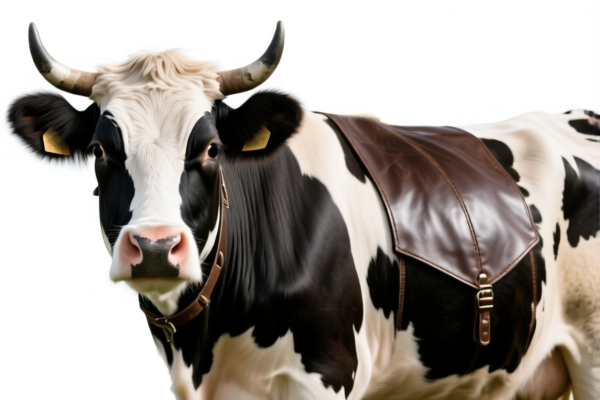
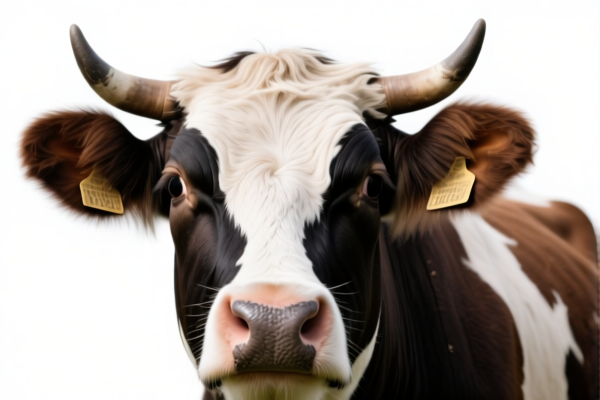
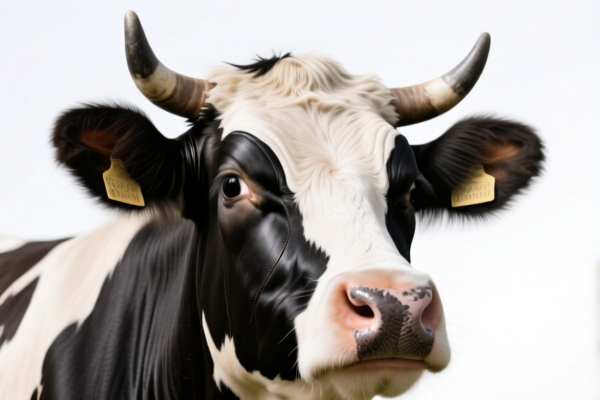

AI Analysis
🥩 Bison Steak (Raw or Processed Meat of Bison)
🌐 HS Code Reference & Customs Clearance Guide | 2026 Latest Tariff Analysis | Professional Clearance Strategy
📌 I. Product Definition & Classification: What Exactly is "Bison Steak"?
Bison meat (often marketed as "Buffalo Meat") is a lean, high-protein red meat product. In international trade, classification depends strictly on the processing state and preservation method. It is not a single HS code but falls into two main categories:
- Fresh/Chilled/Frozen Meat: Raw meat that has not been significantly processed beyond cutting and packaging. This is the most common form for "Steak" cuts ready for cooking.
- Salted, Brined, Dried, or Smoked Meat: Meat that has undergone preservation processes. If the bison steak is cured, smoked, or heavily salted, it falls here.
⚠️ Critical Distinction:
- If the product is simply cut into steaks and sold fresh/frozen without curing/smoking →归类 to 0208.10.
- If the product has been preserved (salted, dried, smoked) →归类 to 0210.20 or 0210.19.
- Note: The specific HS code depends on the exact preservation method if processed.
📦 II. HS Code Classification Details (2026 Latest Tariff Authority Comparison)
| HS Code | Product Description | Applicable Scenario | Processing State |
|---|---|---|---|
0208.10 |
Meat of bison, fresh, chilled or frozen | Fresh bison steaks, frozen bison chops, raw meat cuts | ✅ Fresh/Chilled/Frozen |
0210.20 |
Meat of bison, salted, in brine, dried or smoked | Smoked bison steaks, dried bison jerky strips, brined meat | ✅ Preserved (Salted/Dried/Smoked) |
0210.19 |
Other meat of bovine animals, salted, in brine, dried or smoked | Note: Data shows 0210.19 for "Meat of bison, salted..." in some contexts, but typically 0210.20 is specific to Bison. Please verify local tariff books. Based on provided data, this is an alternative for processed bison. | ✅ Preserved (Other processed forms) |
🔍 Key Reminder:
- Raw/Frozen Steaks: Must be declared under 0208.10.
- Processed/Smoked Steaks: Must be declared under 0210.20 (or 0210.19 per specific data).
- Do not misdeclare processed meat as fresh to avoid underpayment of duties (if rates differ) or compliance penalties.
💰 III. 2026 Latest Tariff Rate Details
✅ Applicable Country: [Data Unspecified in Input]
✅ Origin: [Data Unspecified in Input]
⚠️ Tax Status: Failed to retrieve tax information
📉 Total Tax: Error
🎯 1. 0208.10 —— Meat of bison, fresh, chilled or frozen
| Item | Content |
|---|---|
| Base Tax Rate | ❌ Failed to retrieve |
| Additional Taxes | ❌ Failed to retrieve |
| Total Tax | Error |
| Tax Calculation | Cannot be calculated without tax data |
| De Minimis Eligibility | ❌ Information Unavailable |
| Legal Basis | Information Unavailable |
📌 Explanation:
- The provided dataset indicates a failure to retrieve specific tax details for this HS code.
- Action Required: Users must consult the local customs tariff database or a licensed customs broker for the current MFN (Most Favored Nation) or specific country duty rates.
- General Global Trend: Fresh meat often carries standard import duties (e.g., 0-15% in many jurisdictions) but may be subject to Quotas or Sanitary/Phytosanitary (SPS) restrictions.
🎯 2. 0210.20 —— Meat of bison, salted, in brine, dried or smoked
| Item | Content |
|---|---|
| Base Tax Rate | ❌ Failed to retrieve |
| Additional Taxes | ❌ Failed to retrieve |
| Total Tax | Error |
| Tax Calculation | Cannot be calculated without tax data |
| De Minimis Eligibility | ❌ Information Unavailable |
| Legal Basis | Information Unavailable |
📌 Explanation:
- Processed meat often incurs higher duties than fresh meat due to value addition.
- Again, specific rates are missing from the source data. Consult local regulations for Value-Added Tax (VAT) and Excise Tax implications.
🎯 3. 0210.19 —— Meat of bison, salted, in brine, dried or smoked (Alternative)
| Item | Content |
|---|---|
| Base Tax Rate | ❌ Failed to retrieve |
| Additional Taxes | ❌ Failed to retrieve |
| Total Tax | Error |
| Tax Calculation | Cannot be calculated without tax data |
| De Minimis Eligibility | ❌ Information Unavailable |
| Legal Basis | Information Unavailable |
📌 Note: Use this code if
0210.20is not applicable in your specific region or if the processing method falls under "other" preserved forms.
🛠️ IV. Customs Clearance Practical Advice (Field Avoidance Guide)
✅ 1. Required Documentation Checklist (Missing items cause delays)
| Document | Mandatory? | Explanation |
|---|---|---|
| ✅ Commercial Invoice | ✔️ | Must clearly state "Bison Meat," cut type (Steak), and processing (Fresh/Smoked). |
| ✅ Phytosanitary Certificate | ✔️ | Critical for meat imports. Issued by the exporting country's agricultural authority. |
| ✅ Health/Sanitary Certificate | ✔️ | Confirms meat is fit for human consumption and free from diseases (e.g., BSE, Foot-and-Mouth). |
| ✅ Certificate of Origin (CO) | ✔️ | Required for tariff preference claims if available. |
| ✅ Packaging List | ✔️ | Detailing net/gross weight, number of boxes, and storage temperature. |
| ✅ Import License (if required) | ✔️ | Many countries require specific permits for fresh meat imports. |
✅ 2. Declaration Tips (Key Mantra)
🔥 "Be Honest about Processing, Declare Species Clearly, Certs First!"
| Situation | Correct Declaration | Wrong Practice |
|---|---|---|
| Fresh Frozen Steaks | 0208.10 + "Fresh/Frozen Bison Steaks" |
Misdeclaring as "Beef" (Bovine) → Penalty for false declaration |
| Smoked/Salted Steaks | 0210.20 + "Smoked Bison Steaks" |
Misdeclaring as "Fresh" to avoid higher duties → Seizure & Fine |
| Product Name | Use "Bison" or "American Bison" | Use "Buffalo" ambiguously without clarification |
| Species | Explicitly state Bison bison | State only "Meat" → Refusal of Entry |
📌 Warning:
- Many countries have strict BSE (Mad Cow Disease) regulations. Bison are generally exempt, but you must prove it is not from bovine cattle.
- Mislabeling as "Beef" when it is Bison can lead to immediate rejection if the importing country has different quotas or bans for cattle vs. bison.
✅ 3. Special Circumstances Handling
| Situation | Handling Advice |
|---|---|
| US Imports | Ensure the exporter is on the USDA-FSIS Approved List. Bison is regulated as "Other Livestock." |
| EU Imports | Strict SPS controls. Must come from a third-country approved establishment. |
| China Imports | Requires GACC Registration for the overseas production facility. |
| Organic Claims | If marketed as "Organic," provide Organic Certification to avoid false advertising claims. |
🌍 V. Global Market Clearance Comparison (2026 Latest)
| Country/Region | Recommended HS Code | Duty Note | Certification Requirement | Remarks |
|---|---|---|---|---|
| 🇺🇸 USA | 0208.10 (Fresh) / 0210.20 (Preserved) |
Varies by FTA | USDA-FSIS Health Cert | Bison is allowed, but facility must be approved. |
| 🇪🇺 EU | 0208.10 / 0210.20 |
Typically 9-12% | EU Health Cert + SPS | Strict traceability required. |
| 🇨🇳 China | 0208.10 / 0210.20 |
~12-15% | GACC Registration + CIQ | Only from approved countries/facilities. |
| 🇬🇧 UK | 0208.10 / 0210.20 |
Post-Brexit Rates | UK Health Cert | Similar to EU standards. |
📌 Conclusion:
- Certification is Key: Unlike standard commodities, meat import is heavily regulated by health and safety laws.
- Tax Data Limitation: Since the provided data shows "Error" for tax, always verify local duty rates before shipping. A 5-10% difference in duty can significantly impact margins.
📌 VI. Common Errors & Pitfalls Guide (Blood & Tears Lessons)
❌ Error 1: Declaring "Bison" as "Beef" to simplify paperwork
👉 Consequence: Customs audit, potential fines for species misdeclaration, and refusal of entry if beef quotas are full.
❌ Error 2: Missing Phytosanitary/Health Certificate
👉 Consequence: Cargo held at port, perishable goods spoiled, total loss.
❌ Error 3: Ignoring Processing State (Fresh vs. Smoked)
👉 Consequence: Wrong HS code → Wrong Duty → Post-clearance adjustment and penalties.
❌ Error 4: Not verifying Facility Approval
👉 Consequence: If the plant exporting the bison is not approved by the destination country (e.g., USDA, GACC), the entire shipment will be rejected.
✅ Correct Practice:
"Bison Steaks, Frozen, Cut from American Bison (Bison bison), packed in 10kg boxes, from [Approved Facility Name], accompanied by USDA Health Certificate No. XXXXX."
🎯 VII. Conclusion: Professional Declaration, Save Time, Reduce Costs!
🎯 Remember the Mantra:
🔹 "Bison is not Beef, Declare Species Clearly!"
🔹 "Fresh is 0208, Smoked is 0210, Certs are Mandatory!"
🔹 "Check Facility Approval Before You Ship!"
📌 Small Tip:
Since the provided tax data is incomplete ("Error"), it is highly recommended to:
1. Use Customs Brokers in the destination country to verify current duty rates.
2. Apply for an Advance Ruling if you are importing large volumes.
3. Ensure all Sanitary Certificates are in order before cargo departs.
📣 Immediate Action:
📞 Contact your freight forwarder + Verify USDA/GACC/Export License status
🚀 Ensure smooth customs clearance for your premium Bison products!
✨ Professional Clearance Starts with Precise Classification!
💼 Your Cost Savings Depend on Accurate HS Codes and Correct Documentation!
Customer Reviews
About HS Code Classification
The Harmonized System (HS) is an internationally standardized nomenclature developed by the World Customs Organization (WCO) to classify traded products. Over 200 countries use the HS system as the basis for customs tariffs, trade statistics, and import/export regulations.
Each HS code follows a hierarchical structure:
- Chapter (2 digits) — Broad category of goods (e.g., Chapter 84: Machinery and Mechanical Appliances)
- Heading (4 digits) — More specific grouping within the chapter
- Subheading (6 digits) — Internationally standardized breakdown, used by all WCO member countries
- National subdivisions (8-10 digits) — Country-specific extensions for further classification, such as US HTSUS 10-digit codes
Correct HS code classification is essential for smooth customs clearance, accurate duty payment, and compliance with trade regulations. Misclassification can lead to customs delays, overpayment of duties, or penalties.
When importing from CN to US, the applicable tariff rates may include:
- Most-Favored-Nation (MFN) rate — The standard duty rate applied to WTO members
- General rate — Applied to countries without trade agreements
- Trade remedy duties — Additional tariffs such as Section 301 (anti-dumping), Section 232 (national security), or countervailing duties
The information provided on this page is for reference purposes only. For official classification, please consult with your local customs authority or a licensed customs broker.