Bituminous mixtures based on natural asphalt, natural bitumen, petroleum bitumen, mineral tar or mineral tar pitch (HS 4005100000)
CN → US| HS Code | Tariff Rate | Origin | Destination | Doc |
|---|---|---|---|---|
| 2714900000 | 35.0% | CN | US | Official Doc |
| 2708100000 | 35.0% | CN | US | Official Doc |
| 2708200000 | 35.0% | CN | US | Official Doc |
| 2714100000 | 35.0% | CN | US | Official Doc |
| 4005100000 | 35.0% | CN | US | Official Doc |
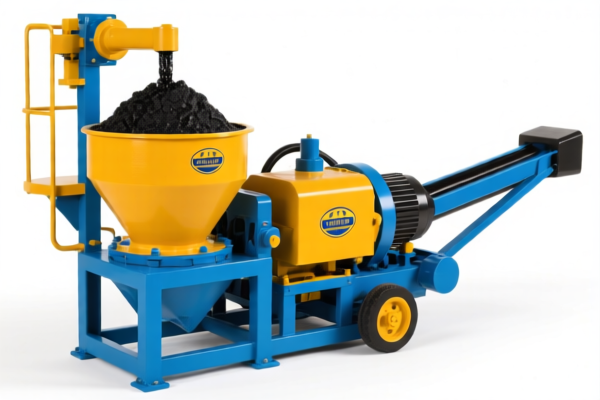
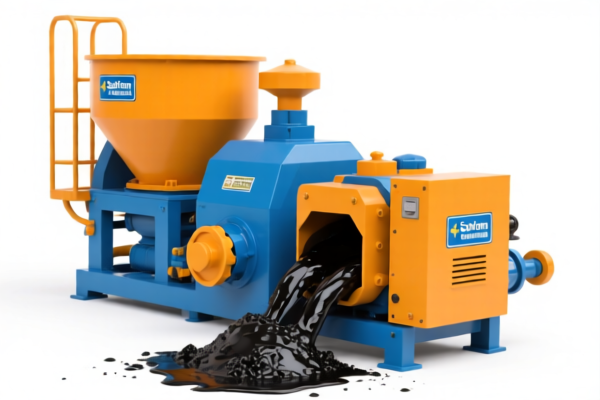
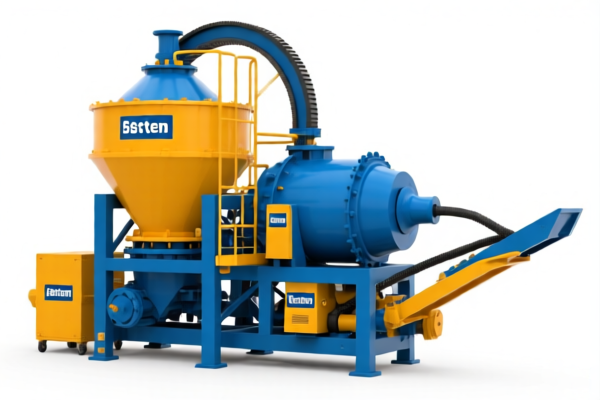
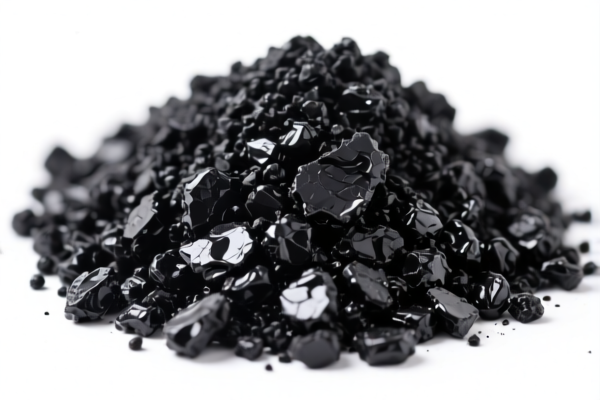
Product Images
AI Analysis
🛣️ Bituminous Mixtures Based on Natural Asphalt, Natural Bitumen, Petroleum Bitumen, Mineral Tar, or Mineral Tar Pitch (HS 4005.10.00.00)
🌐 HS Code Reference & Customs Clearance Guide | 2026 Latest Tariff Analysis | Professional Import Strategy
📌 One: Product Definition & Classification – What Exactly Is This Material?
Bituminous mixtures are engineered construction materials widely used in road paving, roofing, waterproofing, and industrial sealing applications. These mixtures are formulated using bitumen-based binders derived from:
- Natural asphalt (e.g., from asphalt lakes like Trinidad Lake Asphalt)
- Natural bitumen
- Petroleum bitumen (from crude oil distillation)
- Mineral tar (from coal tar or other mineral tars)
- Mineral tar pitch (a residue from tar distillation)
⚠️ Key Distinction:
- If the product contains any of these bituminous binders and is not pure raw material (e.g., not just "pitch" or "bitumen"), but is a mixture (e.g., with fillers, modifiers, or solvents), it falls under HS 4005.10.00.00.
- Pure raw bitumen or pitch (without additives) may fall under HS 2708 or 2714, but mixtures are exclusively classified under HS 4005.10.00.00.
📦 Two: HS Code Classification Details (2026 Official Tariff Authority Match)
| HS Code | Product Description | Typical Use Cases | Additives Present? |
|---|---|---|---|
4005.10.00.00 |
Bituminous mixtures based on natural asphalt, natural bitumen, petroleum bitumen, mineral tar, or mineral tar pitch (e.g., cut-backs, mastics, modified bitumen) | Road construction, roofing membranes, waterproofing layers, industrial coatings | ✅ Yes (commonly includes fillers, polymers, solvents) |
2708.10.00.00 |
Pitch (from coal tar or mineral tars) – raw form | Industrial feedstock, chemical intermediates | ❌ No (not a mixture) |
2708.20.00.00 |
Pitch coke – raw residue | Carbon electrodes, battery anodes, industrial carbon products | ❌ No (not a mixture) |
2714.10.00.00 |
Bituminous or oil shale and tar sands – natural deposits | Extraction and refining feedstock | ❌ No (not processed into mixtures) |
2714.90.00.00 |
Other natural bituminous materials – non-mixture forms | Raw feedstock for further processing | ❌ No |
🔍 Critical Insight:
- Any product that is a blend of bitumen + filler + modifier + solvent → must be declared under4005.10.00.00
- Even if the binder is natural asphalt, if it's mixed with additives, it does not qualify for lower-tariff raw material codes.
💰 Three: 2026 Latest Tariff Breakdown (Including附加 Taxes & Policy Levies)
✅ Applicable Country: United States (US)
✅ Origin: China (CN)
✅ Effective Date: November 10, 2025 (and ongoing)
🎯 1. 4005.10.00.00 — Bituminous Mixtures (Cut-backs, Mastics, Modified Bitumen)
| Item | Detail |
|---|---|
| Base Tariff Rate | 0% (ad valorem) |
| USITC Additional Duty | +25% (under Section 301 of the Trade Act) |
| IEEPA Additional Duty | +10% (International Emergency Economic Powers Act – applies to goods from China/HK) |
| Total Effective Tariff | 45% |
| Tax Calculation Basis | CIF Value × 45% |
| De Minimis Threshold | ❌ Not applicable (denied under US law) |
| Legal Reference Path | IEEPA:9903.01.25 → IEEPA:9903.01.24 → USITC:4005.10.00.00 → FOOTNOTE:9903.88.01 |
📌 Explanation:
- The 25% USITC duty stems from the Section 301 investigation targeting Chinese manufactured goods deemed to have unfair trade practices.
- The 10% IEEPA duty is a national security-based tariff under emergency powers, applied to all products from China.
- Combined total = 45%, making this one of the highest tariff burdens in the construction materials sector.
🛠️ Four: Customs Clearance Best Practices (Real-World Pro Tips)
✅ 1. Required Documentation (Must-Have Checklist)
| Document | Required? | Notes |
|---|---|---|
| ✅ Commercial Invoice | ✔️ | Must clearly state: “Bituminous Mixture – Modified Asphalt, for Road Paving, HS 4005.10.00.00” |
| ✅ Product Specification Sheet | ✔️ | Include binder type (e.g., petroleum bitumen), additives (e.g., SBS polymer), viscosity, softening point |
| ✅ Material Safety Data Sheet (MSDS/SDS) | ✔️ | Required for chemical handling and safety compliance |
| ✅ Certificate of Origin (CO) | ✔️ | If from China, expect 45% tariff; if from Vietnam/Mexico, may qualify for exemption |
| ✅ Test Report (e.g., ASTM D6373, D7038) | ✔️ | Proves product meets technical standards |
| ✅ Packing List | ✔️ | Shows total weight, volume, packaging type |
| ✅ Customs Broker’s Declaration | ✔️ | Must be filed by licensed U.S. broker |
✅ 2.申报技巧(Critical Pro Tips)
🔥 “Mixture = 4005.10.00.00, Not Raw = No Escape!”
| Scenario | Correct HS Code | Common Mistake | Risk |
|---|---|---|---|
| Modified asphalt with SBS polymer | 4005.10.00.00 |
Misreported as 2714.90.00.00 (raw bitumen) |
45% tariff instead of 0% → massive overpayment |
| Cut-back asphalt (bitumen + solvent) | 4005.10.00.00 |
Reported as 2714.10.00.00 (tar sands) |
Severe penalty + seizure |
| Roofing mastic with fillers | 4005.10.00.00 |
Called “asphalt compound” without HS code | Customs delay or rejection |
| Bulk shipment of raw bitumen | 2714.90.00.00 |
Misclassified as mixture | Refund required + audit risk |
✅ Correct Description Template:
“Bituminous Mixture, SBS Modified, for Road Construction, 5000 kg, 100% Petroleum Bitumen Base, with Polymer Modifier, HS 4005.10.00.00, Origin: China, ASTM D7038 Certified”
✅ 3. Special Cases & Workarounds
| Situation | Recommended Action |
|---|---|
| Product from Vietnam/Mexico | Apply for IEEPA exemption – if origin is non-China, tariff drops to 0% |
| Small shipment (<$800) | De minimis rule applies → No duty (but only if origin is non-China) |
| Re-exported goods | If re-imported after processing abroad, can apply for drawback (refund of duties paid) |
| Customs Audit Risk | File Advance Ruling Request with U.S. CBP to confirm classification |
🌍 Five: Global Market Customs Comparison (2026 Update)
| Country/Region | Recommended HS Code | Tariff Rate | Certification Required | Notes |
|---|---|---|---|---|
| 🇺🇸 United States | 4005.10.00.00 |
45% (China origin) | ASTM, SDS, CO | Highest tariff in world |
| 🇨🇳 China | 4005.10.00.00 |
5% | CCC, RoHS | No additional duties |
| 🇪🇺 European Union | 4005.10.00.00 |
0% (if CE compliant) | CE, REACH | No Section 301-style taxes |
| 🇦🇺 Australia | 4005.10.00.00 |
5% | RCM | No附加 tax |
| 🇯🇵 Japan | 4005.10.00.00 |
0% | PSE | No附加 duty |
📌 Key Takeaway:
- The U.S. is the only major market imposing 45% tariff on these mixtures from China.
- Non-China origin = 0% tariff – consider shifting production or re-export through third countries.
📌 Six: Common Mistakes & How to Avoid Them (Real-World Lessons)
❌ Mistake 1: Classifying a polymer-modified asphalt as "raw bitumen"
👉 Result: Underpayment of duty → penalty + interest + seizure
❌ Mistake 2: Not including "modified" or "mixture" in product name
👉 Result: Customs reclassifies as raw material → 45% penalty
❌ Mistake 3: Using generic term “asphalt” without specifying binder type
👉 Result: Delayed clearance, request for additional documentation
❌ Mistake 4: Shipping in bulk without proper labeling
👉 Result: Rejection at port, high demurrage fees
✅ Best Practice:
Use precise technical language in all documents:
“SBS-Modified Bituminous Mixture, Petroleum-Based, for High-Traffic Road Surfaces, HS 4005.10.00.00”
🎯 Seven: Final Verdict – Precision Pays Off
🎯 Remember the Golden Rule:
🔹 “If it’s mixed, it’s 4005.10.00.00. If it’s raw, it’s 27xx. No exceptions.”
🔹 “China origin? 45% tariff. Non-China? 0%. One word changes everything.”
📌 Pro Tip:
If your product is produced in Vietnam, Mexico, or Thailand, apply for IEEPA exemption – you can avoid all附加 duties and save up to 45% on every shipment.
📣 Act Now!
📞 Contact a licensed U.S. customs broker + Submit product specs + Request HS Code Pre-Ruling
🚀 Avoid delays, penalties, and overpayments — get your bituminous mixtures cleared smoothly and affordably!
✨ Expert Customs Strategy Starts with Accurate Classification!
💼 Your profit margin depends on the right HS code. Get it right the first time.
Customer Reviews
About HS Code Classification
The Harmonized System (HS) is an internationally standardized nomenclature developed by the World Customs Organization (WCO) to classify traded products. Over 200 countries use the HS system as the basis for customs tariffs, trade statistics, and import/export regulations.
Each HS code follows a hierarchical structure:
- Chapter (2 digits) — Broad category of goods (e.g., Chapter 84: Machinery and Mechanical Appliances)
- Heading (4 digits) — More specific grouping within the chapter
- Subheading (6 digits) — Internationally standardized breakdown, used by all WCO member countries
- National subdivisions (8-10 digits) — Country-specific extensions for further classification, such as US HTSUS 10-digit codes
Correct HS code classification is essential for smooth customs clearance, accurate duty payment, and compliance with trade regulations. Misclassification can lead to customs delays, overpayment of duties, or penalties.
When importing from CN to US, the applicable tariff rates may include:
- Most-Favored-Nation (MFN) rate — The standard duty rate applied to WTO members
- General rate — Applied to countries without trade agreements
- Trade remedy duties — Additional tariffs such as Section 301 (anti-dumping), Section 232 (national security), or countervailing duties
The information provided on this page is for reference purposes only. For official classification, please consult with your local customs authority or a licensed customs broker.