Bituminous pitch
CN → US| HS Code | Tariff Rate | Origin | Destination | Doc |
|---|---|---|---|---|
| 2714100000 | 35.0% | CN | US | Official Doc |
| 2714900000 | 35.0% | CN | US | Official Doc |
| 6807100000 | 35.0% | CN | US | Official Doc |
| 6807900050 | 37.7% | CN | US | Official Doc |
| 2715000000 | 35.0% | CN | US | Official Doc |
Product Images
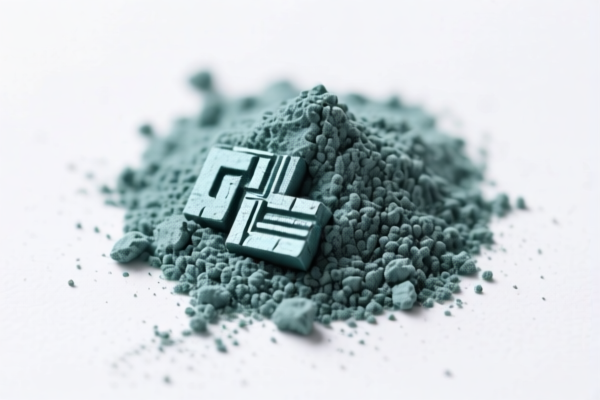

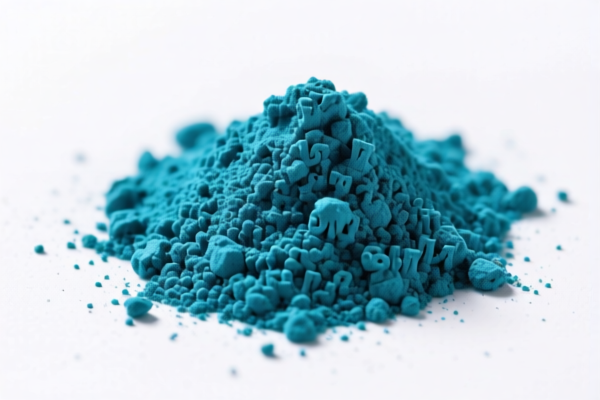
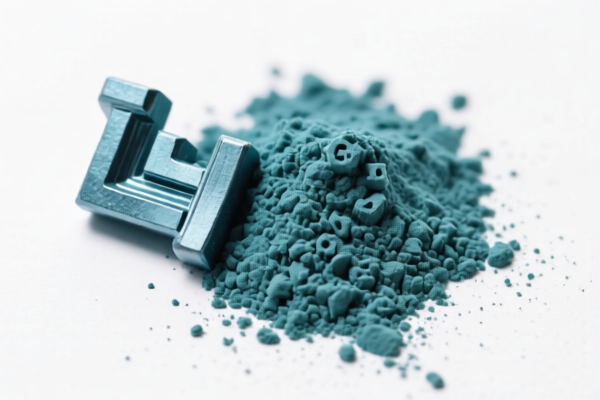
AI Analysis
⛽ Bituminous Pitch (Natural Asphalt)
🌐 HS Code Reference & Customs Clearance Guide | 2026 Latest Tariff Analysis | Professional Clearance Strategy
📌 I. Product Definition & Classification: What is "Bituminous Pitch"?
Bituminous pitch, also known as natural asphalt, is a dark, sticky, highly viscous liquid or semi-solid form of petroleum. It consists primarily of asphaltene and maltene. In international trade, it is classified based on its state (pure vs. prepared) and whether it has been mixed with other materials.
Two Main Categories: 1. Raw/Natural Bitumen: Unprocessed natural asphalt found in nature (e.g., from Lake Asphalt). 2. Bituminous Preparations/Manufactures: Asphalt that has been processed, formulated into shapes (sheets, blocks), or mixed with aggregates/fillers.
⚠️ Key Distinction Point:
- If the material is pure natural asphalt (liquid or semi-solid) without significant additives → Falls under Chapter 27 (Mineral Fuels) (2714or2715).
- If the material is processed into specific articles (e.g., sheets, pipes) or mixed with other substances → Falls under Chapter 68 (Mineral Products) (6807).
📦 II. HS Code Classification Details (2026 Latest Tariff Authority Match)
Based on the provided <DATA>, here is the precise mapping for "Bituminous Pitch":
| HS Code | Product Description (as per Data) | Applicability | Material State |
|---|---|---|---|
2714.10.00.00 |
Natural Asphalt, material is asphaltic, meets core component definition | Raw natural asphalt, pure form | ✅ Pure Natural |
2714.90.00.00 |
Natural Asphalt, material matches the category completely | Other natural asphalt forms not covered in 2714.10 | ✅ Pure Natural |
2715.00.00.00 |
Bituminous Mixtures based on natural asphalt, material fully meets classification requirements | Asphalt mixed with fillers/aggregates | ✅ Mixed/Prepared |
6807.10.00.00 |
Natural Asphalt Articles, material meets requirements for asphalt or similar materials | Processed forms (e.g., sheets, blocks) | ✅ Manufactured Article |
6807.90.00.50 |
Natural Asphalt Articles, material meets core requirements for asphalt/similar materials | Other processed articles | ✅ Manufactured Article |
🔍 Critical Warning:
- Chapter 27 (2714/2715) applies to the material itself (bulk, liquid, or unshaped).
- Chapter 68 (6807) applies when the asphalt has been shaped or fabricated into specific articles (like roofing sheets or pipes).
- Misclassifying a manufactured article as raw material (or vice versa) can lead to customs delays, fines, or incorrect duty assessments.
💰 III. 2026 Latest Tariff Rate Details (Including Surcharge Policies)
✅ Applicable Country: United States (US)
✅ Origin: China (CN) (Implied by the specific tax structure: Base + Section 301 + 122/IEEPA)
✅ Effective Time: Current rates apply as per the provided data.
🎯 1. 2714.10.00.00 & 2714.90.00.00 —— Natural Asphalt (Raw Material)
These codes cover raw natural asphalt. The tax structure is identical for both.
| Item | Detail |
|---|---|
| Base Tariff Rate | 0.0% |
| Section 301 Surcharge (Additional Tariff) | +25.0% |
| Section 122 Tariff (122 Clause Tariff) | +10.0% |
| Total Tax Rate | 35.0% |
| Calculation Basis | CIF Value × 35% |
| Legal Path | Base Rate → Section 301 (USITC) → Section 122 (USTR) |
📌 Explanation:
- Although the base duty is 0%, the Section 301 tariffs (25%) and Section 122 tariffs (10%) apply to Chinese-origin goods.
- Total Effective Rate: 35%. This is a high barrier for raw material imports.
🎯 2. 2715.00.00.00 —— Bituminous Mixtures
Covers mixtures based on natural asphalt.
| Item | Detail |
|---|---|
| Base Tariff Rate | 0.0% |
| Section 301 Surcharge (Additional Tariff) | +25.0% |
| Section 122 Tariff (122 Clause Tariff) | +10.0% |
| Total Tax Rate | 35.0% |
| Calculation Basis | CIF Value × 35% |
| Legal Path | Base Rate → Section 301 → Section 122 |
📌 Note:
- Even though it is a "mixture," if it is based on natural asphalt and meets the specific criteria, it falls under this code with the same 35% total rate.
🎯 3. 6807.10.00.00 —— Natural Asphalt Articles (Shaped)
Covers manufactured articles like asphalt sheets or pipes.
| Item | Detail |
|---|---|
| Base Tariff Rate | 0.0% |
| Section 301 Surcharge (Additional Tariff) | +25.0% |
| Section 122 Tariff (122 Clause Tariff) | +10.0% |
| Total Tax Rate | 35.0% |
| Calculation Basis | CIF Value × 35% |
🎯 4. 6807.90.00.50 —— Other Natural Asphalt Articles
Covers other processed articles not specifically listed elsewhere in Chapter 68.
| Item | Detail |
|---|---|
| Base Tariff Rate | 2.7% |
| Section 301 Surcharge (Additional Tariff) | +25.0% |
| Section 122 Tariff (122 Clause Tariff) | +10.0% |
| Total Tax Rate | 37.7% |
| Calculation Basis | CIF Value × 37.7% |
| Legal Path | Base Rate → Section 301 → Section 122 |
⚠️ High-Risk Alert:
- This is the most expensive code in the list at 37.7%.
- The base rate is 2.7% (unlike the 0% for other codes).
- Ensure the product clearly falls under "Other articles" and not a more specific heading to avoid overpayment, but also ensure it is not misclassified as raw material (2714) if it is shaped.
🛠️ IV. Customs Clearance Practical Advice (Real-World Pitfall Guide)
✅ 1. Required Documentation Checklist
| Document | Mandatory? | Notes |
|---|---|---|
| ✅ Commercial Invoice | ✔️ | Must clearly state "Natural Asphalt" or "Bituminous Mixtures" and HS Code. |
| ✅ Bill of Lading/Air Waybill | ✔️ | Standard shipping docs. |
| ✅ Certificate of Origin | ✔️ | Critical for determining Section 301/122 applicability. |
| ✅ Product Specification Sheet | ✔️ | Must detail: Composition (asphaltene content), State (liquid/solid), and Intended Use. |
| ✅ Material Safety Data Sheet (MSDS) | ✔️ | Often required for chemical/mineral products. |
| ✅ Customs Declaration Form | ✔️ | Accurate HS Code selection is vital. |
✅ 2. Classification Strategy (Key Tips)
🔥 "Raw Material vs. Article: Don't Mix Them!"
| Scenario | Correct HS Code | Tax Rate | Risk of Misclassification |
|---|---|---|---|
| Liquid/Semi-solid Bulk Asphalt | 2714.10.00.00 / 2714.90.00.00 |
35.0% | Low if clearly bulk. |
| Asphalt Mixed with Stone/Dust | 2715.00.00.00 |
35.0% | Ensure it's a "mixture" not a "manufacture". |
| Asphalt Sheets/Roofing | 6807.10.00.00 |
35.0% | Clearly shaped article. |
| Other Processed Asphalt Items | 6807.90.00.50 |
37.7% | Highest tax. Avoid if possible by using specific headings. |
📌 Strategic Advice:
- If your product is raw asphalt, declare it under 2714 or 2715 (35%).
- If it is shaped, you must declare under 6807.
- Do not try to declare shaped articles as raw material to "save" on base rates, as this is fraud and will be caught by physical inspection or detailed specs.
- However, if you have a niche article, check if6807.10.00.00(35%) is applicable instead of6807.90.00.50(37.7%) to save 2.7% on the base rate.
✅ 3. Special Considerations
| Situation | Handling Suggestion |
|---|---|
| Oil Price Volatility | Duties are ad valorem (percentage of value). Monitor CIF value closely. |
| Mixed Containers | If a container has both raw asphalt and asphalt sheets, declare separately. Mixing codes is illegal. |
| Origin Verification | Ensure the Certificate of Origin is valid to confirm Section 301/122 applicability. Goods from other origins may have different rates. |
| Chemical Composition | Provide detailed lab reports to prove it is "natural asphalt" and not a synthetic polymer or other chemical, which would fall under Chapter 39. |
🌍 V. Global Market Comparison (2026 Overview)
| Country/Region | Recommended HS Code | Tariff (China Origin) | Key Requirements | Notes |
|---|---|---|---|---|
| 🇺🇸 USA | 2714 / 6807 |
35.0% - 37.7% | Section 301 + 122 | High tariffs due to trade policies. |
| 🇨🇳 China | 2714 / 6807 |
0% - 7% | Standard | Lower tariffs for import. |
| 🇪🇺 EU | 2714 / 6807 |
~3% - 6% | REACH, SDS | No Section 301/122 surcharges. |
| 🇯🇵 Japan | 2714 / 6807 |
~5% - 7% | JIS Standards | Moderate tariffs. |
📌 Conclusion:
- The US market is significantly more expensive due to the 35-37.7% effective tariff rate (0% base + 25% Sec 301 + 10% Sec 122).
- For6807.90.00.50, the rate is 37.7%, making it the most costly option.
- Exporters should carefully consider pricing strategies to absorb these costs or explore supply chain adjustments.
📌 VI. Common Mistakes & Pitfalls (Lessons Learned)
❌ Mistake 1: Declaring shaped asphalt sheets as raw natural asphalt (2714).
👉 Consequence: Customs will reclassify to 6807, charge the correct tax, and likely issue a penalty for misdeclaration.
👉 Correction: Always classify based on physical state (bulk vs. article).
❌ Mistake 2: Ignoring the Section 122 Tariff (10%).
👉 Consequence: Underpayment of duties. The 10% surcharge is mandatory for Chinese goods under this policy.
👉 Correction: Ensure the total calculated tax includes 35% (for 2714/2715/6807.10) or 37.7% (for 6807.90.50).
❌ Mistake 3: Confusing Bituminous Mixtures (2715) with Bituminous Preparations (6807).
👉 Consequence: If the mixture is already a finished product (e.g., ready-to-pour sealant), it might be 6807. If it's just asphalt + filler in bulk, it's 2715.
👉 Correction: Provide clear Product Specifications indicating if it is a bulk mixture or a finished article.
🎯 VII. Conclusion: Accurate Classification, Cost Control!
🎯 Remember the Golden Rules:
🔹 "Raw Material = 2714/2715 (35%)"
🔹 "Shaped Article = 6807 (35% or 37.7%)"
🔹 "Section 301 (25%) + Section 122 (10%) = Mandatory"
🔹 "HS Code Determines Duty, Duty Determines Profit!"
📌 Pro Tip:
If you are exporting high-value asphalt products to the US, consider applying for a Tariff Exclusion (if applicable) or using a Customs Broker to verify the correct subheading under 6807 to ensure you don't fall into the 37.7% bracket when 35% might be applicable.
📣 Immediate Action:
📞 Consult a licensed customs broker.
📄 Prepare detailed product specs (State, Composition, Form).
📊 Calculate landed cost including 35-37.7% duties.
🚀 Ensure smooth clearance and maximize your profit margin!
✨ Professional Clearance, Start with Precise Classification!
💼 Every cent of tax saved is a cent of profit earned!
Customer Reviews
About HS Code Classification
The Harmonized System (HS) is an internationally standardized nomenclature developed by the World Customs Organization (WCO) to classify traded products. Over 200 countries use the HS system as the basis for customs tariffs, trade statistics, and import/export regulations.
Each HS code follows a hierarchical structure:
- Chapter (2 digits) — Broad category of goods (e.g., Chapter 84: Machinery and Mechanical Appliances)
- Heading (4 digits) — More specific grouping within the chapter
- Subheading (6 digits) — Internationally standardized breakdown, used by all WCO member countries
- National subdivisions (8-10 digits) — Country-specific extensions for further classification, such as US HTSUS 10-digit codes
Correct HS code classification is essential for smooth customs clearance, accurate duty payment, and compliance with trade regulations. Misclassification can lead to customs delays, overpayment of duties, or penalties.
When importing from CN to US, the applicable tariff rates may include:
- Most-Favored-Nation (MFN) rate — The standard duty rate applied to WTO members
- General rate — Applied to countries without trade agreements
- Trade remedy duties — Additional tariffs such as Section 301 (anti-dumping), Section 232 (national security), or countervailing duties
The information provided on this page is for reference purposes only. For official classification, please consult with your local customs authority or a licensed customs broker.