Black Automotive Sealant
CN → US| HS Code | Tariff Rate | Origin | Destination | Doc |
|---|---|---|---|---|
| 4016931020 | 37.5% | CN | US | Official Doc |
| 3214100010 | 38.7% | CN | US | Official Doc |
| 3926904510 | 38.5% | CN | US | Official Doc |
| 3214100020 | 38.7% | CN | US | Official Doc |
Product Images
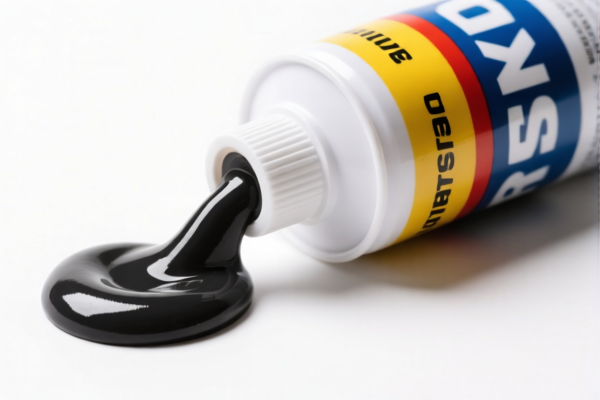
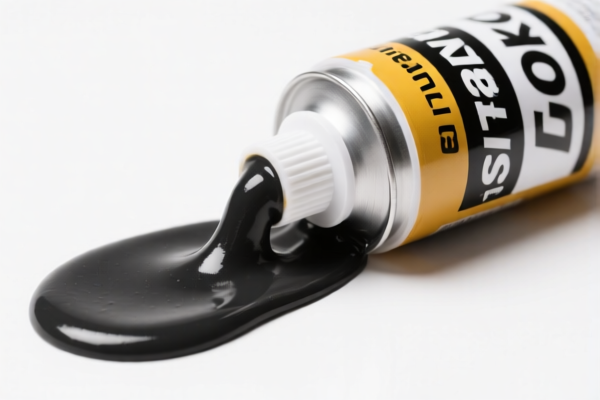
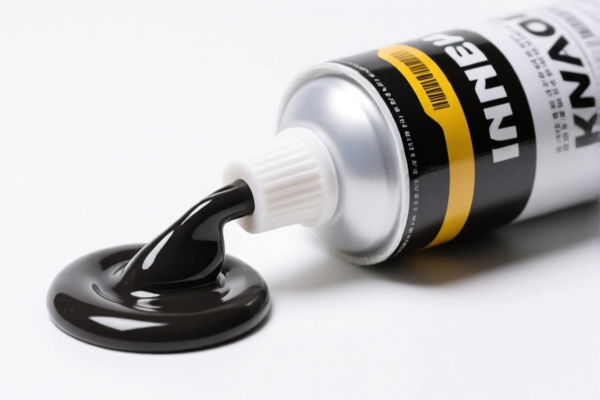

AI Analysis
🚗 Black Automotive Sealant: HS Code Classification & Tariff Breakdown
🌐 HS Code Reference & Clearance Guide | 2026 Latest Tariff Analysis | Professional Customs Strategy
📌 I. Product Definition: What is "Black Automotive Sealant"?
"Black Automotive Sealant" is a specialized chemical or rubber-based product used in the automotive industry for sealing, bonding, or weatherproofing. In international trade, its classification depends heavily on its material composition and primary function:
- Rubber/Plastic Parts: If the product is a pre-formed gasket, O-ring, or solid seal made of vulcanized rubber or plastics.
- Chemical Adhesives/Sealants: If the product is a viscous paste, liquid, or compound applied on-site to create a seal (e.g., silicone sealant, polyurethane adhesive).
⚠️ Key Distinction:
- Is it a solid part (Gasket/O-ring)? → Likely Chapter 40 (Rubber) or Chapter 39 (Plastics).
- Is it a liquid/paste compound (Adhesive/Sealant)? → Likely Chapter 32 (Prepared Binders/Sealants).
📦 II. HS Code Classification Details (2026 Latest Tariff Authority)
Based on the provided data, here are the four most likely HS Code classifications for "Black Automotive Sealant," along with the reasoning for each.
| HS Code | Product Description | Matching Logic / Justification | Key Material/Function |
|---|---|---|---|
4016.93.10.20 |
Other vulcanized rubber goods, specifically other sealing goods | Matching Basis: The product is used for automotive sealing. The material is inferred to be vulcanized rubber/rubber-based, fitting the classification logic for "other sealing goods." | Solid/Pre-formed Rubber Seal |
3214.10.00.10 |
Prepared binders and putties; paints and varnishes; sealants | Matching Basis: The product name explicitly contains "Sealant" (密封胶). The color "Black" is an外观 (appearance) descriptor and does not affect material or functional judgment. It fully matches the function of sealants. | Liquid/Paste Chemical Sealant |
3926.90.45.10 |
Other articles of plastics, specifically sealing-like articles | Matching Basis: The product is used for sealing. The material is inferred by common knowledge to be a chemical synthetic material (Plastic/Polimer), and its form fits the logical classification of gaskets/sealing parts. | Plastic/Synthetic Polymer Seal |
3214.10.00.20 |
Other prepared binders, putties, and similar products | Matching Basis: The product's function aligns with sealant compounds. Based on common sense, it falls under "sealing compounds" with no obvious conflict with other categories. | Liquid/Paste Chemical Sealant |
🔍 Critical Reminder:
- If it's a tube/tin of paste: It likely falls under 3214 (Chemical Sealant).
- If it's a black rubber strip/gasket: It likely falls under 4016 (Rubber) or 3926 (Plastic).
- Misclassification Risk: Declaring a liquid sealant as a rubber part (or vice versa) can lead to customs delays, re-evaluation, and penalties.
💰 III. 2026 Latest Tariff Rate Breakdown (Including Surtaxes & Policy Add-ons)
✅ Applicable Country: United States (US)
✅ Origin: China (CN)
✅ Effective Time: Includes subsequent imports post-2025
All four HS Codes share a similar tariff structure due to the aggressive trade policies affecting Chinese goods. Below is the detailed tax breakdown.
🎯 1. 4016.93.10.20 — Other Vulcanized Rubber Goods (Sealing)
| Item | Content |
|---|---|
| Base Tariff | 2.5% (ad valorem) |
| Section 301 Surtax | +25.0% (USITC Footnote related to Chinese imports) |
| IEEPA Add-on | +10% (Targeting China/Hong Kong products, effective from specific dates) |
| Total Tariff Rate | 37.5% |
| Tax Calculation | CIF Value × 37.5% |
| De Minimis Exemption? | ❌ No (deny_de_minimis) |
| Legal Authority Path | Base Tariff: 2.5% → 301 Tariff: 25.0% → IEEPA Tariff: 10% |
📌 Explanation:
- "Base 2.5%": Standard MFN rate for rubber articles.
- "301 Surtax 25%": Additional tariff under Section 301 of the Trade Act.
- "IEEPA 10%": Additional tariff under the International Emergency Economic Powers Act.
- Total 37.5%: This is a high cost factor. Importers must pre-calculate this into landed costs.
🎯 2. 3214.10.00.10 — Prepared Sealants (Chemical)
| Item | Content |
|---|---|
| Base Tariff | 3.7% (ad valorem) |
| Section 301 Surtax | +25.0% |
| IEEPA Add-on | +10% |
| Total Tariff Rate | 38.7% |
| Tax Calculation | CIF Value × 38.7% |
| De Minimis Exemption? | ❌ No (deny_de_minimis) |
| Legal Authority Path | Base Tariff: 3.7% → 301 Tariff: 25.0% → IEEPA Tariff: 10% |
📌 Note:
- Chemical sealants often have a slightly higher base tariff (3.7%) than rubber parts (2.5%).
- The additional tariffs are consistent with other Chinese-origin industrial goods.
🎯 3. 3926.90.45.10 — Other Plastic Articles (Sealing)
| Item | Content |
|---|---|
| Base Tariff | 3.5% (ad valorem) |
| Section 301 Surtax | +25.0% |
| IEEPA Add-on | +10% |
| Total Tariff Rate | 38.5% |
| Tax Calculation | CIF Value × 38.5% |
| De Minimis Exemption? | ❌ No (deny_de_minimis) |
| Legal Authority Path | Base Tariff: 3.5% → 301 Tariff: 25.0% → IEEPA Tariff: 10% |
📌 Note:
- Plastic sealing goods fall between rubber and chemical sealants in base tariff.
- Ensure the material is correctly identified as plastic (e.g., EPDM, silicone rubber-plastic blend) to justify this code.
🎯 4. 3214.10.00.20 — Other Prepared Binders/Sealants
| Item | Content |
|---|---|
| Base Tariff | 3.7% (ad valorem) |
| Section 301 Surtax | +25.0% |
| IEEPA Add-on | +10% |
| Total Tariff Rate | 38.7% |
| Tax Calculation | CIF Value × 38.7% |
| De Minimis Exemption? | ❌ No (deny_de_minimis) |
| Legal Authority Path | Base Tariff: 3.7% → 301 Tariff: 25.0% → IEEPA Tariff: 10% |
📌 Note:
- Similar to3214.10.00.10, this is a sub-category for sealants. The tax burden is identical.
- Use this code if the product is a "prepared binder" or "putty" rather than a standard paint/varnish sealant.
🛠️ IV. Customs Clearance Practical Advice (Pitfall Avoidance Guide)
✅ 1. Documentation Checklist (All are Required)
| Document | Must Provide | Description |
|---|---|---|
| ✅ Product Specification Sheet | ✔️ | Details viscosity, curing time, material type (Rubber vs. Silicone vs. Polyurethane). |
| ✅ MSDS (Material Safety Data Sheet) | ✔️ | Critical for Chemical Sealants (HS 3214). Customs will check for hazardous materials. |
| ✅ Product Photos | ✔️ | Show packaging, label, and the sealant in its container (tube/tin) or form (strip/gasket). |
| ✅ Commercial Invoice | ✔️ | Clearly state "Automotive Sealant, Black, [Material Type]" and HS Code. |
| ✅ Certificate of Origin (CO) | ✔️ | To prove origin is China (CN) and assess surtax applicability. |
| ✅ Packaging List | ✔️ | Detail net/gross weight and number of units. |
✅ 2. Declaration Tips (Key Mantra)
🔥 "Material Determines HS, Function Confirms Code, Don't Guess!"
| Scenario | Correct Declaration | Error to Avoid |
|---|---|---|
| Liquid Paste in Tube | 3214.10.00.10 or .20 |
Declaring as "Rubber Part" → Classification Error |
| Black Rubber Gasket/Strip | 4016.93.10.20 |
Declaring as "Chemical Sealant" → Under/Overpayment |
| Plastic Seal Strip | 3926.90.45.10 |
Declaring as "Rubber" → Misclassification |
| Ambiguous "Sealant" | Provide MSDS + Material Report | Vague description "Auto Parts" → Customs Hold |
✅ 3. Special Considerations
| Case | Handling Advice |
|---|---|
| Chemical Sealant (HS 3214) | MSDS is mandatory. If the sealant contains hazardous chemicals, additional EPA/DOT regulations may apply. |
| Automotive Use | No special automotive exemptions apply for tariffs. The "automotive" label is for description only, not duty reduction. |
| Origin Fraud | Ensure the origin is genuinely China. Transshipment to Vietnam/Malaysia without substantial transformation is illegal and high-risk. |
| Small Packages (De Minimis) | ❌ No Exemption: The data confirms deny_de_minimis. Even small samples are subject to the 37.5%-38.7% tariff. |
🌍 V. Global Market Clearance Comparison (2026)
| Country/Region | Recommended HS Code | Base Tariff | Total Tariff (China Origin) | Notes |
|---|---|---|---|---|
| 🇺🇸 USA | 4016.93.10.20 / 3214.10.00.10 |
2.5% - 3.7% | 37.5% - 38.7% | High surtaxes apply. No de minimis. |
| 🇨🇳 China | 4016.93.10.20 / 3214.10.00.10 |
2.5% - 5.0% | ~5% - 10% | Lower base tariffs. No US-style surtaxes. |
| 🇪🇺 EU | 4016.93 / 3214.10 |
~6.5% - 7.2% | ~6.5% - 7.2% | No Section 301/IEEPA equivalents. VAT applies separately. |
| 🇲🇽 Mexico | 4016.93 / 3214.10 |
~5.0% - 8.0% | ~5.0% - 8.0% | Under USMCA, may have preferential rates if originating. |
📌 Conclusion:
- USA is the most expensive market due to Section 301 and IEEPA tariffs.
- Chemical Sealants (3214) often have a higher base tariff than Rubber Parts (4016).
- Always verify material: Rubber vs. Chemical vs. Plastic.
📌 VI. Common Mistakes & Pitfalls (Lessons Learned)
❌ Mistake 1: Declaring liquid sealant as "Rubber Gasket" to get lower base tariff (2.5% vs 3.7%)
👉 Consequence: Customs audit → Penalty + Back Taxes if material analysis shows it's chemical.
❌ Mistake 2: Ignoring the IEEPA 10% surtax in cost calculation
👉 Consequence: Profit margin erased. Total cost is Base + 35%.
❌ Mistake 3: Sending samples via de minimis (under $800) expecting tax-free entry
👉 Consequence: Shipment seized or taxed. The data confirms deny_de_minimis.
❌ Mistake 4: Vague description "Auto Parts" on Invoice
👉 Consequence: Customs cannot classify → Hold for 2-4 weeks for additional info.
✅ Correct Practice:
"Black Automotive Silicone Sealant, Tube 300ml, Non-Hazardous, HS 3214.10.00.10, Origin China"
🎯 VII. Conclusion: Precise Classification Saves Money!
🎯 Remember the Mantra:
🔹 "Rubber = 4016, Paste = 3214, Plastic = 3926. Base 2.5-3.7%, Plus 35% Surtax. No De Minimis."
🔹 "HS Code determines fate, 35% tariff difference, wrong code costs you thousands."
📌 Pro Tip:
If your sealant is originally manufactured in Vietnam, Mexico, or Thailand, you may exempt from IEEPA/301 tariffs, reducing total tariff to 0%-8%.
Recommend Apply for Advance Ruling before shipment to confirm the exact HS Code and tax liability.
📣 Immediate Action:
📞 Contact a professional customs broker + Provide MSDS + Product Photos
🚀 Ensure your Automotive Sealant clears customs smoothly, efficiently, and profitably!
✨ Professional Clearance Starts with Accurate Classification!
💼 Every cent of your cost deserves precise calculation!
Customer Reviews
About HS Code Classification
The Harmonized System (HS) is an internationally standardized nomenclature developed by the World Customs Organization (WCO) to classify traded products. Over 200 countries use the HS system as the basis for customs tariffs, trade statistics, and import/export regulations.
Each HS code follows a hierarchical structure:
- Chapter (2 digits) — Broad category of goods (e.g., Chapter 84: Machinery and Mechanical Appliances)
- Heading (4 digits) — More specific grouping within the chapter
- Subheading (6 digits) — Internationally standardized breakdown, used by all WCO member countries
- National subdivisions (8-10 digits) — Country-specific extensions for further classification, such as US HTSUS 10-digit codes
Correct HS code classification is essential for smooth customs clearance, accurate duty payment, and compliance with trade regulations. Misclassification can lead to customs delays, overpayment of duties, or penalties.
When importing from CN to US, the applicable tariff rates may include:
- Most-Favored-Nation (MFN) rate — The standard duty rate applied to WTO members
- General rate — Applied to countries without trade agreements
- Trade remedy duties — Additional tariffs such as Section 301 (anti-dumping), Section 232 (national security), or countervailing duties
The information provided on this page is for reference purposes only. For official classification, please consult with your local customs authority or a licensed customs broker.