Black Can
CN → US| HS Code | Tariff Rate | Origin | Destination | Doc |
|---|---|---|---|---|
| 3923900012 | 38.0% | CN | US | Official Doc |
| 3923900014 | 38.0% | CN | US | Official Doc |
| 3208100000 | 38.7% | CN | US | Official Doc |
| 3208200000 | 38.6% | CN | US | Official Doc |
| 7310210070 | 85.0% | CN | US | Official Doc |
| 7310210075 | 85.0% | CN | US | Official Doc |
Product Images
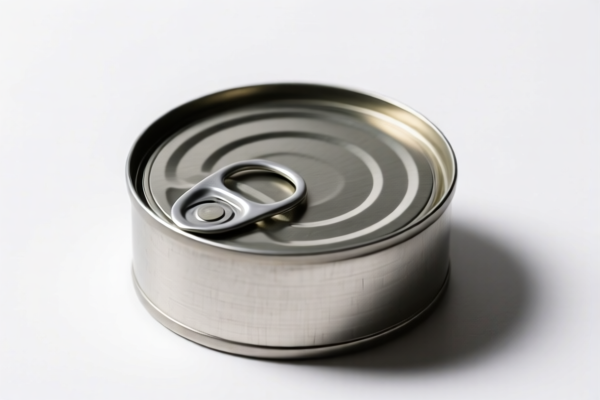
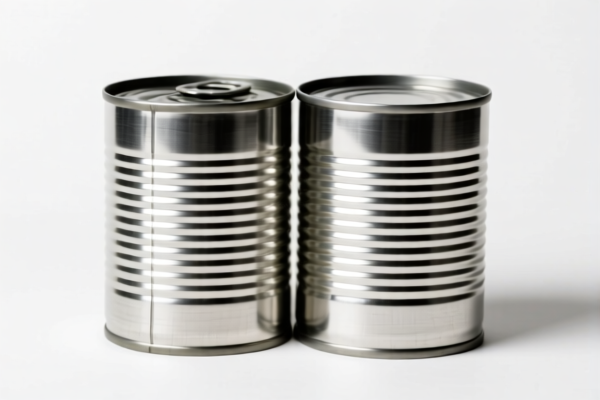
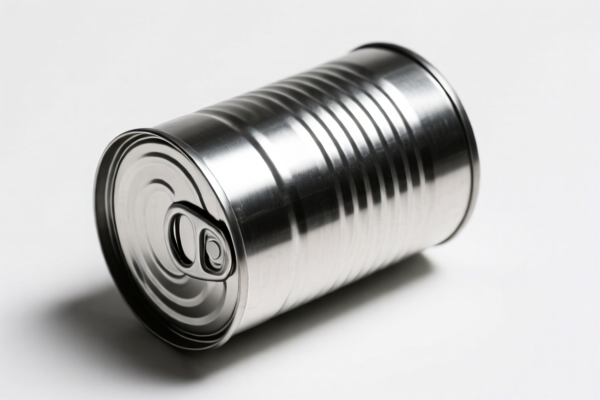
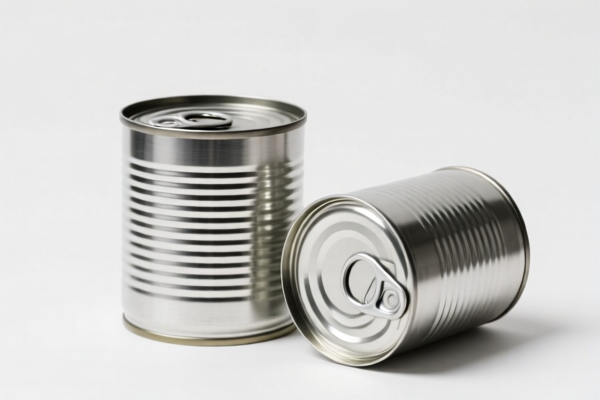
AI Analysis
🎨📦 Black Can (Steel Containers & Industrial Coatings)
🌐 HS Code Reference & Clearance Guide | 2026 Latest Tariff Analysis | Professional Clearance Strategy
📌 Part I: Product Definition & Classification: What Exactly is a "Black Can"?
In international trade, the term "Black Can" is ambiguous and can refer to two entirely different categories of goods depending on context. It is crucial to distinguish between:
- The Container Itself: A metal container (typically iron or steel), often painted black, used for storing liquids, powders, or gases.
- The Coating Material: Paints, varnishes, or lacquers (which may be black in color) used to coat other objects.
⚠️ Critical Distinction Point:
- If the product is an empty or filled metal container (capable of conveyance/packing) → It falls under Chapter 73 (Iron/Steel articles).
- If the product is a liquid/solution (paints, enamels, lacquers) intended for coating → It falls under Chapter 32 (Paints and Varnishes).
- Note: Plastic buckets/pails are excluded from this specific analysis as the term "Can" typically implies metal, whereas plastic containers are usually termed "Buckets" or "Pails" (Chapter 39). However, if the "Black Can" is actually a plastic pail, see the note at the end.
📦 Part II: HS Code Classification Details (2026 Latest Tariff Authority Reference)
Based on the provided <DATA>, here are the relevant HS Codes and their specific descriptions and tax implications.
| HS Code | Product Description | Applicability | Material/Composition |
|---|---|---|---|
7310.21.00.70 |
Tanks, casks, drums, cans, boxes... of iron or steel... capacity < 50 liters: Cans closed by soldering/crimping; Aerosol cans | Industrial storage, food cans, aerosol sprays | Iron or Steel |
7310.21.00.75 |
Tanks, casks, drums, cans, boxes... of iron or steel... capacity < 50 liters: Other (non-soldered/crimped) | General metal cans, paint cans, general packaging | Iron or Steel |
3208.10.00.00 |
Paints/varnishes based on polyesters: Based on polyesters | Paints/Lacquers (Black color) | Synthetic/Chemical Polymers |
3208.20.00.00 |
Paints/varnishes based on acrylic or vinyl polymers: Based on acrylic/vinyl | Paints/Lacquers (Black color) | Synthetic/Chemical Polymers |
3923.90.00.12 |
Articles of plastics: Buckets/Pails < 11.36L | If "Black Can" is actually a plastic bucket | Plastics |
3923.90.00.14 |
Articles of plastics: Buckets/Pails 11.36L–22.71L | If "Black Can" is actually a plastic bucket | Plastics |
🔍 Key Reminder:
- "Can" in HS nomenclature usually refers to metal containers (Chapter 73).
- "Paint/Varnish" refers to the coating substance (Chapter 32).
- "Bucket/Pail" refers to plastic containers (Chapter 39).
- Do not misclassify: A black steel paint can containing paint is still a container (7310) if shipped empty; if shipped filled with paint, it is paint (3208).
- Plastic vs. Metal: If the "black can" is plastic, it must be classified under3923, not7310.
💰 Part III: 2026 Latest Tariff Rate Details (Including Surtaxes & Policy Additions)
✅ Applicable Country: United States (US)
✅ Origin: China (CN)
✅ Effective Date: 2025 November 10 onwards (and subsequent imports)
🎯 1. 7310.21.00.70 & 7310.21.00.75 — Steel Cans/Containers (Capacity < 50 Liters)
| Item | Content |
|---|---|
| Base Tariff Rate | 0.0% |
| Surtax (Section 301/Steel) | +25.0% |
| Steel/Aluminum/Copper Additional Surtax | +50.0% |
| Total Tax Rate | 75.0% |
| Tax Calculation | CIF Value × 75% |
| De Minimis Eligibility | ❌ Not Applicable (High tax rate prevents de minimis exemption) |
| Legal Basis Path | Base: 0% → Surtax: 25% → Steel/Al/Cu Surtax: 50% → Total: 75% |
📌 Explanation:
- Base Rate: 0% for iron/steel containers under 50L.
- General Surtax: +25% applies to most Chinese goods.
- Critical Surcharge: An additional 50% is levied specifically on Steel, Aluminum, and Copper products. Since these are Iron/Steel cans, this 50% applies.
- Total: 0% + 25% + 50% = 75%.
- Risk: This is an extremely high tariff. Importers must budget for this cost or consider alternative sourcing.
🎯 2. 3208.10.00.00 & 3208.20.00.00 — Paints/Varnishes (Polyester/Acrylic Base)
| Item | Content |
|---|---|
| Base Tariff Rate | 0.0% |
| Surtax (Section 301) | +0.0% |
| Total Tax Rate | 0.0% |
| Tax Calculation | CIF Value × 0% |
| De Minimis Eligibility | ✅ Yes (Generally eligible, subject to value thresholds) |
| Legal Basis Path | Base: 0% → Surtax: 0% → Total: 0% |
📌 Explanation:
- Base Rate: 0% for paints based on synthetic polymers (polyesters, acrylics, vinyls).
- Surtax: 0%. Unlike steel cans, paints are not subject to the additional 50% steel/aluminum surcharge, nor the 25% general surtax (based on the provided<DATA>).
- Benefit: This is a low-cost classification.
- Caution: Ensure the product is indeed "paints/varnishes" and not a pre-packaged colored steel can. If it's a paint-filled can, it's still classified as paint (3208), but check if packaging is considered separate.
🎯 3. 3923.90.00.12 & 3923.90.00.14 — Plastic Buckets/Pails (If "Black Can" is Plastic)
| Item | Content |
|---|---|
| Base Tariff Rate | 3.0% |
| Surtax (Section 301) | +25.0% |
| Total Tax Rate | 28.0% |
| Tax Calculation | CIF Value × 28% |
| De Minimis Eligibility | ❌ Not Eligible (Due to surtax) |
| Legal Basis Path | Base: 3% → Surtax: 25% → Total: 28% |
📌 Explanation:
- If the "black can" is actually a plastic bucket/pail, it is classified under Chapter 39.
- Total Tax: 3% + 25% = 28%.
- Note: This is significantly lower than steel cans (75%) but higher than paints (0%).
🛠️ Part IV: Clearance Practical Advice (Real-World Pitfall Guide)
✅ 1. Preparation Checklist (Essential Documents)
| Document | Must Provide | Explanation |
|---|---|---|
| ✅ Product Specification | ✔️ | Detail material (Steel/Plastic/Paint), capacity, dimensions. |
| ✅ Product Photos | ✔️ | Clear images showing shape, closure type (soldered/crimped/open), and labeling. |
| ✅ Bill of Lading/Invoice | ✔️ | Must clearly state "Steel Cans" or "Paints" — avoid vague terms like "Black Can". |
| ✅ Material Declaration | ✔️ | Confirm if the product is Iron/Steel (for 75% tax) or Plastic (for 28%) or Chemical (for 0%). |
| ✅ MSDS (for Paints) | ✔️ | If classifying as 3208, a Material Safety Data Sheet is often required by customs. |
✅ 2. Declaration Tips (Key Rules)
🔥 "Material Defines Tax, Description Defines Code!"
| Scenario | Correct HS Code | Wrong Classification | Consequence |
|---|---|---|---|
| Empty Steel Paint Can | 7310.21.00.75 |
3208 (Paint) |
Under-declaration → Penalty + Back taxes (75% vs 0%) |
| Paint Filled in Steel Can | 3208.10.00.00 |
7310 (Container) |
Over-declaration → Unnecessary 75% tax instead of 0% |
| Plastic Black Bucket | 3923.90.00.12 |
7310 (Steel) |
Wrong Material → 28% vs 75% (Savings if correct) |
| Aerosol Spray Can (Steel) | 7310.21.00.70 |
3208 (Paint) |
Risk: If filled, classify as paint; if empty, as steel can. |
✅ 3. Special Cases Handling
| Scenario | Handling Advice |
|---|---|
| Empty Steel Cans | Clearly declare as "Iron/Steel Containers". Expect 75% tariff. Consider if plastic alternatives (3923) are viable to reduce tax to 28%. |
| Paint Filled Cans | Declare as "Paints/Varnishes" (3208). Ensure the description highlights the polyester/acrylic base to secure the 0% tax. The steel can is incidental to the paint product. |
| "Black" Color | Color is irrelevant for HS classification. Do not let "Black" mislead you into thinking it's a cosmetic product. Focus on Material and Function. |
| Capacity Limits | For steel cans, ensure capacity is < 50 liters. If > 50L, different HS codes apply (not in <DATA>). |
🌍 Part V: Global Market Clearance Comparison (2026 Latest)
| Country/Region | Recommended HS Code (Steel Can) | Tariff (China Origin) | Notes |
|---|---|---|---|
| 🇺🇸 USA | 7310.21.00.75 |
75.0% | High steel surcharge. |
| 🇺🇸 USA | 3208.10.00.00 (Paint) |
0.0% | Only if product is paint, not container. |
| 🇪🇺 EU | Varies (usually 0-6.5%) | ~0-6.5% | No US-style steel surcharge. |
| 🇨🇳 China | 7310.21.00.75 |
~5-10% | Lower than US. |
📌 Conclusion:
- US Tariff Risk: Steel cans from China to the US face a 75% combined tax. This is a major cost driver.
- Paint Exemption: If the product is paint (not container), the tax is 0%.
- Plastic Alternative: If feasible, switch to plastic containers (3923) to reduce tax to 28%.
📌 Part VI: Common Errors & Pitfall Guide (Blood & Tears Lessons)
❌ Error 1: Declaring an empty steel can as "Paint" to get 0% tax.
👉 Consequence: Customs will seize the goods, impose fines, and charge the 75% tax + penalties.
❌ Error 2: Declaring plastic buckets as "Steel Cans" to avoid plastic surtaxes.
👉 Consequence: Misdeclaration of material. Customs may downgrade or upgrade, leading to delays.
❌ Error 3: Ignoring the 50% Steel Surcharge.
👉 Consequence: Budgeting errors. Many importers only account for the 25% surtax and forget the additional 50% for steel/aluminum/copper.
❌ Error 4: Using vague descriptions like "Black Container".
👉 Consequence: Customs may classify it as a generic metal container, potentially missing the specific subheadings for aerosols (7310.21.00.70) vs other cans (7310.21.00.75), though tax is the same here. Clarity is key for future audits.
✅ Correct Practice:
- Empty Steel Can: "Iron/Steel Cans, Capacity 10L, Empty, for Industrial Packaging" → HS
7310.21.00.75- Paint: "Polyester-based Black Paint, 5L, Liquid Coating" → HS
3208.10.00.00- Plastic Bucket: "Plastic Pail, Black, 5 Gallon" → HS
3923.90.00.14
🎯 Part VII: Conclusion: Precise Classification Saves Money!
🎯 Remember the Rules:
🔹 "Steel Cans = 75% Tax (US)"
🔹 "Paints = 0% Tax (US)"
🔹 "Plastic Buckets = 28% Tax (US)"
🔹 "Don't Call It 'Black Can' — Call It 'Steel Container' or 'Paint'"
📌 Pro Tip:
If you are importing steel cans for packaging, consider:
1. Source from non-China origins (if possible) to avoid surtaxes.
2. Switch to plastic packaging if the product allows, saving 47% in tariffs.
3. Import paint in bulk (not pre-packaged in steel cans) to benefit from the 0% paint tariff.
📣 Immediate Action:
📞 Contact your customs broker with product photos and material specs.
🚀 Apply for an Advance Ruling if the classification is borderline.
💼 Optimize your supply chain to avoid the 75% steel tax trap!
✨ Professional clearance starts with accurate classification!
💼 Every percentage point counts in international trade!
Customer Reviews
About HS Code Classification
The Harmonized System (HS) is an internationally standardized nomenclature developed by the World Customs Organization (WCO) to classify traded products. Over 200 countries use the HS system as the basis for customs tariffs, trade statistics, and import/export regulations.
Each HS code follows a hierarchical structure:
- Chapter (2 digits) — Broad category of goods (e.g., Chapter 84: Machinery and Mechanical Appliances)
- Heading (4 digits) — More specific grouping within the chapter
- Subheading (6 digits) — Internationally standardized breakdown, used by all WCO member countries
- National subdivisions (8-10 digits) — Country-specific extensions for further classification, such as US HTSUS 10-digit codes
Correct HS code classification is essential for smooth customs clearance, accurate duty payment, and compliance with trade regulations. Misclassification can lead to customs delays, overpayment of duties, or penalties.
When importing from CN to US, the applicable tariff rates may include:
- Most-Favored-Nation (MFN) rate — The standard duty rate applied to WTO members
- General rate — Applied to countries without trade agreements
- Trade remedy duties — Additional tariffs such as Section 301 (anti-dumping), Section 232 (national security), or countervailing duties
The information provided on this page is for reference purposes only. For official classification, please consult with your local customs authority or a licensed customs broker.