Black Can Travel Size
CN → US| HS Code | Tariff Rate | Origin | Destination | Doc |
|---|---|---|---|---|
| 7323999080 | 88.4% | CN | US | Official Doc |
| 7323999040 | 88.4% | CN | US | Official Doc |
| 4202920807 | 42.0% | CN | US | Official Doc |
| 4202923131 | 52.6% | CN | US | Official Doc |
Product Images
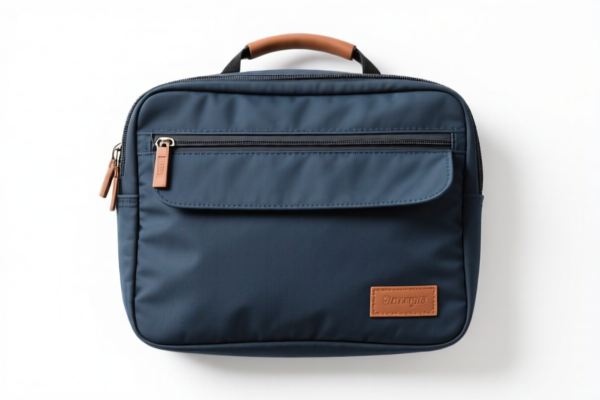
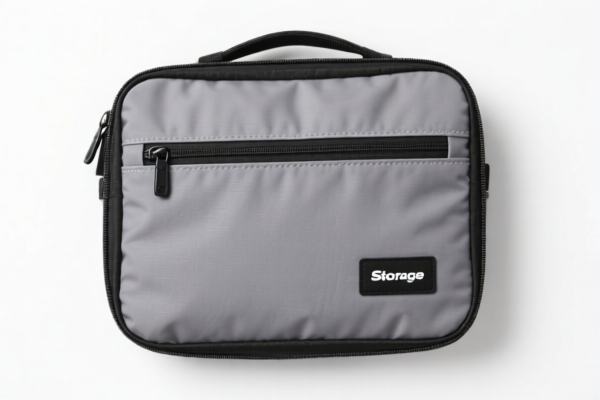
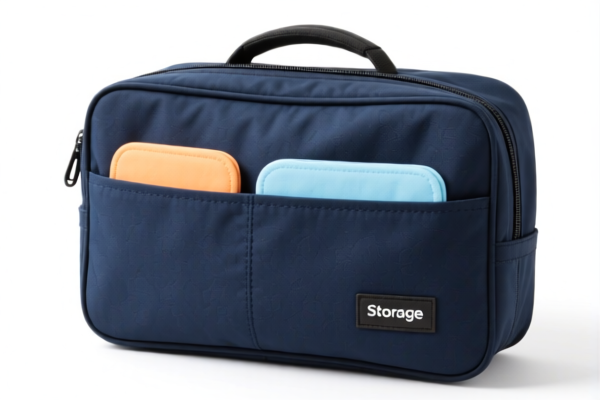
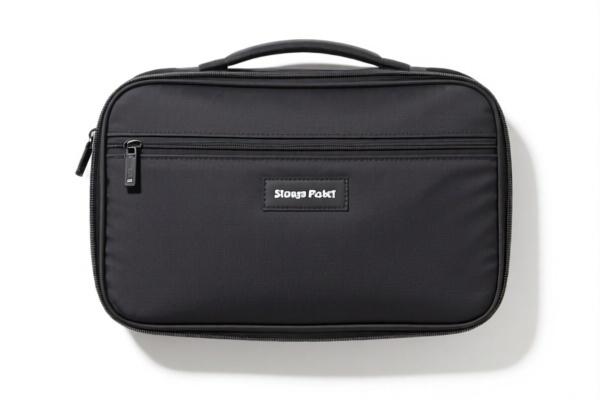
AI Analysis
🎒 Black Travel Size Items: HS Code Classification & Customs Clearance Guide
🌐 HS Code Reference & Customs Clearance Guide | 2026 Latest Tariff Analysis | Professional Clearance Strategy
📌 I. Product Definition & Classification: What Exactly Are You Importing?
"Black Can Travel Size" is a generic description that is too vague for customs purposes. However, based on the provided <DATA>, we are dealing with two distinct product categories:
- Household Articles of Iron/Steel (e.g., small containers, trays, or parts)
- Luggage & Bags (e.g., insulated bags, toiletry bags, or general travel bags)
⚠️ Critical Distinction:
- If the item is a rigid metal container or household article → It falls under Chapter 73.
- If the item is a flexible bag or soft container (even if "black" and "travel size") → It falls under Chapter 42.
- "Can" is misleading: In English, "can" can mean a metal cylinder (steel/aluminum) OR a container. In HS classification, context is king. If it’s a metal vessel, use Chapter 73. If it’s a bag, use Chapter 42.
📦 II. HS Code Classification Details (2026 Latest Tariff Reference)
Based on the provided <DATA>, here are the applicable HS Codes and their descriptions:
| HS Code | Product Description | Material/Type | Tax Rate (Total) |
|---|---|---|---|
7323.99.90.80 |
Table, kitchen, or other household articles of iron or steel; iron or steel wool; pot scourers, etc. Other: Not coated/plated with precious metal | Iron/Steel | 78.4% |
7323.99.90.40 |
Same as above, but specifically Gates for confining children or pets | Iron/Steel | 78.4% |
4202.92.08.07 |
Trunks, suitcases, traveling bags, insulated food or beverage bags, toiletry bags, etc., of leather/plastics/textiles/vulcanized fiber/paperboard. Insulated food or beverage bags: With outer surface of textile materials: Other of man-made fibers | Textiles/Plastics | 0.0% |
4202.92.31.31 |
Same as above, but Travel, sports, and similar bags: With outer surface of textile materials: Of man-made fibers | Textiles | 0.0% |
🔍 Key Insight:
- If your "Black Can" is actually a metal tumbler, steel container, or kitchen gadget, it is likely7323.99.90.80.
- If your "Black Can" is a soft-sided insulated cooler bag, toiletry bag, or travel pouch, it is likely4202.92.08.07or4202.92.31.31.
- Do NOT assume "Can" = Metal. Many travel "cans" are actually fabric bags shaped like cans. Check the material!
💰 III. 2026 Tariff Rate Breakdown (Including Additional Taxes)
✅ Applicable Country: United States (US)
✅ Origin: China (CN)
✅ Effective Date: Post-November 10, 2025
🎯 1. For Iron/Steel Household Articles (7323.99.90.80 & 7323.99.90.40)
| Item | Detail |
|---|---|
| Base Tariff | 3.4% |
| Section 301 Additional Tariff | 25.0% (for steel/aluminum/copper products) |
| Other Surcharges | 50% (if applicable under specific trade actions) |
| Total Effective Tax Rate | 78.4% |
| Tax Calculation | CIF Value × 78.4% |
| De Minimis Exemption | ❌ Not Applicable (High-value surcharges prevent de minimis benefit) |
📌 Explanation:
- The 3.4% is the standard MFN (Most Favored Nation) rate for iron/steel household articles.
- The 25% is the Section 301 tariff applied to Chinese steel products.
- The 50% additional tariff may apply depending on specific trade actions or if classified under certain restricted categories.
- Total: 78.4% – This is a VERY HIGH duty rate. Cost calculation must be precise.
🎯 2. For Textile/Plastic Travel Bags (4202.92.08.07 & 4202.92.31.31)
| Item | Detail |
|---|---|
| Base Tariff | 0.0% |
| Additional Tariffs | 0.0% |
| Total Effective Tax Rate | 0.0% |
| Tax Calculation | CIF Value × 0% = $0 |
| De Minimis Exemption | ✅ Applicable (If value ≤ $800, no duty or tax) |
📌 Explanation:
- Insulated food/beverage bags and general travel bags made of man-made fibers (textiles/plastics) are currently duty-free.
- No Section 301 tariffs apply to these textile-based luggage items.
- This is a massive cost advantage compared to metal alternatives.
🛠️ IV. Customs Clearance Practical Advice (Avoid Pitfalls)
✅ 1. Documentation Checklist (Must-Haves)
| Document | Required? | Notes |
|---|---|---|
| Product Photo | ✔️ | Must clearly show material (metal vs. fabric) and shape |
| Commercial Invoice | ✔️ | Specify "Insulated Travel Bag" or "Steel Kitchen Utensil" – NOT vague "Can" |
| Packing List | ✔️ | Weight, dimensions, quantity |
| Material Declaration | ✔️ | Explicitly state: "Outer Material: 600D Polyester" OR "Material: Stainless Steel" |
| Origin Certificate | ✔️ | Required for duty determination |
✅ 2. Classification Strategy (Key Mnemonics)
🔥 "Material Matters: Steel Gets Hit, Fabric Gets Fit!"
| Scenario | Correct HS Code | Duty Rate | Why? |
|---|---|---|---|
| Black metal tumbler/container | 7323.99.90.80 |
78.4% | Iron/steel household article |
| Black metal pet gate | 7323.99.90.40 |
78.4% | Specifically listed under steel articles |
| Black insulated cooler bag | 4202.92.08.07 |
0.0% | Insulated food/beverage bag, textile exterior |
| Black travel toiletry pouch | 4202.92.31.31 |
0.0% | Travel bag, textile exterior, man-made fibers |
⚠️ Warning:
- Misclassifying a steel item as a textile bag to avoid 78.4% duty is customs fraud.
- Misclassifying a bag as a steel item leads to overpayment of duty (you’ll lose profit).
✅ 3. Special Cases & Tips
| Situation | Recommendation |
|---|---|
| "Black Can" is a metal thermos | Declare as "Insulated Stainless Steel Water Bottle" → May still fall under 7323.99.90.80 (78.4%) |
| "Black Can" is a fabric bag shaped like a can | Declare as "Insulated Travel Food Bag" → 4202.92.08.07 (0.0%) – Best Option |
| Mixed Shipment | Must separate steel items and textile items on invoice and entry |
| De Minimis ( <$800) | Only applies if no additional tariffs are imposed. For steel items, de minimis is blocked. For bags, it applies. |
🌍 V. Global Market Comparison (2026)
| Country | Recommended HS Code (Bag) | Duty Rate | Recommended HS Code (Steel) | Duty Rate |
|---|---|---|---|---|
| 🇺🇸 USA | 4202.92.08.07 |
0.0% | 7323.99.90.80 |
78.4% |
| 🇨🇳 China | 4202.92.08.07 |
5% | 7323.99.90.80 |
3.4% |
| 🇪🇺 EU | 4202.92.08.07 |
0% (if CE) | 7323.99.90.80 |
4.7% |
| 🇬🇧 UK | 4202.92.08.07 |
0% | 7323.99.90.80 |
4.0% |
| 🇨🇦 Canada | 4202.92.08.07 |
0% | 7323.99.90.80 |
5.0% |
📌 Conclusion:
- USA imposes steep tariffs on steel household items (78.4%), making fabric/textile alternatives vastly more cost-effective.
- Textile travel bags are duty-free in the USA, creating a strong incentive to design "can-shaped" items in fabric rather than metal.
📌 VI. Common Errors & Pitfalls (Learn from Others' Mistakes)
❌ Error 1: Describing a steel thermos as "Travel Bottle" to avoid steel tariffs
👉 Result: Customs inspects, finds steel, reassesses at 78.4% + penalties.
❌ Error 2: Describing a fabric bag as "Metal Can Container"
👉 Result: Overpaid 78.4% duty when 0% was applicable.
❌ Error 3: Using "Can" without specifying material in the invoice
👉 Result: Customs delays, request for clarification, possible detention.
❌ Error 4: Assuming all "travel size" items qualify for de minimis
👉 Result: Steel items >$800 or with additional tariffs do not qualify for de minimis exemption.
✅ Correct Approach:
"Black Insulated Travel Bag, 600D Polyester Exterior, Vacuum Inner Lining, 16oz Capacity"
→ HS Code:4202.92.08.07→ Duty: 0%"Black Stainless Steel Insulated Tumbler, 16oz, Lid Included"
→ HS Code:7323.99.90.80→ Duty: 78.4%
🎯 VII. Conclusion: Strategic Sourcing & Classification
🎯 Remember:
🔹 "Material Dictates Duty: Steel = 78.4%, Fabric = 0%"
🔹 "Describe Clearly: 'Insulated Bag' vs. 'Steel Can'"
🔹 "Avoid Vague Terms: 'Can' is not a HS Code"
📌 Pro Tip:
If you are importing into the USA, consider designing "can-shaped" products in fabric/textile instead of steel to save 78.4% in duties. This is a common strategy in e-commerce (e.g., Amazon FBA) to maximize profit margins.
📣 Immediate Action:
📞 Consult a licensed customs broker to confirm HS Code based on actual material samples.
📦 Ensure your commercial invoice explicitly states material composition.
🚀 Save 78.4% by choosing the right material!
✨ Smart Classification, Smarter Profits!
💼 Every percentage point matters in global trade.
Customer Reviews
About HS Code Classification
The Harmonized System (HS) is an internationally standardized nomenclature developed by the World Customs Organization (WCO) to classify traded products. Over 200 countries use the HS system as the basis for customs tariffs, trade statistics, and import/export regulations.
Each HS code follows a hierarchical structure:
- Chapter (2 digits) — Broad category of goods (e.g., Chapter 84: Machinery and Mechanical Appliances)
- Heading (4 digits) — More specific grouping within the chapter
- Subheading (6 digits) — Internationally standardized breakdown, used by all WCO member countries
- National subdivisions (8-10 digits) — Country-specific extensions for further classification, such as US HTSUS 10-digit codes
Correct HS code classification is essential for smooth customs clearance, accurate duty payment, and compliance with trade regulations. Misclassification can lead to customs delays, overpayment of duties, or penalties.
When importing from CN to US, the applicable tariff rates may include:
- Most-Favored-Nation (MFN) rate — The standard duty rate applied to WTO members
- General rate — Applied to countries without trade agreements
- Trade remedy duties — Additional tariffs such as Section 301 (anti-dumping), Section 232 (national security), or countervailing duties
The information provided on this page is for reference purposes only. For official classification, please consult with your local customs authority or a licensed customs broker.