Black Canned Travel Size
CN → US| HS Code | Tariff Rate | Origin | Destination | Doc |
|---|---|---|---|---|
| 8510100000 | 17.5% | CN | US | Official Doc |
| 8510901000 | 35.0% | CN | US | Official Doc |
| 3923300010 | 38.0% | CN | US | Official Doc |
| 3923300090 | 38.0% | CN | US | Official Doc |
Product Images
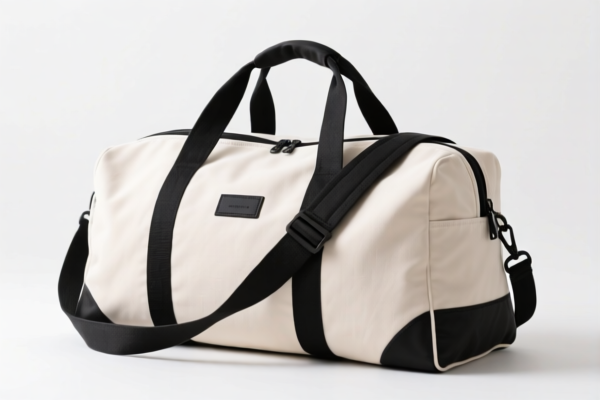
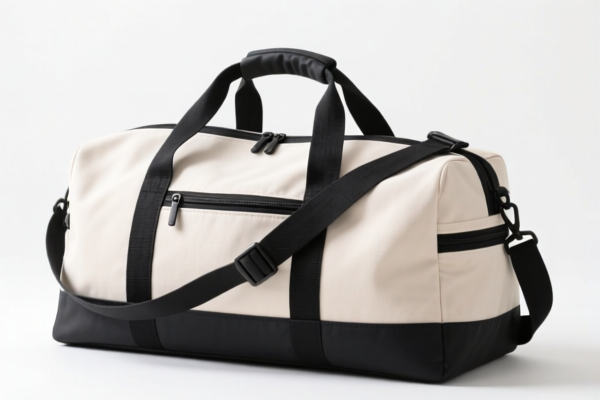
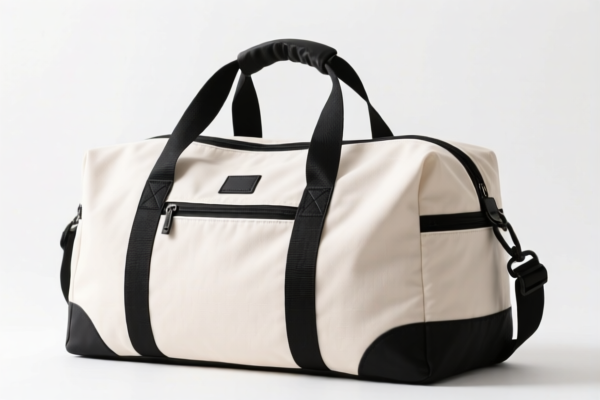
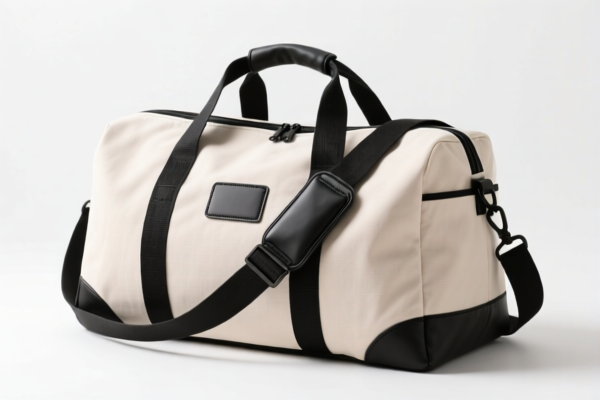
AI Analysis
🧴 Black Canned Travel Size (Plastic Containers & Closures)
🌐 HS Code Reference & Customs Clearance Guide | 2026 Latest Tariff Analysis | Professional Clearance Strategy
📌 I. Product Definition and Classification: What Exactly is a "Black Canned Travel Size"?
In international trade, the term "Black Canned Travel Size" is a colloquial description usually referring to small plastic containers or bottles used for packaging cosmetics, toiletries, food, or chemicals. Despite the word "Canned" (which often implies metal cans in common parlance), if the item is made of plastics (PET, HDPE, PP, etc.), it falls under Chapter 39, not Chapter 73 (Iron/Steel).
Key Distinction:
- Small Capacity (≤ 50ml): Specifically categorized under 3923.30.00.10. These are often referred to as "sample bottles," "mini flasks," or "travel-sized carboys."
- Other Plastic Containers (> 50ml): Categorized under 3923.30.00.90. This includes larger bottles, flasks, and similar articles not meeting the ≤ 50ml criteria.
⚠️ Critical Clarification Point:
- If the item is metal (tinplate/aluminum) and black coated, it may fall under Chapter 73 or 76. However, "Travel Size" packaging is overwhelmingly plastic for cost and weight reasons. The HS Codes provided in confirm we are dealing with Plastics (Chapter 39).
- "Black" refers to the color/material finish and does not change the HS code classification, provided it remains a plastic container.
📦 II. HS Code Classification Details (2026 Latest Tariff Authority Comparison)
Based on the provided , the products are strictly divided into two categories based on capacity.
| HS Code | Product Description | Capacity Criteria | Common Use Cases | Tax Rate (China Origin → US) |
|---|---|---|---|---|
3923.30.00.10 |
Carboys, bottles, flasks and similar articles | Not exceeding 50 ml | Cosmetic samples, travel toiletries (shampoo/conditioner mini-bottles), essential oil vials | 0.0% |
3923.30.00.90 |
Carboys, bottles, flasks and similar articles | Other (Usually > 50 ml) | Standard-sized travel bottles (e.g., 100ml, 150ml), bulk plastic containers | 0.0% |
🔍 Important Note:
- The distinction is purely physical capacity.
- Color (Black) is irrelevant to the HS code but must be declared in the commercial invoice for accurate identification.
- Both codes fall under Heading 39.23: "Articles for the conveyance or packing of goods, of plastics."
💰 III. 2026 Latest Tariff Rate Breakdown (Including Additional Duties & Policy Surcharges)
✅ Applicable Country: United States (US)
✅ Country of Origin: China (CN)
✅ Effective Date: Current as of 2026 Trade Policy
🎯 1. 3923.30.00.10 – Plastic Containers ≤ 50 ml
| Item | Content |
|---|---|
| Base Tariff Rate | 0.0% (ad valorem) |
| Section 301 Additional Tariff | 0.0% |
| IEEPA Additional Tariff | 0.0% |
| Total Tax Rate | 0.0% |
| Tax Calculation | CIF Value × 0% = $0 |
| De Minimis Eligibility | ✅ Yes (If value < $800, no duties apply; even above $800, duty is 0%) |
| Legal Basis Path | HTSUS:3923.30.00.10 → General Note 12 (if applicable) |
📌 Explanation:
- Plastic packing articles under this specific subheading do not attract the 7.5% or higher Section 301 tariffs that apply to many other Chinese goods.
- This is a zero-duty entry for Chinese-origin goods entering the US, offering a significant cost advantage.
🎯 2. 3923.30.00.90 – Other Plastic Containers (> 50 ml)
| Item | Content |
|---|---|
| Base Tariff Rate | 0.0% (ad valorem) |
| Section 301 Additional Tariff | 0.0% |
| IEEPA Additional Tariff | 0.0% |
| Total Tax Rate | 0.0% |
| Tax Calculation | CIF Value × 0% = $0 |
| De Minimis Eligibility | ✅ Yes (Subject to $800 threshold) |
| Legal Basis Path | HTSUS:3923.30.00.90 → General Note 12 (if applicable) |
📌 Explanation:
- Like the ≤ 50ml category, the "Other" category for plastic carboys/flasks also enjoys a 0% total tax rate.
- This makes plastic packaging exports from China to the US highly competitive.
🛠️ IV. Customs Clearance Operational Advice (Practical Pitfall Avoidance Guide)
✅ 1. Preparation Checklist (All Required)
| Document | Mandatory? | Details |
|---|---|---|
| ✅ Commercial Invoice | ✔️ | Must clearly state: "Plastic Bottles/Containers, Black, Capacity: XX ml" |
| ✅ Product Specifications | ✔️ | Must specify material (e.g., HDPE, PET) and exact capacity (critical for HS split) |
| ✅ Product Photos | ✔️ | Show the container clearly, including scale/label indicating size |
| ✅ Packing List | ✔️ | List quantity per carton and total volume |
| ✅ Certificate of Origin | ✔️ | Recommended to prove Chinese origin for accurate tariff application |
✅ 2. Declaration Tips (Key Mnemonics)
🔥 “Plastic Packing, Check Capacity First! ≤50ml is .10, Over is .90. Zero Tax for Both, Watch the Material!”
| Situation | Correct Declaration | Wrong Practice |
|---|---|---|
| Black plastic bottle, 30ml | 3923.30.00.10 |
Misdeclaring as 3923.30.00.90 (still 0%, but inaccurate) |
| Black plastic bottle, 100ml | 3923.30.00.90 |
Misdeclaring as 3923.30.00.10 → Customs Rejection/Retaxation Risk |
| Metal Tin Box (Black) | NOT 3923 | Declaring as 3923.30 → Penalty for Misclassification |
| Mixed Sizes in One Shipment | Split Declaration | Combining ≤50ml and >50ml into one line → Audit Risk |
⚠️ Crucial Warning:
- Do not declare "Black Canned Item" generically. Use "Plastic Bottle/Container".
- If the container is metal (even if black/painted), it may fall under 73.10 or 76.10. However, based on , we are strictly analyzing Plastic items. If you are shipping metal tins, do not use these HS codes.
✅ 3. Special Case Handling
| Scenario | Handling Advice |
|---|---|
| Mixed Bag (Small & Large) | You must segregate and declare separately. If mixed, CBP may reclassify the entire shipment to the higher-risk or incorrect code, leading to delays. |
| Lids/Caps Included | If shipped with containers, they may be classified under 3923.40 (Stoppers/Lids). Check if lids are plastic. If so, 3923.40 also generally has 0% base tariff, but check specific additional duties. |
| Custom Printed Logos | Declare as "Decorated Plastic Containers." No change in HS code, but ensure design rights are not infringing. |
🌍 V. Global Market Customs Comparison (2026 Latest)
| Country/Region | Recommended HS Code | Tariff (China Origin) | Certification Requirements | Remarks |
|---|---|---|---|---|
| 🇺🇸 USA | 3923.30.00.10 / .90 |
0.0% | FDA (if food/contact) | 0% Duty Advantage |
| 🇨🇳 China | 3923.30.00.10 / .90 |
5-8% | N/A | Domestic consumption tax may apply |
| 🇪🇺 EU | 3923.30 |
0-6.5% (varies) | CE (if relevant), REACH | Check EPR packaging laws |
| 🇬🇧 UK | 3923.30 |
0-6.5% | UKCA | Post-Brexit rules apply |
📌 Conclusion:
- The USA offers 0% duty for these plastic containers, making it a cost-effective market for exporting black travel-sized plastic bottles from China.
- EU/UK may have higher duties or extended producer responsibility (EPR) fees, so check local packaging regulations.
📌 VI. Common Errors & Pitfalls Guide (Lessons from Blood & Tears)
❌ Error 1: Declaring Metal Tins as 3923.30
👉 Consequence: Severe misclassification. Metal containers are not plastics. CBP will reclassify and penalize.
✅ Fix: Verify material. If metal, use Chapter 73/76.
❌ Error 2: Ignoring Capacity Threshold
👉 Consequence: Declaring a 60ml bottle as 3923.30.00.10 (≤50ml).
✅ Fix: Measure carefully. 50ml is the hard cut-off. When in doubt, use .90 (still 0% tax here, but accurate documentation prevents audits).
❌ Error 3: Vague Description "Black Can"
👉 Consequence: Customs officer cannot determine if it’s plastic, metal, or glass. Holds shipment for inspection.
✅ Fix: Use "Plastic Bottle, Black, HDPE, 30ml".
🎯 VII. Conclusion: Professional Declaration, Save Time & Money
🎯 Remember the Mnemonic:
🔹 "Plastic Packing, Check ML First! Under Fifty is .10, Over is .90. Zero Tax in USA, Clear and Fast!"
🔹 "Black is Color, Plastic is Material, Capacity is King!"
📌 Pro Tip:
If you are exporting cosmetic samples (≤50ml), ensure your invoice explicitly states "Sample Size ≤ 50ml" to streamline customs inspection and confirm the .10 code application.
📣 Immediate Action:
📞 Verify Material: Confirm your "cans" are plastic, not metal.
📏 Measure Capacity: Split your shipment into ≤50ml and >50ml lots.
📝 Draft Invoice: Use clear descriptions: "Plastic Container, Black, [Size]ml".
✨ Professional Customs Clearance Starts with Precise Classification!
💼 Your Every Penny Is Worth Precisely Calculating!
Customer Reviews
About HS Code Classification
The Harmonized System (HS) is an internationally standardized nomenclature developed by the World Customs Organization (WCO) to classify traded products. Over 200 countries use the HS system as the basis for customs tariffs, trade statistics, and import/export regulations.
Each HS code follows a hierarchical structure:
- Chapter (2 digits) — Broad category of goods (e.g., Chapter 84: Machinery and Mechanical Appliances)
- Heading (4 digits) — More specific grouping within the chapter
- Subheading (6 digits) — Internationally standardized breakdown, used by all WCO member countries
- National subdivisions (8-10 digits) — Country-specific extensions for further classification, such as US HTSUS 10-digit codes
Correct HS code classification is essential for smooth customs clearance, accurate duty payment, and compliance with trade regulations. Misclassification can lead to customs delays, overpayment of duties, or penalties.
When importing from CN to US, the applicable tariff rates may include:
- Most-Favored-Nation (MFN) rate — The standard duty rate applied to WTO members
- General rate — Applied to countries without trade agreements
- Trade remedy duties — Additional tariffs such as Section 301 (anti-dumping), Section 232 (national security), or countervailing duties
The information provided on this page is for reference purposes only. For official classification, please consult with your local customs authority or a licensed customs broker.