Black Curtain Rings
CN → US| HS Code | Tariff Rate | Origin | Destination | Doc |
|---|---|---|---|---|
| 7616995140 | 87.5% | CN | US | Official Doc |
| 3926908500 | 24.0% | CN | US | Official Doc |
| 7326200090 | 88.9% | CN | US | Official Doc |
| 7326908688 | 87.9% | CN | US | Official Doc |
| 3926305000 | 22.8% | CN | US | Official Doc |
Product Images

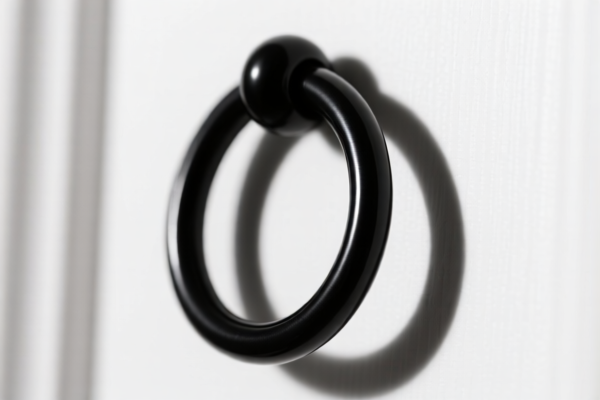
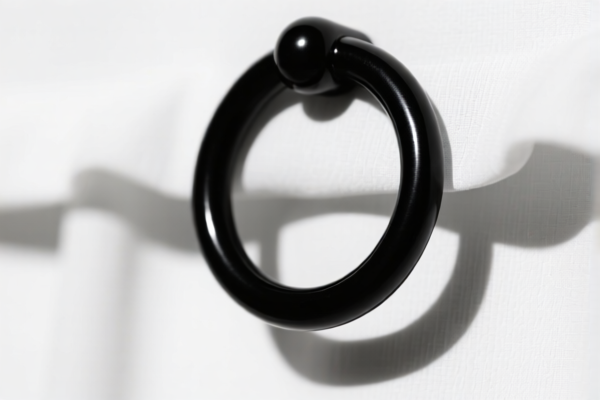
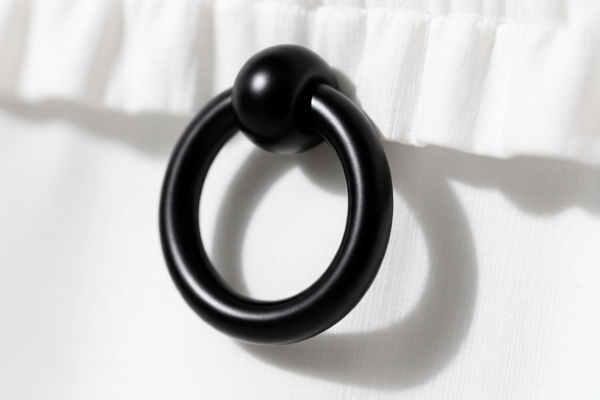
AI Analysis
🖤 Black Curtain Rings (Curtain Accessories)
🌐 HS Code Reference & Customs Clearance Guide | 2026 Latest Tariff Analysis | Professional Clearance Strategy
📌 1. Product Definition & Classification: Do You Really Know "Curtain Rings"?
Curtain rings are essential accessories for window treatments, allowing drapes to slide smoothly along rods. In international trade, their classification is highly material-dependent. The HS Code changes drastically based on whether the ring is made of Aluminum, Iron/Steel, or Plastic.
⚠️ Key Distinction Point:
- If the primary material is Aluminum →归类 to Chapter 76
- If the primary material is Iron/Steel →归类 to Chapter 73
- If the primary material is Plastic →归类 to Chapter 39
- Misclassification leads to massive tariff spikes (up to 89% vs. 24%)!
📦 2. HS Code Classification Details (2026 Latest Tariff Authority Comparison)
Based on the provided data, here are the potential classifications for "Black Curtain Rings":
| HS Code | Material Inference | Product Description | Total Tax Rate |
|---|---|---|---|
7616.99.51.40 |
Aluminum | Other articles of aluminum (Curtain accessories) | 87.5% |
3926.90.85.00 |
Plastic / Mixed | Other articles of plastics / Auxiliary articles | 24.0% |
7326.20.00.90 |
Iron / Steel | Decorative articles (Other articles of iron/steel) | 88.9% |
7326.90.86.88 |
Iron / Steel | Other articles of iron/steel (Miscellaneous) | 87.9% |
3926.30.50.00 |
Plastic | Other plastic articles & connectors | 22.8% |
🔍 Critical Insight:
- Plastic rings offer the lowest tariff burden (~23-24%).
- Metal rings (Aluminum/Iron/Steel) face heavy附加税 (Additional Duties), totaling 87-89%.
- Why the huge difference? The "122 Clause" and Steel/Aluminum specific tariffs add ~50-60% on top of base tariffs for metals.
💰 3. 2026 Latest Tariff Rate Breakdown (Including Additional Duties)
✅ Applicable Country: United States (US)
✅ Origin: China (CN)
✅ Effective Date: Includes imports post-November 2025
🎯 1. 7616.99.51.40 – Aluminum Curtain Rings
| Item | Details |
|---|---|
| Base Tariff | 2.5% |
| Section 301 Additional Duty | +25.0% |
| Section 122 Duty | +10.0% |
| Steel/Aluminum/Copper Specific Duty | +50.0% |
| Total Effective Rate | 87.5% |
| Calculation Basis | CIF Value × 87.5% |
| De Minimis Exemption? | ❌ No |
| Legal Basis Path | Base: 2.5% + 301: 25% + 122: 10% + Specific: 50% |
📌 Explanation:
- The 50% specific duty for Aluminum is the main driver.
- Combined with 301 and 122 clauses, the effective rate is almost 90%.
- High Cost Alert: Metal curtain rings are extremely expensive to import into the US.
🎯 2. 7326.20.00.90 – Iron/Steel Decorative Curtain Rings
| Item | Details |
|---|---|
| Base Tariff | 3.9% |
| Section 301 Additional Duty | +25.0% |
| Section 122 Duty | +10.0% |
| Steel/Aluminum/Copper Specific Duty | +50.0% |
| Total Effective Rate | 88.9% |
| Calculation Basis | CIF Value × 88.9% |
| De Minimis Exemption? | ❌ No |
🎯 3. 7326.90.86.88 – Other Iron/Steel Curtain Rings
| Item | Details |
|---|---|
| Base Tariff | 2.9% |
| Section 301 Additional Duty | +25.0% |
| Section 122 Duty | +10.0% |
| Steel/Aluminum/Copper Specific Duty | +50.0% |
| Total Effective Rate | 87.9% |
| Calculation Basis | CIF Value × 87.9% |
🎯 4. 3926.90.85.00 – Plastic/Mixed Curtain Rings
| Item | Details |
|---|---|
| Base Tariff | 6.5% |
| Section 301 Additional Duty | +7.5% |
| Section 122 Duty | +10.0% |
| Steel/Aluminum Specific Duty | N/A (Plastic) |
| Total Effective Rate | 24.0% |
| Calculation Basis | CIF Value × 24.0% |
| De Minimis Exemption? | ❌ No (Generally, Section 301 items are not eligible for de minimis if subject to duties, but check specific current CBP guidance. Data implies full duty). |
📌 Note:
- Plastic rings avoid the 50% Steel/Aluminum penalty.
- Section 301 is lower (7.5%) for general plastics compared to metals (25%).
- Savings: Importing plastic rings saves ~64% in taxes compared to aluminum.
🎯 5. 3926.30.50.00 – Other Plastic Articles & Connectors
| Item | Details |
|---|---|
| Base Tariff | 5.3% |
| Section 301 Additional Duty | +7.5% |
| Section 122 Duty | +10.0% |
| Total Effective Rate | 22.8% |
| Calculation Basis | CIF Value × 22.8% |
🛠️ 4. Customs Clearance Practical Advice (Pitfall Avoidance Guide)
✅ 1. Material Verification is Critical (Do Not Guess!)
| Scenario | Correct HS Code | Risk if Incorrect |
|---|---|---|
| Plastic Rings | 3926.90.85.00 or 3926.30.50.00 |
If misdeclared as Aluminum → Tax jumps from 24% to 87.5% |
| Aluminum Rings | 7616.99.51.40 |
If misdeclared as Plastic → Customs Penalty + Back Taxes + Potential Fraud Charges |
| Iron/Steel Rings | 7326.20.00.90 or 7326.90.86.88 |
If misdeclared as Plastic → Tax jumps from 88% to 24% → Severe Audit Risk |
🔥 Golden Rule:
"Material Defines the Code. One Gram of Metal Changes the Tax by 65%!"
✅ 2. Documentation Checklist
| Document | Required? | Purpose |
|---|---|---|
| ✅ Material Certificate | ✔️ Must | Proves if the ring is Aluminum, Steel, or Plastic. |
| ✅ Product Photos | ✔️ Must | Show texture, finish, and construction. |
| ✅ Bill of Lading / Packing List | ✔️ Must | Clearly state "Curtain Rings" and material composition. |
| ✅ Commercial Invoice | ✔️ Must | Value declaration. |
| ✅ Country of Origin Certificate | ✔️ Recommended | For origin verification (China triggers 301/122 duties). |
✅ 3. Cost Optimization Strategy
- Switch to Plastic: If design allows, black plastic curtain rings reduce tax from ~88% to ~24%. This is a 64% cost saving on duties alone.
- Check for "Finished Article" vs. "Part": Ensure the product is not classified as a "part of a window covering system" which might have different rules. However, rings are typically standalone accessories.
- Avoid Mixed Materials if Possible: If the ring has a plastic coating but an aluminum core, it may still be classified as aluminum. Pure materials simplify classification.
🌍 5. Global Market Comparison (2026)
| Country/Region | Recommended HS Code | Estimated Tax (China Origin) | Notes |
|---|---|---|---|
| 🇺🇸 USA | 3926.90.85.00 (Plastic) |
24.0% | Lowest risk for plastics. Metals face ~88%. |
| 🇺🇸 USA | 7616.99.51.40 (Aluminum) |
87.5% | Avoid if possible due to high cost. |
| 🇨🇳 China | 3926.90.90 |
~5-10% | Lower import duties for China. |
| 🇪🇺 EU | 3926.90 |
0-6% | No "Section 301" type penalties. |
| 🇬🇧 UK | 3926.90 |
0-6% | Post-Brexit rules apply, generally lower than US metals. |
📌 Conclusion:
- The US market is the most punitive for metal curtain rings from China due to layered tariffs (301 + 122 + Specific).
- Plastic rings are the strategic choice for US exports to minimize duty burden.
📌 6. Common Mistakes & Pitfalls (Blood & Tears Lessons)
❌ Mistake 1: Declaring "Aluminum Rings" as "Plastic"
👉 Consequence: Customs inspection reveals metal content → Back taxes + Penalties + Loss of Bond.
✅ Correct: Be 100% accurate. If it's aluminum, declare 7616.99.51.40.
❌ Mistake 2: Assuming "Black" color affects classification
👉 Consequence: Color does not determine HS Code. Material does.
✅ Correct: Focus on the base material (Al, Fe, Plastic).
❌ Mistake 3: Ignoring the "122 Clause"
👉 Consequence: Underestimating total cost by 10-50%.
✅ Correct: Include all additional duties in your landed cost calculation.
🎯 7. Conclusion: Professional Declaration, Save Costs!
🎯 Remember the Formula:
🔹 Plastic = ~24% Tax
🔹 Aluminum/Iron = ~88% Tax
🔹 Material Choice = 64% Cost Difference!
📌 Tips:
- If you are exporting Black Curtain Rings to the US, verify the material composition with your supplier.
- If you can use high-quality plastic, do it. It saves you $64,000 in taxes for every $100,000 in goods.
- For metal rings, ensure you have the budget and supply chain resilience to handle the high duty load.
📣 Immediate Action:
📞 Contact your customs broker with the exact material specification.
🚀 Calculate Landed Cost using the correct HS Code.
💼 Profitability depends on accurate classification!
✨ Professional Customs Clearance Starts with Precision!
💼 Your Bottom Line is Protected by the Right HS Code!
Customer Reviews
About HS Code Classification
The Harmonized System (HS) is an internationally standardized nomenclature developed by the World Customs Organization (WCO) to classify traded products. Over 200 countries use the HS system as the basis for customs tariffs, trade statistics, and import/export regulations.
Each HS code follows a hierarchical structure:
- Chapter (2 digits) — Broad category of goods (e.g., Chapter 84: Machinery and Mechanical Appliances)
- Heading (4 digits) — More specific grouping within the chapter
- Subheading (6 digits) — Internationally standardized breakdown, used by all WCO member countries
- National subdivisions (8-10 digits) — Country-specific extensions for further classification, such as US HTSUS 10-digit codes
Correct HS code classification is essential for smooth customs clearance, accurate duty payment, and compliance with trade regulations. Misclassification can lead to customs delays, overpayment of duties, or penalties.
When importing from CN to US, the applicable tariff rates may include:
- Most-Favored-Nation (MFN) rate — The standard duty rate applied to WTO members
- General rate — Applied to countries without trade agreements
- Trade remedy duties — Additional tariffs such as Section 301 (anti-dumping), Section 232 (national security), or countervailing duties
The information provided on this page is for reference purposes only. For official classification, please consult with your local customs authority or a licensed customs broker.