Black Nylon Washer
CN → US| HS Code | Tariff Rate | Origin | Destination | Doc |
|---|---|---|---|---|
| 8547200000 | 35.0% | CN | US | Official Doc |
| 8547900010 | 89.6% | CN | US | Official Doc |
| 3926904510 | 38.5% | CN | US | Official Doc |
| 3926904590 | 38.5% | CN | US | Official Doc |
| 7318220000 | 85.0% | CN | US | Official Doc |
Product Images
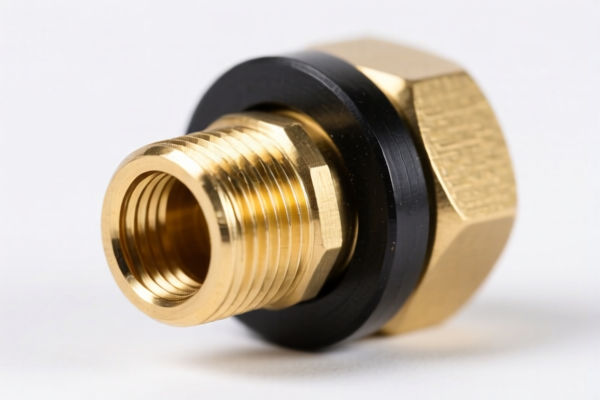
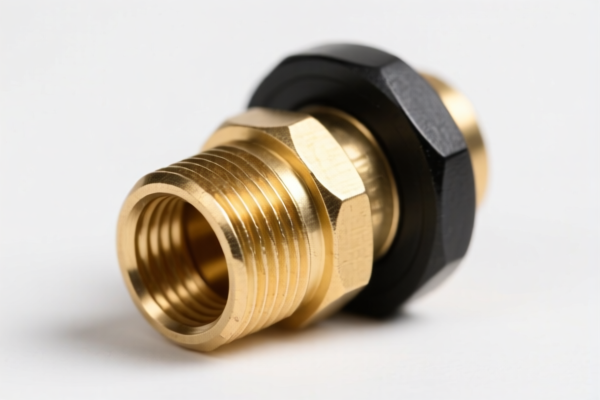
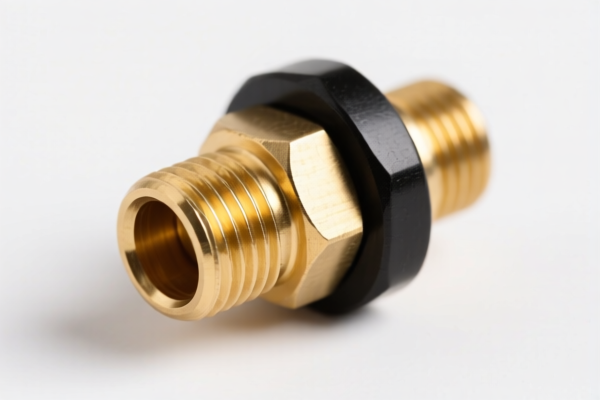
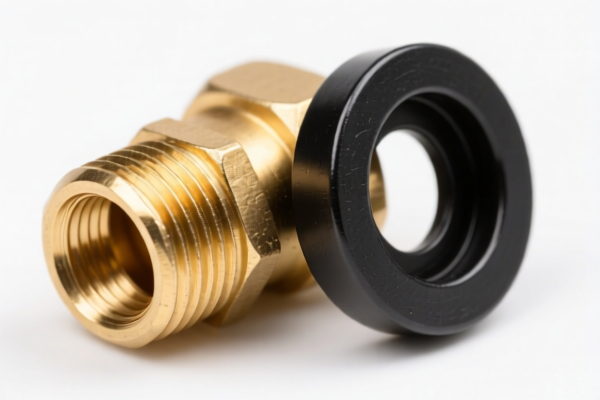
AI Analysis
🖤 Black Nylon Washers (Insulating & General Purpose)
🌐 HS Code Reference & Clearance Guide | 2026 Latest Tariff Analysis | Professional Customs Strategy
📌 I. Product Definition & Classification: Do You Truly Understand "Nylon Washers"?
A Nylon Washer is a ring-shaped mechanical component, typically used to distribute load, reduce friction, or provide electrical insulation. In international trade, its classification depends heavily on its material composition (Plastic vs. Metal-plated) and its functional use (General Purpose vs. Electrical Insulation).
Key Distinction Points: * Pure Plastic/Nylon: If the washer is 100% nylon (polyamide), it falls under Plastics/Articles thereof (Chapter 39) or potentially Electrical Insulating Fittings (Chapter 85) if specifically designed for electrical circuits. * Metallic Components: If the washer contains significant metal parts or is classified as a generic metal fastener due to specific manufacturing processes, it may fall under Articles of Iron or Steel (Chapter 73).
⚠️ Critical Note for US Imports: Due to Section 301 Tariffs and Section 122 Clauses, the choice of HS Code drastically affects the total tax burden, ranging from 35% to 89.6%. Misclassification can lead to severe penalties.
📦 II. HS Code Classification Details (2026 Authoritative Cross-Reference)
Based on the provided data, here are the valid HS Codes for Nylon/Metal Washers with their corresponding tax implications:
| HS Code | Product Description | Application Scenario | Material/Feature |
|---|---|---|---|
8547.20.00.00 |
Insulating Fittings of Plastics, for Electrical Purposes | Nylon washers used specifically as electrical insulation accessories | ✅ Pure Plastic/Insulating |
8547.90.00.10 |
Other Insulating Fittings of Materials Other Than Ceramic, Glass, or Mica | Nylon washers classified as generic electrical insulation accessories | ✅ Plastic/Insulating Accessory |
3926.90.45.10 |
Other Articles of Plastics, Specifically Washers of Plastic | Standard nylon washers falling under general plastic articles | ✅ Pure Plastic/Washer |
3926.90.45.90 |
Other Articles of Plastics, Specifically Other Plastic Washers | Alternative classification for plastic washers not meeting specific sub-item criteria | ✅ Pure Plastic/Washer |
7318.22.00.00 |
Nuts, Washers, etc., of Iron or Steel | Metal Washers (Iron/Steel). Note: Listed for comparison if nylon coating/metal core is involved | ❌ Metallic (Iron/Steel) |
🔍 Key Insight:
- Codes8547.xxare for Electrical Insulation. If your nylon washer is sold as an "insulator" for wiring, these apply.
- Codes3926.90.45.xxare for General Plastic Articles. If the washer is a standard mechanical spacer or gasket without specific electrical insulation claims, these are the most common choices.
- Code7318.22.00.00applies to Metal Washers. Only use this if the item is primarily iron/steel (e.g., a nylon-coated steel washer might still be scrutinized, but pure metal is this code).
💰 III. 2026 Latest Tariff Rate Details (Including Surcharges & Policy Add-ons)
✅ Applicable Country: United States (US)
✅ Origin: China (CN)
✅ Effective Time: Post-2025 Policies (Section 301 & IEEPA)
🎯 1. 8547.20.00.00 — Insulating Fittings of Plastics (Electrical Use)
| Item | Detail |
|---|---|
| Basic Tariff | 0.0% (Ad Valorem) |
| Section 301 Surcharge | +25.0% |
| Section 122 Tariff | +10.0% |
| Total Effective Tax Rate | 35.0% |
| Tax Calculation | CIF Value × 35% |
| De Minimis Exemption | ❌ Not Eligible (High tariff rates usually trigger full inspection) |
| Legal Basis Path | USITC:8547.20.00.00 → SECTION301:25% → IEEPA/SECTION122:10% |
📌 Explanation:
- Although the Basic Tariff is 0%, the Section 301 Tariff (25%) and Section 122 Tariff (10%) are applied in addition.
- Total: 35%. This is a highly competitive rate for electrical insulation products.
- Ideal for washers explicitly marketed as electrical insulators.
🎯 2. 8547.90.00.10 — Other Insulating Fittings (Non-Ceramic/Glass/Mica)
| Item | Detail |
|---|---|
| Basic Tariff | 4.6% |
| Section 301 Surcharge | +25.0% |
| Steel/Aluminum/Copper Surcharge | +50.0% (Note: Check if nylon is considered a composite requiring this) |
| Section 122 Tariff | +10.0% |
| Total Effective Tax Rate | 89.6% |
| Tax Calculation | CIF Value × 89.6% |
| De Minimis Exemption | ❌ Not Eligible |
| Legal Basis Path | USITC:8547.90.00.10 → SECTION301:25% → SECTION122:10% → METAL_SURTAX:50% |
📌 Warning:
- This code carries a massive 89.6% tax rate.
- The 50% surcharge for Steel/Aluminum/Copper may apply if the customs authority interprets the product as having metallic components or falling under broader metal-fitting categories.
- Avoid this code unless absolutely necessary for classification reasons, as it is cost-prohibitive.
🎯 3 & 4. 3926.90.45.10 & 3926.90.45.90 — Other Articles of Plastics (Washers)
| Item | Detail |
|---|---|
| Basic Tariff | 3.5% |
| Section 301 Surcharge | +25.0% |
| Section 122 Tariff | +10.0% |
| Total Effective Tax Rate | 38.5% |
| Tax Calculation | CIF Value × 38.5% |
| De Minimis Exemption | ❌ Not Eligible |
| Legal Basis Path | USITC:3926.90.45.xx → SECTION301:25% → IEEPA/SECTION122:10% |
📌 Explanation:
- These two codes are nearly identical in tax treatment.
- Total: 38.5%.
- This is the standard classification for general-purpose plastic washers (e.g., nylon washers used in plumbing, furniture, or mechanical assemblies).
- Recommendation: If the washer is not specifically for electrical insulation, use this code (3926.90.45.10or.90) as it is clear, defensible, and has a predictable rate.
🎯 5. 7318.22.00.00 — Washers of Iron or Steel
| Item | Detail |
|---|---|
| Basic Tariff | 0.0% |
| Section 301 Surcharge | +25.0% |
| Steel/Aluminum/Copper Surcharge | +50.0% |
| Section 122 Tariff | +10.0% |
| Total Effective Tax Rate | 85.0% |
| Tax Calculation | CIF Value × 85.0% |
| De Minimis Exemption | ❌ Not Eligible |
| Legal Basis Path | USITC:7318.22.00.00 → SECTION301:25% → SECTION122:10% → METAL_SURTAX:50% |
📌 Warning:
- Only use if the product is METAL.
- If you declare a Nylon Washer under this code, Customs will likely reclassify it, leading to back taxes, penalties, and shipment delays.
- Do not use this for pure nylon items.
🛠️ IV. Customs Clearance Practical Advice (Real-World Pitfall Avoidance)
✅ 1. Documentation Checklist (Non-Negotiable)
| Document | Required? | Purpose |
|---|---|---|
| ✅ Product Specifications | ✔️ | Must clearly state: "100% Nylon/Polyamide," "No Metal Core," "Use: Electrical Insulation/Mechanical Spacer." |
| ✅ Material Safety Data Sheet (MSDS) | ✔️ | Proves the material is plastic/nylon, not metal. |
| ✅ Product Photos (Clear) | ✔️ | Show the texture, color, and lack of metallic shine. |
| ✅ Commercial Invoice | ✔️ | Item description must match HS Code logic (e.g., "Plastic Insulating Washer"). |
| ✅ Packing List | ✔️ | Confirm weight and quantity. |
| ✅ Third-Party Lab Test | ✔️ | Optional but recommended if Customs questions the material. |
✅ 2. Declaration Tips (Golden Rules)
🔥 “Be Specific, Be Honest, Be Plastic!”
| Scenario | Correct Declaration | Incorrect Declaration | Consequence |
|---|---|---|---|
| General Nylon Washer | 3926.90.45.10 (Plastic Washer) |
7318.22.00.00 (Metal Washer) |
85% Tax + Penalties |
| Electrical Insulator | 8547.20.00.00 (Insulating Fitting) |
3926.90.45.90 (General Plastic) |
Risk of reclassification to 35% or 89.6% |
| Vague Description | "Nylon Washer, Insulating, 100% Polyamide" | "Washer" | Customs Detention & Audit |
| Mixed Packaging | Declare whole lot as Plastic Washers | Mix Metal Washers & Nylon Washers | Audit of entire shipment |
✅ 3. Strategic Recommendations for Cost Saving
-
Choose
8547.20.00.00if Electrical: If your nylon washer is used in wiring, harnesses, or electrical panels, declare it as an "Insulating Fitting."- Tax: 35% (vs. 38.5% for general plastic). It is cheaper and legally robust if you have technical specs proving insulation properties.
-
Choose
3926.90.45.xxif Mechanical: If the washer is for furniture, plumbing, or machinery with no electrical function, use 3926.90.45.10.- Tax: 38.5%. Avoid
8547.90.00.10(89.6%) unless you are forced to by specific sub-category rules.
- Tax: 38.5%. Avoid
-
NEVER use
7318.22.00.00for Nylon: This code is for Iron/Steel. Using it for nylon is fraud and will result in a 85% tax rate plus penalties.
🌍 V. Global Market Comparison (2026)
| Region | Recommended HS Code | Est. Tariff (China Origin) | Notes |
|---|---|---|---|
| 🇺🇸 USA | 3926.90.45.10 or 8547.20.00.00 |
35% - 38.5% | High Section 301 & 122 tariffs. |
| 🇪🇺 EU | 3926.90.97 (General) |
~3.5% - 6% | No Section 301. Lower tax burden. |
| 🇨🇳 China (Import) | 3926.90.90 |
~3.5% | Low base tariff, no surcharges. |
| 🇬🇧 UK | 3926.90.97 |
~3.5% - 6% | Post-Brexit rules apply, but generally lower than US. |
📌 Conclusion:
- The US market is the most expensive due to geopolitical tariffs.
- Precision in classification is key: Electrical Insulation (8547) vs. General Plastic (3926).
- Avoid the 89.6% trap (8547.90.00.10) by ensuring proper technical justification.
📌 VI. Common Errors & Pitfalls (Lessons Learned)
❌ Error 1: Declaring Nylon Washers as "Metal Washers" to avoid plastic checks.
👉 Result: 85% Tax + Customs Fraud Investigation.
❌ Error 2: Using 8547.90.00.10 without proper "Insulating" certification.
👉 Result: 89.6% Tax. Always use 8547.20.00.00 (35%) or 3926.90.45.10 (38.5%) instead.
❌ Error 3: Vague description "Plastic Parts."
👉 Result: Customs assigns their own HS Code, likely the one with the highest duty.
✅ Correct Practice:
"Nylon Washer, 100% Polyamide, Insulating, Non-Metallic, For Electrical Harnessing"
OR
"Nylon Washer, 100% Polyamide, General Purpose Mechanical Spacer"
🎯 VII. Conclusion: Precision Saves Money!
🎯 Key Takeaway:
🔹 Electrical Insulator? → Use
8547.20.00.00(35% Tax)
🔹 General Mechanical Use? → Use3926.90.45.10(38.5% Tax)
🔹 NEVER use7318.22.00.00for Nylon.
🔹 AVOID8547.90.00.10unless legally required (89.6% Tax).
📌 Pro Tip:
If your volume is high, consider applying for a Customs Ruling (ISF/ACE) to lock in the HS Code and tax rate in advance. This prevents surprise audits.
📣 Take Action Now:
📞 Consult your freight forwarder with Technical Specs.
📄 Prepare Material Certificates proving 100% Nylon.
🚀 Clear Customs Smoothly, Minimize Taxes, Maximize Profit!
✨ Professional Classification is the First Step to Global Trade Success!
💼 Your Bottom Line Depends on Your HS Code Choice!
Customer Reviews
About HS Code Classification
The Harmonized System (HS) is an internationally standardized nomenclature developed by the World Customs Organization (WCO) to classify traded products. Over 200 countries use the HS system as the basis for customs tariffs, trade statistics, and import/export regulations.
Each HS code follows a hierarchical structure:
- Chapter (2 digits) — Broad category of goods (e.g., Chapter 84: Machinery and Mechanical Appliances)
- Heading (4 digits) — More specific grouping within the chapter
- Subheading (6 digits) — Internationally standardized breakdown, used by all WCO member countries
- National subdivisions (8-10 digits) — Country-specific extensions for further classification, such as US HTSUS 10-digit codes
Correct HS code classification is essential for smooth customs clearance, accurate duty payment, and compliance with trade regulations. Misclassification can lead to customs delays, overpayment of duties, or penalties.
When importing from CN to US, the applicable tariff rates may include:
- Most-Favored-Nation (MFN) rate — The standard duty rate applied to WTO members
- General rate — Applied to countries without trade agreements
- Trade remedy duties — Additional tariffs such as Section 301 (anti-dumping), Section 232 (national security), or countervailing duties
The information provided on this page is for reference purposes only. For official classification, please consult with your local customs authority or a licensed customs broker.