Black Spice Rack
CN → US| HS Code | Tariff Rate | Origin | Destination | Doc |
|---|---|---|---|---|
| 4419909100 | 20.7% | CN | US | Official Doc |
| 3926305000 | 22.8% | CN | US | Official Doc |
| 7323999080 | 88.4% | CN | US | Official Doc |
| 7323930080 | 62.0% | CN | US | Official Doc |
| 4419199000 | 13.2% | CN | US | Official Doc |
Product Images
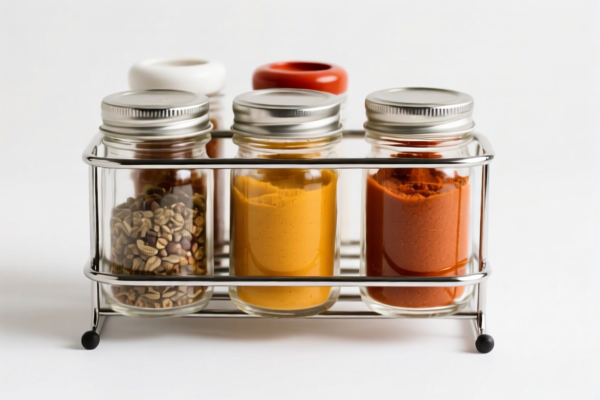
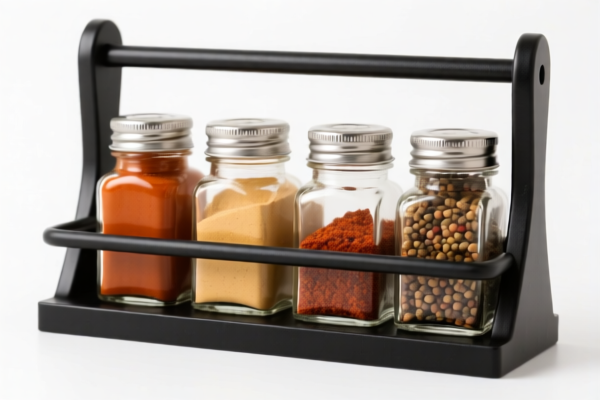
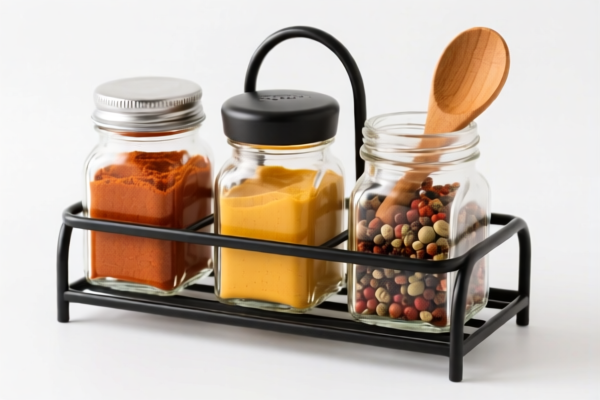
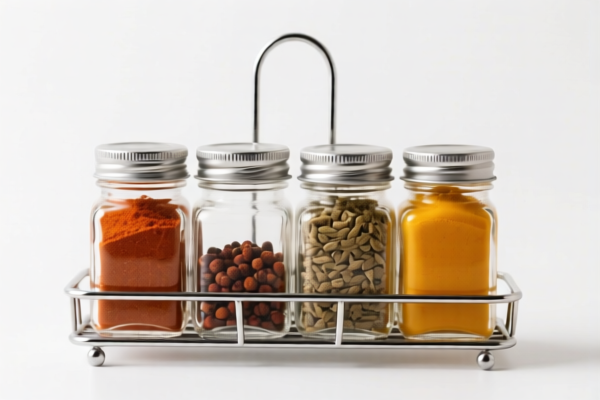
AI Analysis
🌶️ Black Spice Rack (Kitchen Storage & Organization)
🌐 HS Code Reference & Customs Clearance Guide | 2026 Latest Tariff Analysis | Professional Clearance Strategy 📌 Part I: Product Definition & Classification: Do You Really Understand "Spice Racks"?
A Black Spice Rack is a functional storage unit designed to organize small containers of spices, herbs, and condiments. In international trade, its classification heavily depends on the material of construction. It is not a single HS code but falls into different categories based on whether it is made of Wood, Plastic, Iron/Steel, or Bamboo.
⚠️ Key Distinction Points: - If made of Wood → Classified under Chapter 44 (Wood and Articles of Wood); - If made of Plastic → Classified under Chapter 39 (Plastics and Articles Thereof); - If made of Iron/Steel → Classified under Chapter 73 (Articles of Iron or Steel); - If made of Bamboo → Classified under Chapter 44 (Bamboo) as a specific sub-category.
📦 Part II: HS Code Classification Details (2026 Latest Tariff Authority对照)
Based on the inferred materials for a "Black Spice Rack," here are the four most likely HS Codes and their corresponding tax implications:
| HS Code | Material Inference | Product Description | Tax Rate (Total) |
|---|---|---|---|
4419.90.91.00 |
Wood | Wooden tableware, kitchen utensils, or general wooden kitchen items (兜底 classification for wood kitchenware) | 20.7% |
3926.30.50.00 |
Plastic | Other plastic articles: connectors, brackets, or stands (General plastic household item) | 22.8% |
7323.99.90.80 |
Black Metal / Iron | Other articles of iron or steel: other articles (General metal kitchenware/stand) | 88.4% |
7323.93.00.80 |
Stainless Steel | Table, kitchen, or other household articles and parts thereof of stainless steel | 62.0% |
4419.19.90.00 |
Bamboo | Other articles of bamboo (Specialized bamboo kitchenware) | 13.2% |
🔍 Critical Note: - Wood (
4419.90.91.00) is a common "catch-all" for wooden kitchen items not specifically listed elsewhere. - Plastic (3926.30.50.00) covers generic plastic holders, stands, and connectors. - Iron/Steel (7323.99.90.80) carries the highest tariff due to significant additional levies on steel products. - Stainless Steel (7323.93.00.80) has a lower additional tariff base but still incurs substantial costs. - Bamboo (4419.19.90.00) offers the lowest total tax burden among these options.
💰 Part III: 2026 Latest Tariff Rate Breakdown (Detailed Tax Policy)
✅ Applicable Country: United States (US) ✅ Origin: China (CN) ✅ Effective Date: Current regulations (including Section 301 and Section 122 measures)
🎯 1. 4419.90.91.00 — Wooden Spice Rack (Kitchen Utensils)
| Item | Detail |
|---|---|
| Base Duty Rate | 3.2% |
| Additional Duty (Section 301) | 7.5% |
| Section 122 Duty | 10% |
| Total Tax Rate | 20.7% |
| Calculation Basis | CIF Value × 20.7% |
| De Minimis Exemption | ❌ Not Applicable (Commercial shipment) |
| Legal Basis Path | USITC: 4419.90.91.00 → Section 301 Footnote → Section 122 |
📌 Explanation: - This is a moderate-cost option. - The combination of Base Duty (3.2%), Section 301 (7.5%), and Section 122 (10%) results in a manageable total of 20.7%.
🎯 2. 3926.30.50.00 — Plastic Spice Rack (Other Plastic Articles)
| Item | Detail |
|---|---|
| Base Duty Rate | 5.3% |
| Additional Duty (Section 301) | 7.5% |
| Section 122 Duty | 10% |
| Total Tax Rate | 22.8% |
| Calculation Basis | CIF Value × 22.8% |
| De Minimis Exemption | ❌ Not Applicable |
| Legal Basis Path | USITC: 3926.30.50.00 → Section 301 Footnote → Section 122 |
📌 Note: - Plastic racks are categorized as "other plastic articles." - The higher base duty (5.3%) compared to wood makes this slightly more expensive than wooden racks, totaling 22.8%.
🎯 3. 7323.99.90.80 — Black Iron/Steel Spice Rack (Other Metal Articles)
| Item | Detail |
|---|---|
| Base Duty Rate | 3.4% |
| Additional Duty (Section 301) | 25.0% |
| Section 122 Duty | 10% |
| Steel/Copper/Aluminum Additional Levy | 50% (Applied to steel products) |
| Total Tax Rate | 88.4% |
| Calculation Basis | CIF Value × 88.4% |
| De Minimis Exemption | ❌ Not Applicable |
| Legal Basis Path | USITC: 7323.99.90.80 → Section 301 Footnote → Section 122 → Steel Levy |
⚠️ Critical Warning: - This is the MOST EXPENSIVE classification. - The 50% additional levy on steel/iron products combined with Section 301 (25%) and Section 122 (10%) leads to a staggering 88.4% total tariff. - Avoid this HS Code unless absolutely necessary. Consider alternative materials.
🎯 4. 7323.93.00.80 — Stainless Steel Spice Rack
| Item | Detail |
|---|---|
| Base Duty Rate | 2.0% |
| Additional Duty (Section 301) | 0.0% |
| Section 122 Duty | 10% |
| Steel/Copper/Aluminum Additional Levy | 50% (Applied to steel products) |
| Total Tax Rate | 62.0% |
| Calculation Basis | CIF Value × 62.0% |
| De Minimis Exemption | ❌ Not Applicable |
| Legal Basis Path | USITC: 7323.93.00.80 → Section 301 Footnote → Section 122 → Steel Levy |
📌 Note: - While the base duty (2.0%) and Section 301 duty (0.0%) are lower, the 50% steel levy still pushes the total to 62.0%. - Cheaper than iron (
88.4%) but still significantly more expensive than wood or plastic.
🎯 5. 4419.19.90.00 — Bamboo Spice Rack
| Item | Detail |
|---|---|
| Base Duty Rate | 3.2% |
| Additional Duty (Section 301) | 0.0% |
| Section 122 Duty | 10% |
| Total Tax Rate | 13.2% |
| Calculation Basis | CIF Value × 13.2% |
| De Minimis Exemption | ❌ Not Applicable |
| Legal Basis Path | USITC: 4419.19.90.00 → Section 301 Footnote → Section 122 |
📌 Advantage: - Lowest Total Tax Rate (13.2%). - Bamboo is treated similarly to wood but has specific sub-codes. - Zero Section 301 duty makes it highly cost-effective.
🛠️ Part IV: Customs Clearance Practical Advice (Pitfall Avoidance Guide)
✅ 1. Material Declaration is Critical
| Material | Correct HS Code | Risk of Misclassification |
|---|---|---|
| Wood | 4419.90.91.00 |
If declared as "Plastic," it may be rejected for incorrect material. |
| Plastic | 3926.30.50.00 |
If declared as "Wood," it will be reclassified and taxed at 20.7% instead of 22.8% (minor difference) but may face scrutiny. |
| Iron/Steel | 7323.99.90.80 |
High Risk. Declaring as "Metal" without specifying "Stainless Steel" or "Iron" can lead to penalties. |
| Bamboo | 4419.19.90.00 |
If declared as "Wood," it might be accepted, but specific bamboo codes are more precise. |
🔥 Key Tip: "Material First, Function Second!" - Clearly state the material in the commercial invoice: "Spice Rack made of Bamboo" or "Spice Rack made of Stainless Steel." - Do not simply say "Kitchen Rack" without specifying material.
✅ 2. Documentation Checklist
| Document | Required? | Notes |
|---|---|---|
| ✅ Commercial Invoice | ✔️ | Must specify material (e.g., "Bamboo," "Plastic," "Iron") |
| ✅ Packing List | ✔️ | Item count, weight, dimensions |
| ✅ Product Photos | ✔️ | Clear images showing material texture and structure |
| ✅ Material Certificate | ✔️ | For stainless steel/iron, provide mill certificates if requested |
| ✅ FCC/CE Report | ❌ | Not typically required for kitchenware unless electronic components are present |
| ✅ FDA Certificate | ⚠️ | If the rack holds food directly, ensure compliance with food-safe materials |
✅ 3. Special Cases & Strategies
| Scenario | Recommendation |
|---|---|
| Mixed Materials | If the rack is Wood + Metal brackets, declare the primary material (usually Wood) under 4419.90.91.00. |
| Plastic with Metal Hangers | Declare as Plastic (3926.30.50.00) if plastic constitutes the main structure/value. |
| Stainless Steel Rack | Use 7323.93.00.80 for stainless steel to avoid the 25% Section 301 duty, but still pay 50% steel levy. |
| Bamboo Rack | Strongly recommended for lowest tax (13.2%) and eco-friendly marketing. |
🌍 Part V: Global Market Comparison (2026)
| Market | Recommended HS Code | Total Tariff (China Origin) | Notes |
|---|---|---|---|
| 🇺🇸 USA | 4419.19.90.00 (Bamboo) |
13.2% | Lowest tariff; Bamboo preferred |
| 🇺🇸 USA | 4419.90.91.00 (Wood) |
20.7% | Moderate tariff |
| 🇺🇸 USA | 3926.30.50.00 (Plastic) |
22.8% | Moderate tariff |
| 🇺🇸 USA | 7323.93.00.80 (Stainless Steel) |
62.0% | High tariff due to steel levy |
| 🇺🇸 USA | 7323.99.90.80 (Iron) |
88.4% | Highest tariff. Avoid. |
| 🇨🇳 China | Varies | 5-15% | No Section 301 or Section 122 |
| 🇪🇺 EU | Varies | 0-6% | No Section 301 or Section 122 |
📌 Conclusion: - USA Tariffs are Material-Specific. - Bamboo (
4419.19.90.00) is the most cost-effective for the US market. - Iron/Steel (7323.99.90.80) is the most expensive due to the 50% steel levy.
📌 Part VI: Common Errors & Pitfalls (Lessons Learned)
❌ Error 1: Declaring a Iron Spice Rack as 7323.93.00.80 (Stainless Steel)
👉 Consequence: Customs may reclassify it as 7323.99.90.80 and charge 88.4% instead of 62.0%. Fine + Back Taxes.
❌ Error 2: Declaring a Plastic Rack as 4419.90.91.00 (Wood)
👉 Consequence: Customs may reject the declaration for incorrect material. Delay + Inspection.
❌ Error 3: Ignoring Section 122 (10%) 👉 Consequence: All products from China are subject to this 10% duty. If not included in cost calculation, profits will be erased.
❌ Error 4: Using "Kitchen Rack" without Material Specification 👉 Consequence: Customs will use the highest possible duty rate as a precaution. Always specify material!
✅ Correct Practice:
"Bamboo Spice Rack, Black Finish, 3-Tier, for Kitchen Use, Made of 100% Bamboo"
🎯 Part VII: Conclusion: Smart Material Choice Saves Money!
🎯 Key Takeaway:
🔹 "Bamboo is King" – Lowest tax (13.2%) and eco-friendly. 🔹 "Wood is Queen" – Moderate tax (20.7%) and natural look. 🔹 "Plastic is Practical" – Moderate tax (22.8%) and durable. 🔹 "Steel is Expensive" – High tax (62.0-88.4%) due to steel levies. 🔹 "Iron is Costly" – Highest tax (88.4%). Avoid if possible.
📌 Pro Tip:
If your spice rack is made of Iron or Steel, consider:
1. Switching to Bamboo or Wood to save 60-70% in tariffs.
2. Using Stainless Steel (7323.93.00.80) if you must use metal, as it avoids the 25% Section 301 duty (though 50% steel levy still applies).
3. Applying for an Exclusion (if available) under Section 301 for specific steel products.
📣 Immediate Action:
📞 Consult a Customs Broker to verify the exact material composition. 🚀 Choose Bamboo or Wood for the best margin in the US market. 💼 Accurate Declaration prevents delays and unnecessary costs!
✨ Professional Clearance Starts with Precise Classification! 💼 Every Percent of Tariff Matters to Your Bottom Line!
Customer Reviews
About HS Code Classification
The Harmonized System (HS) is an internationally standardized nomenclature developed by the World Customs Organization (WCO) to classify traded products. Over 200 countries use the HS system as the basis for customs tariffs, trade statistics, and import/export regulations.
Each HS code follows a hierarchical structure:
- Chapter (2 digits) — Broad category of goods (e.g., Chapter 84: Machinery and Mechanical Appliances)
- Heading (4 digits) — More specific grouping within the chapter
- Subheading (6 digits) — Internationally standardized breakdown, used by all WCO member countries
- National subdivisions (8-10 digits) — Country-specific extensions for further classification, such as US HTSUS 10-digit codes
Correct HS code classification is essential for smooth customs clearance, accurate duty payment, and compliance with trade regulations. Misclassification can lead to customs delays, overpayment of duties, or penalties.
When importing from CN to US, the applicable tariff rates may include:
- Most-Favored-Nation (MFN) rate — The standard duty rate applied to WTO members
- General rate — Applied to countries without trade agreements
- Trade remedy duties — Additional tariffs such as Section 301 (anti-dumping), Section 232 (national security), or countervailing duties
The information provided on this page is for reference purposes only. For official classification, please consult with your local customs authority or a licensed customs broker.