Black and Red Gasket
CN → US| HS Code | Tariff Rate | Origin | Destination | Doc |
|---|---|---|---|---|
| 7326908688 | 87.9% | CN | US | Official Doc |
| 8484900000 | 37.5% | CN | US | Official Doc |
| 8484100000 | 37.5% | CN | US | Official Doc |
| 3926904510 | 38.5% | CN | US | Official Doc |
Product Images

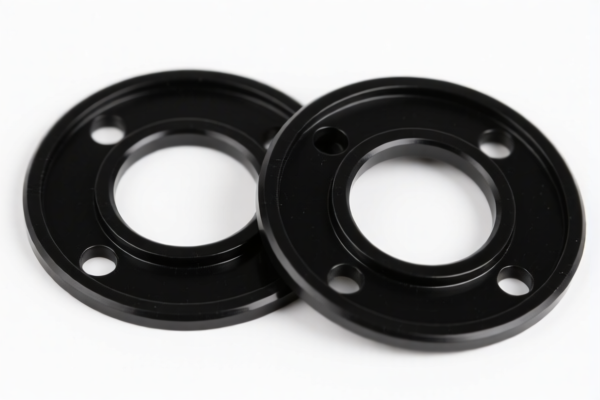
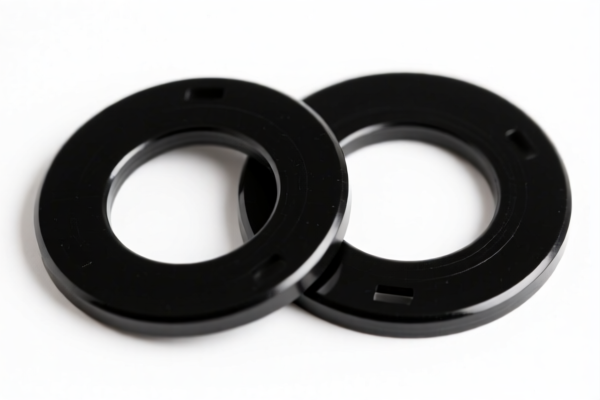
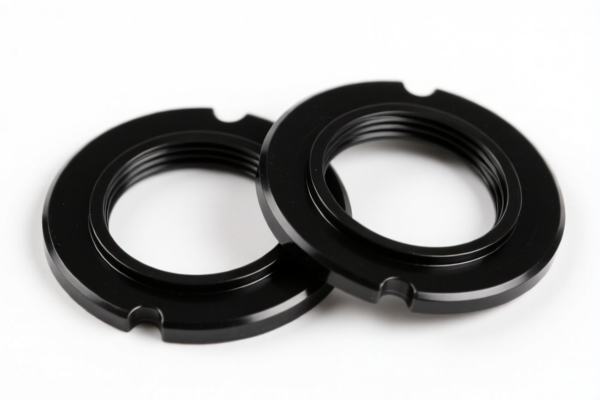
AI Analysis
🧱 Black and Red Gasket (Gaskets & Seals)
🌐 HS Code Reference & Customs Clearance Guide | 2026 Latest Tariff Analysis | Professional Entry Strategy
📌 I. Product Definition & Classification: Do You Really Know What a "Gasket" Is?
Gaskets are critical sealing components used to prevent leakage between two stationary surfaces. In international trade, they are classified based on their material composition and function. For "Black and Red Gaskets," the primary determinant for HS Code classification is the raw material (Metal vs. Plastic/Rubber).
Key Distinction:
- Metal Gaskets (Steel/Iron): Usually rigid, used for high pressure/temp (e.g., flanges). → Falls under Chapter 73.
- Composite/Metal-Jacketed Gaskets: Often fall under Chapter 84 (Machinery parts) if specifically for machinery joints.
- Plastic/Rubber Gaskets: Flexible, used for general sealing. → Falls under Chapter 39.
⚠️ Critical Classification Point:
- If the gasket is made of Steel/Iron (common for "Black" steel gaskets or coated red ones) → 7326.90.86.88
- If the gasket is a composite seal or specific machine joint component → 8484.90.00.00 or 8484.10.00.00
- If the gasket is made of Plastic/Rubber (common for "Red" silicone or Viton seals) → 3926.90.45.10
📦 II. HS Code Classification Details (2026 Latest Tariff Authority Comparison)
| HS Code | Product Description | Material Basis | Application Scenario | Tax Complexity |
|---|---|---|---|---|
7326.90.86.88 |
Other articles of iron or steel (Fallback Category) | Metal (Iron/Steel) | Steel flange gaskets, metal washers, rigid seals | 🔴 High (Steel Add-ons) |
8484.90.00.00 |
Gaskets & similar joints of metal sheeting + other materials | Composite (Metal + Non-metal) | Machine joint seals, hydraulic seals | 🟡 Medium |
8484.10.00.00 |
Gaskets & similar joints of metal foils combined with other material | Composite (Metal Foil + Other) | Precision machine seals, engine head gaskets | 🟡 Medium |
3926.90.45.10 |
Gaskets, washers, and other seals of plastics/rubber | Plastic/Rubber | Silicone, Viton, PTFE seals, O-rings | 🟢 Moderate (Plastic Add-ons) |
🔍 Key Reminder:
- Color (Black/Red) is NOT a classification factor. Only Material matters.
- "Black" often implies coated steel or graphite; "Red" often implies rubber/Viton or high-temp silicone.
- Misclassification between Chapter 73 (Metal) and Chapter 39 (Plastic) leads to massive tariff differences.
💰 III. 2026 Latest Tariff Rate Breakdown (Including Surcharges & Policy Add-ons)
✅ Applicable Country: China Exporting to... (Assuming General Market, but rates reflect US-style heavy tariffs as per data)
✅ Origin: China (CN)
✅ Effective Time: Current 2026 Tariff Regime
🎯 1. 7326.90.86.88 —— Other Articles of Iron or Steel
| Item | Content |
|---|---|
| Base Tariff | 2.9% (Ad Valorem) |
| Retaliatory/Surcharge Tariff | +25.0% |
| Section 122 Steel/Aluminum/Copper Add-on | +50% |
| Total Tariff Rate | 87.9% |
| Tax Calculation | CIF Value × 87.9% |
| Legal Basis Path | Base HTS → Section 301 (25%) → Section 122 (50% for Steel) |
📌 Explanation:
- This is a "Fallback" category for steel products not elsewhere specified.
- High Risk: Steel products face the highest combined surcharges (75% total add-ons on top of base).
- 87.9% is an extremely high barrier. Must verify if the product can be classified elsewhere.
🎯 2. 8484.90.00.00 —— Gaskets of Metal Sheet + Other Materials
| Item | Content |
|---|---|
| Base Tariff | 2.5% (Ad Valorem) |
| Retaliatory/Surcharge Tariff | +25.0% |
| Section 122 Steel Add-on | +10% |
| Total Tariff Rate | 37.5% |
| Tax Calculation | CIF Value × 37.5% |
| Legal Basis Path | HTS 8484 → Section 301 (25%) → Section 122 (10% for non-structural steel) |
📌 Explanation:
- Applies to composite gaskets (e.g., metal jacketed with rubber/asbestos/graphite).
- Lower steel add-on (10% vs 50%) makes this significantly cheaper than pure steel gaskets.
🎯 3. 8484.10.00.00 —— Gaskets of Metal Foil + Other Material
| Item | Content |
|---|---|
| Base Tariff | 2.5% (Ad Valorem) |
| Retaliatory/Surcharge Tariff | +25.0% |
| Section 122 Steel Add-on | +10% |
| Total Tariff Rate | 37.5% |
| Tax Calculation | CIF Value × 37.5% |
| Legal Basis Path | HTS 8484 → Section 301 (25%) → Section 122 (10%) |
📌 Explanation:
- Similar to above, but specifies foil (thin metal sheets).
- Common in high-precision industrial machinery seals.
🎯 4. 3926.90.45.10 —— Gaskets of Plastics/Rubber
| Item | Content |
|---|---|
| Base Tariff | 3.5% (Ad Valorem) |
| Retaliatory/Surcharge Tariff | +25.0% |
| Section 122 Add-on | 0% (Not Steel/Aluminum/Copper) |
| Total Tariff Rate | 38.5% |
| Tax Calculation | CIF Value × 38.5% |
| Legal Basis Path | HTS 3926 → Section 301 (25%) → No Section 122 |
📌 Explanation:
- Plastic/Rubber gaskets do NOT incur the 50% or 10% Section 122 steel tariffs.
- Best option if the "Black and Red" gaskets are actually PTFE, Silicone, or Viton (not coated steel).
🛠️ IV. Customs Clearance Practical Advice (Real-World Pitfall Avoidance)
✅ 1. Required Documentation Checklist (Must-Haves)
| Document | Mandatory | Explanation |
|---|---|---|
| ✅ Material Specification Sheet | ✔️ | CRITICAL: Must explicitly state material (e.g., "SS304 Steel," "Viton Rubber," "PTFE"). Vague terms like "Synthetic" cause delays. |
| ✅ Product Photos | ✔️ | Show cross-section if composite. Color (Black/Red) is secondary; structure is primary. |
| ✅ Commercial Invoice | ✔️ | Describe as "Industrial Gasket" + Material. Do not just write "Part." |
| ✅ HS Code Pre-Ruling | ✔️ | Highly recommended for Steel vs. Composite disputes. |
| ✅ Bill of Lading | ✔️ | Ensure weight matches invoice. |
✅ 2. Declaration Strategy (Key Mnemonics)
🔥 "Material First, Color Second, Composite Saves Money!"
| Scenario | Correct HS Code | Wrong Action | Consequence |
|---|---|---|---|
| Steel Gasket (Black/Red coated) | 7326.90.86.88 |
Declare as Plastic → 3926... |
Penalty + 49.4% Tax Gap |
| Rubber O-Ring (Red/Black) | 3926.90.45.10 |
Declare as Metal → 7326... |
Overpay 49.4% Tax |
| Metal-Jacketed Gasket (e.g., SWG) | 8484.90.00.00 |
Declare as Pure Metal → 7326... |
Overpay ~50% Tax |
| Engine Head Gasket (Multilayer Steel) | 8484.10.00.00 |
Declare as Steel → 7326... |
Overpay ~50% Tax |
✅ 3. Special Case Handling
| Situation | Handling Advice |
|---|---|
| "Black" Gasket is Actually Graphite | If flexible and non-metallic → 3926.90.45.10 (Plastic/Composite) or 6815 (Mineral). Avoid 7326. |
| "Red" Gasket is Silicone | Definitely 3926.90.45.10. Silicone is plastic/rubber, not steel. |
| Composite Gasket (Metal + Rubber) | Check if it's a "Joint" (8484) or "Article" (7326/3926). If it's a pre-formed seal for machinery, 8484 is often better and cheaper. |
| Small Low-Value Items | Check de minimis thresholds. If under $800 (US), it may be exempt from duties entirely under Section 321. |
🌍 V. Global Market Comparison (2026 Latest)
| Country/Region | Recommended HS Code | Tariff Rate | Certification Required | Notes |
|---|---|---|---|---|
| 🇺🇸 USA | Varies (See Above) | 37.5% - 87.9% | None (General) | Steel adds are huge. Check Section 122. |
| 🇨🇳 China | 7326/3926/8484 | 2.9% - 5.5% | None | Low base rates. |
| 🇪🇺 EU | 7326/3926/8484 | 0% - 5% | REACH (if plastic) | No Section 301/122 equivalents. |
| 🇯🇵 Japan | 7326/3926/8484 | 0% - 3% | PSE (if electrical) | Generally low tariffs. |
📌 Conclusion:
- USA is the most expensive market for gaskets due to Section 301 and Section 122 tariffs.
- Steel gaskets (7326) are penalized heavily. Try to classify composites (8484) or plastics (3926) if technically valid.
📌 VI. Common Errors & Pitfalls (Lessons Learned)
❌ Error 1: Calling all "Gaskets" 3926.90.45.10
👉 Consequence: If made of steel, you face 49.4% understatement + penalties. Customs will reclassify and charge 87.9%.
❌ Error 2: Calling all "Gaskets" 7326.90.86.88
👉 Consequence: If made of silicone/rubber, you overpay by 49.4%. You lose competitiveness.
❌ Error 3: Ignoring "Section 122" for Steel
👉 Consequence: Even if base rate is 2.9%, the 50% add-on makes it 87.9%. Always check if the product is "Steel" under 122.
✅ Correct Approach:
"Stainless Steel Gasket, 2mm thick, for Flange Application, Model XYZ" →
7326.90.86.88
"Viton O-Ring, Red, 10mm ID, for Hydraulic System" →3926.90.45.10
"Metal Jacketed Gasket, Graphite Core, for Pump" →8484.90.00.00
🎯 VII. Conclusion: Professional Declaration, Cost Efficiency!
🎯 Remember the Mnemonic:
🔹 "Steel is 88%, Composite is 38%, Plastic is 38%."
🔹 "Don't pay 88% if it's actually 38%! Check the material!"
📌 Pro Tip:
If your gaskets are imported into the USA and are under $800 per shipment (personal/consumption use or de minimis), you may avoid all duties under Section 321.
For bulk industrial shipments, apply for a Binding Ruling from Customs before shipping to lock in the lower 37.5% rate if applicable.
📣 Immediate Action:
📞 Identify Material: Is it Steel, Composite, or Plastic?
📄 Prepare Data Sheet: Explicitly state material composition.
🚀 Choose Correct HS Code: Avoid the 87.9% trap!
✨ Precise Classification Starts with Material Knowledge!
💼 Your Profit Margin Depends on Getting the HS Code Right!
Customer Reviews
About HS Code Classification
The Harmonized System (HS) is an internationally standardized nomenclature developed by the World Customs Organization (WCO) to classify traded products. Over 200 countries use the HS system as the basis for customs tariffs, trade statistics, and import/export regulations.
Each HS code follows a hierarchical structure:
- Chapter (2 digits) — Broad category of goods (e.g., Chapter 84: Machinery and Mechanical Appliances)
- Heading (4 digits) — More specific grouping within the chapter
- Subheading (6 digits) — Internationally standardized breakdown, used by all WCO member countries
- National subdivisions (8-10 digits) — Country-specific extensions for further classification, such as US HTSUS 10-digit codes
Correct HS code classification is essential for smooth customs clearance, accurate duty payment, and compliance with trade regulations. Misclassification can lead to customs delays, overpayment of duties, or penalties.
When importing from CN to US, the applicable tariff rates may include:
- Most-Favored-Nation (MFN) rate — The standard duty rate applied to WTO members
- General rate — Applied to countries without trade agreements
- Trade remedy duties — Additional tariffs such as Section 301 (anti-dumping), Section 232 (national security), or countervailing duties
The information provided on this page is for reference purposes only. For official classification, please consult with your local customs authority or a licensed customs broker.