Blackout Curtains
CN → US| HS Code | Tariff Rate | Origin | Destination | Doc |
|---|---|---|---|---|
| 5801275020 | 53.5% | CN | US | Official Doc |
| 5801229000 | 55.2% | CN | US | Official Doc |
| 6303922030 | 28.8% | CN | US | Official Doc |
| 6303922010 | 28.8% | CN | US | Official Doc |
| 6303192110 | 23.9% | CN | US | Official Doc |
Product Images
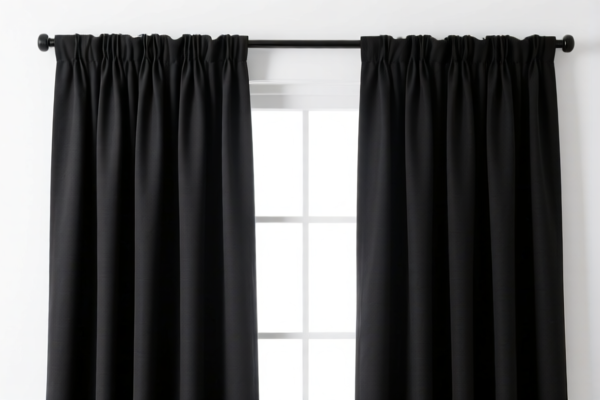
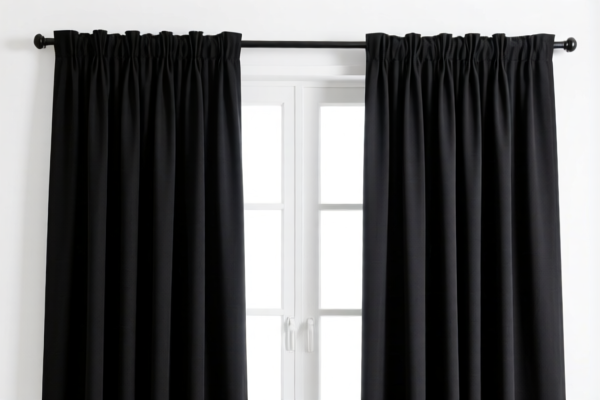
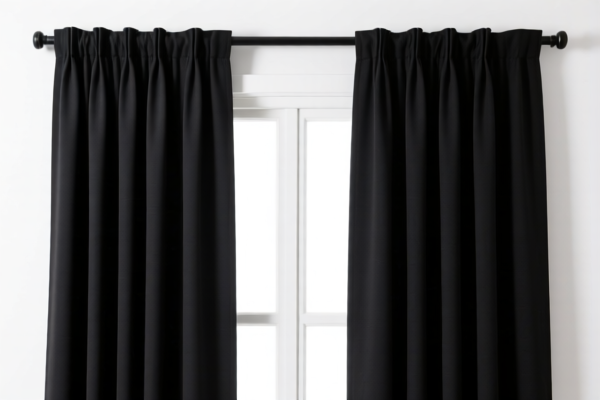
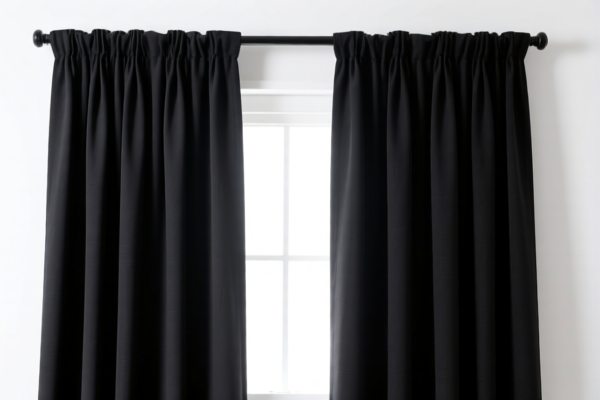
AI Analysis
🛋️ Blackout Curtains (Curtains & Drapes)
🌐 HS Code Reference & Clearance Guide | 2024 Latest Tariff Analysis | Professional Entry Strategy
📌 I. Product Definition & Classification: Do You Really Understand "Blackout Curtains"?
Blackout curtains are window treatments designed to block light, often incorporating thermal insulation and noise-reducing properties. In international trade, the classification depends heavily on fiber composition, fabric structure (woven vs. knitted), and processing method (plush/velvet vs. plain weave).
Key Classification Drivers: * Material Composition: Is it made of Cotton (Natural Fiber) or Synthetic Fibers (Polyester, etc.)? * Fabric Structure: Is it a "Velvet/Plush" fabric (HS Chapter 58) or a standard woven/knitted fabric (HS Chapter 63)? * Processing: Is it "Cut-pile," "Woven Plush," or simply a "Finished Curtain"?
⚠️ Critical Distinction Point:
- If the fabric is Cotton-based Plush/Velvet (Woven or Cut-pile) → It falls under Chapter 58 (Special Woven Fabrics).
- If the fabric is Synthetic-based or Standard Woven/Knitted → It falls under Chapter 63 (Other Made-up Textile Articles).
📦 II. HS Code Classification Details (Latest Tariff Authority对照)
Based on the provided dataset, here is the precise breakdown for Blackout Curtains:
| HS Code | Product Description | Material | Fabric Type | Total Tax Rate |
|---|---|---|---|---|
5801.27.50.20 |
Velvet Blackout Curtain | Cotton or Textile Fiber | Woven Plush Fabric (天鹅绒遮光窗帘,织造绒毛织物) | 53.5% |
5801.22.90.00 |
Velvet Blackout Curtain | Cotton or Textile Fiber | Cut-pile Velvet Fabric (天鹅绒遮光窗帘,截绒绒面织物) | 55.2% |
6303.92.20.30 |
Velvet Blackout Curtain | Synthetic Fiber or Textile | Finished Curtain (Use: Blackout) | 28.8% |
6303.92.20.10 |
Velvet Blackout Curtain | Synthetic/Natural Fiber | Finished Curtain (Use: Curtain) | 28.8% |
6303.19.21.10 |
Curtain | N/A (Knitted/Crocheted) | Knitted or Crocheted Curtain | 23.9% |
🔍 Key Insight:
- Cotton Velvet Curtains incur significantly higher tariffs (53.5%–55.2%) due to their classification under Chapter 58 (Special Woven Fabrics).
- Synthetic/Standard Curtains benefit from lower rates (28.8%) under Chapter 63.
- Knitted Curtains have the lowest base rate (23.9%), but verify if your product is truly knitted/crocheted, not woven.
💰 III. 2024 Latest Tariff Rate Breakdown (Including Surcharges & Policy Add-ons)
✅ Applicable Market: USA (US)
✅ Origin: China (CN)
✅ Effective Date: Current enforcement of Section 301 & Section 122 tariffs.
🎯 1. 5801.27.50.20 & 5801.22.90.00 — Cotton Velvet Curtains (High Tax Tier)
These codes cover Cotton-based plush/velvet fabrics. The tax burden is heavy due to multiple layered tariffs.
| Component | Rate | Source/Reason |
|---|---|---|
| Basic Tariff | 18.5% – 20.2% | Standard US MFN Rate for Chapter 58 |
| Section 301 Surcharge | +25.0% | Trump-era/Biden-era Section 301 tariffs on Chinese goods |
| Section 122 Tariff | +10.0% | Additional specific tariff for certain textile/apparel items |
| TOTAL TAX RATE | 53.5% – 55.2% | Extremely High |
📌 Explanation:
- The 25% Section 301 tariff is the primary driver of cost.
- The 10% Section 122 tariff is an additional layer specifically targeting certain textile categories.
- Total Effective Rate: Over 53%. This makes cotton velvet curtains from China highly cost-sensitive in the US market.
🎯 2. 6303.92.20.30 & 6303.92.20.10 — Synthetic/Standard Blackout Curtains (Medium Tax Tier)
These codes cover Synthetic fiber or mixed-material curtains that are finished articles (not plush fabrics per se).
| Component | Rate | Source/Reason |
|---|---|---|
| Basic Tariff | 11.3% | Standard US MFN Rate for Chapter 63 |
| Section 301 Surcharge | +7.5% | Reduced Section 301 rate for some textile articles |
| Section 122 Tariff | +10.0% | Additional specific tariff |
| TOTAL TAX RATE | 28.8% | Moderate |
📌 Explanation:
- The Basic Tariff is lower (11.3% vs ~20%).
- The Section 301 rate is significantly lower (7.5% vs 25%) for this category.
- Total Effective Rate: 28.8%, nearly half the cost of cotton velvet curtains.
🎯 3. 6303.19.21.10 — Knitted/Crocheted Curtains (Lowest Tax Tier)
Only applicable if the curtain is explicitly knitted or crocheted.
| Component | Rate | Source/Reason |
|---|---|---|
| Basic Tariff | 6.4% | Standard US MFN Rate for Knitted Curtains |
| Section 301 Surcharge | +7.5% | Same as other finished curtains |
| Section 122 Tariff | +10.0% | Additional specific tariff |
| TOTAL TAX RATE | 23.9% | Lowest |
📌 Explanation:
- If your product is genuinely knitted (not woven), this offers the best tax efficiency.
- Many "velvet" curtains are woven, not knitted. Do not use this code unless the manufacturing process is confirmed as knitting.
🛠️ IV. Clearance Practical Advice (Avoiding Pitfalls)
✅ 1. Documentation Checklist (Non-negotiable)
| Document | Required? | Notes |
|---|---|---|
| Product Description | ✅ Yes | Must specify: Material (Cotton/Synthetic), Weave Type (Woven/Knitted), Finish (Blackout). |
| Fabric Swatch/Photo | ✅ Yes | To prove "Plush/Velvet" vs. "Plain Weave" vs. "Knitted". |
| Bill of Lading | ✅ Yes | Ensure consistency with Commercial Invoice. |
| Commercial Invoice | ✅ Yes | Clearly state HS Code and Country of Origin (China). |
| Tariff Engineering Proof | ❓ Optional | If disputing classification, provide technical specs. |
✅ 2. Classification Strategy & Tips
🔥 "Material Matters: Cotton Velvet = High Tax; Synthetic = Low Tax."
| Scenario | Recommended HS Code | Risk |
|---|---|---|
| 100% Cotton Velvet Curtain | 5801.27.50.20 or 5801.22.90.00 |
High risk of audit due to high tariff rate. Ensure description matches exactly. |
| Polyester/Blend Blackout Curtain | 6303.92.20.30 |
Lower risk, lower cost. Most common for mass market. |
| Knitted Mesh Curtain | 6303.19.21.10 |
Verify knitting structure. Misclassification can lead to penalties. |
| Mixed Packaging (Curtains + Rods) | Separate Lines | Rods may have different HS codes. Do not bundle into one line unless they are a single functional unit. |
✅ 3. Special Cases & Mitigation
| Situation | Advice |
|---|---|
| De Minimis Threshold (Section 321) | ❌ NOT APPLICABLE. Section 301 and Section 122 tariffs generally do not qualify for the $800 de minimis exemption for China-origin goods. Expect full tax payment. |
| Substantial Transformation | If assembly occurs in a third country (e.g., Vietnam, Mexico), consult a trade attorney to determine if the country of origin changes. |
| Dispute Classification | If customs challenges your HS Code, be prepared to provide: 1. Technical Data Sheet 2. Imported Swatch 3. Expert Opinion on fabric structure |
🌍 V. Global Market Comparison (2024 Snapshot)
| Market | Recommended HS Code | Approx. Total Tax (China Origin) | Notes |
|---|---|---|---|
| 🇺🇸 USA | 5801.27.50.20 (Cotton) / 6303.92.20.30 (Synthetic) |
53.5% / 28.8% | Heavy Section 301 + 122 tariffs. |
| 🇨🇳 China (Import) | Same Codes | Low (0-10%) | Low import duty, no Section 301. |
| 🇪🇺 EU | 6303.92.10 / 5801.27 |
~10-12% | No Section 301 equivalent. |
| 🇬🇧 UK | Similar to EU | ~10-12% | Post-Brexit tariffs are generally lower than US. |
📌 Conclusion:
The USA market is the most challenging for Chinese textile exports due to layered tariffs.
- Strategy: Consider shifting production to non-China origins for US-bound goods to avoid Section 301/122 taxes.
- Alternative: Use synthetic materials (6303) instead of cotton velvet (5801) to reduce the Section 301 component from 25% to 7.5%.
📌 VI. Common Mistakes & Pitfalls (Lessons Learned)
❌ Mistake 1: Misclassifying Woven Velvet as Knitted.
👉 Consequence: Using 6303.19.21.10 (23.9%) for a woven curtain (5801 53.5%) → Severe Penalties & Back Duties.
❌ Mistake 2: Ignoring Section 122 Tariffs.
👉 Consequence: Underestimating total cost by 10%. Customs will assess the additional 10% upon review.
❌ Mistake 3: Assuming De Minimis Exemption applies.
👉 Consequence: Shipments under $800 from China are still subject to Section 301/122 tariffs for textiles. Do not rely on de minimis.
✅ Best Practice:
"Verify Material & Weave First. Then Apply Tax Matrix."
🎯 VII. Conclusion: Professional Classification Saves Money
🎯 Key Takeaway:
🔹 Cotton Velvet = 53.5% Tax (Chapter 58)
🔹 Synthetic Blackout = 28.8% Tax (Chapter 63)
🔹 Knitted Curtain = 23.9% Tax (Chapter 63)
📌 Action Item:
1. Confirm Material: Is it Cotton or Synthetic?
2. Confirm Structure: Is it Woven Plush, Cut-pile, or Standard Woven?
3. Select Correct HS Code: Do not guess. Use the table above.
4. Plan for Tariffs: Budget for 23.9%–55.2% depending on classification.
📣 Immediate Action:
📞 Consult a Customs Broker to validate your specific product’s fabric structure.
🚀 Optimize Supply Chain: Consider sourcing from non-China origins for US-bound shipments to mitigate tariff risks.
✨ Precision in Classification is Profit in Your Pocket!
💼 Every percentage point saved in tariffs is pure margin gained!
Customer Reviews
About HS Code Classification
The Harmonized System (HS) is an internationally standardized nomenclature developed by the World Customs Organization (WCO) to classify traded products. Over 200 countries use the HS system as the basis for customs tariffs, trade statistics, and import/export regulations.
Each HS code follows a hierarchical structure:
- Chapter (2 digits) — Broad category of goods (e.g., Chapter 84: Machinery and Mechanical Appliances)
- Heading (4 digits) — More specific grouping within the chapter
- Subheading (6 digits) — Internationally standardized breakdown, used by all WCO member countries
- National subdivisions (8-10 digits) — Country-specific extensions for further classification, such as US HTSUS 10-digit codes
Correct HS code classification is essential for smooth customs clearance, accurate duty payment, and compliance with trade regulations. Misclassification can lead to customs delays, overpayment of duties, or penalties.
When importing from CN to US, the applicable tariff rates may include:
- Most-Favored-Nation (MFN) rate — The standard duty rate applied to WTO members
- General rate — Applied to countries without trade agreements
- Trade remedy duties — Additional tariffs such as Section 301 (anti-dumping), Section 232 (national security), or countervailing duties
The information provided on this page is for reference purposes only. For official classification, please consult with your local customs authority or a licensed customs broker.