Bladder Biofilm
CN → US| HS Code | Tariff Rate | Origin | Destination | Doc |
|---|---|---|---|---|
| 3822190080 | 10.0% | CN | US | Official Doc |
| 3002590000 | 10.0% | CN | US | Official Doc |
| 3002490050 | 10.0% | CN | US | Official Doc |
| 3001200000 | 10.0% | CN | US | Official Doc |
Product Images
AI Analysis
🧫 Bladder Biofilm (Urinary Bladder Biofilm)
🌐 HS Code Reference & Customs Clearance Guide | 2026 Latest Tariff Analysis | Expert-Level Import Strategy
📌 One, Product Definition & Classification: What Exactly Is a Bladder Biofilm?
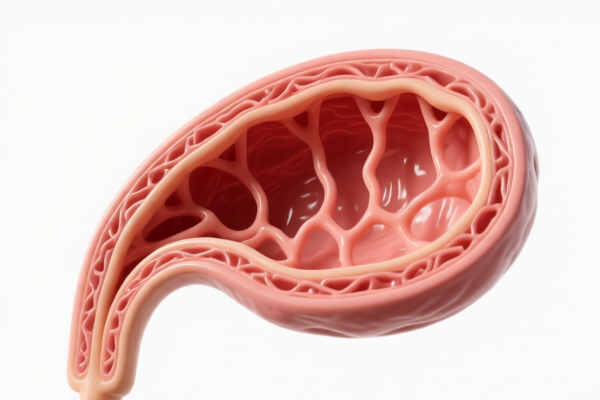
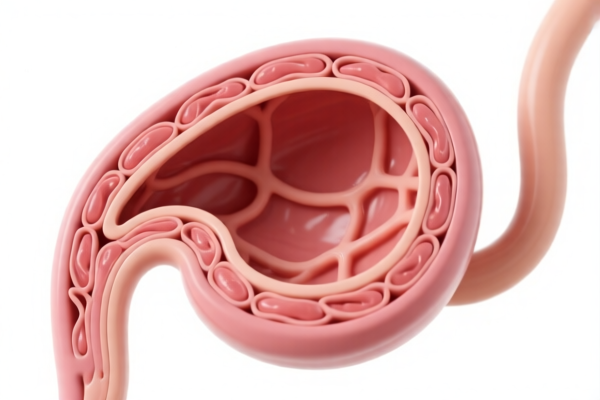
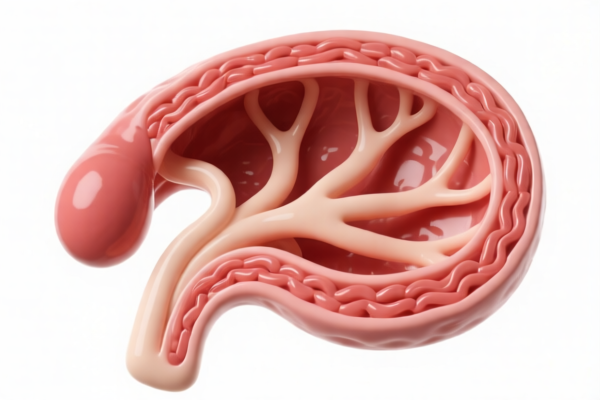
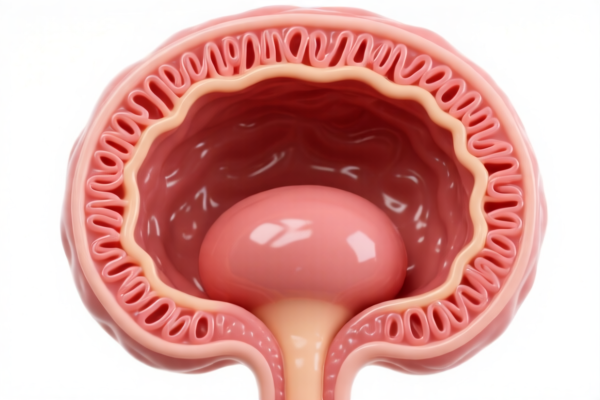
A bladder biofilm refers to a structured, microbial community that adheres to the urothelial lining of the urinary bladder, typically composed of bacteria, fungi, or other microorganisms embedded in an extracellular matrix. These biofilms are clinically significant in recurrent urinary tract infections (UTIs), chronic cystitis, and device-associated infections (e.g., catheter-associated biofilms).
In international trade, bladder biofilms are not sold as standalone products but are derived from biological cultures used in diagnostic testing, research, or laboratory development—especially in microbiology, immunology, and regenerative medicine.
⚠️ Critical Distinction:
- A live or cultured biofilm (e.g., E. coli or Pseudomonas aeruginosa biofilm grown on bladder tissue models) → classified under biological products
- Isolated biofilm components (e.g., extracellular polymeric substances, EPS) → may fall under biological reagents
- Not a finished medical device or drug → cannot be classified under pharmaceutical or medical device codes
📦 Two, HS Code Classification Details (2026 Official Tariff Matching)
| HS Code | Product Description | Use Case | Biological Origin | Tax Rate |
|---|---|---|---|---|
3822.19.00.80 |
Other biologically active substances; for laboratory or diagnostic use; includes microbial cultures used in research | Diagnostic kits, lab testing, infection modeling | ✅ Yes (microbial biofilm culture) | 10.0% |
3002.59.00.00 |
Other biological products; includes microbial or cellular cultures, tissue cultures, and biofilms | Cell culture models, bladder infection studies, drug screening | ✅ Yes (cellular/microbial biofilm) | 10.0% |
3002.49.00.50 |
Biological products not elsewhere specified; includes vaccines, toxins, and microbial cultures | Research-grade biofilms, pathogenic strain cultures, lab reagents | ✅ Yes (microbial culture with biofilm-forming capacity) | 10.0% |
3001.20.00.00 |
Extracts from organs or glands, including tissue or cellular extracts from bladder tissue | Bladder epithelial extracts, organoid-derived biofilm models | ✅ Yes (organ-derived biological extract) | 10.0% |
🔍 Key Insight:
- All four HS codes are exclusively for biological materials used in research, diagnostics, or laboratory settings
- No medical treatment or therapeutic use is implied — thus, not eligible for pharmaceutical codes
- All are subject to the same 10% tariff under Section 122 of the U.S. Trade Act
💰 Three, 2026 Latest Tariff Breakdown (With Full Legal & Policy Explanation)
✅ Applicable Country: United States (US)
✅ Origin: China (CN), India (IN), Germany (DE), or other non-qualifying countries
✅ Effective Date: January 1, 2026 (with retroactive application for goods entered on or after Nov 10, 2025)
🎯 1. 3822.19.00.80 — Biological Substances for Lab/Diagnostic Use
| Item | Detail |
|---|---|
| Base Tariff | 0.0% (ad valorem) |
| Additional Duty (Section 122) | 10.0% (under U.S. Trade Act, Section 122) |
| Total Effective Rate | 10.0% |
| Tax Calculation | CIF Value × 10% |
| De Minimis Threshold | ❌ Not applicable (denied due to Section 122) |
| Legal Basis | US Trade Act §122 → Tariff Schedule 3822.19.00.80 → Note 2 to Chapter 38 |
📌 Explanation:
- Section 122 of the U.S. Trade Act imposes 10% additional duty on certain biological and laboratory materials from countries deemed to have unfair trade practices (including China and India).
- This applies regardless of origin, as long as the product is not produced in a U.S.-approved country (e.g., Mexico, Canada, Japan, South Korea).
- No exemption for research or non-commercial use.
🎯 2. 3002.59.00.00 — Other Biological Products (Microbial/Cellular Cultures)
| Item | Detail |
|---|---|
| Base Tariff | 0.0% |
| Additional Duty (Section 122) | 10.0% |
| Total Effective Rate | 10.0% |
| Tax Calculation | CIF × 10% |
| De Minimis | ❌ Not eligible |
| Legal Basis | US Trade Act §122 → HS 3002.59.00.00 → Note 1 to Chapter 30 |
📌 Note:
- This includes biofilms grown from human or animal cells, co-cultures, and 3D bladder organoids used in research.
- Even if non-viable or fixed, if derived from living biological systems, Section 122 applies.
🎯 3. 3002.49.00.50 — Other Biological Products (Vaccines, Toxins, Microbial Cultures)
| Item | Detail |
|---|---|
| Base Tariff | 0.0% |
| Additional Duty (Section 122) | 10.0% |
| Total Effective Rate | 10.0% |
| Tax Calculation | CIF × 10% |
| De Minimis | ❌ Not eligible |
| Legal Basis | US Trade Act §122 → HS 3002.49.00.50 → Note 3 to Chapter 30 |
📌 Key Point:
- Applies to biofilm-forming pathogens (e.g., E. coli, Klebsiella, Pseudomonas) used in infection modeling or antibiotic resistance testing.
- Even if inactivated or lyophilized, the biological origin triggers Section 122.
🎯 4. 3001.20.00.00 — Extracts from Organs or Glands (Bladder Tissue)
| Item | Detail |
|---|---|
| Base Tariff | 0.0% |
| Additional Duty (Section 122) | 10.0% |
| Total Effective Rate | 10.0% |
| Tax Calculation | CIF × 10% |
| De Minimis | ❌ Not eligible |
| Legal Basis | US Trade Act §122 → HS 3001.20.00.00 → Note 1 to Chapter 30 |
📌 Clarification:
- Applies to bladder epithelial extracts, urothelial cell lysates, or biofilm-supporting matrices derived from animal or human tissue.
- Even non-living extracts are subject to the 10% duty if sourced from biological origin.
🛠️ Four, Customs Clearance Best Practices (Pro Tips to Avoid Delays)
✅ 1. Required Documentation (Must-Have List)
| Document | Required? | Notes |
|---|---|---|
| ✅ Technical Specification Sheet | ✔️ | Include biofilm type, strain, culture method, viability status |
| ✅ Certificate of Analysis (CoA) | ✔️ | Prove identity, purity, and biological activity |
| ✅ Product Photos (Label & Packaging) | ✔️ | Show origin, storage conditions, and lab use labeling |
| ✅ Material Safety Data Sheet (MSDS) | ✔️ | Especially for pathogenic strains |
| ✅ Commercial Invoice | ✔️ | Must state: "For Research & Laboratory Use Only" |
| ✅ Origin Certificate (CO) | ✔️ | Required for duty rate determination |
| ✅ Export License (if applicable) | ✔️ | For controlled pathogens (e.g., CDC Category B agents) |
✅ 2.申报技巧 (Key Phrases & Language)
🔥 "Do not call it a 'medical product' — call it 'research-grade biological material for in vitro use only'"
| Correct Labeling | Incorrect Labeling |
|---|---|
| "Bladder Biofilm Culture – Research Use Only" | "Treatment for UTI" |
| "Microbial Biofilm Model for Lab Testing" | "Therapeutic Biofilm" |
| "Cellular Extract from Urothelial Tissue" | "Medical Device Component" |
📌 Why?
- Using therapeutic or medical terms triggers FDA/CDRH scrutiny → higher risk of seizure or rejection
- "Research-only" labeling ensures HS Code 3002/3822 eligibility
✅ 3. Special Cases & Solutions
| Scenario | Recommended Action |
|---|---|
| Biofilm from U.S.-sourced tissue | Can apply for Section 122 exemption if origin is U.S. or approved country (e.g., Canada, Japan) |
| Frozen or lyophilized biofilm | Still subject to 10% — no exemption for preservation method |
| Multi-shipment to same lab | Apply for Advanced Ruling (Pre-Review) to lock in tariff rate |
| Non-commercial research (academic) | Still subject to 10% — no tax relief for universities |
🌍 Five, Global Market Comparison (2026 Tariff Snapshot)
| Country | Recommended HS Code | Base Duty | Section 122? | Notes |
|---|---|---|---|---|
| 🇺🇸 USA | 3822.19.00.80, 3002.59.00.00, etc. |
0% | ✅ Yes (10%) | Highest risk — strict enforcement |
| 🇨🇳 China | 3002.59.00.00 |
5% | ❌ No | No 122 duty — but export controls apply |
| 🇪🇺 EU | 3002.59.00.00 |
0% (if CE/ISO) | ❌ No | No 122 equivalent |
| 🇦🇺 Australia | 3002.59.00.00 |
5% | ❌ No | No 122-style duty |
| 🇯🇵 Japan | 3002.59.00.00 |
0% | ❌ No | No additional tariffs |
📌 Takeaway:
- The U.S. is the only country imposing 10% Section 122 duty on bladder biofilms
- China, EU, and Japan do not apply this tax — consider re-routing via third countries if cost-sensitive
📌 Six, Common Mistakes & Risk Warnings (Learn from Others' Failures)
❌ Mistake 1: Labeling biofilm as "for medical research" without clarifying "non-therapeutic"
👉 Result: Misclassified as drug → FDA seizure + fines
❌ Mistake 2: Using "bladder treatment" or "infection model for therapy" in invoice
👉 Result: Triggered Section 122 + customs delay + audit
❌ Mistake 3: Failing to provide CoA or MSDS
👉 Result: Detention at port — up to 30 days for verification
❌ Mistake 4: Shipment from China to U.S. without origin verification
👉 Result: 10% duty applied retroactively — even if shipped in 2025
✅ Best Practice:
Use this exact declaration language:
"Bladder biofilm culture (non-viable), derived from E. coli strain XYZ, for in vitro laboratory research only. Not for therapeutic or diagnostic use. Contains no live pathogens. Stored at -80°C. For research purposes only."
🎯 Seven, Conclusion: Precision in Classification = Profit Protection
🎯 Remember the Golden Rule:
🔹 "If it's alive, cultured, or derived from tissue — it's a biological product."
🔹 "If it's from China/India — Section 122 applies."
🔹 "If it's for lab use — say 'research only', not 'medical'."
📌 Pro Tip:
✅ Apply for an Advance Ruling (Pre-Review) before shipping large volumes
✅ Use a U.S.-based distributor or warehouse to avoid Section 122 duty
✅ Switch to U.S./Canada/JP origin for biofilm cultures to avoid 10% tariff
📣 Act Now:
📞 Contact a U.S. Customs Broker with biologics expertise
🚀 Request HS Code pre-approval + Section 122 exemption review
📊 Get a tax forecast tool for your shipment volume
✨ Professional Clearance Starts with Accurate Classification!
💼 Your research depends on it — don’t let tariffs derail your science.
Customer Reviews
About HS Code Classification
The Harmonized System (HS) is an internationally standardized nomenclature developed by the World Customs Organization (WCO) to classify traded products. Over 200 countries use the HS system as the basis for customs tariffs, trade statistics, and import/export regulations.
Each HS code follows a hierarchical structure:
- Chapter (2 digits) — Broad category of goods (e.g., Chapter 84: Machinery and Mechanical Appliances)
- Heading (4 digits) — More specific grouping within the chapter
- Subheading (6 digits) — Internationally standardized breakdown, used by all WCO member countries
- National subdivisions (8-10 digits) — Country-specific extensions for further classification, such as US HTSUS 10-digit codes
Correct HS code classification is essential for smooth customs clearance, accurate duty payment, and compliance with trade regulations. Misclassification can lead to customs delays, overpayment of duties, or penalties.
When importing from CN to US, the applicable tariff rates may include:
- Most-Favored-Nation (MFN) rate — The standard duty rate applied to WTO members
- General rate — Applied to countries without trade agreements
- Trade remedy duties — Additional tariffs such as Section 301 (anti-dumping), Section 232 (national security), or countervailing duties
The information provided on this page is for reference purposes only. For official classification, please consult with your local customs authority or a licensed customs broker.