Bladder Products
CN → US| HS Code | Tariff Rate | Origin | Destination | Doc |
|---|---|---|---|---|
| 3926902100 | 21.7% | CN | US | Official Doc |
| 3926907500 | 14.2% | CN | US | Official Doc |
| 4016950000 | 21.7% | CN | US | Official Doc |
| 4016990300 | 38.0% | CN | US | Official Doc |
| 9018390020 | 10.0% | CN | US | Official Doc |
| 9018390040 | 10.0% | CN | US | Official Doc |
Product Images
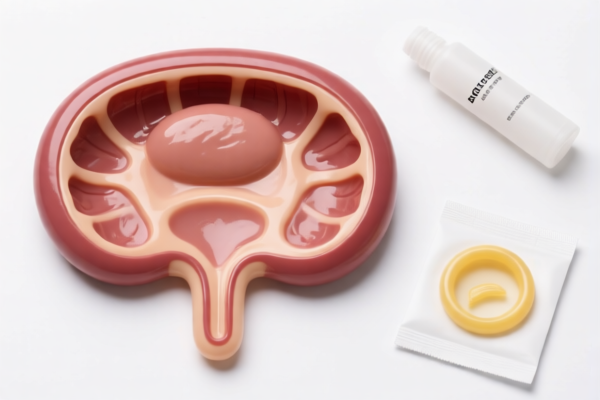
AI Analysis
🎈 Bladder Products (Inflatable & Rubber Membranes)
🌐 HS Code Reference & Customs Clearance Guide | 2026 Latest Tariff Analysis | Professional Classification Strategy
📌 I. Product Definition & Classification: What Exactly Are "Bladder Products"?
"Bladder Products" is a broad term in international trade, referring primarily to elastic, hollow rubber or plastic articles that are designed to expand when filled with air, liquid, or gas. In customs classification, these products are strictly differentiated by material (Rubber vs. Plastic) and function (Inflatable vs. Medical/Industrial).
Key Distinctions: 1. Vulcanized Rubber Bladders (HS 4016): Typically used for automotive inner tubes, large industrial airbags, marine fenders, or durable inflatable toys. Made from vulcanized rubber (non-hard rubber). 2. Plastic Inflatable Articles (HS 3926): Often includes pneumatic mattresses, inflatable toys, or non-rubber inflatable containers. Made from plastics (Headings 3901–3914). 3. Medical/Catheter Balloons (HS 9018): Specifically designed for medical use (e.g., Foley catheters, angioplasty balloons). These fall under medical instruments, not general rubber goods.
⚠️ Critical Classification Trap:
- Do NOT classify medical catheter balloons under general rubber goods (4016) or plastics (3926). They are medical devices (9018).
- Do NOT confuse "inflatable toys" with "hard rubber" articles. Hard rubber (ebonite) is excluded from 4016; these products must be vulcanized soft rubber.
📦 II. HS Code Classification Matrix (2026 Latest Tariff Authority)
| HS Code | Product Description | Applicable Scenario | Material Type |
|---|---|---|---|
4016.95.00.00 |
Inflatable articles of vulcanized rubber other than hard rubber | Automotive inner tubes, large inflatable rafts, air mattresses (rubber-based), industrial pneumatic bladders | 🟢 Vulcanized Rubber |
3926.90.75.00 |
Pneumatic mattresses and other inflatable articles, NESOI | Plastic air mattresses, inflatable pool toys, plastic air cushions, inflatable packaging | 🔵 Plastics (PVC/TPU/etc.) |
9018.39.00.20 |
Rubber catheters (Medical Use) | Foley catheters, drainage tubes with inflatable balloons, medical balloon dilation devices | 🔴 Medical Device |
9018.39.00.40 |
Other Bougies, catheters, drains, and sondes | Non-rubber medical catheters, specialized medical tubing with inflatable components | 🔴 Medical Device |
3926.90.21.00 |
Hot water bottles, douche bags, enema bags | Rubber/plastic hot water bottles, medical irrigation bags, nursing cushions | 🟡 Plastics/Rubber Hybrid |
4016.99.03.00 |
Rubber containers for packing/transporting | Rubberized cargo containers, industrial pneumatic containers, protective rubber bladders for packaging | 🟢 Vulcanized Rubber |
🔍 Key Insight:
- Medical vs. Industrial: If the "bladder" is part of a syringe, catheter, or medical drainage system, it must go to 9018.
- Rubber vs. Plastic: If it’s a standard inner tube, it’s 4016.95. If it’s a cheap plastic pool toy, it’s 3926.90.
- Hot Water Bottles: Often mistaken for general rubber goods, but specifically listed under 3926.90.21.00 if plastic/composite.
💰 III. 2026 Tariff Rate Breakdown (Detailed Tax Clauses)
✅ Applicable Jurisdiction: United States (US)
✅ Country of Origin: China (CN)
✅ Effective Date: 2025–2026 Tariff Regime
🎯 1. 4016.95.00.00 —— Inflatable Rubber Articles (e.g., Inner Tubes, Rubber Airbags)
| Item | Detail |
|---|---|
| Base Tariff | 0.0% (General Rate) |
| Section 301 Additional Tariff | 0.0% |
| Total Tax Rate | 0.0% |
| Tax Clause Detail | Base: 0.0% + Section 301: 0.0% |
| De Minimis Eligibility | ✅ Yes (if under $800, though rare for industrial rubber) |
| Legal Basis | HTSUS 4016.95.00.00 |
📌 Explanation:
- Most vulcanized rubber inflatable articles (like inner tubes) are exempt from the heavy Section 301 tariffs that affect other rubber goods.
- 0% Total Duty makes this a highly competitive classification for rubber-based bladders.
🎯 2. 3926.90.75.00 —— Plastic Inflatable Articles (e.g., Air Mattresses, Plastic Toys)
| Item | Detail |
|---|---|
| Base Tariff | 0.0% (General Rate) |
| Section 301 Additional Tariff | 0.0% |
| Total Tax Rate | 0.0% |
| Tax Clause Detail | Base: 0.0% + Section 301: 0.0% |
| De Minimis Eligibility | ✅ Yes (subject to US CBP de minimis rules) |
| Legal Basis | HTSUS 3926.90.75.00 |
📌 Explanation:
- Plastic inflatable goods (like PVC air beds) are also tariff-free under current US-China trade rules.
- This is a low-risk, zero-duty classification for plastic-based bladders.
🎯 3. 3926.90.21.00 —— Hot Water Bottles, Douche Bags, Enema Bags
| Item | Detail |
|---|---|
| Base Tariff | 4.2% |
| Section 301 Additional Tariff | 7.5% |
| Total Tax Rate | 11.7% |
| Tax Clause Detail | Base: 4.2% + Section 301: 7.5% |
| De Minimis Eligibility | ❌ No (Medical/personal care items often scrutinized) |
| Legal Basis | HTSUS 3926.90.21.00 |
📌 Explanation:
- Higher Duty Alert: These specific plastic rubber hybrids (hot water bottles, medical bags) are NOT exempt.
- 11.7% Total Duty applies to Chinese-origin goods.
- Ensure proper labeling as "Hot Water Bottle" or "Enema Bag" to avoid misclassification as general plastic goods (which might have different rates).
🎯 4. 9018.39.00.20 & 9018.39.00.40 —— Medical Catheters & Balloons
| Item | Detail |
|---|---|
| Base Tariff | 0.0% |
| Section 301 Additional Tariff | 0.0% |
| Total Tax Rate | 0.0% |
| Tax Clause Detail | Base: 0.0% + Section 301: 0.0% |
| De Minimis Eligibility | ✅ Yes (if for personal use/samples) |
| Legal Basis | HTSUS 9018.39.00.20 / 9018.39.00.40 |
📌 Explanation:
- Medical devices are generally duty-free under HTS 9018.
- CRITICAL: These items require FDA Registration and 510(k) Clearance before import. Duty is 0%, but regulatory compliance is mandatory.
- Misclassifying a medical catheter as a general rubber bladder (4016.95) will lead to FDA seizures and customs penalties.
🛠️ IV. Customs Clearance Practical Advice (Real-World Pitfall Avoidance)
✅ 1. Required Documentation Checklist
| Document | Mandatory? | Purpose |
|---|---|---|
| ✅ Product Specification Sheet | ✔️ | Must specify material (Vulcanized Rubber vs. Plastic vs. Silicone), size, and inflation method. |
| ✅ FDA Registration Letter | ✔️ (For HS 9018) | Essential for medical catheters/balloons. No FDA ID = Customs Hold. |
| ✅ Certificate of Analysis (COA) | ✔️ | For rubber/plastic bladders, proving vulcanization level and chemical composition. |
| ✅ Commercial Invoice | ✔️ | Clearly state: "Inflatable Rubber Bladder" or "Medical Catheter with Balloon". Avoid vague terms like "Bladder". |
| ✅ Packing List | ✔️ | Indicate quantity, weight, and dimensions. |
| ✅ Labeling & Packaging | ✔️ | Must include Country of Origin, Material Composition, and Intended Use (e.g., "For Medical Use Only"). |
✅ 2. Classification Strategy (Key Formulas)
🔥 “Material First, Function Second. Medical is Special.”
| Scenario | Correct HS Code | Why? |
|---|---|---|
| Rubber Inner Tube for Tire | 4016.95.00.00 |
Vulcanized rubber, inflatable, not hard rubber. |
| PVC Air Mattress | 3926.90.75.00 |
Plastic, inflatable, not specified elsewhere. |
| Medical Foley Catheter | 9018.39.00.20 |
Medical device, rubber catheter with balloon. |
| Hot Water Bottle (Rubber/Plastic) | 3926.90.21.00 |
Specifically listed subheading for hot water/douche bags. |
| Industrial Pneumatic Container | 4016.99.03.00 |
Rubber container for transporting merchandise. |
✅ 3. Special Handling Notes
| Situation | Recommendation |
|---|---|
| Medical vs. Non-Medical | If the bladder is for inflatable furniture (e.g., air sofa), use 3926.90.75.00 or 4016.95.00.00. If it’s for body insertion, it MUST be 9018. |
| Misclassification Risk | Do NOT classify a medical balloon as 4016.95.00.00 to avoid FDA scrutiny. The penalty for false medical device classification is severe. |
| Hot Water Bottles | Ensure they are labeled correctly. If labeled as "General Rubber Good," customs may reclassify to 4016.99 (which may have different rates or inspections). |
| De Minimis (Section 321) | If shipping individual units under $800, ensure the HS code is accurate. Medical items (9018) are still subject to FDA screening, even under de minimis. |
🌍 V. Global Market Comparison (2026)
| Country/Region | Recommended HS Code | Duty Rate (China Origin) | Key Certification |
|---|---|---|---|
| 🇺🇸 USA | 4016.95.00.00 / 3926.90.75.00 |
0% | FCC (if electronic), FDA (if medical) |
| 🇨🇳 China | 4016.95.00.00 / 3926.90.75.00 |
0% – 4% | CCC (if applicable) |
| 🇪🇺 EU | 4016.95.00.00 / 3926.90.75.00 |
0% – 1.7% | CE, REACH, RoHS |
| 🇬🇧 UK | 4016.95.00.00 / 3926.90.75.00 |
0% – 1.7% | UKCA, MHRA (if medical) |
| 🇯🇵 Japan | 4016.95.00.00 / 3926.90.75.00 |
0% – 2% | PSE, PMDA (if medical) |
📌 Conclusion:
- USA & China: Both offer 0% duty for most inflatable rubber/plastic bladders.
- EU & UK: Low duties, but strict chemical safety (REACH/RoHS) requirements.
- Medical Bladders: Globally, duty is low, but regulatory approval (FDA/CE) is the biggest barrier.
📌 VI. Common Mistakes & Pitfalls (Lessons Learned)
❌ Mistake 1: Classifying a Medical Catheter Balloon as 4016.95.00.00
👉 Consequence: FDA seizure, import ban, fines.
✅ Fix: Always use 9018 for medical devices.
❌ Mistake 2: Labeling a Plastic Air Mattress as "Rubber Good"
👉 Consequence: Customs may reclassify to a higher duty bracket or delay inspection.
✅ Fix: Be precise: "PVC Inflatable Mattress" → 3926.90.75.00.
❌ Mistake 3: Ignoring Hot Water Bottle Specificity
👉 Consequence: If labeled as "General Rubber Bag," it might miss the 3926.90.21.00 clause, leading to duty disputes.
✅ Fix: Use the exact description: "Hot Water Bottle" or "Enema Bag".
❌ Mistake 4: Assuming All Bladders are 0% Duty
👉 Consequence: 3926.90.21.00 has an 11.7% duty. Misclassification leads to back-taxes.
✅ Fix: Check the specific subheading for "Hot Water/Douche Bags."
🎯 VII. Conclusion: Precise Classification for Smooth Clearance
🎯 Remember the Golden Rule:
🔹 "Medical First (9018), Then Material (4016/3926). Be Specific, Avoid General Terms."
🔹 "Rubber Bladder = 4016.95 (0%). Plastic Inflatable = 3926.90.75 (0%). Hot Water Bag = 3926.90.21 (11.7%)."
📌 Pro Tip:
For medical bladder products, ensure your supplier has FDA Establishment Registration and Device Listing numbers. Without these, even a 0% duty item will be blocked at US Customs.
📣 Immediate Action:
📞 Verify Material: Rubber vs. Plastic vs. Silicone.
📞 Verify Use: Medical vs. Industrial vs. Consumer.
📞 Apply for Pre-Ruling: If unsure, request an HS Code Pre-Ruling from US CBP.
🚀 Clear Customs Faster, Avoid Penalties, Optimize Costs!
✨ Professional Classification Starts with Precision!
💼 Every Bladder Has a Code. Find Yours, Save Your Money.
Customer Reviews
About HS Code Classification
The Harmonized System (HS) is an internationally standardized nomenclature developed by the World Customs Organization (WCO) to classify traded products. Over 200 countries use the HS system as the basis for customs tariffs, trade statistics, and import/export regulations.
Each HS code follows a hierarchical structure:
- Chapter (2 digits) — Broad category of goods (e.g., Chapter 84: Machinery and Mechanical Appliances)
- Heading (4 digits) — More specific grouping within the chapter
- Subheading (6 digits) — Internationally standardized breakdown, used by all WCO member countries
- National subdivisions (8-10 digits) — Country-specific extensions for further classification, such as US HTSUS 10-digit codes
Correct HS code classification is essential for smooth customs clearance, accurate duty payment, and compliance with trade regulations. Misclassification can lead to customs delays, overpayment of duties, or penalties.
When importing from CN to US, the applicable tariff rates may include:
- Most-Favored-Nation (MFN) rate — The standard duty rate applied to WTO members
- General rate — Applied to countries without trade agreements
- Trade remedy duties — Additional tariffs such as Section 301 (anti-dumping), Section 232 (national security), or countervailing duties
The information provided on this page is for reference purposes only. For official classification, please consult with your local customs authority or a licensed customs broker.