Bladder granules membrane
CN → US| HS Code | Tariff Rate | Origin | Destination | Doc |
|---|---|---|---|---|
| 3822190080 | 10.0% | CN | US | Official Doc |
| 3002590000 | 10.0% | CN | US | Official Doc |
| 3002490050 | 10.0% | CN | US | Official Doc |
| 3001200000 | 10.0% | CN | US | Official Doc |
Product Images
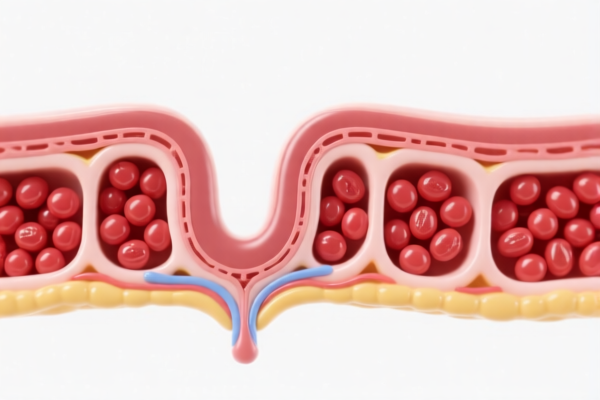
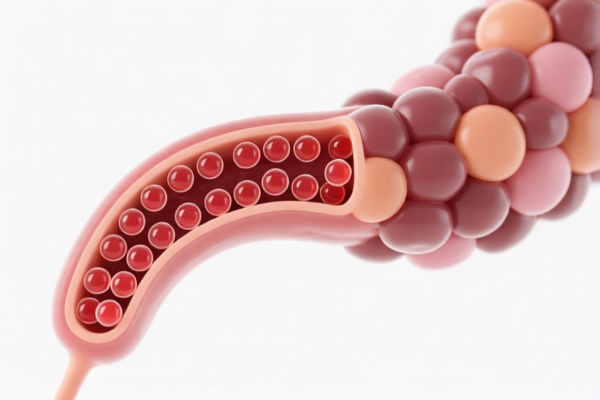
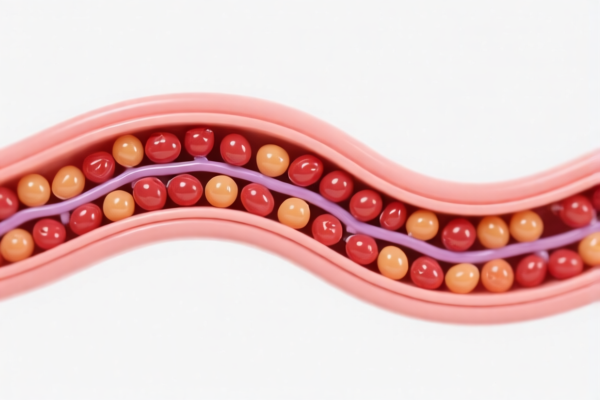
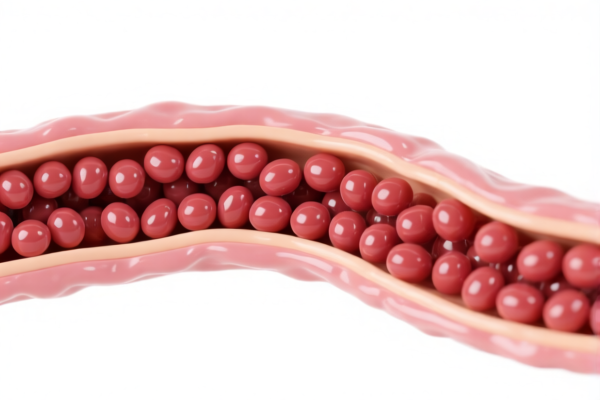
AI Analysis
🧬 Bladder Granules Membrane: HS Code Classification & U.S. Customs Clearance Guide 2026
🌐 HS Code Reference & Customs Strategy | 2026 Latest Tariff Analysis | Professional Entry Protocol
📌 I. Product Definition: What is "Bladder Granules Membrane"?
"Bladder Granules Membrane" is a biological product derived from the urinary bladder. In international trade, it is classified based on its source material (organ extract/cell culture) and its intended use (laboratory diagnostic or reagent).
Because biological materials can fall into multiple categories depending on precise composition and application, U.S. Customs and Border Protection (CBP) requires careful differentiation:
- Biological Reagents (3822): If used primarily for diagnostic testing or laboratory analysis.
- Cell Cultures/Microorganisms (3002): If containing live cells, microorganisms, or their derivatives for therapeutic or research purposes.
- Organ Extracts (3001): If processed as a specific extract from a gland or organ.
⚠️ Key Distinction Point:
- If the product is a diagnostic aid or laboratory reagent (not for human administration) → 3822.19.00.80
- If the product contains living cells or microorganism cultures → 3002.59.00.00
- If the product is a vaccine/toxin/microbial derivative → 3002.49.00.50
- If the product is a pure extract from organ tissue → 3001.20.00.00
📦 II. HS Code Classification Matrix (2026 Official Tariff Data)
| HS Code | Product Description | Applicability Scenario | Biological Characteristic |
|---|---|---|---|
3822.19.00.80 |
Diagnostic/Reagent Materials | Used in labs for bladder-related diagnostic tests | ✅ Laboratory Reagent / Biological Preparation |
3002.59.00.00 |
Cell Cultures & Derivatives | Contains bladder cell cultures or microbial components | ✅ Cell Culture / Microbial Component |
3002.49.00.50 |
Vaccines & Toxins | Derived from biological processes, vaccine/toxin-like | ✅ Biological Product / Vaccine/Toxin Category |
3001.20.00.00 |
Organ/Gland Extracts | Pure extract from bladder tissue or secretion | ✅ Organ Extract / Biological Tissue Derivative |
🔍 Critical Reminder:
- All four codes share the same tariff structure in this dataset: 10% Total Tax.
- The distinction lies in scientific accuracy and customs documentation. Misclassification can lead to delays, audits, or penalties.
- Do not combine these codes in a single line item if they represent different product types.
💰 III. 2026 Tariff Rate Breakdown (Including Additional Duties)
✅ Applicable Country: United States (US)
✅ Origin: China (CN) (Assumed based on dataset context)
✅ Effective Date: Current 2026 Tariff Structure
🎯 1. All Listed HS Codes: 3822.19.00.80, 3002.59.00.00, 3002.49.00.50, 3001.20.00.00
| Item | Detail |
|---|---|
| Base Tariff Rate | 0.0% (Ad Valorem) |
| Section 301 / Additional Duties | 0.0% (No additional 301 tariffs for these specific biological codes) |
| Section 122 Tariff (122条款) | 10.0% |
| Total Tax Rate | 10.0% |
| Tax Calculation Basis | CIF Value × 10% |
| De Minimis Exemption | ❌ Not Eligible (Biological products are generally excluded from de minimis thresholds) |
| Legal Basis Path | 122条款:10% → HS Code Specific Entry |
📌 Explanation of "122条款 Tariff 10%":
- This refers to a specific additional tariff provision (referred to in the dataset as "122条款").
- Unlike Section 301 tariffs (which often apply at 25%), this 10% rate is applied uniformly across the four provided HS codes.
- Total Duty is 10%, significantly lower than high-tech or manufacturing goods, but still a substantial cost for low-value biological samples.
🛠️ IV. Customs Clearance Practical Advice (Avoiding Pitfalls)
✅ 1. Required Documentation Checklist
| Document | Mandatory? | Description |
|---|---|---|
| ✅ Product Specification Sheet | ✔️ | Must detail: Source (bladder), Processing Method (granules/membrane), Intended Use (Lab/Diagnostic/Research). |
| ✅ Certificate of Origin (CO) | ✔️ | Required to verify origin for tariff calculation. |
| ✅ FDA Prior Notice / Import Alert Compliance | ✔️ | Biological products may require FDA clearance or be subject to Import Alert 99-40 (Biological Materials). |
| ✅ Letter of Authorization (LoA) | ✔️ | From the consignee, confirming the product is for legitimate laboratory/medical use. |
| ✅ Commercial Invoice | ✔️ | Must clearly state the HS Code and description: e.g., "Bladder Cell Extract for Laboratory Research." |
| ✅ Packing List | ✔️ | Include preservation method (e.g., dry ice, liquid nitrogen) if applicable. |
✅ 2. Declaration Tips (Key Mnemonic)
🔥 “Accurate Name, Clear Purpose, 10% Flat, No Surprise!”
| Scenario | Correct Declaration | Incorrect Declaration | Consequence |
|---|---|---|---|
| For Lab Testing | 3822.19.00.80 |
"Biological Sample" (Vague) | Customs may classify incorrectly, causing delays. |
| For Cell Culture | 3002.59.00.00 |
"Medical Device" | Penalty for misclassification; potential FDA hold. |
| For Organ Extract | 3001.20.00.00 |
"Supplement" | Illegal if not approved as supplement; risk of seizure. |
| For Vaccine-like | 3002.49.00.50 |
"Cosmetic" | High risk of rejection; violates FDA/Biologics laws. |
⚠️ Warning:
- Never declare biological materials as "Gifts" or "Samples" to avoid taxes.
- Ensure the intended use is explicitly stated in the invoice and supporting docs.
🌍 V. Global Market Comparison (2026 Update)
| Country/Region | Recommended HS Code | Tariff Rate | Notes |
|---|---|---|---|
| 🇺🇸 USA | 3822.19.00.80 / 3002.* |
10.0% (122 Clause) | Strict FDA/Biologics regulations apply. |
| 🇨🇳 China (Import) | 3822 / 3002 |
Varies by agreement | Preferential rates may apply under RCEP or other FTAs. |
| 🇪🇺 EU | 3002 / 3822 |
0% - 4.5% | No additional 122-like tariffs; CE/FDA equivalence may be needed. |
| 🇯🇵 Japan | 3002 / 3822 |
0% - 3.2% | PMDA approval required for certain biologicals. |
📌 Conclusion:
- The 10% tariff is unique to the provided U.S. dataset ("122条款").
- Other markets may have lower or zero tariffs for similar biological reagents.
- Always check FDA/Biologics regulations before shipping, as customs may hold shipments for regulatory compliance.
📌 VI. Common Mistakes & Pitfalls (Lessons Learned)
❌ Mistake 1: Using generic terms like "Bio-sample" without specifying origin or use.
👉 Consequence: Customs assigns a default HS Code with higher duties or delays for inspection.
❌ Mistake 2: Confusing "Lab Reagent" (3822) with "Medical Device" (9018).
👉 Consequence: Misclassification leads to incorrect duty payment (9018 may have different rates).
❌ Mistake 3: Ignoring "122 Clause" tariff in cost calculation.
👉 Consequence: Unexpected 10% cost increase, eroding profit margins.
❌ Mistake 4: Failing to provide FDA/Biologics compliance documentation.
👉 Consequence: Shipment held at port for weeks; potential destruction or return.
✅ Correct Practice:
"Bladder Granules Membrane, Laboratory Reagent for Diagnostic Testing, Packaged in Sterile Container, HS Code: 3822.19.00.80, Origin: China"
🎯 VII. Final Summary: Precision Drives Profit
🎯 Remember:
🔹 "10% Flat Tax on Bio-Products" – But only if classified correctly.
🔹 "Use 3822 for Lab Reagents, 3002 for Cells/Organs" – Clarity saves time.
🔹 "122 Clause Applies" – Budget for the extra 10%.
📌 Pro Tip:
- If the product is for human therapeutic use, it may be classified as a Drug (Chapter 30, heading 3004/3006) with different regulatory requirements.
- If for Research Only, stick to 3822 or 3002 with "Not for Human Use" clearly marked.
📣 Immediate Action:
📞 Contact your customs broker with the exact product specification sheet.
🚀 Apply for an Advance Ruling (CBP Form 5558) if the volume is high, to lock in the correct HS Code and 10% rate.
✅ Ensure FDA compliance – Biological materials are heavily scrutinized.
✨ Professional Clearance Starts with Accurate Classification!
💼 Your Biological Shipment, Handled with Expertise and Compliance!
Customer Reviews
About HS Code Classification
The Harmonized System (HS) is an internationally standardized nomenclature developed by the World Customs Organization (WCO) to classify traded products. Over 200 countries use the HS system as the basis for customs tariffs, trade statistics, and import/export regulations.
Each HS code follows a hierarchical structure:
- Chapter (2 digits) — Broad category of goods (e.g., Chapter 84: Machinery and Mechanical Appliances)
- Heading (4 digits) — More specific grouping within the chapter
- Subheading (6 digits) — Internationally standardized breakdown, used by all WCO member countries
- National subdivisions (8-10 digits) — Country-specific extensions for further classification, such as US HTSUS 10-digit codes
Correct HS code classification is essential for smooth customs clearance, accurate duty payment, and compliance with trade regulations. Misclassification can lead to customs delays, overpayment of duties, or penalties.
When importing from CN to US, the applicable tariff rates may include:
- Most-Favored-Nation (MFN) rate — The standard duty rate applied to WTO members
- General rate — Applied to countries without trade agreements
- Trade remedy duties — Additional tariffs such as Section 301 (anti-dumping), Section 232 (national security), or countervailing duties
The information provided on this page is for reference purposes only. For official classification, please consult with your local customs authority or a licensed customs broker.