Bladder membrane
CN → US| HS Code | Tariff Rate | Origin | Destination | Doc |
|---|---|---|---|---|
| 3822190080 | 10.0% | CN | US | Official Doc |
| 3002590000 | 10.0% | CN | US | Official Doc |
| 3002490050 | 10.0% | CN | US | Official Doc |
| 3001200000 | 10.0% | CN | US | Official Doc |
Product Images
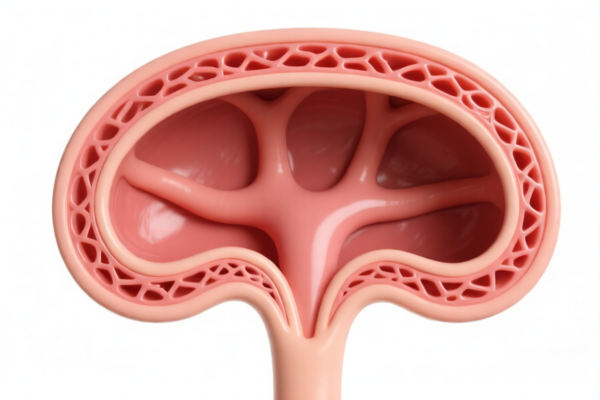
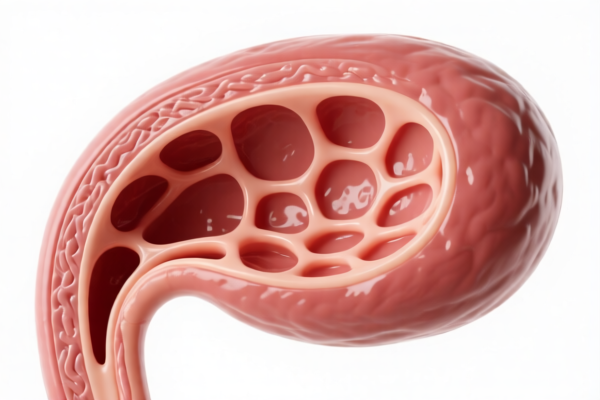
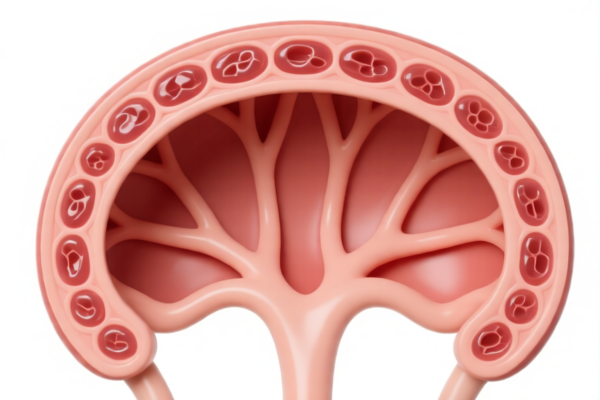
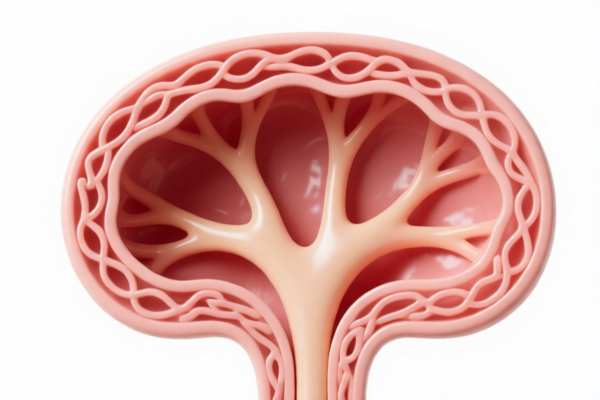
AI Analysis
🧬 Bladder Membrane (Biological Materials & Reagents)
🌐 HS Code Reference & Customs Clearance Guide | 2026 Latest Tariff Analysis | Professional Bio-Import Strategy
📌 I. Product Definition & Classification: What Exactly is a "Bladder Membrane"?
In the context of international trade and biological sciences, "Bladder Membrane" typically refers to biological tissues, extracts, or cultured cells derived from the urinary bladder of mammals (commonly swine or bovine). It is primarily used in: 1. Laboratory Reagents: As a substrate for cell culture, enzymatic assays, or diagnostic tests. 2. Biologics/Vaccines: As a carrier material, preservative, or component in vaccine formulations. 3. Extracts: As a source of proteins (e.g., collagen, glycosaminoglycans) for pharmaceutical or research purposes.
⚠️ Key Distinction:
- If it is a raw, untreated tissue intended for specific organ functions → May fall under Chapter 30 (Pharmaceuticals).
- If it is a prepared reagent for diagnostic or laboratory testing → Falls under Chapter 38 (Miscellaneous Chemical Products).
- If it is cultured cells/microorganisms → Falls under Chapter 30, Heading 3002 (Human/Animal Blood Preparations & Immunological/Veterinary Products).
📦 II. HS Code Classification Details (2026 Latest Tariff Authority Cross-Reference)
Based on the provided data, here are the four possible HS Codes for "Bladder Membrane" depending on its exact processing state and intended use:
| HS Code | Product Description | Application Scenario | Key Classification Feature |
|---|---|---|---|
3822.19.00.80 |
Biological Preparations / Laboratory Reagents | Diagnostic kits, lab test substrates, enzyme preparations | Diagnos/Lab Use: Meets attributes for diagnostic or laboratory reagents made of biological material. |
3002.59.00.00 |
Biological Membranes / Cell Cultures | Live cell cultures, microbial cultures, bio-membranes for research | Cell/Microbial Culture: Contains biological components like cell cultures or microbial entities. |
3002.49.00.50 |
Biological Products (Vaccines/Toxins/Microbes) | Vaccine components, toxin extracts, microbial culture media | Biological Product: Fits under vaccines, toxins, and microbial culture categories. |
3001.20.00.00 |
Organ Secretions & Tissue Extracts | Raw bladder tissue extracts, glandular extracts, organ preparations | Organ Extract: Fits the form of glandular or other organ/tissue extracts (biological morphology). |
🔍 Critical Note:
-3822.19.00.80is chosen when the membrane is processed specifically as a lab/diagnostic reagent.
-3002.59.00.00applies if it is a living cell culture or membrane preparation involving active biological components.
-3002.49.00.50is for broader biological products including vaccines or toxins derived from or related to such tissues.
-3001.20.00.00is for raw or minimally processed extracts from the organ (bladder) itself.
💰 III. 2026 Latest Tariff Rate Breakdown (Including Additional Taxes & Policies)
✅ Applicable Country: United States (US)
✅ Origin: China (CN)
✅ Effective Date: From November 10, 2025 (including subsequent imports)
🎯 1. 3822.19.00.80 —— Biological Laboratory Reagents
| Item | Content |
|---|---|
| Base Tariff | 0% (ad valorem) |
| Section 301 Tariff (USITC) | +0% (No additional 25% tariff for this specific subheading under current Section 301 lists) |
| Section 122 Tariff | +10% (Specific 122-Clause surcharge for Chinese biological/lab materials) |
| Total Tariff Rate | 10% |
| Tax Calculation | CIF Value × 10% |
| De Minimis Eligibility | ❌ Not Eligible (deny_de_minimis applies to Section 122 goods) |
| Legal Basis Path | Section 122: 10% → HS: 3822.19.00.80 |
📌 Explanation:
- The Base Tariff is 0%, meaning the primary cost driver is the Section 122 surcharge of 10%.
- Unlike some electronics or steel products, biological lab reagents do not currently face the 25% Section 301 tariff, but Section 122 still applies strictly.
- Total Cost Impact: 10% of the declared value.
🎯 2. 3002.59.00.00 —— Biological Membranes / Cell Cultures
| Item | Content |
|---|---|
| Base Tariff | 0% (ad valorem) |
| Section 301 Tariff (USITC) | +0% |
| Section 122 Tariff | +10% |
| Total Tariff Rate | 10% |
| Tax Calculation | CIF Value × 10% |
| De Minimis Eligibility | ❌ Not Eligible |
| Legal Basis Path | Section 122: 10% → HS: 3002.59.00.00 |
📌 Note:
- Similar to lab reagents, biological membranes/cultures are subject to the 10% Section 122 tariff.
- No additional 25% tariff applies here.
- Total Cost Impact: 10% of the declared value.
🎯 3. 3002.49.00.50 —— Biological Products (Vaccines/Toxins/Microbes)
| Item | Content |
|---|---|
| Base Tariff | 0% (ad valorem) |
| Section 301 Tariff (USITC) | +0% |
| Section 122 Tariff | +10% |
| Total Tariff Rate | 10% |
| Tax Calculation | CIF Value × 10% |
| De Minimis Eligibility | ❌ Not Eligible |
| Legal Basis Path | Section 122: 10% → HS: 3002.49.00.50 |
📌 Note:
- This category covers broader biological products.
- The 10% Section 122 tariff is the sole additional duty.
- Total Cost Impact: 10% of the declared value.
🎯 4. 3001.20.00.00 —— Organ Secretions & Tissue Extracts
| Item | Content |
|---|---|
| Base Tariff | 0% (ad valorem) |
| Section 301 Tariff (USITC) | +0% |
| Section 122 Tariff | +10% |
| Total Tariff Rate | 10% |
| Tax Calculation | CIF Value × 10% |
| De Minimis Eligibility | ❌ Not Eligible |
| Legal Basis Path | Section 122: 10% → HS: 3001.20.00.00 |
📌 Note:
- Raw or extracted organ tissues fall under this heading.
- Still subject to the 10% Section 122 tariff.
- Total Cost Impact: 10% of the declared value.
🛠️ IV. Customs Clearance Practical Advice (Real-World Pitfall Guide)
✅ 1. Required Documentation List (Mandatory)
| Document | Required | Description |
|---|---|---|
| ✅ Product Specification Sheet | ✔️ | Detailed composition, source animal (e.g., porcine bladder), processing method (raw, extracted, cultured). |
| ✅ Certificate of Free Sale / GMP | ✔️ | If used for medical/pharma purposes, proves quality standards. |
| ✅ Animal Health Certificate | ✔️ | Crucial for Chapter 30/38 bio-materials. Must confirm no transmissible spongiform encephalopathy (TSE/BSE) risks. |
| ✅ Commercial Invoice | ✔️ | Must clearly state "Bladder Membrane" or "Biological Extract" and HS Code. |
| ✅ Packing List | ✔️ | List all items, ensuring no prohibited materials are mixed. |
| ✅ FDA Prior Notice (if applicable) | ✔️ | If the product falls under FDA jurisdiction (e.g., biological reagents for human use), prior notice is mandatory. |
✅ 2. Declaration Tips (Key Mantra)
🔥 "Be Specific, Prove Origin, Pass Health Check!"
| Scenario | Correct Declaration | Incorrect Practice |
|---|---|---|
| Lab Reagent | 3822.19.00.80 |
Declare as "Generic Chemical" → Risk of misclassification & audit. |
| Cell Culture | 3002.59.00.00 |
Declare as "General Biological Sample" → May be held for testing. |
| Organ Extract | 3001.20.00.00 |
Declare as "Raw Meat" → Illegal/Prohibited without proper pharma labeling. |
| Vaccine Component | 3002.49.00.50 |
Declare as "Supplement" → Triggers FDA scrutiny. |
✅ 3. Special Circumstances Handling
| Situation | Handling Advice |
|---|---|
| TSE/BSE Risk | Ensure the source animal (e.g., pig, cow) is from a region approved by USDA/APHIS. Provide a TSE/BSE Declaration. |
| Human vs. Animal Origin | Clearly state the species. Human-derived materials require FDA Import Alert compliance and may be banned. |
| Dried vs. Fresh | Dried membranes are easier to classify under Chapter 38. Fresh tissues may face stricter quarantine rules. |
| Section 122 Applicability | All listed HS Codes are subject to 10% Section 122. Ensure your cost structure accounts for this fixed surcharge. |
🌍 V. Global Market Comparison (2026 Latest)
| Country/Region | Recommended HS Code | Tariff | Certification Requirements | Notes |
|---|---|---|---|---|
| 🇺🇸 USA | See Above | 10% (Section 122) | FDA Prior Notice, USDA Health Cert | No Section 301 (25%) for these bio-items, but Section 122 is strict. |
| 🇨🇳 China | Similar Codes | Variable | NMPA Registration | Import controls on biological materials are strict. |
| 🇪🇺 EU | 3822.19.00 / 3002.xx | 0% - 6% | REACH, CE (if devices), GMP | Stricter on animal by-products (ABR regulations). |
| 🇯🇵 Japan | Similar Codes | 0% - 5% | Pharmaceuticals and Medical Devices Act (PMDA) | Requires rigorous safety data. |
📌 Conclusion:
- The US market imposes a flat 10% additional tariff on these biological categories via Section 122.
- No higher 25% tariff applies, making these items more favorable than electronics or steel.
- Compliance burden is high due to health and safety regulations (USDA/FDA), not just tariffs.
📌 VI. Common Mistakes & Pitfalls (Lessons Learned)
❌ Mistake 1: Declaring "Bladder Membrane" as "Leather" or "Tanned Hides"
👉 Consequence: Misclassification → Seizure & Fines (Chapter 41 vs 30/38).
❌ Mistake 2: Ignoring TSE/BSE Declaration for Bovine/Porcine Materials
👉 Consequence: Hold at Border for weeks → Perishable Goods Spoiled → Total Loss.
❌ Mistake 3: Under-declaring Value to Avoid 10% Duty
👉 Consequence: Audited & Penalized + Interest. Section 122 is strictly enforced.
❌ Mistake 4: Confusing "Lab Reagent" (Ch 38) with "Pharmaceutical" (Ch 30)
👉 Consequence: Incorrect HS Code → Delays in FDA/Customs review.
✅ Correct Approach:
"Porcine Bladder Membrane, Dried, Processed for Laboratory Cell Culture Use, TSE/BSE-Free, Model BM-100, FDA Prior Notice Filed"
🎯 VII. Conclusion: Professional Declaration Saves Time & Money!
🎯 Remember the Mantra:
🔹 "10% Section 122 is fixed, Health Certs are key, HS Code determines the path!"
🔹 "Don't call it leather, call it bio, pass the USDA check, stay on track!"
📌 Pro Tip:
If your bladder membrane is cultured (Chapter 3002) or extracted (Chapter 3001), ensure your Certificate of Analysis (CoA) explicitly states it is not for human consumption unless you have FDA Drug Approval. For lab use, declare strictly as "Laboratory Biological Reagent" to justify 3822.19.00.80.
📣 Immediate Action:
📞 Contact a Bio-Compliance Specialist + Provide Animal Source Docs + File FDA Prior Notice
🚀 Clear Customs Smoothly, Avoid 10% Surcharge Shocks, Ensure Compliance!
✨ Precise Classification Starts Here!
💼 Every 10% Counts in Bio-Trade!
Customer Reviews
About HS Code Classification
The Harmonized System (HS) is an internationally standardized nomenclature developed by the World Customs Organization (WCO) to classify traded products. Over 200 countries use the HS system as the basis for customs tariffs, trade statistics, and import/export regulations.
Each HS code follows a hierarchical structure:
- Chapter (2 digits) — Broad category of goods (e.g., Chapter 84: Machinery and Mechanical Appliances)
- Heading (4 digits) — More specific grouping within the chapter
- Subheading (6 digits) — Internationally standardized breakdown, used by all WCO member countries
- National subdivisions (8-10 digits) — Country-specific extensions for further classification, such as US HTSUS 10-digit codes
Correct HS code classification is essential for smooth customs clearance, accurate duty payment, and compliance with trade regulations. Misclassification can lead to customs delays, overpayment of duties, or penalties.
When importing from CN to US, the applicable tariff rates may include:
- Most-Favored-Nation (MFN) rate — The standard duty rate applied to WTO members
- General rate — Applied to countries without trade agreements
- Trade remedy duties — Additional tariffs such as Section 301 (anti-dumping), Section 232 (national security), or countervailing duties
The information provided on this page is for reference purposes only. For official classification, please consult with your local customs authority or a licensed customs broker.