Blade
CN → US| HS Code | Tariff Rate | Origin | Destination | Doc |
|---|---|---|---|---|
| 8208100060 | 35.0% | CN | US | Official Doc |
| 8211941000 | 0.0% | CN | US | Official Doc |
| 8208906000 | 35.0% | CN | US | Official Doc |
| 8212200010 | 17.5% | CN | US | Official Doc |
| 8211945000 | 0.0% | CN | US | Official Doc |
Product Images
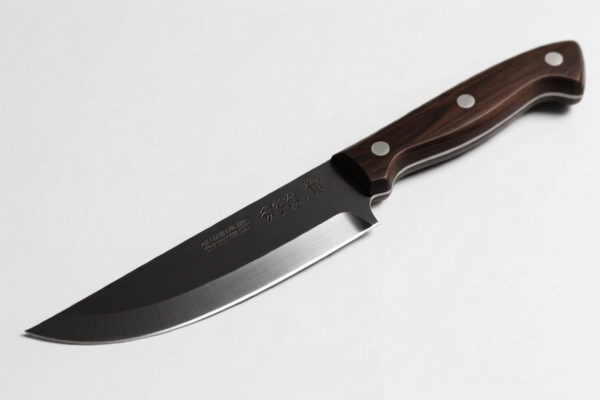
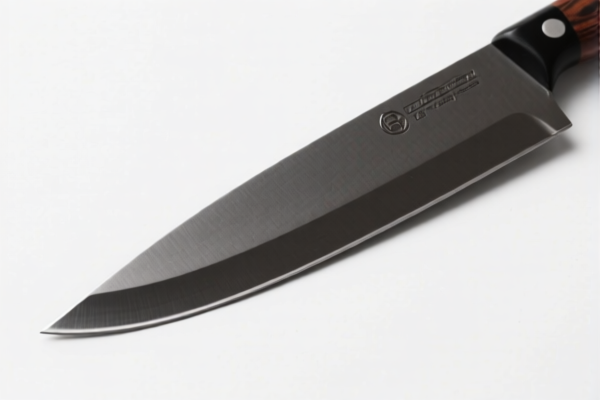
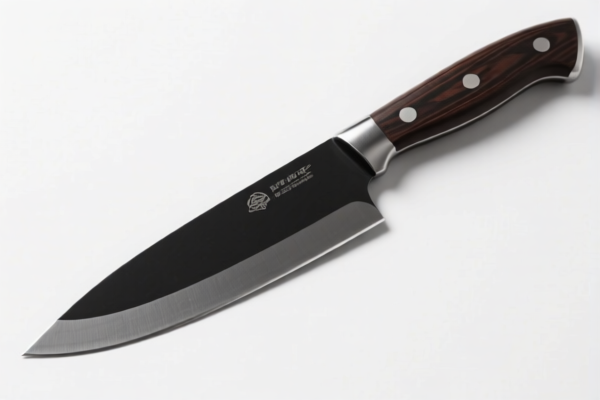

AI Analysis
🔪 Blades (Cutting Edges & Razor Blades)
🌐 HS Code Reference & Customs Clearance Guide | 2026 Latest Tariff Analysis | Professional通关 Strategy
📌 I. Product Definition & Classification: Do You Really Know "Blades"?
"Blades" is a generic term that encompasses a wide range of cutting tools, from industrial machining inserts to consumer razor blades. In international trade, the classification depends heavily on the material, specific use, and form of the blade. Misclassification can lead to significant duty discrepancies, especially given the high additional tariffs applied to Chinese-origin goods under Section 301 and IEEPA.
⚠️ Key Distinction Points: - Industrial/General Purpose Blades: Metal cutting edges, inserts, or blades not specifically for shaving or hand tools → Typically classified under Chapter 82 (Tools/Blades). - Razor Blades: Specifically designed for personal grooming → Classified under 8212 (Razors/Razor Blades). - Material Inference: Unless specified otherwise, most "blades" in these contexts are inferred as Metal (steel/carbon steel) based on common commercial definitions.
📦 II. HS Code Classification Details (2026 Latest Tariff Authority Comparison)
| HS Code | Product Description | Summary/Reasoning | Base Tax Rate | Additional Taxes (Section 301/122) | Total Effective Rate |
|---|---|---|---|---|---|
8208.10.00.60 |
Blades (Metal cutting edges/inserts) | Matches form "Blades/Cutting Edges"; inferred as metal. | 0.0% | Add'l: 25.0%, Sec 122: 10% | 35.0% |
8211.94.10.00 |
Other Knives/Blades (Non-handheld) | Exact match for "Blades" form; inferred as base metal. | 0.16¢ each + 2.2% | Add'l: 25.0%, Sec 122: 10% | 35.0% + Fixed Fee |
8208.90.60.00 |
Other Blades (Miscellaneous Metal) | Fits "Tools/Blades" usage; inferred as metal. | 0.0% | Add'l: 25.0%, Sec 122: 10% | 35.0% |
8212.20.00.10 |
Razor Blades | Specifically "Shaving Blades"; inferred as metal. | 0.0% | Add'l: 7.5%, Sec 122: 10% | 17.5% |
8211.94.50.00 |
Other Knives/Blades (Specific Category) | Matches "Leaves/Blades" form; typically base metal. | 1¢ each + 5.4% | Add'l: 25.0%, Sec 122: 10% | 35.0% + Fixed Fee |
🔍 Key Insight: - Razor Blades (
8212.20.00.10) enjoy a significantly lower total tariff (17.5%) compared to general industrial blades (35.0%). - Industrial/General Blades (8208.10.00.60,8208.90.60.00,8211.94.10.00,8211.94.50.00) are subject to higher duties due to Section 301 (25%) and Section 122 (10%) tariffs. - Some codes (8211.94.10.00,8211.94.50.00) include a per-unit fee (e.g., 0.16¢/ea or 1¢/ea) on top of the ad valorem rate.
💰 III. 2026 Latest Tariff Rate Details (Including Additional Taxes)
✅ Applicable Country: United States (US)
✅ Country of Origin: China (CN)
✅ Effective Date: Current rates apply as of 2025/2026
🎯 1. General Industrial Blades (Codes: 8208.10.00.60, 8208.90.60.00)
For metal cutting inserts, industrial blades, and similar tools.
| Item | Content |
|---|---|
| Base Tariff | 0.0% |
| Section 301 Additional Tariff | +25.0% |
| Section 122 Tariff | +10.0% |
| Total Effective Rate | 35.0% |
| Tax Calculation | CIF Value × 35% |
| De Minimis Eligibility | ❌ No (High tax rates exceed de minimis thresholds for practical benefit) |
📌 Explanation: - These codes fall under Chapter 82 (Tools, Implements, Cutlery). - The 25% is the standard Section 301 duty on Chinese goods in this category. - The 10% is an additional levy under Section 122 (often related to specific steel/aluminum or broad tariff actions depending on the specific ruling period). - Total 35% is a substantial cost driver. Ensure your HS Code exactly matches the use and form to avoid penalties.
🎯 2. Other Metal Blades with Unit Fees (Codes: 8211.94.10.00, 8211.94.50.00)
For specific knife/blade categories that may have per-unit components.
| Item | Content |
|---|---|
| Base Tariff | 0.16¢ each + 2.2% (for 8211.94.10.00) OR 1¢ each + 5.4% (for 8211.94.50.00) |
| Section 301 Additional Tariff | +25.0% |
| Section 122 Tariff | +10.0% |
| Total Effective Rate | 35.0% + Unit Fee |
| Tax Calculation | (CIF Value × 35%) + (Quantity × Unit Fee) |
| De Minimis Eligibility | ❌ No |
📌 Explanation: - These codes involve mixed valuation: a percentage of value plus a fixed fee per item. - The 25% + 10% additions still apply, leading to the same 35% ad valorem total. - Warning: For high-volume, low-value blades, the unit fee can significantly increase the total duty cost.
🎯 3. Razor Blades (8212.20.00.10)
For personal care shavemakers.
| Item | Content |
|---|---|
| Base Tariff | 0.0% |
| Section 301 Additional Tariff | +7.5% (Note: Lower rate for this specific subcategory) |
| Section 122 Tariff | +10.0% |
| Total Effective Rate | 17.5% |
| Tax Calculation | CIF Value × 17.5% |
| De Minimis Eligibility | ❌ No (But lower burden makes it more manageable) |
📌 Explanation: - This is the most favorable tariff rate among the listed options. - Razor blades are classified under 8212, which has different Section 301 rates compared to general cutting blades (8208/8211). - If your product can be legitimately classified as a razor blade, you can save 17.5% in duties compared to industrial blades.
🛠️ IV. Customs Clearance Practical Advice (Real-World Pitfall Guide)
✅ 1. Documentation Checklist (Non-Negotiable)
| Document | Required? | Explanation |
|---|---|---|
| ✅ Product Specification Sheet | ✔️ | Must clearly define: Material (Metal), Use (Industrial vs. Personal), and Form (Insert vs. Blade). |
| ✅ Product Photos | ✔️ | Clear images showing the blade type, packaging, and any markings. Crucial for distinguishing between razor blades and industrial inserts. |
| ✅ Commercial Invoice | ✔️ | Must explicitly state "Blades" and the specific HS Code. Avoid vague terms like "Cutting Parts." |
| ✅ Origin Certificate | ✔️ | Proof of Chinese origin is critical for applying Section 301/122 tariffs correctly. |
| ✅ Material Declaration | ✔️ | Confirm if the blade is steel, carbide, or other metal. Inference of "metal" is standard for Chapter 82. |
✅ 2. Declaration Strategy (Key Mantra)
🔥 "Specify Use, Define Material, Avoid Vague Terms!"
| Scenario | Correct Declaration | Wrong Approach |
|---|---|---|
| Industrial Cutting Inserts | 8208.10.00.60 - "Metal Cutting Inserts for Machinery" |
"Blades" (Too vague) |
| Shaver Blades | 8212.20.00.10 - "Razor Blades for Personal Use" |
"Metal Blades" (Could be misclassified as industrial) |
| General Knives/Blades | 8211.94.10.00 - "Other Blades, Metal" |
"Cutting Tools" (May trigger different codes) |
| Mixed Pack | Separate HS Codes for Razor vs. Industrial | Single line item for "Assorted Blades" → High Risk of Audit |
✅ 3. Special Handling Notes
| Situation | Handling Advice |
|---|---|
| OEM/OBN Blades | Provide customer PO and design specs to prove intended use (e.g., "for use in Model X CNC Machine"). |
| Razor Blades in Bulk | Ensure they are clearly marked as "for personal care" to qualify for 8212.20.00.10 (17.5%). |
| Industrial Blade Components | If part of a larger machine, consult if they can be classified as machine parts (8466.93), but often blades retain their own Chapter 82 classification. |
| Section 122 Impact | Be aware that the 10% Section 122 tariff applies to most of these codes, significantly increasing costs. Factor this into your pricing model. |
🌍 V. Global Market Comparison (2026 Update)
| Country/Region | Recommended HS Code | Approx. Tariff (China Origin) | Remarks |
|---|---|---|---|
| 🇺🇸 USA | 8208.10.00.60 / 8212.20.00.10 |
35% (Industrial) / 17.5% (Razor) | High additional tariffs (Section 301 + 122). |
| 🇨🇳 China | 8208.10.00.60 / 8212.20.00.10 |
~0-5% | No additional US-style tariffs. |
| 🇪🇺 EU | 8208.10.00 / 8212.20.00 |
~5-14% | No Section 301 equivalent, but CE marking may be required for some tools. |
| 🇬🇧 UK | 8208.10.00 / 8212.20.00 |
~5-14% | Post-Brexit tariffs apply; no Section 301. |
| 🇻🇳 Vietnam | 8208.10.00 / 8212.20.00 |
0% (if eligible for preferential agreements) | Potential for lower tariffs via FTAs (e.g., EVFTA). |
📌 Conclusion: - The US market imposes the highest burden on Chinese blade imports due to Section 301 (25%) and Section 122 (10%). - Razor Blades are significantly cheaper to import into the US (17.5%) than industrial blades (35%). - Consider supply chain diversification (e.g., Vietnam, Mexico) if targeting the US market for high-volume industrial blades to avoid these additional tariffs.
📌 VI. Common Errors & Pitfall Guide (Lessons Learned)
❌ Error 1: Declaring "Industrial Blades" as "Razor Blades" (8212.20.00.10)
👉 Consequence: Customs may reject the classification, leading to reclassification to 35% duty + fines.
👉 Fix: Provide clear usage documentation and product photos.
❌ Error 2: Ignoring the 10% Section 122 Tariff 👉 Consequence: Underestimating landed cost by 10%, leading to profit loss. 👉 Fix: Always calculate Base + Section 301 + Section 122 for US imports.
❌ Error 3: Vague Description "Metal Blade" 👉 Consequence: Customs may question the exact HS Code, causing delays or audits. 👉 Fix: Use specific terms: "Carbide Insert for CNC," "Stainless Steel Razor Blade," etc.
✅ Correct Approach:
"Stainless Steel Razor Blades, for personal use, Model XYZ, Made in China" →
8212.20.00.10"Carbide Cutting Inserts, for Industrial Milling Machine, Model ABC, Made in China" →8208.10.00.60
🎯 VII. Conclusion: Precise Classification, Cost Control, and Smooth Clearance!
🎯 Remember the Mantra:
🔹 "Razor Blades: 17.5%, Industrial: 35%!" 🔹 "Don't forget the 10% Section 122!" 🔹 "Specific Use Defines Your HS Code!"
📌 Pro Tip: If you are importing high-volume industrial blades into the US, consider: 1. Pre-ruling: Request a binding ruling from CBP to confirm the correct HS Code. 2. Supply Chain Check: Evaluate if sourcing from countries not subject to Section 301/122 (e.g., Vietnam, Thailand) reduces your total duty burden. 3. Product Differentiation: If possible, design products to fit into lower-tariff subcategories (e.g., ensuring they are clearly not industrial cutting tools if they can be classified otherwise).
📣 Immediate Action:
📞 Contact a Customs Broker + Provide Product Specs + Verify HS Code 🚀 Ensure Smooth Customs Clearance, Control Costs, and Maximize Profits!
✨ Professional Clearance Starts with Accurate Classification!
💼 Every Cent of Duty Counts!
Customer Reviews
About HS Code Classification
The Harmonized System (HS) is an internationally standardized nomenclature developed by the World Customs Organization (WCO) to classify traded products. Over 200 countries use the HS system as the basis for customs tariffs, trade statistics, and import/export regulations.
Each HS code follows a hierarchical structure:
- Chapter (2 digits) — Broad category of goods (e.g., Chapter 84: Machinery and Mechanical Appliances)
- Heading (4 digits) — More specific grouping within the chapter
- Subheading (6 digits) — Internationally standardized breakdown, used by all WCO member countries
- National subdivisions (8-10 digits) — Country-specific extensions for further classification, such as US HTSUS 10-digit codes
Correct HS code classification is essential for smooth customs clearance, accurate duty payment, and compliance with trade regulations. Misclassification can lead to customs delays, overpayment of duties, or penalties.
When importing from CN to US, the applicable tariff rates may include:
- Most-Favored-Nation (MFN) rate — The standard duty rate applied to WTO members
- General rate — Applied to countries without trade agreements
- Trade remedy duties — Additional tariffs such as Section 301 (anti-dumping), Section 232 (national security), or countervailing duties
The information provided on this page is for reference purposes only. For official classification, please consult with your local customs authority or a licensed customs broker.