Blank Wooden Fish shaped Ornament
CN → US| HS Code | Tariff Rate | Origin | Destination | Doc |
|---|---|---|---|---|
| 4421919880 | 38.3% | CN | US | Official Doc |
| 4421999880 | 38.3% | CN | US | Official Doc |
Product Images
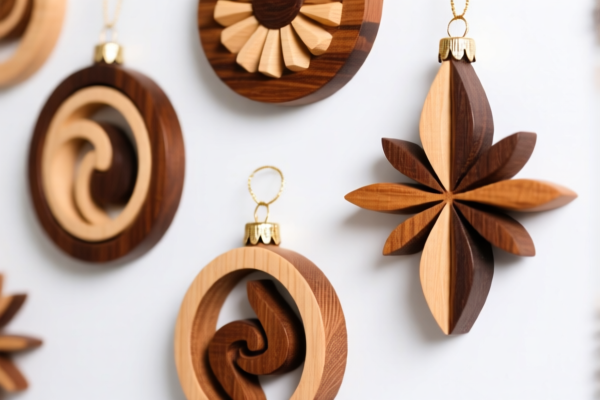
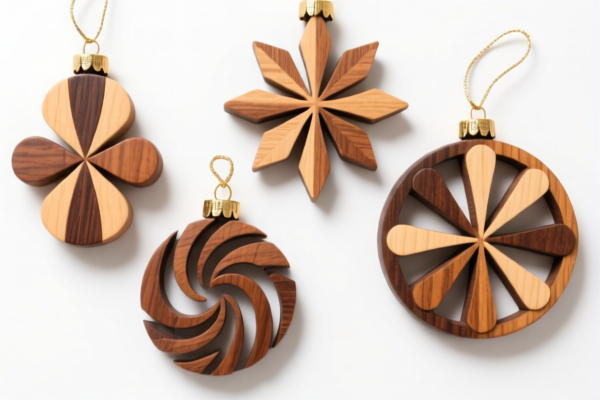
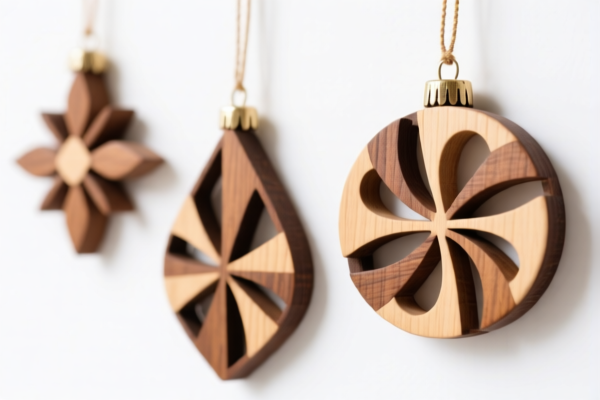
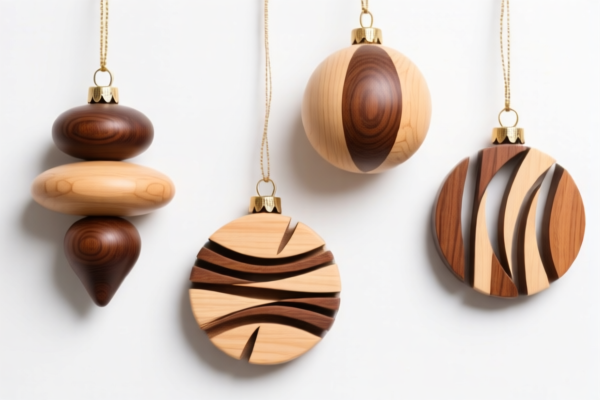
AI Analysis
🎋 Blank Wooden Fish-Shaped Ornament (The "Buddha's Smile" Amulet)
🌐 HS Code Reference & Customs Clearance Guide | 2026 Latest Tariff Analysis | Professional Customs Strategy
📌 I. Product Definition & Classification: What is a "Wooden Fish" Ornament?
The "Wooden Fish" (often called the Buddha's Smile or Mokugyo inspired item) is a popular spiritual and decorative ornament. In international trade, it is classified based on its material and form. Since the input specifies "Wooden" and "Blank" (unpainted/unvarnished), it falls squarely under Chapter 44: Wood and Articles of Wood.
Key Distinction: - Wooden Products: Must be classified under Chapter 44. - If it were Plastic: It would go to Chapter 39 (Plastics). - If it were Stone/Ceramic: It would go to Chapter 68/69. - "Blank" Status: Being unfinished does not change its fundamental classification from wood to another category. It is still an "article of wood."
⚠️ Critical Classification Point:
- Because it is a "blank" (unfinished) wooden item, it is not a specific finished furniture item or musical instrument.
- It falls under Subheading 4421: "Other articles of wood."
📦 II. HS Code Classification Details (2026 Latest Tariff Authority)
Based on the provided data, here are the specific HS Codes for Blank Wooden Fish-Shaped Ornaments:
| HS Code | Product Description | Applicable Scenario | Tax Rate (Total) |
|---|---|---|---|
| 4421.91.98.80 | Other articles of wood: Other: Of bamboo: Other: Other | ❌ Not Applicable (Unless made of Bamboo) | 28.3% |
| 4421.99.98.80 | Other articles of wood: Other: Other: Other: Other | ✅ Most Likely (If made of General Wood) | 28.3% |
🔍 Important Note on "Bamboo" vs. "Wood":
- If the fish ornament is made from Bamboo, it falls under 4421.91.
- If it is made from General Wood (e.g., Pine, Birch, Walnut, etc.), it falls under 4421.99.
- Both categories have the SAME total tax rate in the provided data, so the financial impact is identical, but correct classification is crucial for customs compliance.
💰 III. 2026 Latest Tariff Rate Details (Detailed Breakdown)
✅ Applicable Country: United States (US)
✅ Origin: China (CN)
✅ Effective Date: Current (Based on provided data)
🎯 1. 4421.91.98.80 – Other Articles of Wood (Of Bamboo)
| Item | Content |
|---|---|
| Base Tariff | 3.3% |
| Additional Tariff | +25.0% (Section 301 Tariff) |
| Total Tariff | 28.3% |
| Tax Calculation | CIF Value × 28.3% |
| De Minimis Exemption? | ❌ No (High tariff rates usually exclude de minimis benefits for certain categories, but always verify with your broker) |
| Legal Basis | Section 301 Trade Action against China |
📌 Explanation:
- The 3.3% is the standard Most Favored Nation (MFN) duty rate for general wood articles.
- The 25.0% is an additional tariff imposed under Section 301 of the Trade Act of 1974, specifically targeting Chinese imports.
- Total: 28.3%. This is a significant cost that must be factored into your pricing strategy.
🎯 2. 4421.99.98.80 – Other Articles of Wood (General Wood)
| Item | Content |
|---|---|
| Base Tariff | 3.3% |
| Additional Tariff | +25.0% (Section 301 Tariff) |
| Total Tariff | 28.3% |
| Tax Calculation | CIF Value × 28.3% |
| De Minimis Exemption? | ❌ No |
| Legal Basis | Section 301 Trade Action against China |
📌 Note:
- Same tax structure as bamboo products.
- Whether your wooden fish is made of Bamboo or Hardwood/Softwood, the tariff burden is identical.
🛠️ IV. Customs Clearance Practical Advice (Avoiding Pitfalls)
✅ 1. Required Documentation Checklist (Non-Negotiable)
| Document | Required | Description |
|---|---|---|
| ✅ Product Specification | ✔️ | Material type (e.g., Pine, Bamboo, Mahogany), Dimensions, Weight, "Blank/Unfinished" status |
| ✅ Material Declaration | ✔️ | Explicitly state "Made of Wood" or "Made of Bamboo" |
| ✅ Commercial Invoice | ✔️ | Must match HS Code description: "Wooden Ornament, Blank, Unpainted" |
| ✅ Packing List | ✔️ | Net weight/Gross weight, Quantity |
| ✅ Origin Certificate | ✔️ | If claiming any potential exemptions (rare for CN-US wood goods) |
✅ 2. Declaration Tips (Key Mnemonic)
🔥 “Material First, Finish Last, Tax 28.3% – Don’t Hide!”
| Scenario | Correct Declaration | Incorrect Practice |
|---|---|---|
| Made of Pine/Walnut | 4421.99.98.80 – "Wooden Ornament, Unfinished" |
Mislabel as "Plastic" → High penalty |
| Made of Bamboo | 4421.91.98.80 – "Bamboo Ornament, Unfinished" |
Mislabel as "Wood" → Minor error, but keep accurate |
| Painted/Finished | Still 4421.99 (unless it becomes furniture) |
Claiming "Painted" doesn’t change HS code significantly |
| Packaged for Retail | Declare as "Articles of Wood" | Declare as "Gifts" → No tariff benefit for China |
✅ 3. Special Considerations
| Situation | Handling Advice |
|---|---|
| OEM/Custom Shapes | Provide design drawings to prove it’s a "novelty ornament" and not "furniture" or "toy" |
| Mixed Materials | If the fish has metal hooks or string, the wood component still dominates. Declare as wood. |
| Gift Market | Even if marketed as a "spiritual gift," customs classifies by material, not function. |
| De Minimis (Section 321) | Most Chinese wood goods do NOT qualify for $800 de minimis exemption due to Section 301 tariffs. Assume full duty. |
🌍 V. Global Market Comparison (2026)
| Country/Region | Recommended HS Code | Tariff (China Origin) | Notes |
|---|---|---|---|
| 🇺🇸 USA | 4421.99.98.80 / 4421.91.98.80 |
28.3% | High cost due to Section 301 |
| 🇨🇳 China | 4421.99 |
3.3% - 10% | Lower import duty if re-imported |
| 🇪🇺 EU | 4421.99 |
0% - 6.5% | No Section 301 equivalent; check EUTR compliance |
| 🇬🇧 UK | 4421.99 |
0% - 5% | Similar to EU post-Brexit |
| 🇨🇦 Canada | 4421.99 |
0% | CUSMA may offer zero duty |
📌 Conclusion:
- The USA is the most expensive market for Chinese wooden ornaments due to the 25% additional tariff.
- If exporting to the US, ensure your profit margin accounts for 28.3% total tax.
- Consider transshipment or third-country manufacturing (e.g., Vietnam, Thailand) if volumes are high, but be aware of rules of origin scrutiny.
📌 VI. Common Errors & Pitfalls (Lessons Learned)
❌ Error 1: Declaring as "Plastic Resin" when it’s Wood
👉 Consequence: Misdeclaration penalty, seizure, or forced reclassification with back taxes.
❌ Error 2: Ignoring the "Section 301" Tariff
👉 Consequence: Underestimating landed cost by 25%. Your product becomes uncompetitive.
❌ Error 3: Not specifying "Blank/Unfinished"
👉 Consequence: Customs may inspect for paint/VOCs, causing delays. Clearly state "Unpainted, Unfinished Wood".
❌ Error 4: Using "Gift" as the HS Code Description
👉 Consequence: Gifts are not a customs classification. Use "Wooden Ornament".
✅ Correct Declaration Example:
"Wooden Ornament, Fish Shape, Blank/Unfinished, Made of Pine Wood, No Paint, No Varnish, HS Code: 4421.99.98.80"
🎯 VII. Conclusion: Professional Declaration Saves Money!
🎯 Remember the Golden Rule:
🔹 "Wood is Wood, Tax is 28.3%."
🔹 "Don’t guess the HS Code – 4421 is your friend."
🔹 "Declare material accurately – avoid customs fines."
📌 Pro Tip:
- If your wooden fish ornaments are made in Vietnam or Thailand, they may qualify for lower or zero tariffs into the US under various trade agreements (e.g., ASEAN-US discussions).
- For Chinese-origin goods, budget for 28.3% total duty.
- Always apply for a Pre-Classification Ruling from US CBP if you are unsure about the "Wood vs. Bamboo" distinction.
📣 Immediate Action:
📞 Contact your customs broker with material specs.
🚀 Calculate your Landed Cost including 28.3% tax.
💼 Accurate classification today = Profitable business tomorrow!
✨ Professional Customs, Start with Precision!
💼 Every percentage point matters in cross-border trade!
Customer Reviews
About HS Code Classification
The Harmonized System (HS) is an internationally standardized nomenclature developed by the World Customs Organization (WCO) to classify traded products. Over 200 countries use the HS system as the basis for customs tariffs, trade statistics, and import/export regulations.
Each HS code follows a hierarchical structure:
- Chapter (2 digits) — Broad category of goods (e.g., Chapter 84: Machinery and Mechanical Appliances)
- Heading (4 digits) — More specific grouping within the chapter
- Subheading (6 digits) — Internationally standardized breakdown, used by all WCO member countries
- National subdivisions (8-10 digits) — Country-specific extensions for further classification, such as US HTSUS 10-digit codes
Correct HS code classification is essential for smooth customs clearance, accurate duty payment, and compliance with trade regulations. Misclassification can lead to customs delays, overpayment of duties, or penalties.
When importing from CN to US, the applicable tariff rates may include:
- Most-Favored-Nation (MFN) rate — The standard duty rate applied to WTO members
- General rate — Applied to countries without trade agreements
- Trade remedy duties — Additional tariffs such as Section 301 (anti-dumping), Section 232 (national security), or countervailing duties
The information provided on this page is for reference purposes only. For official classification, please consult with your local customs authority or a licensed customs broker.