Blanket
CN → US| HS Code | Tariff Rate | Origin | Destination | Doc |
|---|---|---|---|---|
| 9404409005 | 22.8% | CN | US | Official Doc |
| 6301200010 | 17.5% | CN | US | Official Doc |
| 9404409022 | 22.8% | CN | US | Official Doc |
Product Images

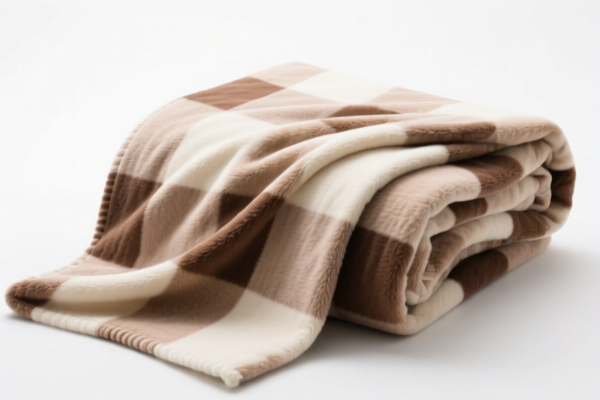
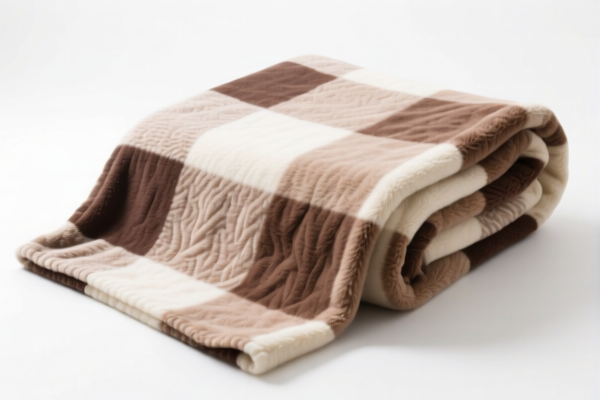
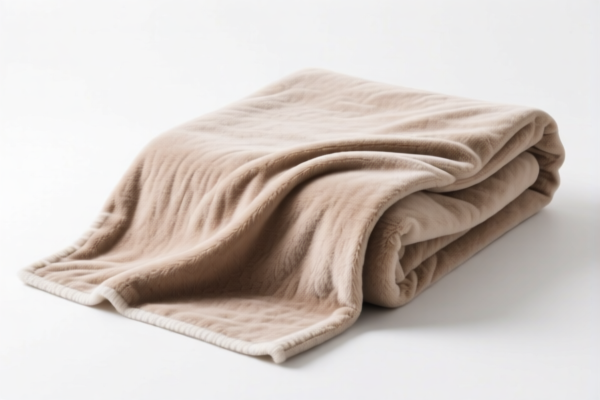
AI Analysis
🛌 Blankets (Textiles & Bedding Articles)
🌐 HS Code Reference & Customs Clearance Guide | 2026 Latest Tariff Analysis | Professional Entry Strategy
📌 I. Product Definition & Classification: What Exactly is a "Blanket"?
In international trade, the term "Blanket" is a broad category that encompasses various bedding and covering products. However, Customs authorities classify them strictly based on material composition and functional form. Misclassification is the leading cause of delays and penalty assessments.
There are two primary classification pathways for blankets:
-
Bedding Articles (General Textiles/Man-Made Fibers/Cotton):
- Includes blankets made of cotton, man-made fibers, or mixed materials.
- These are generally classified under Heading 9404 as "Bedding and similar furnishing articles (e.g., mattresses, quilts, duvets, cushions, pillows, etc.)."
- Note: Even if it looks like a "throw" or "travel blanket," if it’s not animal hair/fiber, it often falls here.
-
Animal Hair Blankets (Wool/Finest Animal Hair):
- Includes blankets specifically made of wool or fine animal hair.
- These are classified under Heading 6301 as "Blankets and travelling rugs."
- Key Distinction: If the main material is wool, it does NOT go to 9404. It goes to 6301, which has different duty rates and trade remedies.
⚠️ Critical Classification Point:
- If the blanket is Cotton, Polyester, Acrylic, or Mixed Fiber → Go to 9404.40.xxxx (Bedding).
- If the blanket is 100% Wool or Fine Animal Hair → Go to 6301.20.00.10 (Travel Blankets).
📦 II. HS Code Classification Details (2026 Latest Tariff Matrix)
Based on the provided data, here are the specific HS Codes and their corresponding tax structures for imports into the United States (implied by "Section 122" and high tariff rates typical of US-China trade).
| HS Code | Product Description | Material Composition | Primary Category |
|---|---|---|---|
| 9404.40.90.05 | Blanket / Bedding Article | Cotton blended or mixed content | Bedding & Furnishings |
| 6301.20.00.10 | Blanket / Travel Rug | Wool or Fine Animal Hair | Textile Articles |
| 9404.40.90.22 | Blanket / Bedding Article | Man-Made Fibers (Synthetic) or Cotton | Bedding & Furnishings |
🔍 Key Distinction:
- 9404.40.90.05 and 9404.40.90.22 are both under the "Bedding" chapter. The difference lies in the specific material subtype (Cotton vs. Synthetic/Mixed), but they share the same total tax rate (22.8%). - 6301.20.00.10 is distinct because it covers Wool/Animal Hair, resulting in a lower total tax rate (17.5%) due to different base duties and Section 301 application.
💰 III. 2026 Tariff Rate Breakdown (Detailed Tax Analysis)
✅ Applicable Jurisdiction: United States (US)
✅ Origin: China (CN) (Implied by Section 122 references)
✅ Effective Date: Current Trade Policies (2025-2026)
🎯 1. 9404.40.90.05 & 9404.40.90.22 —— Cotton & Synthetic Blankets (Bedding)
These two codes, despite different material specifications, share the same tax structure because they fall under the same broader bedding classification for trade remedy purposes.
| Item | Content |
|---|---|
| Base MFN Duty | 12.8% |
| Section 301 Duty (Trade War) | 0.0% (Specific to these sub-headings) |
| Section 122 Duty | +10% (Additional safeguard tariff) |
| Total Landed Tax Rate | 22.8% |
| Tax Calculation | CIF Value × 22.8% |
| De Minimis Eligibility | ❌ No (Generally, Section 122 and high-duty textiles are excluded from $800 de minimis thresholds in many enforcement actions) |
📌 Explanation:
- The 12.8% is the standard Most Favored Nation (MFN) rate for bedding. - Section 122 is a specific safeguard measure often applied to certain textile/apparel imports to protect domestic industries. It adds a flat 10%. - Section 301 (the 25% tariff on Chinese goods) does not apply to these specific sub-headings, keeping the total lower than other industrial goods, but still significant.
🎯 2. 6301.20.00.10 —— Wool/Fine Animal Hair Blankets
This code attracts a different duty structure due to the material being "Wool/Animal Hair."
| Item | Content |
|---|---|
| Base MFN Duty | 0.0% |
| Section 301 Duty (Trade War) | +7.5% |
| Section 122 Duty | +10% (Additional safeguard tariff) |
| Total Landed Tax Rate | 17.5% |
| Tax Calculation | CIF Value × 17.5% |
| De Minimis Eligibility | ❌ No |
📌 Explanation:
- The Base Duty is 0%, which is a huge advantage. - However, Section 301 applies at 7.5% (not 25%, as wool products often have different exclusion lists or lower priority in trade wars). - Section 122 still applies at 10%, bringing the total to 17.5%. - Conclusion: Wool blankets are 5.3% cheaper in duties than Cotton/Synthetic blankets in this specific data set.
🛠️ IV. Customs Clearance Practical Advice (Field Guide)
✅ 1. Documentation Checklist (Non-Negotiable)
| Document | Required? | Notes |
|---|---|---|
| ✅ Product Specification Sheet | ✔️ | Must explicitly state Material Composition (e.g., "100% Wool" or "80% Polyester/20% Cotton"). Vague terms like "Soft Fabric" will cause rejection. |
| ✅ Commercial Invoice | ✔️ | Must clearly describe the item as "Blanket" and include HS Code. |
| ✅ Material Lab Test Report | ✔️ | Highly recommended for Wool vs. Synthetic disputes. Customs may suspect misclassification to avoid higher duties. |
| ✅ Origin Certificate | ✔️ | Essential for proving China origin (if applicable) and calculating Section 122/301 accurately. |
| ✅ Photos of Goods | ✔️ | Show texture and labels. Helps CBP (Customs and Border Protection) distinguish between "Travel Rug" (6301) and "Bedding" (9404). |
✅ 2. Declaration Strategy (Key Tips)
🔥 "Material is King, Description is Queen"
| Scenario | Correct Declaration | Risk if Incorrect |
|---|---|---|
| Cotton/Synthetic Blanket | HS: 9404.40.90.05 or .22Desc: "Cotton Blanket, Household Use" |
If declared as Wool to get 17.5% → Penalty + Fraud Risk |
| Wool Blanket | HS: 6301.20.00.10Desc: "Wool Blanket, Fine Animal Hair" |
If declared as Cotton/Bedding → Overpayment (22.8% vs 17.5%) + Audit Risk |
| Mixed Material | Check Principal Material by Weight | If 51% Wool → 6301. If 51% Cotton → 9404. |
✅ 3. Special Situations
| Situation | Handling Advice |
|---|---|
| Section 122 Applicability | Ensure your supplier confirms if the item is subject to Section 122. If it’s a "throw" vs. "blanket," some interpretations vary, but data shows 122 applies to these codes. |
| Wool Certification | For 6301.20.00.10, be prepared to provide fiber analysis if CBP requests it. Misdeclaring synthetic as wool is a common fraud vector. |
| Small Parcel (De Minimis) | Do NOT rely on $800 de minimis exemption for these HS codes. With Section 122 and high duties, small shipments are often seized or assessed taxes manually. |
🌍 V. Global Market Comparison (2026 Context)
| Market | Recommended HS Code | Est. Total Duty (China Origin) | Key Requirement |
|---|---|---|---|
| 🇺🇸 USA | 9404.40.90.22 (Synth) |
22.8% (12.8% Base + 10% Sec 122) | Section 122 Compliance |
| 🇺🇸 USA | 6301.20.00.10 (Wool) |
17.5% (0% Base + 7.5% Sec 301 + 10% Sec 122) | Fiber Content Proof |
| 🇨🇳 China | 6301.20.00.10 |
Low (Import Duty ~5-10%) | CCC/Fiber Lab Test |
| 🇪🇺 EU | 6301.30.00 (Wool) |
~12% | No Section 122 |
| 🇪🇺 EU | 9404.90.80 (Bedding) |
~5-12% | CE/REACH (if treated) |
📌 Insight:
The US market is the most complex for blankets due to the dual layer of Section 301 and Section 122.
- Wool blankets are more tax-efficient in the US (17.5% vs 22.8%) if you can prove the material is genuine wool.
- Synthetic/Cotton blankets face a higher burden because they don't get the 0% base rate.
📌 VI. Common Errors & Pitfalls (Lessons Learned)
❌ Error 1: Declaring a Cotton Blanket as 6301.20.00.10 to save money.
👉 Result: CBP audits fiber content. You will owe back-taxes, penalties, and potentially face fraud allegations.
👉 Correction: Always declare based on actual material weight.
❌ Error 2: Ignoring Section 122.
👉 Result: Underpayment of 10%. CBP will issue a Notice of Liquidation with increased duty + interest.
👉 Correction: Include the 10% Section 122 in your landed cost calculation from Day 1.
❌ Error 3: Vague Description ("Blanket").
👉 Result: CBP holds the shipment for "Classification Review" (15-30 days delay).
👉 Correction: Use precise descriptions: "Wool Travel Blanket, 100% Virgin Wool, 50x60 inches" or "Polyester Fleece Blanket, Household Bedding."
✅ Best Practice:
For Synthetic/Cotton: Aim for
9404.40.90.22(or.05). Budget for 22.8% total duty.
For Wool: Aim for6301.20.00.10. Budget for 17.5% total duty.
Verification: Always have a fiber content test report ready for customs brokers.
🎯 VII. Conclusion: Strategic Sourcing & Compliance
🎯 Key Takeaway:
🔹 Material Matters: Wool gets a better tax rate (17.5%) than Synthetic/Cotton (22.8%) in the US due to base duty differences.
🔹 Section 122 is Universal: It adds 10% to both categories. Do not overlook it.
🔹 Documentation is Critical: Prove your material. "Wool" claims are heavily scrutinized.
📣 Immediate Action Steps:
1. Confirm Material: Check your supplier’s spec sheet. Is it Wool or Synthetic?
2. Calculate Landed Cost:
- If Synthetic: Cost * 1.228
- If Wool: Cost * 1.175
3. Prepare Docs: Gather fiber test reports and origin certificates.
4. Consult Broker: Ask specifically about Section 122 applicability for your specific brand/type.
✨ Smart Classification = Lower Duties + Faster Clearance
💼 Don't let ambiguity cost you 23% of your product value!
Customer Reviews
About HS Code Classification
The Harmonized System (HS) is an internationally standardized nomenclature developed by the World Customs Organization (WCO) to classify traded products. Over 200 countries use the HS system as the basis for customs tariffs, trade statistics, and import/export regulations.
Each HS code follows a hierarchical structure:
- Chapter (2 digits) — Broad category of goods (e.g., Chapter 84: Machinery and Mechanical Appliances)
- Heading (4 digits) — More specific grouping within the chapter
- Subheading (6 digits) — Internationally standardized breakdown, used by all WCO member countries
- National subdivisions (8-10 digits) — Country-specific extensions for further classification, such as US HTSUS 10-digit codes
Correct HS code classification is essential for smooth customs clearance, accurate duty payment, and compliance with trade regulations. Misclassification can lead to customs delays, overpayment of duties, or penalties.
When importing from CN to US, the applicable tariff rates may include:
- Most-Favored-Nation (MFN) rate — The standard duty rate applied to WTO members
- General rate — Applied to countries without trade agreements
- Trade remedy duties — Additional tariffs such as Section 301 (anti-dumping), Section 232 (national security), or countervailing duties
The information provided on this page is for reference purposes only. For official classification, please consult with your local customs authority or a licensed customs broker.