Blankets and traveling rugs
CN → US| HS Code | Tariff Rate | Origin | Destination | Doc |
|---|---|---|---|---|
| 6214900090 | 28.8% | CN | US | Official Doc |
| 6214900010 | 28.8% | CN | US | Official Doc |
| 6301200010 | 17.5% | CN | US | Official Doc |
| 6301300010 | 25.9% | CN | US | Official Doc |
| 6307908995 | 17.0% | CN | US | Official Doc |
Product Images
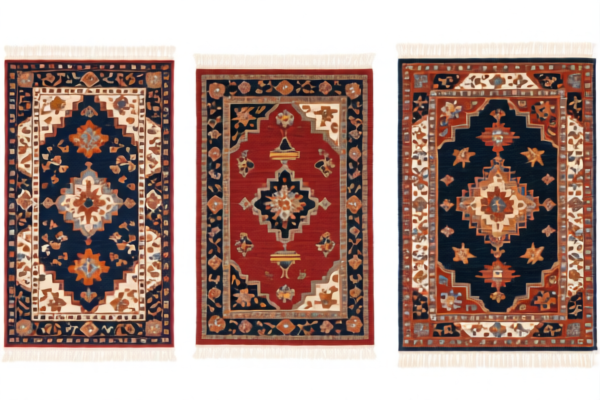
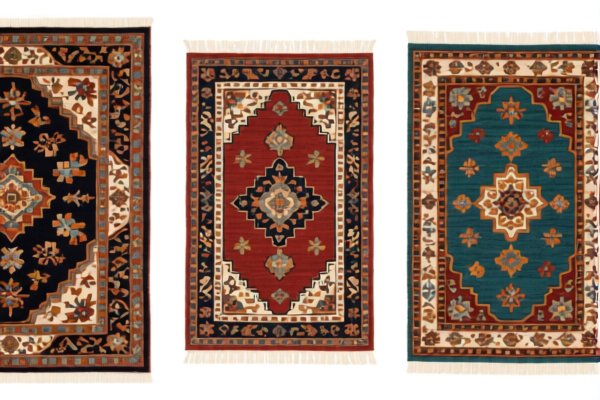
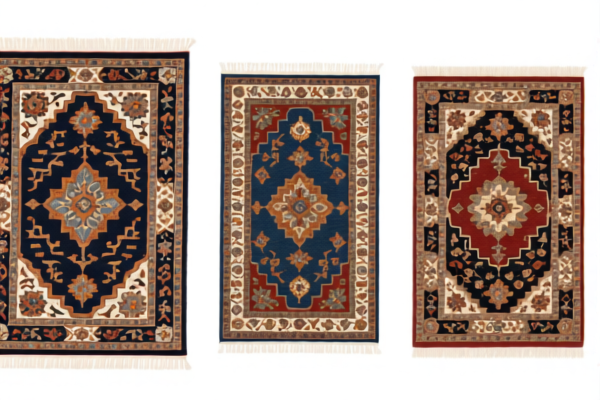
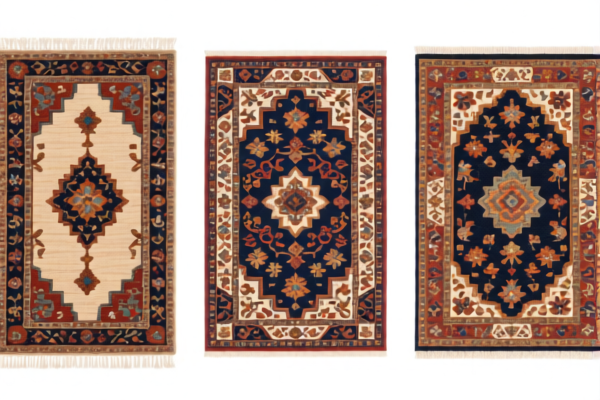
AI Analysis
🛏️ Blankets and Traveling Rugs (Travel Blankets)
🌐 HS Code Reference & Customs Clearance Guide | 2026 Latest Tariff Analysis | Professional Entry Strategy
📌 I. Product Definition & Classification: What Are We Actually Shipping?
"Blankets and traveling rugs" in international trade primarily refer to portable textile products used for warmth, comfort, or decoration during travel. These items are generally classified under Chapter 63 of the Harmonized System (HTS).
However, the exact HS Code depends heavily on the material composition (Wool vs. Cotton vs. Other Textiles) and the specific manufacturing method. Misclassification can lead to significant tariff differences, especially when combined with additional trade remedies like Section 301 or 122 duties.
⚠️ Key Distinction Points:
- Wool/Fine Animal Hair: Falls under Heading 6301. Generally enjoys lower base tariffs but subject to specific surcharges.
- Cotton/Cotton Blends: Falls under Heading 6301 (if specific blanket type) or 6307 (if classified as other made-up textile articles).
- Other Textile Materials (Polyester, Acrylic, Synthetic Blends): Often falls under Heading 6214 (if interpreted as similar to shawls/scarves) or 6307. Note: Based on the provided data, "Other textile material products" are mapped to 6214.
📦 II. HS Code Classification Details (Based on Provided Data)
| HS Code | Product Description | Material Type | Summary Classification |
|---|---|---|---|
6301.20.00.10 |
Blankets made of wool or fine animal hair | Wool/Fine Animal Hair | Wool/Animal Hair Blankets |
6301.30.00.10 |
Blankets made of cotton or cotton blends | Cotton/Cotton Blend | Cotton Blankets |
6214.90.00.10 |
Traveling blankets classified as textile material products | Other Textiles (Synthetics/Blends not covered elsewhere) | Textile Material Products |
6214.90.00.90 |
Traveling blankets classified as other textile material products | Other Textiles (General Category) | Other Textile Material Products |
6307.90.89.95 |
Other cotton-made covers (quilted tops, etc.) | Cotton (Specific "Cover" Interpretation) | Other Cotton Covers/Similar Articles |
🔍 Important Note:
- The classification6214is unusual for general blankets but may apply to specific types of "traveling rugs" or shawl-like blankets made of synthetic fibers.
-6301is the standard heading for blankets.
-6307.90.89.95is a "catch-all" for other made-up textile articles, potentially applicable if the item doesn't fit standard blanket definitions but is cotton-based.
💰 III. 2026 Latest Tariff Rate Breakdown (Including Additional Taxes)
✅ Applicable Country: United States (US)
✅ Origin: China (CN) (Inferred from "122-Clause" and "Section 301" references)
✅ Effective Date: Current Trade Policies (Including Section 301 & 122 Measures)
🎯 1. 6301.20.00.10 — Wool or Fine Animal Hair Blankets
| Item | Detail |
|---|---|
| Base Duty Rate | 0.0% |
| Additional Duty (Sec. 301) | +7.5% |
| 122-Clause Duty | +10% |
| Total Tax Rate | 17.5% |
| Tax Calculation | CIF Value × 17.5% |
| De Minimis Exemption | ❌ Not Eligible (Due to additional duties) |
| Legal Path | HTSUS:6301.20.00.10 → USITC Footnote → Section 301 → 122-Clause |
📌 Explanation:
- Base 0%: Wool blankets often have lower base tariffs under US trade policy.
- 7.5% Sec. 301: Standard Section 301 tariff on many Chinese textiles.
- 10% 122-Clause: Additional duty under Section 122 of the Trade Expansion Act (often used for import surcharges to protect domestic industry).
- Total 17.5%: Significantly lower than synthetic options.
🎯 2. 6301.30.00.10 — Cotton or Cotton Blend Blankets
| Item | Detail |
|---|---|
| Base Duty Rate | 8.4% |
| Additional Duty (Sec. 301) | +7.5% |
| 122-Clause Duty | +10% |
| Total Tax Rate | 25.9% |
| Tax Calculation | CIF Value × 25.9% |
| De Minimis Exemption | ❌ Not Eligible |
| Legal Path | HTSUS:6301.30.00.10 → USITC Footnote → Section 301 → 122-Clause |
📌 Explanation:
- Base 8.4%: Cotton blankets have a higher base duty than wool.
- 122-Clause: Adds 10% regardless of material.
- Total 25.9%: Moderate-high tax burden.
🎯 3. 6214.90.00.10 — Other Textile Material Products (Traveling Blankets)
| Item | Detail |
|---|---|
| Base Duty Rate | 11.3% |
| Additional Duty (Sec. 301) | +7.5% |
| 122-Clause Duty | +10% |
| Total Tax Rate | 28.8% |
| Tax Calculation | CIF Value × 28.8% |
| De Minimis Exemption | ❌ Not Eligible |
| Legal Path | HTSUS:6214.90.00.10 → USITC Footnote → Section 301 → 122-Clause |
📌 Explanation:
- Base 11.3%: Higher base duty for "other textile products" in Chapter 62.
- Total 28.8%: High tax rate due to higher base + full surcharges.
🎯 4. 6214.90.00.90 — Other Textile Material Products (General)
| Item | Detail |
|---|---|
| Base Duty Rate | 11.3% |
| Additional Duty (Sec. 301) | +7.5% |
| 122-Clause Duty | +10% |
| Total Tax Rate | 28.8% |
| Tax Calculation | CIF Value × 28.8% |
| De Minimis Exemption | ❌ Not Eligible |
| Legal Path | HTSUS:6214.90.00.90 → USITC Footnote → Section 301 → 122-Clause |
📌 Note: Identical tax structure to
6214.90.00.10. The distinction is purely descriptive; the tax impact is the same.
🎯 5. 6307.90.89.95 — Other Cotton Made-Up Articles (e.g., Quilted Covers)
| Item | Detail |
|---|---|
| Base Duty Rate | 7.0% |
| Additional Duty (Sec. 301) | 0.0% |
| 122-Clause Duty | +10% |
| Total Tax Rate | 17.0% |
| Tax Calculation | CIF Value × 17.0% |
| De Minimis Exemption | ❌ Not Eligible |
| Legal Path | HTSUS:6307.90.89.95 → USITC Footnote → 122-Clause |
📌 Explanation:
- Key Advantage: No Section 301 Duty (0%)! This makes it the most tax-efficient option for cotton-based items that can be legally classified here.
- Base 7.0% + 122-Clause 10% = 17.0%.
- ⚠️ Risk: Must ensure the product strictly fits "other cotton made-up articles" and not "blankets" (6301). Misclassification can lead to audits and back-taxes.
🛠️ IV. Customs Clearance Practical Advice (Avoid Pitfalls)
✅ 1. Preparation Checklist (Mandatory)
| Document | Required | Notes |
|---|---|---|
| ✅ Product Specification | ✔️ | Include material composition (e.g., 100% Cotton, 50% Wool/50% Polyester). |
| ✅ Material Composition Certificate | ✔️ | Critical for distinguishing between 6301.20 (Wool) and 6301.30 (Cotton). |
| ✅ Product Photos | ✔️ | Show texture, thickness, and any labels indicating use ("Travel Blanket", "Airplane Blanket"). |
| ✅ Commercial Invoice | ✔️ | Clearly state "Blankets" or "Traveling Rugs". Avoid vague terms like "Textile Goods". |
| ✅ Packing List | ✔️ | Detail weight and dimensions to ensure correct valuation. |
| ✅ Origin Certificate | ✔️ | Confirm Country of Origin (e.g., China) to apply correct surcharges. |
✅ 2. Declaration Strategy (Key Tips)
🔥 "Material is King, Classification is Queen"
| Scenario | Recommended HS Code | Reason |
|---|---|---|
| 100% Wool Blanket | 6301.20.00.10 |
Lowest total tax (17.5%) due to 0% base duty. |
| 100% Cotton Blanket (Standard) | 6301.30.00.10 |
Standard classification for cotton blankets. Tax: 25.9%. |
| Cotton "Quilted Cover" / "Travel Rug" | 6307.90.89.95 |
Tax Saver! If it can be argued as a "cover" rather than a "blanket", tax drops to 17.0% (0% Sec. 301). |
| Synthetic (Polyester/Acrylic) Blanket | 6214.90.00.10 or 6214.90.00.90 |
Higher base tax (11.3%) + full surcharges = 28.8%. |
⚠️ Critical Warning:
- Do not declare synthetic blankets as "Cotton" to use6301.30. This is fraud and will result in penalties.
- The6307.90.89.95classification is a gray area. Ensure the product design aligns more with "covers" (e.g., quilted, decorative) than standard "blankets" to justify this lower tax rate. Consult a customs broker before using this classification.
✅ 3. Special Cases
| Situation | Advice |
|---|---|
| Mixed Material (e.g., 50% Cotton, 50% Wool) | Classify based on principal material. If weight is equal, classify under the heading that occurs last alphabetically or as per HTSUS General Rule of Interpretation (GRI) 3(b). Often leads to 6301.30 (Cotton) if cotton is the primary component. |
| Small Quantity (De Minimis) | ❌ Do not rely on De Minimis. All listed HS codes have 0% de minimis exemption due to Section 301/122 duties. You must file a formal entry. |
| OEM Custom Blankets | Provide design drawings and material specs to prove classification. |
🌍 V. Global Market Comparison (2026)
| Country/Region | Recommended HS Code | Total Tax (China Origin) | Notes |
|---|---|---|---|
| 🇺🇸 USA | 6301.20.00.10 (Wool) |
17.5% | Best for wool. Avoid synthetics (28.8%). |
| 🇺🇸 USA | 6301.30.00.10 (Cotton) |
25.9% | High tax due to 122-Clause. |
| 🇺🇸 USA | 6307.90.89.95 (Cotton Cover) |
17.0% | Lowest Tax for Cotton if classification is accepted. |
| 🇨🇳 China | 6301.20.00 |
~0-5% | Lower base duties, no 122-Clause. |
| 🇪🇺 EU | 6301.20.00 |
~5-12% | No Section 301/122. VAT applies separately. |
| 🇬🇧 UK | 6301.20.00 |
~5-12% | Post-Brexit tariffs, no US-style surcharges. |
📌 Conclusion:
- USA is the most expensive market for textile blankets due to Section 301 and 122-Clause duties.
- Wool (6301.20) and Strategic Cotton (6307.90) offer the best tax efficiency.
- Synthetics (6214) are the most expensive due to high base duties.
📌 VI. Common Mistakes & Pitfalls (Lessons Learned)
❌ Mistake 1: Declaring Polyester Blankets as "Wool" to get 17.5% tax
👉 Consequence: Customs audit, seizure, fines, and potential criminal charges.
❌ Mistake 2: Using 6307.90.89.95 for a standard cotton blanket without justification
👉 Consequence: Customs may reclassify to 6301.30.00.10, leading to back taxes + penalties (25.9% - 17.0% = 8.9% difference + interest).
❌ Mistake 3: Assuming De Minimis (Section 321) applies
👉 Consequence: All these items are subject to additional duties, so De Minimis does not apply. Formal entry is required.
❌ Mistake 4: Ignoring the "122-Clause" duty
👉 Consequence: Underestimating costs by 10%. Always factor in the 122-Clause duty for China-origin textiles.
✅ Correct Approach:
"Wool Travel Blanket, 100% Wool, for Airplane Use, Model XYZ, Cert: OEKO-TEX"
🎯 VII. Conclusion: Smart Classification, Lower Costs!
🎯 Remember the Mantra:
🔹 "Wool is Low, Cotton is High, Synthetics are Highest!"
🔹 "Cover vs. Blanket: A 8.9% Difference!"
🔹 "No De Minimis for China Textiles!"
📌 Pro Tip:
If you are importing cotton-based products, consult your customs broker about using 6307.90.89.95 for items that can be reasonably described as "covers" or "quilted items" rather than standard "blankets." This could save you 8.9% in total taxes.
📣 Immediate Action:
📞 Engage a licensed customs broker
📄 Provide detailed material composition
🔍 Apply for an Advance Ruling if using6307.90.89.95for blankets🚀 Clear Customs Smoothly, Maximize Profits!
✨ Professional Clearance Starts with Accurate Classification!
💼 Every Percent of Tax Matters!
Customer Reviews
About HS Code Classification
The Harmonized System (HS) is an internationally standardized nomenclature developed by the World Customs Organization (WCO) to classify traded products. Over 200 countries use the HS system as the basis for customs tariffs, trade statistics, and import/export regulations.
Each HS code follows a hierarchical structure:
- Chapter (2 digits) — Broad category of goods (e.g., Chapter 84: Machinery and Mechanical Appliances)
- Heading (4 digits) — More specific grouping within the chapter
- Subheading (6 digits) — Internationally standardized breakdown, used by all WCO member countries
- National subdivisions (8-10 digits) — Country-specific extensions for further classification, such as US HTSUS 10-digit codes
Correct HS code classification is essential for smooth customs clearance, accurate duty payment, and compliance with trade regulations. Misclassification can lead to customs delays, overpayment of duties, or penalties.
When importing from CN to US, the applicable tariff rates may include:
- Most-Favored-Nation (MFN) rate — The standard duty rate applied to WTO members
- General rate — Applied to countries without trade agreements
- Trade remedy duties — Additional tariffs such as Section 301 (anti-dumping), Section 232 (national security), or countervailing duties
The information provided on this page is for reference purposes only. For official classification, please consult with your local customs authority or a licensed customs broker.