Bleached Bedding Fabric
CN → US| HS Code | Tariff Rate | Origin | Destination | Doc |
|---|---|---|---|---|
| 5212126090 | 42.8% | CN | US | Official Doc |
| 5407410030 | 48.6% | CN | US | Official Doc |
| 5407691010 | 49.9% | CN | US | Official Doc |
| 5212226090 | 42.8% | CN | US | Official Doc |
| 5208212040 | 43.4% | CN | US | Official Doc |
Product Images
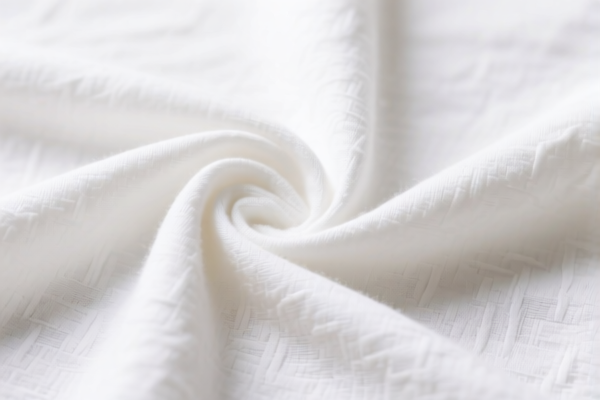
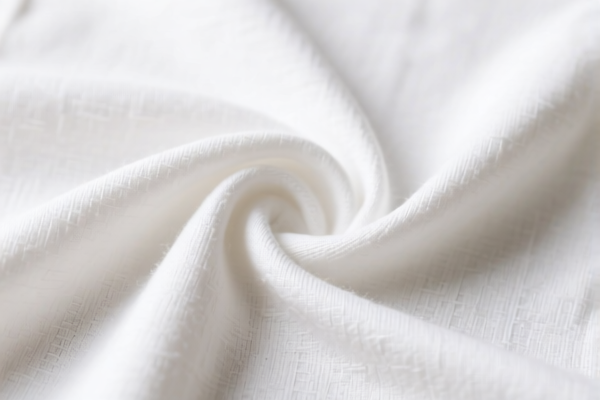

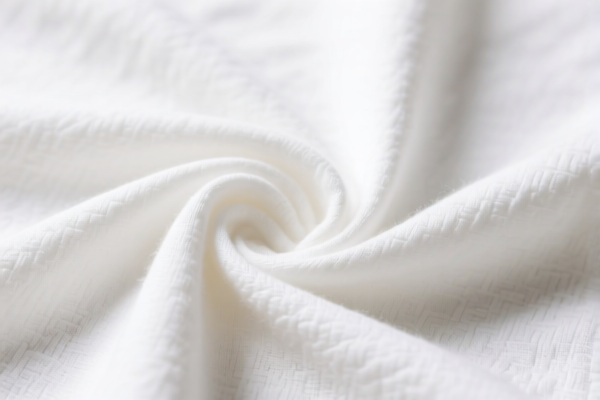
AI Analysis
🛏️ Bleached Bedding Fabric (漂白面料)
🌐 HS Code Reference & Customs Clearance Guide | 2026 Latest Tariff Analysis | Professional Entry Strategy
📌 I. Product Definition & Classification: What Exactly is "Bleached Bedding Fabric"?
Bleached bedding fabric is a textile material that has undergone a chemical bleaching process to remove natural color and impurities, resulting in a white or bright appearance. It is primarily used for manufacturing sheets, pillowcases, duvet covers, and other home textiles. In international trade, classification depends heavily on the raw material composition (cotton vs. synthetic fibers) and the weave structure.
Key Distinction Points: * Cotton-Based Fabrics (Chapter 52): If the primary material is cotton, the classification falls under Chapter 52. This includes both plain weave and other woven structures. * Synthetic/Man-Made Fiber Fabrics (Chapter 54): If the material is polyester or other synthetic long filaments, the classification falls under Chapter 54. * Bleaching Process: The "bleached" status is a critical classifier. Unbleached or dyed fabrics have different HS codes.
⚠️ Critical Classification Logic:
- If the fabric is Cotton → Look at HS 5208–5212.
- If the fabric is Polyester/Synthetic → Look at HS 5407–5408.
- The specific subheading depends on weight (g/m²), weave type (plain, twill, etc.), and fiber type.
📦 II. HS Code Classification Details (2026 Latest Tariff Reference)
Based on the provided data, here are the specific HS codes applicable to bleached bedding fabrics, categorized by material inference:
| HS Code | Product Description | Material Inference | Weave/Structure | Tax Category |
|---|---|---|---|---|
5212.12.60.90 |
Bleached Fabric, Cotton/Fiber Type | Cotton / Fiber | Woven (Implied) | High Tax |
5407.41.00.30 |
Bleached Fabric, Synthetic Fiber | Synthetic Fiber | Woven (Bleached) | High Tax |
5407.69.10.10 |
Bleached Fabric, Polyester Filament | Polyester Long Filament | Woven | High Tax |
5212.22.60.90 |
Bleached Fabric, Other Fibers | Unspecified Fiber | Woven | High Tax |
5208.21.20.40 |
Bleached Cotton Plain Weave Fabric | Cotton | Plain Weave | High Tax |
🔍 Key Insight:
- HS 5208.21.20.40 is specific to Cotton Plain Weave (the most common structure for basic bedsheets).
- HS 5212 covers Other Cotton Woven Fabrics (e.g., twill, sateen, or heavier weights).
- HS 5407 covers Synthetic/Polyester woven fabrics. Polyester is increasingly common in "performance" bedding due to its durability and wrinkle resistance.
💰 III. 2026 Latest Tariff Rate Breakdown (Including Surcharges & Policy Surcharges)
✅ Applicable Country: United States (US)
✅ Origin: China (CN)
✅ Effective Date: Current regime applies (including Section 301 & 122 tariffs)
All the following HS codes share a similar tax structure due to the Section 301 Tariffs and Section 122 Tariffs on Chinese textiles.
🎯 1. 5208.21.20.40 – Bleached Cotton Plain Weave Fabric
| Item | Content |
|---|---|
| Base Tariff Rate | 8.4% (Ad Valorem) |
| Section 301 Surcharge | +25.0% |
| Section 122 Surcharge | +10.0% |
| Total Effective Tax Rate | 43.4% |
| Tax Calculation | CIF Value × 43.4% |
| De Minimis Exemption? | ❌ NO (Denied) |
| Legal Basis Path | Section 301: Footnote 9903.88.01 → Section 122 → HS 5208.21.20.40 |
📌 Explanation:
- The 8.4% is the standard Most Favored Nation (MFN) rate for bleached cotton plain weave.
- The 25% is the Section 301 tariff imposed on many Chinese textiles.
- The 10% is the Section 122 tariff (often applied under specific trade remedies or emergency actions).
- Total 43.4% is a significant cost driver for cotton bedding imports.
🎯 2. 5212.12.60.90 & 5212.22.60.90 – Other Cotton Woven Fabrics
| Item | Content |
|---|---|
| Base Tariff Rate | 7.8% (Ad Valorem) |
| Section 301 Surcharge | +25.0% |
| Section 122 Surcharge | +10.0% |
| Total Effective Tax Rate | 42.8% |
| Tax Calculation | CIF Value × 42.8% |
| De Minimis Exemption? | ❌ NO (Denied) |
📌 Note:
- These codes cover cotton fabrics that are not plain weave (e.g., twill, sateen, or heavier weights) or are in larger rolls.
- The base rate is slightly lower (7.8% vs 8.4%), but the total tax impact is nearly identical (42.8% vs 43.4%).
🎯 3. 5407.41.00.30 & 5407.69.10.10 – Synthetic/Polyester Bleached Fabrics
| Item | Content |
|---|---|
| Base Tariff Rate | 13.6% – 14.9% (Ad Valorem) |
| Section 301 Surcharge | +25.0% |
| Section 122 Surcharge | +10.0% |
| Total Effective Tax Rate | 48.6% – 49.9% |
| Tax Calculation | CIF Value × 48.6%–49.9% |
| De Minimis Exemption? | ❌ NO (Denied) |
📌 Critical Warning:
- Polyester/Synthetic fabrics have HIGHER total tariffs than cotton in this dataset.
- HS 5407.69.10.10 (Polyester Filament) has the highest total rate at 49.9%.
- HS 5407.41.00.30 (Other Synthetic) is at 48.6%.
- This makes cotton bedding more tax-efficient than polyester bedding when importing from China to the US under current tariffs.
🛠️ IV. Customs Clearance Practical Advice (Avoiding Pitfalls)
✅ 1. Documentation Checklist (Mandatory)
| Document | Required | Notes |
|---|---|---|
| ✅ Commercial Invoice | ✔️ | Must specify "Bleached," "Cotton" or "Polyester," and "Plain Weave" (if applicable). |
| ✅ Packing List | ✔️ | Detail weight, dimensions, and roll count. |
| ✅ Certificate of Origin (CO) | ✔️ | Essential for verifying Chinese origin and applying (or defending against) surcharges. |
| ✅ Product Specification Sheet | ✔️ | Include fabric weight (gsm), fiber content %, and weave type. |
| ✅ Bleaching Process Certificate | ✔️ | Optional but helpful to prove "Bleached" status vs. "Unbleached" or "Dyed." |
| ✅ Fiber Content Analysis Report | ✔️ | Third-party lab report (e.g., SGS, Intertek) to prove 100% Cotton vs. Polyester blend. |
✅ 2. Classification Strategy (Key Tips)
🔥 “Fiber Dictates Code, Weave Dictates Subcode, Bleach Dictates Duty!”
| Scenario | Correct HS Code | Incorrect Code | Consequence |
|---|---|---|---|
| 100% Cotton, Plain Weave, Bleached | 5208.21.20.40 (43.4%) |
5407.69.10.10 |
Overpayment or Misclassification Penalty |
| Polyester, Bleached, Woven | 5407.69.10.10 (49.9%) |
5212.12.60.90 |
Underpayment (if declared as cotton) → Audit Risk |
| Cotton Blend (e.g., 60% Cotton, 40% Poly) | Check Duty Rate | Assume Cotton | Incorrect Classification → Penalties |
| Unbleached/Greige Fabric | Different HS Code (e.g., 5208.11...) | Bleached Code | Misclassification → Seizure or Fine |
✅ 3. Special Considerations
| Issue | Handling Advice |
|---|---|
| Fiber Blends | If the fabric is a blend (e.g., Cotton/Polyester), classification depends on weight dominance. If 51% cotton, it may still fall under Chapter 52. Consult a customs broker. |
| "Bedding" vs. "Fabric" | Do NOT declare as "Bedding" (which might be finished goods like sheets). Declare as "Bleached Woven Fabric" to avoid different duty rates for finished textiles. |
| Section 122 Tariff | This 10% tariff is specific and may fluctuate. Always verify current enforcement status with your customs broker before shipment. |
| De Minimis (Section 321) | ❌ Not Applicable. Textiles from China are excluded from the $800 de minimis exemption. Every shipment is subject to full duty assessment. |
🌍 V. Global Market Comparison (2026 Latest)
| Country/Region | Recommended HS Code | Approx. Total Tax (CN Origin) | Notes |
|---|---|---|---|
| 🇺🇸 USA | 5208.21.20.40 / 5407.69.10.10 |
43.4% – 49.9% | High due to Sec 301 + Sec 122. |
| 🇨🇳 China | 5208.21.20.40 |
~5–8% | Low import tariff, but focus on domestic sales. |
| 🇪🇺 EU | 5208.21.20.40 |
~9–12% | No Section 301/122 equivalents. CE/RoHS may apply. |
| 🇦🇺 Australia | 5208.21.20.40 |
~5% + GST | Lower tariffs, no major anti-dumping on standard bedding fabric. |
| 🇬🇧 UK | 5208.21.20.40 |
~12–16% | Post-Brexit tariffs. |
📌 Conclusion:
- The US market is the most tariff-challenged for Chinese textile imports due to the combination of MFN, Section 301, and Section 122 tariffs.
- Cotton fabrics (HS 52xx) are slightly more tax-efficient than polyester fabrics (HS 54xx) in the US market under current rules.
📌 VI. Common Errors & Pitfalls (Lessons Learned)
❌ Error 1: Declaring "Bedding Sheets" when the goods are "Rolls of Fabric."
👉 Consequence: Misclassification leads to delays, inspections, and potential penalties. Declare as "Bleached Woven Fabric."
❌ Error 2: Ignoring Section 122 Tariff.
👉 Consequence: Underpayment of 10%. Customs will demand back payment + interest.
❌ Error 3: Incorrect Fiber Content Declaration.
👉 Consequence: Declaring 100% Cotton when it’s 60% Cotton/40% Polyester leads to misclassification. Use third-party lab reports.
❌ Error 4: Assuming De Minimis Exemption Applies.
👉 Consequence: Textiles from China never qualify for the $800 de minimis exemption. Every shipment must be formally entered.
✅ Best Practice:
“Bleached Cotton Plain Weave Fabric, 100% Cotton, 120 GSM, Roll Packed, HS Code 5208.21.20.40”
🎯 VII. Conclusion: Precision Classification, Cost Efficiency!
🎯 Remember:
🔹 “Cotton vs. Polyester Determines HS Code.”
🔹 “Bleached Status is Critical for Duty Rate.”
🔹 “Total Tax in US = Base + 25% (Sec 301) + 10% (Sec 122).”
🔹 “No De Minimis for Textiles from China.”
📌 Pro Tip:
If you are importing polyester bedding fabric, consider sourcing from Vietnam, Bangladesh, or India to avoid the 25% Section 301 tariff. If sourcing from China, cotton fabrics offer a slightly lower total duty rate (42.8–43.4%) compared to polyester (48.6–49.9%).
📣 Immediate Action:
📞 Contact a licensed customs broker to confirm the latest Section 122 enforcement status.
📄 Obtain a fiber content analysis report from a third-party lab (SGS, Intertek).
🚀 Optimize your supply chain by choosing the most tax-efficient fiber type for your target market.
✨ Professional Clearance Starts with Accurate Classification!
💼 Your Cost Efficiency Depends on Every Digit of the HS Code!
Customer Reviews
About HS Code Classification
The Harmonized System (HS) is an internationally standardized nomenclature developed by the World Customs Organization (WCO) to classify traded products. Over 200 countries use the HS system as the basis for customs tariffs, trade statistics, and import/export regulations.
Each HS code follows a hierarchical structure:
- Chapter (2 digits) — Broad category of goods (e.g., Chapter 84: Machinery and Mechanical Appliances)
- Heading (4 digits) — More specific grouping within the chapter
- Subheading (6 digits) — Internationally standardized breakdown, used by all WCO member countries
- National subdivisions (8-10 digits) — Country-specific extensions for further classification, such as US HTSUS 10-digit codes
Correct HS code classification is essential for smooth customs clearance, accurate duty payment, and compliance with trade regulations. Misclassification can lead to customs delays, overpayment of duties, or penalties.
When importing from CN to US, the applicable tariff rates may include:
- Most-Favored-Nation (MFN) rate — The standard duty rate applied to WTO members
- General rate — Applied to countries without trade agreements
- Trade remedy duties — Additional tariffs such as Section 301 (anti-dumping), Section 232 (national security), or countervailing duties
The information provided on this page is for reference purposes only. For official classification, please consult with your local customs authority or a licensed customs broker.