Bleached Circular Knitted Cotton Fabric
CN → US| HS Code | Tariff Rate | Origin | Destination | Doc |
|---|---|---|---|---|
| 6006211000 | 45.0% | CN | US | Official Doc |
| 6006219020 | 45.0% | CN | US | Official Doc |
| 6001910020 | 53.5% | CN | US | Official Doc |
| 6006211000 | 45.0% | CN | US | Official Doc |
| 6006219020 | 45.0% | CN | US | Official Doc |
Product Images
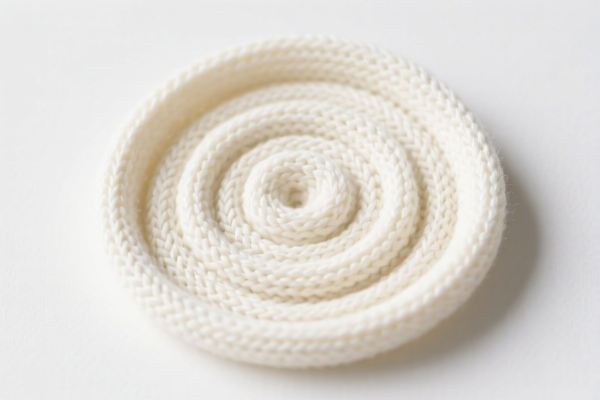
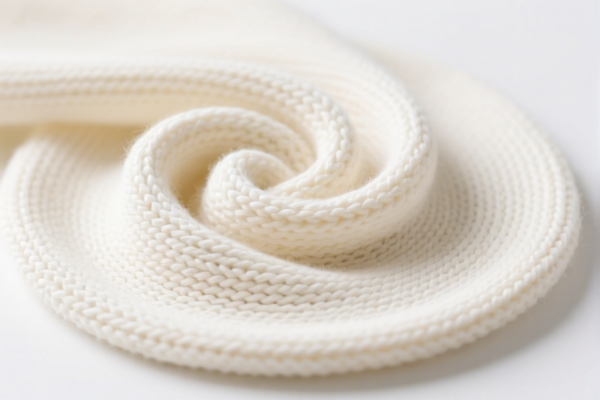
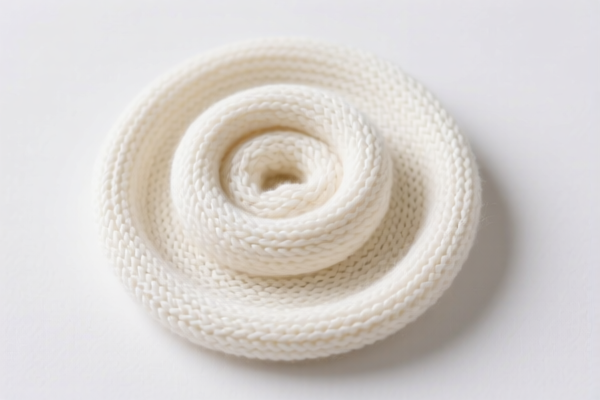
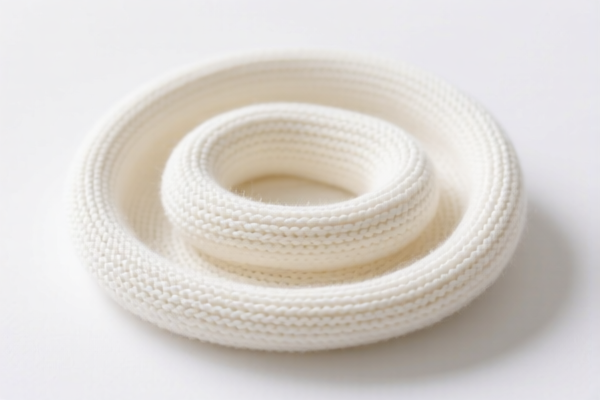
AI Analysis
🧶 Bleached Circular Knitted Cotton Fabric (漂白圆机针织棉布)
🌐 HS Code Reference & Clearance Guide | 2026 Latest Tariff Analysis | Professional Level Customs Strategy
📌 I. Product Definition & Classification: Do You Really Understand "Knitted Cotton"?
Bleached circular knitted cotton fabric is a versatile textile material widely used in apparel, home textiles, and industrial applications. In international trade, it is strictly defined by three key attributes:
- Material: 100% Cotton (棉制).
- Structure: Circular Knitted (圆机针织), meaning the fabric is knitted on circular knitting machines, creating a tubular or flat knit with high elasticity.
- State: Bleached (漂白), meaning the fabric has undergone chemical treatment to remove natural color and impurities, resulting in a white or off-white appearance.
⚠️ Key Distinction Point:
- If the fabric is Yarn Dyed or Printed after bleaching, it may fall under different subheadings (e.g., 6006.22 or 6006.32).
- If the fabric is Woven instead of Knitted, it belongs to Chapter 52, not Chapter 60.
- "Circular Knitted" vs. "Tricot/Raschel": This product specifically refers to standard circular knit (jersey, rib, interlock, etc.), excluding warp-knitted fabrics (which fall under 6002).
📦 II. HS Code Classification Details (2026 Latest Tariff Authority Comparison)
Based on the provided data, there are two primary HS Codes for this product, depending on the specific description nuances in customs declarations.
| HS Code | Product Description | Classification Logic | Total Tax Rate |
|---|---|---|---|
6006.21.90.20 |
Bleached Circular Knitted Cotton Fabric, material is cotton, state is bleached. Fits the classification for "Other knitted/crocheted fabrics of cotton, bleached." | Broad Category: "Other" bleached cotton knitted fabrics that do not fall into specific enumerated subheadings (like specific weights or types). | 45.0% |
6006.21.10.00 |
Bleached Circular Knitted Cotton Fabric, explicitly matching "Cotton," "Bleached," and "Circular Knitted" manufacturing process. | Specific Category: Often used for standard jersey or rib bleached fabrics that fit the primary subheading definition for bleached cotton knits. | 45.0% |
6001.91.00.20 |
Bleached Round-Needle Cotton Knitted Fabric (Interpreted as "Other Cotton Pile/Looped Fabrics"). | Special Case: If the fabric is described as having a "napped" or "pile" structure (绒毛织物) rather than standard flat knit, it may be misclassified here. High Risk of Misclassification. | 53.5% |
🔍 Critical Insight:
- The vast majority of standard bleached circular knit cotton fabrics (jersey, rib, pique) should be classified under 6006.21.xx.
- The difference between6006.21.10.00and6006.21.90.20often lies in specific national sub-classifications or weight thresholds. However, both incur the same total tax rate of 45% in the provided data.
- Avoid6001.91.00.20unless the fabric is explicitly a "pile" or "loped" fabric (like fleece or towel cloth). Misclassifying standard knit as "pile" fabric leads to a higher tax rate (53.5%) and potential customs penalties for incorrect declaration.
💰 III. 2026 Latest Tariff Rate Breakdown (Including Surtaxes & Policy Add-ons)
✅ Applicable Country: United States (US)
✅ Country of Origin: China (CN)
✅ Effective Date: Ongoing (Includes subsequent imports)
🎯 1. HS Code 6006.21.10.00 & 6006.21.90.20 —— Bleached Circular Knitted Cotton Fabric
| Item | Content |
|---|---|
| Base Duty Rate | 10.0% (Basic MFN rate) |
| Section 301 Surcharge | +25.0% (USITC Footnote related to Section 301 tariffs on Chinese goods) |
| Section 122 Tariff | +10.0% (Additional tariff under Section 122, typically for national security or specific trade remedy measures) |
| Total Tax Rate | 45.0% |
| Tax Calculation | CIF Value × 45% |
| De Minimis Eligibility | ❌ No (Textiles usually subject to stricter rules; Section 301/122 surcharges apply even to low-value shipments) |
| Legal Basis Path | USITC:6006.21.10.00 / USITC:6006.21.90.20 → 301 Footnote → 122 Provision |
📌 Explanation:
- The 10% Base Duty is the standard Most Favored Nation (MFN) rate for knitted cotton fabrics.
- The 25% Section 301 Tariff is the dominant cost driver for Chinese-origin textiles, designed to counter unfair trade practices.
- The 10% Section 122 Tariff is an additional layer often applied to specific categories of goods to address national security or supply chain vulnerabilities.
- Total 45% is a significant cost factor. Importers must calculate this into landed cost models accurately.
🎯 2. HS Code 6001.91.00.20 —— Misclassified "Pile" Fabric (If Applicable)
| Item | Content |
|---|---|
| Base Duty Rate | 18.5% |
| Section 301 Surcharge | +25.0% |
| Section 122 Tariff | +10.0% |
| Total Tax Rate | 53.5% |
| Tax Calculation | CIF Value × 53.5% |
| De Minimis Eligibility | ❌ No |
📌 Warning:
- If your fabric is not a pile/loped fabric, but you use this HS code, you are overpaying by 8.5%.
- Conversely, if your fabric is a pile fabric but you use6006.21, you face underpayment penalties and potential seizure.
- Ensure accurate physical description of the fabric structure (flat knit vs. pile) to choose the correct code.
🛠️ IV. Customs Clearance Practical Advice (Combat Pitfall Guide)
✅ 1. Documentation Checklist (Mandatory)
| Document | Required | Notes |
|---|---|---|
| ✅ Product Specification Sheet | ✔️ | Must state: 100% Cotton, Knitted, Bleached, Fabric Weight (GSM), Width. |
| ✅ Photos of Fabric | ✔️ | Show texture, edge, and label. Must distinguish from woven or pile fabrics. |
| ✅ Commercial Invoice | ✔️ | Clearly describe as "Bleached Circular Knitted Cotton Fabric." Avoid vague terms like "Textile Material." |
| ✅ Bill of Lading (B/L) | ✔️ | Ensure consignor/consignee details match invoice exactly. |
| ✅ Certificate of Origin (CO) | ✔️ | Essential for proving China origin (triggers 301/122 tariffs). |
| ✅ Test Report | ✔️ | Optional but helpful: Proof of composition (cotton content) and bleaching process. |
✅ 2. Declaration Tips (Key Mantra)
🔥 "Material Clear, Structure Defined, Bleached State Stated, Tariff Calculated!"
| Situation | Correct Declaration | Common Mistake |
|---|---|---|
| Standard Jersey/Rib Knit | 6006.21.10.00 or 6006.21.90.20 |
Declaring as "Woven Fabric" → Incorrect Chapter |
| Pile/Fleece Knit | 6001.91.00.20 |
Declaring as "Flat Knit" → Underpayment Risk |
| Dyed/Printed Cotton | 6006.22.xx or 6006.32.xx |
Declaring as "Bleached" → Misclassification |
| Blended Cotton/Poly | 6006.31.xx |
Declaring as "100% Cotton" → Fraud Risk |
✅ 3. Special Handling Cases
| Situation | Recommendation |
|---|---|
| Mixed Batches | If a shipment contains both bleached and dyed fabrics, separate declarations are required. Do not lump them under "Bleached" to save time. |
| OEM Orders | Provide customer design sheets to prove the fabric is intended for specific apparel, supporting the "knitted" classification. |
| Fabric Rolls vs. Cut Pieces | Declaration should be in "Rolls" or "Linear Meters." Avoid declaring "Garments" unless they are fully sewn. |
| Origin Routing | If transshipped through a third country, China origin still applies. Do not attempt to re-label origin unless substantial transformation occurred. |
🌍 V. Global Market Comparison (2026 Latest)
| Country/Region | Recommended HS Code | Duty Rate (China Origin) | Key Certification | Notes |
|---|---|---|---|---|
| 🇺🇸 USA | 6006.21.10.00 / 6006.21.90.20 |
45% (10% Base + 25% 301 + 10% 122) | No specific textile certs, but strict origin rules | High duty impact. Consider supply chain diversification. |
| 🇨🇳 China | 6006.21.10.00 |
~10-13% | N/A | Export duty rebate may apply. |
| 🇪🇺 EU | 6006.21.10.00 |
0% (if FTA eligible, else ~10%) | REACH, OEKO-TEX | No Section 301/122 surcharges. |
| 🇬🇧 UK | 6006.21.10.00 |
~0-10% | UKCA | Post-Brexit rules vary. |
| 🇦🇺 Australia | 6006.21.10.00 |
~5-10% | No major barrier | AFTA may offer benefits if ASEAN origin. |
📌 Conclusion:
- The USA is the most expensive market for Chinese bleached cotton knits due to the cumulative 45% tariff.
- EU and UK offer lower duty rates, making them more competitive for price-sensitive markets.
- Compliance is Key: Accurate classification prevents costly delays and penalties at US ports.
📌 VI. Common Errors & Pitfall Guide (Lessons Learned)
❌ Error 1: Classifying "Bleached" fabric under 6006.21 when it is actually "Yarn-Dyed"
👉 Consequence: Underpayment of duty. US Customs may assess additional duties + interest.
❌ Error 2: Describing "Circular Knit" as "Woven" to avoid textile quotas
👉 Consequence: Major penalty for misdeclaration. Textile/quota violations are strictly enforced.
❌ Error 3: Ignoring the "Section 122" tariff in cost calculations
👉 Consequence: Profit margin erosion. The 10% 122 tariff is often overlooked in preliminary quotes.
❌ Error 4: Using 6001.91 for standard jersey fabric
👉 Consequence: Overpayment of 8.5%. While not illegal, it hurts competitiveness.
✅ Correct Practice:
"100% Cotton, Bleached, Circular Knitted Fabric, Weight: 150 GSM, Width: 180cm, for T-Shirt Manufacturing"
🎯 VII. Conclusion: Professional Declaration, Cost Optimization!
🎯 Remember the Mantra:
🔹 "Cotton + Bleached + Circular Knit = 6006.21.xx"
🔹 "45% Total Tax is Non-Negotiable for US Imports"
🔹 "Check for Pile Structure to Avoid 6001 Misclassification"
📌 Pro Tip:
If your business volume is large, consider applying for a Pre-Ruling from US Customs and Border Protection (CBP) to confirm the HS code and tariff liability. This provides legal certainty and shields you from retroactive penalties.
📣 Immediate Action:
📞 Consult with a licensed customs broker.
🚀 Ensure your HS code is precise, your description is detailed, and your taxes are calculated correctly.
💼 Your supply chain's profitability depends on this 45% factor!
✨ Professional Clearance Starts with Accurate Classification!
💼 Every Cent Counts in Global Trade!
Customer Reviews
About HS Code Classification
The Harmonized System (HS) is an internationally standardized nomenclature developed by the World Customs Organization (WCO) to classify traded products. Over 200 countries use the HS system as the basis for customs tariffs, trade statistics, and import/export regulations.
Each HS code follows a hierarchical structure:
- Chapter (2 digits) — Broad category of goods (e.g., Chapter 84: Machinery and Mechanical Appliances)
- Heading (4 digits) — More specific grouping within the chapter
- Subheading (6 digits) — Internationally standardized breakdown, used by all WCO member countries
- National subdivisions (8-10 digits) — Country-specific extensions for further classification, such as US HTSUS 10-digit codes
Correct HS code classification is essential for smooth customs clearance, accurate duty payment, and compliance with trade regulations. Misclassification can lead to customs delays, overpayment of duties, or penalties.
When importing from CN to US, the applicable tariff rates may include:
- Most-Favored-Nation (MFN) rate — The standard duty rate applied to WTO members
- General rate — Applied to countries without trade agreements
- Trade remedy duties — Additional tariffs such as Section 301 (anti-dumping), Section 232 (national security), or countervailing duties
The information provided on this page is for reference purposes only. For official classification, please consult with your local customs authority or a licensed customs broker.