Bleached Cotton Fabric (for Toys)
CN → US| HS Code | Tariff Rate | Origin | Destination | Doc |
|---|---|---|---|---|
| 5209210020 | 42.7% | CN | US | Official Doc |
| 5210218090 | 47.5% | CN | US | Official Doc |
| 5210298090 | 49.7% | CN | US | Official Doc |
| 5208212040 | 43.4% | CN | US | Official Doc |
| 5209210035 | 42.7% | CN | US | Official Doc |
Product Images
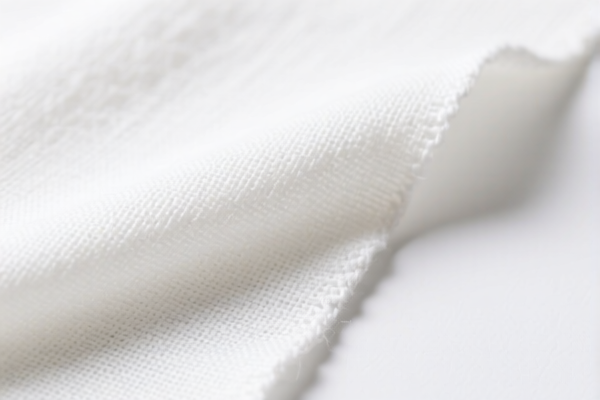
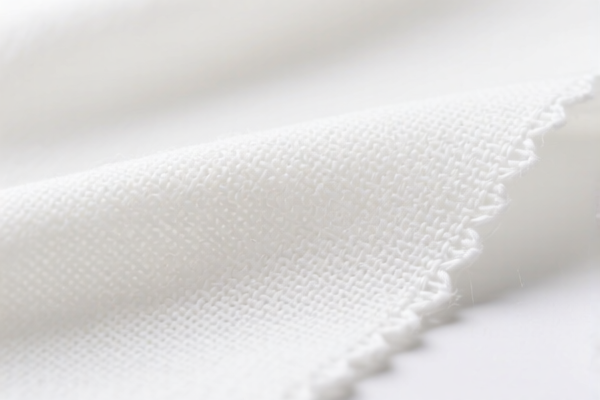
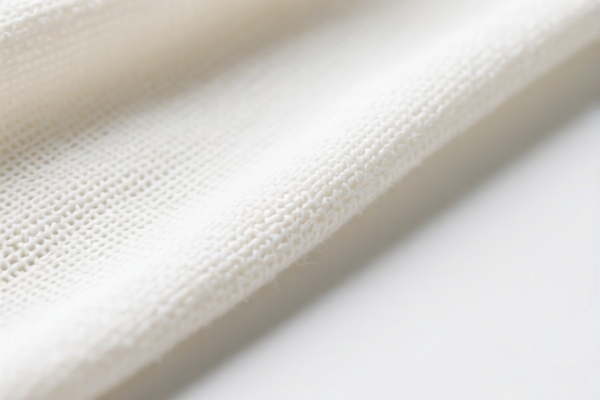
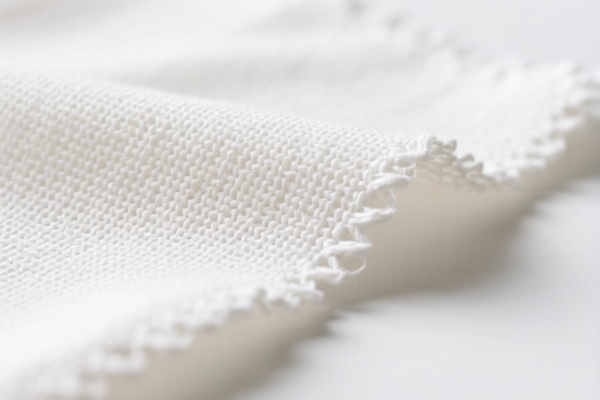
AI Analysis
🧵 Bleached Cotton Fabric (for Toys)
🌐 HS Code Reference & Customs Clearance Guide | 2026 Latest Tariff Analysis | Professional Clearance Strategy
📌 I. Product Definition & Classification: What Exactly is "Bleached Cotton Fabric"?
Bleached cotton fabric, especially when intended for toy manufacturing, is a highly sensitive commodity in international trade. It is not merely "cloth"; it is defined by its material composition (cotton content), process (bleaching), and weave structure (plain, twill, gauze, etc.).
In the Harmonized System (HS), cotton fabrics are classified primarily by: 1. Cotton Content: ≥85% vs. <85%. 2. Weave Type: Plain, Twill, Gauze (Voile), Muslin, etc. 3. Processing State: Bleached, Dyed, Printed. 4. Weight/Thickness: Heavy (e.g., Canvas) vs. Light (e.g., Voile).
⚠️ Key Distinction Point:
- If the cotton content is ≥85%, it falls under Chapter 52, Heading 5208/5209.
- If the cotton content is <85% (mixed with polyester, etc.), it falls under Chapter 52, Heading 5210.
- Toy Usage does not create a separate HS code but serves as a justification for the intended use in customs declarations, helping avoid misclassification as "other general-purpose fabrics."
📦 II. HS Code Classification Details (2026 Latest Tariff Authority Comparison)
Below are the specific HS codes from your data, mapped to their logical definitions based on cotton content and fabric structure.
| HS Code | Product Description | Key Characteristics | Cotton Content | Weave/Structure |
|---|---|---|---|---|
5209.21.00.20 |
Bleached Cotton Fabric for Toys | High-cotton plain weave, specific toy-grade application | ≥85% | Plain Weave |
5209.21.00.35 |
Bleached Cotton Fabric | Standard definition compliance | ≥85% | Plain Weave |
5208.21.20.40 |
Bleached Cotton Plain Fabric | Plain weave, compatible with toy use | ≥85% | Plain Weave |
5210.21.80.90 |
Bleached Cotton Fabric (<85% Cotton) | Thin gauze or muslin structure | <85% | Gauze/Muslin |
5210.29.80.90 |
Bleached Cotton Fabric (Misc.) | Material consistency-based classification | Variable | Other Weaves |
🔍 Critical Note:
-5208&5209are for ≥85% cotton.
-5210is for <85% cotton (blends).
- Misclassifying a blend as pure cotton can lead to severe penalties (underpayment of duties or wrong regulatory requirements).
💰 III. 2026 Latest Tariff Rate Breakdown (Including Surtaxes & Policy Surcharges)
✅ Applicable Country: United States (US)
✅ Origin: China (CN)
✅ Effective Date: Post-2025 Import Rules
All products below are subject to Section 301 Surtaxes and 122 Clauses (likely referring to specific anti-dumping or countervailing duties, or specific trade remedy codes under USITC).
🎯 1. 5209.21.00.20 – Bleached Cotton Fabric for Toys
| Item | Content |
|---|---|
| Base Tariff | 7.7% |
| Section 301 Surtax | +25.0% |
| 122 Clause Surtax | +10.0% |
| Total Tax Rate | 42.7% |
| Tax Calculation | CIF Value × 42.7% |
| De Minimis Exemption | ❌ Not Eligible (High tariff goods are excluded from $800 de minimis) |
| Legal Basis Path | USITC:5209.21.00.20 → Section 301 → 122 Clause |
📌 Explanation:
- This is a high-cotton content fabric specifically identified for toy use.
- The 42.7% rate is extremely high. Importers must verify if the "toy use" justification allows for any specific exemptions (rare for textiles).
- Warning: If the fabric is merely "for toys" but not exclusively or primarily used as such, customs may challenge the specific subheading, potentially leading to higher rates if misclassified.
🎯 2. 5209.21.00.35 – Bleached Cotton Fabric (Standard Definition)
| Item | Content |
|---|---|
| Base Tariff | 7.7% |
| Section 301 Surtax | +25.0% |
| 122 Clause Surtax | +10.0% |
| Total Tax Rate | 42.7% |
| Tax Calculation | CIF Value × 42.7% |
| De Minimis Exemption | ❌ Not Eligible |
| Legal Basis Path | USITC:5209.21.00.35 → Section 301 → 122 Clause |
📌 Note:
- Same rate as...20. This code is for bleached cotton plain weave (≥85%) where the specific "toy" label isn't the primary differentiator, but the material properties (bleach, cotton %) match.
- Compliance Tip: Ensure the certificate of origin and product description match the "bleached" and "plain weave" attributes exactly.
🎯 3. 5208.21.20.40 – Bleached Cotton Plain Fabric
| Item | Content |
|---|---|
| Base Tariff | 8.4% |
| Section 301 Surtax | +25.0% |
| 122 Clause Surtax | +10.0% |
| Total Tax Rate | 43.4% |
| Tax Calculation | CIF Value × 43.4% |
| De Minimis Exemption | ❌ Not Eligible |
| Legal Basis Path | USITC:5208.21.20.40 → Section 301 → 122 Clause |
📌 Note:
- Heading 5208 is for Plain Weave cotton fabric (≥85%).
- Heading 5209 is for Plain Weave cotton fabric (≥85%) but often differs in weight or specific finishing.
- 8.4% base is slightly higher than 7.7%, but the total burden remains similarly punitive due to surtaxes.
🎯 4. 5210.21.80.90 – Bleached Cotton Fabric (<85% Cotton, Gauze/Muslin)
| Item | Content |
|---|---|
| Base Tariff | 12.5% |
| Section 301 Surtax | +25.0% |
| 122 Clause Surtax | +10.0% |
| Total Tax Rate | 47.5% |
| Tax Calculation | CIF Value × 47.5% |
| De Minimis Exemption | ❌ Not Eligible |
| Legal Basis Path | USITC:5210.21.80.90 → Section 301 → 122 Clause |
📌 Critical Warning:
- Cotton Content <85%: This is a blend.
- Higher Base Rate: 12.5% base vs. 7.7-8.4% for pure cotton.
- Structure: "Gauze or Muslin" implies a lightweight, open weave. If the fabric is actually a dense plain weave, this classification is WRONG, leading to audits.
- Total Rate: 47.5% – This is the highest in the list. Blended fabrics often face stricter scrutiny for circumvention of quotas or anti-dumping measures.
🎯 5. 5210.29.80.90 – Bleached Cotton Fabric (Miscellaneous)
| Item | Content |
|---|---|
| Base Tariff | 14.7% |
| Section 301 Surtax | +25.0% |
| 122 Clause Surtax | +10.0% |
| Total Tax Rate | 49.7% |
| Tax Calculation | CIF Value × 49.7% |
| De Minimis Exemption | ❌ Not Eligible |
| Legal Basis Path | USITC:5210.29.80.90 → Section 301 → 122 Clause |
📌 Critical Warning:
- Highest Tariff: 49.7% is the maximum in this dataset.
- Base Rate 14.7%: Suggests a less common weave or a specific blend structure that doesn't fit standard gauze/muslin categories.
- Usage: "Based on material consistency." This is a catch-all for blends that don't fit other 5210 subheadings.
- Risk: High risk of misclassification because it is vague. Customs may reject this code if a more specific 85%+ cotton code applies.
🛠️ IV. Customs Clearance Practical Advice (Battle-Tested Pitfall Guide)
✅ 1. Required Documentation Checklist (Non-Negotiable)
| Document | Must Provide? | Explanation |
|---|---|---|
| ✅ Composition Test Report | ✔️ | Crucial. Must specify exact % of Cotton vs. Polyester/VISCOSE. Determines if you go to 5208/5209 (≥85%) or 5210 (<85%). |
| ✅ Fabric Specification Sheet | ✔️ | Includes GSM (grams per square meter), weave type (plain, twill, gauze), width, and bleaching status. |
| ✅ Product Photos | ✔️ | Clear images showing the weave structure and label. |
| ✅ Intended Use Statement | ✔️ | Explicitly state "For Toy Manufacturing" to support HS 5209.21.00.20 if applicable. |
| ✅ Commercial Invoice | ✔️ | Must match HS code description exactly. Avoid vague terms like "Cotton Cloth." Use "Bleached Cotton Plain Weave Fabric, 100% Cotton." |
| ✅ Packing List | ✔️ | Detail roll lengths and weights. |
✅ 2. Declaration Tips (Key Mantra)
🔥 "Check Cotton %, Check Weave, Declare Use, Avoid Blends!"
| Scenario | Correct Declaration | Wrong Practice |
|---|---|---|
| 100% Cotton, Plain Weave, Bleached | 5209.21.00.20 (if toy-specific) or 5208.21.20.40 |
Misclassifying as <85% blend → Higher tax |
| 50% Cotton, 50% Poly, Gauze | 5210.21.80.90 |
Claiming it's "Cotton" → Audit/Fine |
| Toy Fabric (Cotton) | Explicitly state "For Toys" on Invoice | Vague "Apparel Fabric" → May miss specific toy-related codes |
| Blended Fabric | Use 5210 series |
Trying to force into 5209 → Immediate rejection |
✅ 3. Special Cases & Handling
| Situation | Handling Advice |
|---|---|
| OEM Toy Fabric | Provide the End-User Toy Specification. If the fabric is cut/printed specifically for a toy pattern, it strengthens the case for specific subheadings. |
| Bleach Residue | Ensure the fabric passes pH tests. Acidic/Alkaline residues can trigger additional safety regulations (e.g., CPSIA in the US for toys). |
| Small Samples | Even if < $800, if classified under these high-tax codes, De Minimis may not apply if the goods are from China and subject to Section 301. Check current CBP enforcement. |
| Country of Origin | If the cotton is spun in Vietnam but woven in China, China is usually the country of origin for the fabric. Do not claim Vietnam origin to avoid taxes. |
🌍 V. Global Market Clearance Comparison (2026 Latest)
| Country/Region | Recommended HS Code | Tariff Rate (China Origin) | Certification | Notes |
|---|---|---|---|---|
| 🇺🇸 USA | 5209.21.00.20 etc. |
42.7% - 49.7% | CPSIA (if for toys) | Highest cost. Section 301 + 122 Clause. |
| 🇨🇳 China | 5208.21.20.40 |
5-10% | N/A | Low import duty for domestic use. |
| 🇪🇺 EU | 5208 / 5209 |
0-12% | REACH (Chemicals) | No Section 301 surtax. Check REACH for bleach chemicals. |
| 🇦🇺 Australia | 5208 / 5209 |
5% | N/A | Moderate duties, no surtaxes. |
| 🇯🇵 Japan | 5208 / 5209 |
0-10% | Japan Industrial Standards | Low duties, strict quality checks. |
📌 Conclusion:
- USA is the most expensive market for bleached cotton fabric due to Section 301 and 122 Clause surtaxes.
- EU and other markets are significantly cheaper, but REACH compliance is critical for bleaching agents used in the fabric.
📌 VI. Common Errors & Pitfall Guide (Lessons Learned)
❌ Error 1: Assuming "Cotton Fabric" automatically means ≥85%
👉 Consequence: Using 5209 for a blend → 49.7% tax bill + penalties.
✅ Fix: Always get a lab report for fiber composition.
❌ Error 2: Ignoring "Toy Use" Documentation
👉 Consequence: If using 5209.21.00.20 but cannot prove toy use, customs may reclassify to 5209.21.00.35 or other, causing delays.
✅ Fix: Include End-Use Declaration and Purchase Orders referencing toys.
❌ Error 3: Vague Description "Bleached Cloth"
👉 Consequence: Customs asks for clarification → Delays.
✅ Fix: Use precise terms: "Bleached Cotton Plain Weave Fabric, 100% Cotton, GSM 120, For Toy Manufacturing."
❌ Error 4: Assuming De Minimis Applies to All Small Shipments
👉 Consequence: Shipments under $800 are seized or taxed if they are subject to Section 301 (China-origin textiles).
✅ Fix: Verify De Minimis Exclusions for textile goods from China in 2026.
🎯 VII. Conclusion: Professional Declaration Saves Money!
🎯 Remember the Mantra:
🔹 "Check Cotton %, Check Weave, Declare Use, Avoid Blends!"
🔹 "HS Code Determines Tax, 42% is High, Misclassification is Pain!"
🔹 "For Toys, Prove It; For Blends, Declare It!"
📌 Pro Tip:
If your fabric is <85% cotton, consider if you can source 100% cotton alternatives to fall under 5208/5209 (lower base rate), provided the toy manufacturer accepts it. Sometimes, material change is cheaper than tariff payment.
📣 Immediate Action:
📞 Contact a licensed customs broker + Provide Fiber Content Report + Apply for Advance Ruling if unsure.
🚀 Ensure your fabric, clearly declared, clears customs smoothly, avoiding costly delays!
✨ Professional Customs Clearance Starts with Accurate Classification!
💼 Every Percent of Duty Saved is Pure Profit!
Customer Reviews
About HS Code Classification
The Harmonized System (HS) is an internationally standardized nomenclature developed by the World Customs Organization (WCO) to classify traded products. Over 200 countries use the HS system as the basis for customs tariffs, trade statistics, and import/export regulations.
Each HS code follows a hierarchical structure:
- Chapter (2 digits) — Broad category of goods (e.g., Chapter 84: Machinery and Mechanical Appliances)
- Heading (4 digits) — More specific grouping within the chapter
- Subheading (6 digits) — Internationally standardized breakdown, used by all WCO member countries
- National subdivisions (8-10 digits) — Country-specific extensions for further classification, such as US HTSUS 10-digit codes
Correct HS code classification is essential for smooth customs clearance, accurate duty payment, and compliance with trade regulations. Misclassification can lead to customs delays, overpayment of duties, or penalties.
When importing from CN to US, the applicable tariff rates may include:
- Most-Favored-Nation (MFN) rate — The standard duty rate applied to WTO members
- General rate — Applied to countries without trade agreements
- Trade remedy duties — Additional tariffs such as Section 301 (anti-dumping), Section 232 (national security), or countervailing duties
The information provided on this page is for reference purposes only. For official classification, please consult with your local customs authority or a licensed customs broker.