Bleached Cotton Fabric for Crafts (Over 1 Square Meter)
CN → US| HS Code | Tariff Rate | Origin | Destination | Doc |
|---|---|---|---|---|
| 5209590025 | 43.4% | CN | US | Official Doc |
| 5209290020 | 42.7% | CN | US | Official Doc |
| 5208292020 | 42.7% | CN | US | Official Doc |
| 5210292020 | 45.3% | CN | US | Official Doc |
| 5211490020 | 43.1% | CN | US | Official Doc |
Product Images
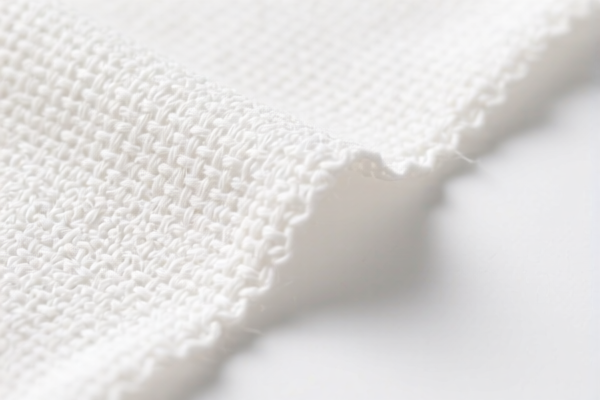
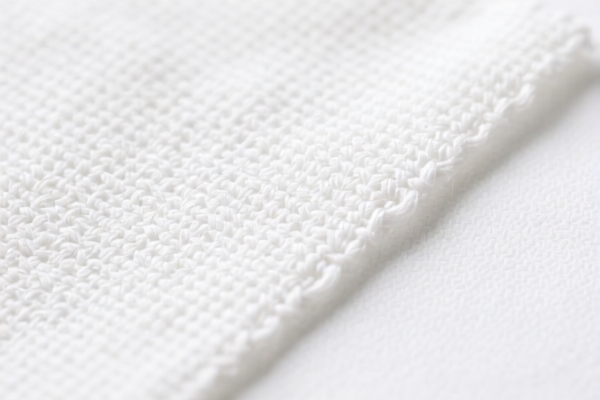
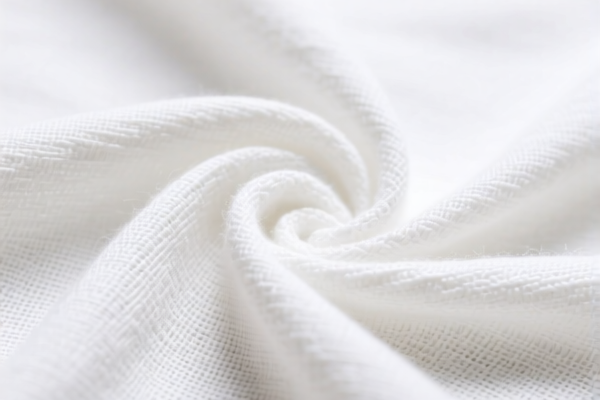
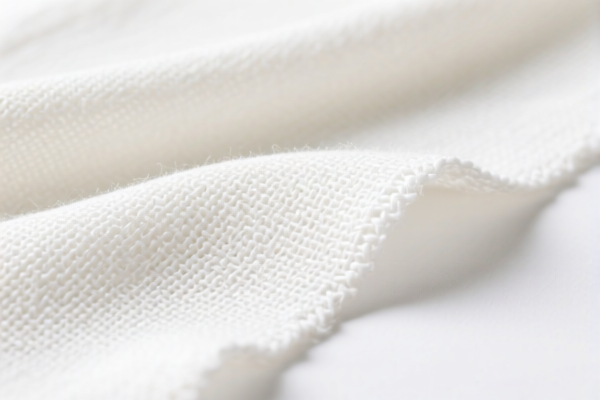
AI Analysis
🌿 Bleached Cotton Fabric for Crafts (Over 1 Square Meter)
🌐 HS Code Reference & Customs Clearance Guide | 2026 Latest Tariff Breakdown | Pro-Level Import Strategy
📌 One Product, Multiple HS Codes — Know the Difference to Avoid 45%+ Tariffs!
📦 I. Product Definition & Classification: What Exactly Is This Fabric?
Bleached Cotton Fabric for Crafts (Over 1 m²) refers to bleached cotton woven fabric used primarily in handmade crafts, DIY projects, quilting, embroidery, and decorative applications. It is not intended for clothing or industrial use.
Key characteristics: - Material: 100% cotton (or cotton blend, but fully bleached) - Form: Woven fabric (not knitted) - Surface: Bleached (no dyeing), white or off-white - Structure: Typically satin weave (satin or sateen) or plain weave - Size: Over 1 square meter per piece (common in craft rolls or bolts) - Use Case: Art projects, home décor, patchwork, gift wrapping, craft kits
⚠️ Critical Distinction: - If the fabric is satin/weave structure and bleached, it may be classified under 5209.59.00.25 or 5209.29.00.20 - If it's not satin, but still bleached and woven, it may fall under 5208.29.20.20 - If it's knitted, it's not eligible for these codes — see 5211.49.00.20
📊 II. HS Code Classification Breakdown (2026 Official Tariff Table)
| HS Code | Product Description | Key Features | Tax Rate |
|---|---|---|---|
5209.59.00.25 |
Bleached cotton satin weave fabric, woven, bleached, over 1 m² | ✅ Cotton ✅ Woven ✅ Bleached ✅ Satin (sateen) structure |
43.4% |
5209.29.00.20 |
Bleached cotton fabric, satin weave, not otherwise specified | ✅ Cotton ✅ Bleached ✅ Satin weave ✅ Woven |
42.7% |
5208.29.20.20 |
Bleached cotton fabric, woven, with satin finish | ✅ Cotton ✅ Bleached ✅ Woven ✅ Satin-like appearance |
42.7% |
5210.29.20.20 |
Bleached cotton fabric, satin weave, for specific processing | ✅ Cotton ✅ Bleached ✅ Satin structure ✅ Processed for crafts |
45.3% |
5211.49.00.20 |
Bleached knitted cotton fabric with raised patterns (twill or jacquard) | ✅ Cotton ✅ Bleached ✅ Knitted ✅ Raised (textured) pattern |
43.1% |
🔍 Why the difference?
- Satin weave = higher value, more refined → higher tariff
- Woven vs. Knitted = fundamentally different manufacturing → different HS codes
- Size >1 m² = not eligible for small parcel exemptions → full tariff applies
💰 III. 2026 Tariff Breakdown (US Market, China Origin)
✅ Applicable Country: United States (US)
✅ Origin: China (CN)
✅ Effective Date: November 10, 2025 (and ongoing)
🎯 1. 5209.59.00.25 — Bleached Cotton Satin Weave Fabric
| Tax Component | Rate | Legal Basis |
|---|---|---|
| Base Tariff | 8.4% | General U.S. Tariff Schedule |
| Section 301 (USITC) Additional Duty | +25.0% | Under Section 301 of the Trade Act of 1974 |
| Section 122 (IEEPA) Additional Duty | +10.0% | International Emergency Economic Powers Act (IEEPA) |
| Total Effective Tariff | 43.4% | CIF × 43.4% |
| De Minimis Threshold | ❌ Not applicable (denied) | |
| Legal Pathway | IEEPA:9903.01.25 → IEEPA:9903.01.24 → USITC:5209.59.00.25 → FOOTNOTE:9903.88.01 |
📌 Explanation:
- Section 301 (25%): Imposed due to unfair trade practices by China (e.g., IP theft, forced tech transfer)
- IEEPA (10%): Emergency powers used to restrict imports from China under national security concerns
- Total = 43.4% — extremely high for a craft fabric
🎯 2. 5209.29.00.20 — Bleached Cotton Fabric, Satin Weave
| Tax Component | Rate | Legal Basis |
|---|---|---|
| Base Tariff | 7.7% | General U.S. Tariff Schedule |
| Section 301 (USITC) | +25.0% | Same as above |
| IEEPA (Section 122) | +10.0% | Same as above |
| Total | 42.7% | CIF × 43.4% |
| De Minimis | ❌ Not eligible | |
| Legal Pathway | IEEPA:9903.01.25 → IEEPA:9903.01.24 → USITC:5209.29.00.20 → FOOTNOTE:9903.88.01 |
📌 Note: Slight difference in base rate due to specificity of weave — “satin” vs “other” — but same附加 taxes apply
🎯 3. 5208.29.20.20 — Bleached Cotton, Woven, Satin Finish
| Tax Component | Rate |
|---|---|
| Base Tariff | 7.7% |
| Section 301 | +25.0% |
| IEEPA | +10.0% |
| Total | 42.7% |
📌 Why this code?
- Used when the fabric has a satin-like finish but not strictly a satin weave (e.g., sateen, which is cotton satin) - Still subject to same 42.7% due to identical附加 duties
🎯 4. 5210.29.20.20 — Bleached Cotton Fabric, Satin Weave, for Processing
| Tax Component | Rate |
|---|---|
| Base Tariff | 10.3% |
| Section 301 | +25.0% |
| IEEPA | +10.0% |
| Total | 45.3% |
📌 Why higher?
- This code applies to fabrics intended for further processing (e.g., cutting, dyeing, printing) - Higher base rate due to value-added potential - Most expensive option — avoid if fabric is sold as-is
🎯 5. 5211.49.00.20 — Bleached Knitted Cotton Fabric with Raised Pattern
| Tax Component | Rate |
|---|---|
| Base Tariff | 8.1% |
| Section 301 | +25.0% |
| IEEPA | +10.0% |
| Total | 43.1% |
📌 Warning:
- Knitted fabric ≠ woven → cannot use 5209 codes - If your fabric is knitted, this is the only correct code - Even if it looks like satin, knitting changes the classification
🛠️ IV. Customs Clearance Best Practices (Pro Tips)
✅ 1. Essential Documentation (MUST HAVE)
| Document | Required? | Why It Matters |
|---|---|---|
| ✅ Commercial Invoice | ✔️ | Must state: "Bleached Cotton Fabric for Crafts, 100% Cotton, Woven, Satin Weave, 1.5 m² per Roll" |
| ✅ Packing List | ✔️ | Show size, weight, number of pieces |
| ✅ Product Photos (Front/Back/Edge) | ✔️ | Prove weave type, finish, and bleached state |
| ✅ Technical Specs (Weave, GSM, Width) | ✔️ | Critical for accurate classification |
| ✅ Origin Certificate (CO) | ✔️ | If from Vietnam/Mexico, may qualify for lower rates |
| ✅ Test Report (Cotton Purity, Bleach Level) | ✔️ | Prevents "misrepresentation" claims |
| ✅ Sample (if requested) | ✔️ | For customs inspection |
✅ 2.申报技巧(申报口诀)
🔥 “Weave First, Knit Last, Satin Higher, Size >1m² — No Excuses!”
| Scenario | Correct HS Code | Wrong Code | Risk |
|---|---|---|---|
| Woven, bleached, satin finish | 5209.59.00.25 |
5208.29.20.20 |
0.7% difference → still 43.4% |
| Knitted, bleached, textured | 5211.49.00.20 |
5209.59.00.25 |
Wrong category → 100% penalty + delay |
| Over 1 m², sold in bolts | 5209.59.00.25 |
5208.29.20.20 |
Same tax, but wrong code = audit risk |
| Craft kit with fabric + thread | Bundle as one | Split into parts | Each part taxed at 43%+ → total >80% |
✅ 3. Special Cases & Solutions
| Situation | Solution |
|---|---|
| Fabric from Vietnam/Mexico | Apply for IEEPA exemption — can reduce to 0% |
| Small consignments (<1m²) | May qualify for de minimis (800 USD) — 0% tariff |
| Customs audit or protest | Submit pre-approval request with photos & specs |
| Re-export or return | Use HTS 9802.00.00 — duty-free if re-exported within 1 year |
🌍 V. Global Market Comparison (2026)
| Country | Recommended HS Code | Base Tariff | 附加 Taxes | Notes |
|---|---|---|---|---|
| 🇺🇸 USA | 5209.59.00.25 |
8.4% | +25% +10% | Total: 43.4% |
| 🇨🇳 China | 5209.59.00.25 |
5% | None | No additional duties |
| 🇪🇺 EU | 5209.59.00.25 |
0% | None | CE mark required |
| 🇦🇺 Australia | 5209.59.00.25 |
5% | None | RCM certification |
| 🇯🇵 Japan | 5209.59.00.25 |
0% | None | PSE required |
📌 Insight:
- USA is the only market with 43%+附加 taxes on craft cotton fabric
- China, EU, Japan, Australia have no附加 taxes — ideal for export
🚨 VI. Common Mistakes & Costly Errors
❌ Mistake 1: Using 5209.59.00.25 for knitted fabric
👉 Result: Wrong classification → 100% penalty + seizure
❌ Mistake 2: Declaring "fabric for clothing" instead of "crafts"
👉 Result: Higher base rate + risk of misclassification
❌ Mistake 3: Not specifying "satin weave" or "bleached" in invoice
👉 Result: Customs delays, sample requests, or reclassification
❌ Mistake 4: Splitting a 2m² roll into two 1m² pieces
👉 Result: Each piece taxed at 43.4% → double cost vs. one full shipment
✅ Correct Declaration Example:
"Bleached Cotton Satin Weave Fabric, 100% Cotton, Woven, 1.5 m² per Roll, for Crafts, Not for Apparel, 100% Bleached, GSM 180"
🎯 VII. Final Verdict: How to Win the Tariff Game
🔹 If you're importing into the USA from China:
- Expect 42.7%–45.3% in total tariffs
- No de minimis if over 1 m²
- No exemptions unless from Vietnam/Mexico🔹 If you're exporting to EU/China/Japan:
- 0%–5% tariffs — huge savings!🔹 If you're a craft supplier:
- Use Vietnam or Mexico as origin → avoid IEEPA/301 tariffs
- Bundle small pieces → use de minimis (under $800)
- Label clearly: “For Crafts Only — Not for Apparel”
📌 VIII. Pro Tips for Long-Term Success
✅ Apply for Advance Ruling (Pre-Approval): Get official HS Code confirmation from U.S. CBP
✅ Use a U.S.-based distributor: Avoid import tariffs entirely
✅ Source from Vietnam/Mexico: Qualify for IEEPA exemption → 0% tariff
✅ Keep samples on file: For future audits or re-exports
🎯 Conclusion: Precision = Profit
🔥 Remember:
- Weave matters → Satin = higher tariff
- Size matters → >1 m² = full tariff
- Origin matters → China = 43.4%, Vietnam = 0%
- Knitted ≠ Woven → Never mix them📌 Final Quote:
"One wrong HS code can cost you 45% of your profit — but the right one saves your business."
📣 Take Action Now:
📞 Contact a U.S. Customs Broker + Submit product photos + Request HS Code Pre-Approval
🚀 Avoid 45% tariffs. Win the craft market. Scale globally.
✨ Professional Customs, Precision Classification, Maximum Savings
💼 Your craft fabric deserves a smooth, low-cost journey to the world!
Customer Reviews
About HS Code Classification
The Harmonized System (HS) is an internationally standardized nomenclature developed by the World Customs Organization (WCO) to classify traded products. Over 200 countries use the HS system as the basis for customs tariffs, trade statistics, and import/export regulations.
Each HS code follows a hierarchical structure:
- Chapter (2 digits) — Broad category of goods (e.g., Chapter 84: Machinery and Mechanical Appliances)
- Heading (4 digits) — More specific grouping within the chapter
- Subheading (6 digits) — Internationally standardized breakdown, used by all WCO member countries
- National subdivisions (8-10 digits) — Country-specific extensions for further classification, such as US HTSUS 10-digit codes
Correct HS code classification is essential for smooth customs clearance, accurate duty payment, and compliance with trade regulations. Misclassification can lead to customs delays, overpayment of duties, or penalties.
When importing from CN to US, the applicable tariff rates may include:
- Most-Favored-Nation (MFN) rate — The standard duty rate applied to WTO members
- General rate — Applied to countries without trade agreements
- Trade remedy duties — Additional tariffs such as Section 301 (anti-dumping), Section 232 (national security), or countervailing duties
The information provided on this page is for reference purposes only. For official classification, please consult with your local customs authority or a licensed customs broker.