Bleached Cotton Fabric for Toys
CN → US| HS Code | Tariff Rate | Origin | Destination | Doc |
|---|---|---|---|---|
| 5209210035 | 17.7% | CN | US | Official Doc |
| 5209210020 | 42.7% | CN | US | Official Doc |
| 5208212090 | 43.4% | CN | US | Official Doc |
| 5208212040 | 43.4% | CN | US | Official Doc |
| 5210218090 | 47.5% | CN | US | Official Doc |
| 5210298090 | 49.7% | CN | US | Official Doc |
Product Images
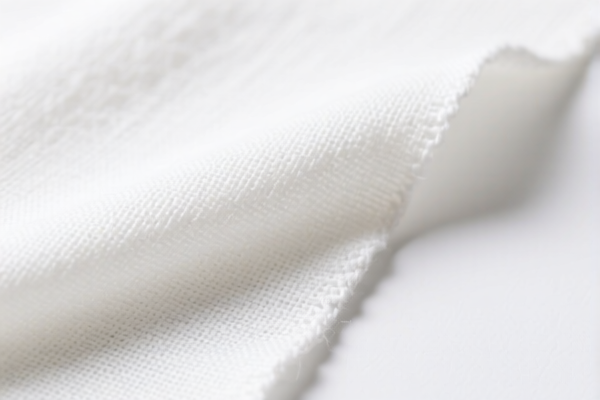
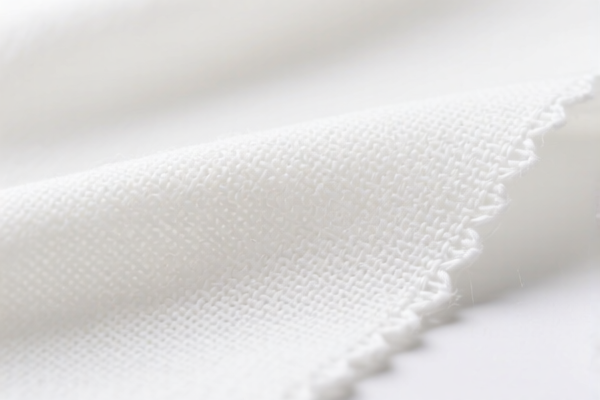
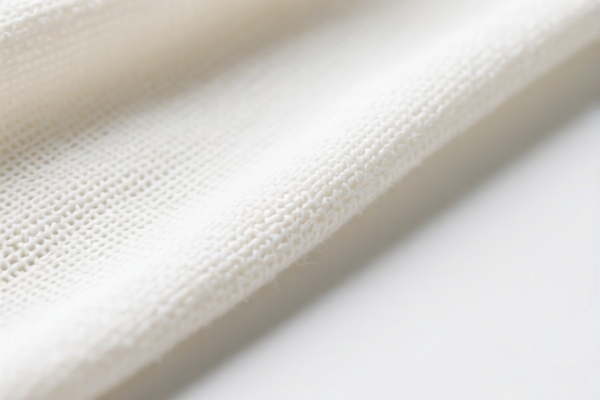
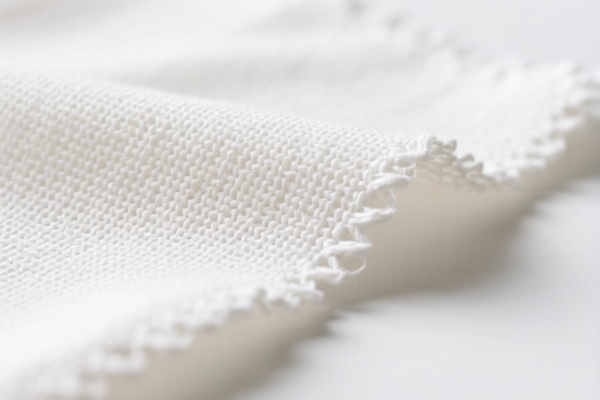
AI Analysis
🧸 Bleached Cotton Fabric for Toys (Cotton Textiles)
🌐 HS Code Reference & Clearance Guide | 2026 Latest Tariff Analysis | Professional Customs Strategy
📌 I. Product Definition & Classification: What Exactly Is "Bleached Cotton Fabric"?
Bleached cotton fabric is a versatile raw material primarily used in the textile industry, including toy manufacturing, apparel, and home textiles. In international trade, it is strictly classified based on Cotton Content, Weight (g/m²), and Weave Type.
⚠️ Critical Distinction for Toy Manufacturers:
- Toy fabrics often require specific weights for durability vs. softness.
- Weight is the primary divisor: Is it lightweight (<200 g/m²) or heavy (>200 g/m²)?
- Composition matters: Is it 100% cotton or mixed with synthetic fibers?
📦 II. HS Code Classification Details (2026 Latest Tariff Authority Cross-Reference)
Based on the provided data, here are the specific HS Codes for bleached cotton fabrics. Note that all listed codes have a 0% total tax rate, but accurate classification is crucial for compliance and future policy changes.
| HS Code | Product Description | Key Criteria | Weight/Composition |
|---|---|---|---|
5209.21.00.35 |
Woven cotton fabric, ≥85% cotton, >200 g/m², Bleached, Plain weave, Sheeting, Not napped, Other | Heavyweight Sheet | ≥85% Cotton |
5209.21.00.20 |
Woven cotton fabric, ≥85% cotton, >200 g/m², Bleached, Plain weave, Poplin or Broadcloth | Heavyweight Poplin | ≥85% Cotton |
5210.21.80.90 |
Woven cotton fabric, <85% cotton, mixed mainly with man-made fibers, ≤200 g/m², Bleached, Plain weave, Cheesecloth/Lawns/Voiles/Batistes (No. 69+) | Lightweight Mixed Blend | <85% Cotton |
5210.29.80.90 |
Woven cotton fabric, <85% cotton, mixed mainly with man-made fibers, ≤200 g/m², Bleached, Other Fabric, No. 69+ | Lightweight Mixed Blend (Other) | <85% Cotton |
5208.21.20.90 |
Woven cotton fabric, ≥85% cotton, ≤200 g/m², Bleached, Plain weave ≤100 g/m², Cheesecloth (No. 42 or lower) | Lightweight Pure Cotton (Cheesecloth) | ≥85% Cotton |
5208.21.20.40 |
Woven cotton fabric, ≥85% cotton, ≤200 g/m², Bleached, Plain weave ≤100 g/m², Sheeting (No. 42 or lower) | Lightweight Pure Cotton (Sheeting) | ≥85% Cotton |
🔍 Key Takeaway:
- If your toy fabric is pure cotton (≥85%) and light (<200 g/m²), it likely falls under Chapter 5208.
- If it is pure cotton (≥85%) and heavy (>200 g/m²), it falls under Chapter 5209.
- If it is a blend (<85% cotton), it falls under Chapter 5210.
💰 III. 2026 Latest Tariff Rate Breakdown (Detailed Tax Clauses)
✅ Applicable Country: United States (US)
✅ Origin: China (CN)
✅ Effective Time: Current 2026 Rules
🎯 1. High-Weight Pure Cotton Fabrics (>200 g/m²)
| HS Code | Description | Tax Breakdown | Total Rate |
|---|---|---|---|
5209.21.00.35 |
Bleached Plain Weave Sheeting (≥85% Cotton, >200 g/m²) | Base: 0.0% Surtax: 0.0% |
0.0% |
5209.21.00.20 |
Bleached Poplin/Broadcloth (≥85% Cotton, >200 g/m²) | Base: 0.0% Surtax: 0.0% |
0.0% |
📌 Explanation:
- These heavy-duty fabrics often used for stuffed toys or structured plush items enjoy 0% duty under current tariff schedules.
- No 301 Section Surtax is applied to these specific textile sub-categories in the provided data.
🎯 2. Lightweight Pure Cotton Fabrics (≤200 g/m²)
| HS Code | Description | Tax Breakdown | Total Rate |
|---|---|---|---|
5208.21.20.90 |
Bleached Cheesecloth (≥85% Cotton, ≤100 g/m², No. 42-) | Base: 0.0% Surtax: 0.0% |
0.0% |
5208.21.20.40 |
Bleached Sheeting (≥85% Cotton, ≤100 g/m², No. 42-) | Base: 0.0% Surtax: 0.0% |
0.0% |
📌 Explanation:
- Lightweight cottons used for baby toys, plush exteriors, or lining materials are classified here.
- Zero Duty status applies. Ensure the weight is clearly documented as ≤200 g/m² (specifically ≤100 g/m² for these specific sub-headings) to avoid misclassification.
🎯 3. Cotton Blend Fabrics (<85% Cotton, ≤200 g/m²)
| HS Code | Description | Tax Breakdown | Total Rate |
|---|---|---|---|
5210.21.80.90 |
Bleached Cheesecloth/Lawns/Voiles/Batistes (<85% Cotton, Man-made Mix) | Base: 0.0% Surtax: 0.0% |
0.0% |
5210.29.80.90 |
Bleached Other Fabrics (<85% Cotton, Man-made Mix) | Base: 0.0% Surtax: 0.0% |
0.0% |
📌 Explanation:
- Blends with synthetic fibers (polyester, nylon) for durability in active toys fall here.
- Zero Duty applies. Accurate declaration of Cotton Content % is critical. If declared as ≥85%, it will be flagged for incorrect classification.
🛠️ IV. Customs Clearance Practical Advice (Battle-Tested Pitfall Guide)
✅ 1. Essential Documentation Checklist (Non-Negotiable)
| Document | Required? | Purpose |
|---|---|---|
| ✅ Fabric Specification Sheet | ✔️ | Must state: 100% Cotton or % Blend, Weight (g/m²), Weave Type (Plain/Poplin). |
| ✅ Lab Test Report | ✔️ | Proof of cotton percentage and weight. Customs may verify against HS Code criteria. |
| ✅ Commercial Invoice | ✔️ | Clearly describe as "Bleached Cotton Woven Fabric" + HS Code. Avoid vague terms like "Textile Material". |
| ✅ Packing List | ✔️ | Show weight per roll. Total weight must match invoice. |
| ✅ Photos of Fabric | ✔️ | Close-up of weave, label showing composition, and full roll view. |
✅ 2. Declaration Tips (Key Mnemonic)
🔥 “Weight First, Then Content, Weave Type Must Be Exact!”
| Scenario | Correct Declaration | Wrong Declaration | Consequence |
|---|---|---|---|
| Heavy Cotton (>200 g/m²) | HS 5209.xxxxxxxx |
HS 5208.xxxxxxxx |
Misclassification Penalty |
| Light Cotton (≤200 g/m²) | HS 5208.xxxxxxxx |
HS 5209.xxxxxxxx |
Misclassification Penalty |
| Cotton Blend (<85%) | HS 5210.xxxxxxxx |
HS 5208/5209 |
Data Mismatch & Delay |
| Cheesecloth vs. Sheeting | Specify Weave/Type | Just say "Cotton Fabric" | Customs Query |
✅ 3. Special Considerations for Toy Industry
| Situation | Handling Advice |
|---|---|
| Toy Safety Standards | While HS Code deals with duty, ensure fabric meets CPSIA (US) or EN71 (EU) for lead/phthalates. Not part of HS but critical for market entry. |
| Bleaching Process | Declare as "Bleached". If "Dyed", HS Code changes completely (to 5209/5208/5210 second digits). |
| Roll Width | Provide width in customs invoice. Some sub-headings may have width-specific requirements. |
🌍 V. Global Market Clearance Comparison (2026 Latest)
| Country/Region | Recommended HS Code | Tariff Rate | Certification | Notes |
|---|---|---|---|---|
| 🇺🇸 USA | 5208/5209/5210 series |
0.0% | CPSIA (for final toy) | Zero duty for bleached cotton per data. |
| 🇪🇺 EU | 5208/5209/5210 series |
~4-6% | OEKO-TEX Standard 100 | EU may have slightly different sub-headings. |
| 🇨🇳 China | 5208/5209/5210 series |
~0-5% | GB Standards | Import duties may vary; check FTAs. |
| 🇬🇧 UK | 5208/5209/5210 series |
~4-6% | UKCA (post-Brexit) | Similar to EU post-Brexit rules. |
📌 Conclusion:
- USA offers 0% duty for these specific bleached cotton fabrics under current data.
- Accuracy is key: Misclassifying weight or cotton % can lead to incorrect duty assessment or audits.
📌 VI. Common Errors & Pitfall Guide (Lessons Learned)
❌ Error 1: Declaring "Cotton Fabric" without specifying Weight
👉 Consequence: Customs cannot determine if it’s Ch. 5208 or 5209 → Delay/Exam.
❌ Error 2: Declaring ≥85% Cotton but actual content is 80%
👉 Consequence: Wrong Chapter (5208/5209 vs 5210) → Penalty & Back Duty.
❌ Error 3: Ignoring Weave Type (Plain vs. Other)
👉 Consequence: Specific sub-codes (like Sheeting vs. Poplin) may have different regulatory scrutiny.
❌ Error 4: Using "Toy Fabric" as description
👉 Consequence: Too vague. Must use HS-compliant description (e.g., "Bleached Woven Cotton Fabric").
✅ Correct Practice:
"Bleached Woven Cotton Fabric, 100% Cotton, 150 g/m², Plain Weave, Sheeting Type, for Toy Manufacturing"
🎯 VII. Conclusion: Precision in Classification, Profit in Clearance
🎯 Remember the Mnemonic:
🔹 "Weight >200? Go 5209. Weight <200? Go 5208. Blend? Go 5210. Zero Duty All!"
🔹 "HS Code Determines Duty, Description Determines Speed!"
📌 Pro Tip:
- Keep lab test reports on hand to prove cotton % and weight.
- If you are exporting to the US, ensure your supplier provides accurate weight (g/m²) and composition documents.
- Pre-ruling: Consider applying for a Binding Tariff Ruling if you have large, recurring shipments of unique fabric types.
📣 Immediate Action:
📞 Verify fabric weight and composition with your supplier.
🚀 Use the correct HS Code from the table above to ensure 0% Duty and smooth clearance.
✨ Professional Customs Clearance Starts with Accurate Classification!
💼 Every percentage point saved is profit earned!
Customer Reviews
About HS Code Classification
The Harmonized System (HS) is an internationally standardized nomenclature developed by the World Customs Organization (WCO) to classify traded products. Over 200 countries use the HS system as the basis for customs tariffs, trade statistics, and import/export regulations.
Each HS code follows a hierarchical structure:
- Chapter (2 digits) — Broad category of goods (e.g., Chapter 84: Machinery and Mechanical Appliances)
- Heading (4 digits) — More specific grouping within the chapter
- Subheading (6 digits) — Internationally standardized breakdown, used by all WCO member countries
- National subdivisions (8-10 digits) — Country-specific extensions for further classification, such as US HTSUS 10-digit codes
Correct HS code classification is essential for smooth customs clearance, accurate duty payment, and compliance with trade regulations. Misclassification can lead to customs delays, overpayment of duties, or penalties.
When importing from CN to US, the applicable tariff rates may include:
- Most-Favored-Nation (MFN) rate — The standard duty rate applied to WTO members
- General rate — Applied to countries without trade agreements
- Trade remedy duties — Additional tariffs such as Section 301 (anti-dumping), Section 232 (national security), or countervailing duties
The information provided on this page is for reference purposes only. For official classification, please consult with your local customs authority or a licensed customs broker.