Bleached Cotton Knitted/Woven Fabric Rib Knit
CN → US| HS Code | Tariff Rate | Origin | Destination | Doc |
|---|---|---|---|---|
| 6006219020 | 45.0% | CN | US | Official Doc |
| 6004100085 | 47.3% | CN | US | Official Doc |
| 6006219080 | 45.0% | CN | US | Official Doc |
| 6006219020 | 45.0% | CN | US | Official Doc |
| 6004100085 | 47.3% | CN | US | Official Doc |
Product Images
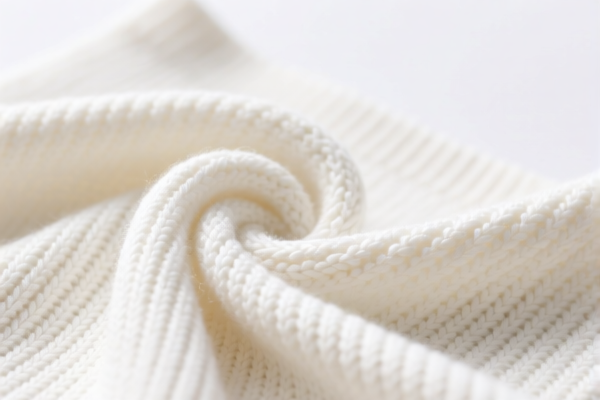
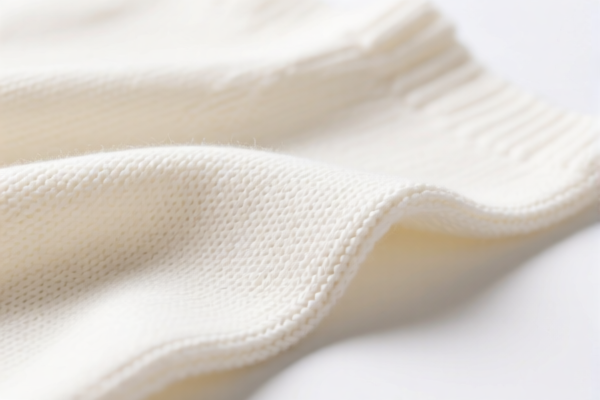
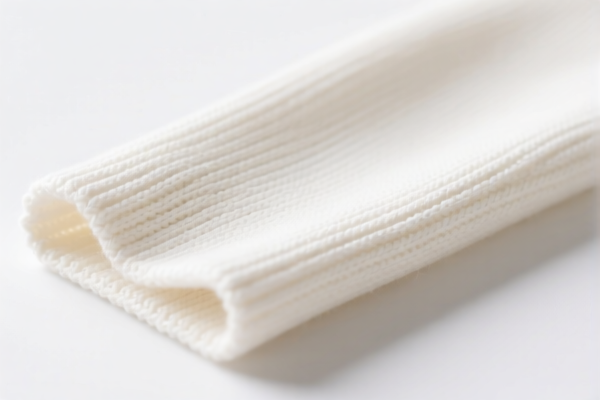
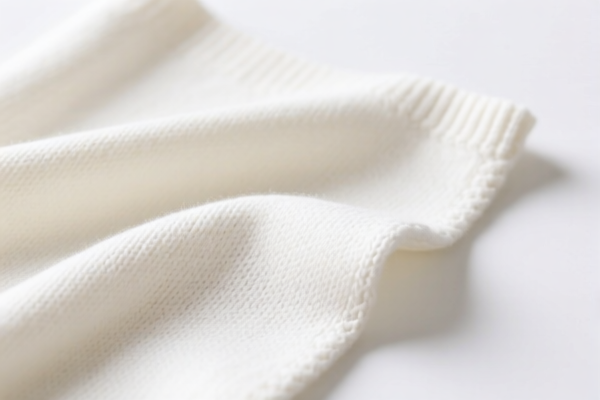
AI Analysis
🧵 Bleached Cotton Knitted/Woven Fabric – Rib Knit
🌐 HS Code Classification & Tariff Guide | 2026 Customs Compliance Deep Dive | Expert Clearing Strategy
📌 One Product, Three HS Codes – Know the Difference to Avoid 45%+ Tariffs!
📦 I. Product Definition & Classification Breakdown (Why 3 HS Codes?)
You're dealing with bleached cotton fabric — specifically rib-knit structures — used in apparel, activewear, and home textiles. But here’s the catch: not all rib-knit cotton fabrics are treated the same under U.S. customs law.
The key lies in structure, elasticity, and whether it’s double-faced or single-layer.
⚠️ Critical Distinction:
- Double-faced rib knit →6006.21.90.20or6006.21.90.80
- Single-layer, non-elastic rib knit →6004.10.00.85
- No clear elasticity or structural conflict →6004.10.00.85(but higher risk)✅ What “Rib Knit” Means:
- A knitted fabric with alternating raised and recessed ribs (e.g., 1x1, 2x2 rib).
- Often used in t-shirts, sweatshirts, leggings, and collars.
- Elasticity is a major factor in classification.
📊 II. HS Code Classification Matrix (2026 U.S. Tariff Authority)
| HS Code | Product Description | Structure Type | Elasticity? | Key Classification Factor |
|---|---|---|---|---|
6006.21.90.20 |
Bleached cotton knitted fabric, double-faced rib knit, no significant elasticity | Double-faced | ❌ No | Double-faced structure → must be declared as such |
6004.10.00.85 |
Bleached cotton knitted fabric, no significant elasticity, no structural conflict | Single-layer | ❌ No | No elasticity + no structural ambiguity |
6006.21.90.80 |
Bleached cotton knitted fabric, matches material, form, and structure description | Double-faced | ❌ No | Clear match to rib-knit, bleached cotton, double-faced |
🔍 Why Three Codes?
-6006.21.90.20and6006.21.90.80are both double-faced rib knits — but one is specifically for "other" categories, the other is for full match.
-6004.10.00.85is for non-elastic, non-structural cotton knits — only if no conflict exists.📌 Rule of Thumb:
- If it’s double-faced, use6006.21.90.20or6006.21.90.80.
- If it’s single-layer, no elasticity, use6004.10.00.85.
- If elasticity is present, it may fall under different subheadings — not covered here.
💰 III. 2026 U.S. Tariff Breakdown (With Full Legal Basis)
✅ Applicable Country: United States (US)
✅ Origin: China (CN)
✅ Effective Date: November 10, 2025 (and ongoing)
✅ Tariff Regime: Section 301 + IEEPA + Section 122
🎯 1. 6006.21.90.20 — Double-Faced Bleached Cotton Knit (No Elasticity)
| Tax Component | Rate | Legal Basis |
|---|---|---|
| Base Tariff | 10.0% | U.S. HTSUS 6006.21.90 |
| Section 301 (USITC) Add-on | +25.0% | USITC:9903.88.01 — Applies to China-origin goods under Section 301 |
| Section 122 (IEEPA) Add-on | +10.0% | IEEPA:9903.01.24 — International Emergency Economic Powers Act (China-specific) |
| Total Effective Tariff | 45.0% | CIF × 45% |
| De Minimis Threshold | ❌ Not applicable | No de minimis relief for China-origin goods under this code |
| Legal Pathway | IEEPA:9903.01.24 → USITC:9903.88.01 → HTSUS:6006.21.90.20 |
📌 Explanation:
- Despite being “no elasticity,” the double-faced structure triggers the highest tariff tier under U.S. trade law.
- No exemption — even for small shipments.
- Must be declared as double-faced — if misclassified, retroactive penalties apply.
🎯 2. 6004.10.00.85 — Bleached Cotton Knit (No Elasticity, No Conflict)
| Tax Component | Rate | Legal Basis |
|---|---|---|
| Base Tariff | 12.3% | HTSUS 6004.10.00 |
| Section 301 (USITC) Add-on | +25.0% | USITC:9903.88.01 |
| Section 122 (IEEPA) Add-on | +10.0% | IEEPA:9903.01.24 |
| Total Effective Tariff | 47.3% | CIF × 47.3% |
| De Minimis Threshold | ❌ Not applicable | No relief for China-origin goods |
| Legal Pathway | IEEPA:9903.01.24 → USITC:9903.88.01 → HTSUS:6004.10.00.85 |
📌 Why Higher Than 45%?
- Even though it’s not double-faced, the lack of structural clarity or presence of "no conflict" triggers a higher base rate (12.3% vs 10.0%).
- Same add-ons → higher total due to base rate.
- High risk of audit — if fabric is actually double-faced, this code is incorrect.
🎯 3. 6006.21.90.80 — Bleached Cotton Knit (Full Match to Description)
| Tax Component | Rate | Legal Basis |
|---|---|---|
| Base Tariff | 10.0% | HTSUS 6006.21.90 |
| Section 301 (USITC) Add-on | +25.0% | USITC:9903.88.01 |
| Section 122 (IEEPA) Add-on | +10.0% | IEEPA:9903.01.24 |
| Total Effective Tariff | 45.0% | CIF × 45% |
| De Minimis Threshold | ❌ Not applicable | No relief for China-origin goods |
| Legal Pathway | IEEPA:9903.01.24 → USITC:9903.88.01 → HTSUS:6006.21.90.80 |
📌 Why This Code?
- Best choice if your fabric exactly matches the description:
- Bleached cotton
- Knitted
- Double-faced rib knit
- No significant elasticity
- Same tariff as6006.21.90.20, but more precise — reduces audit risk.
🛠️ IV. Customs Clearance Best Practices (Real-World Tips)
✅ 1. Required Documentation (Don’t Get Held Up!)
| Document | Must Provide? | Why It Matters |
|---|---|---|
| ✅ Technical Specification Sheet | ✔️ | Must confirm double-faced structure, rib pattern, no elasticity |
| ✅ Fabric Structure Diagram | ✔️ | Prove it’s not single-layer or not elastic |
| ✅ Product Photos (with scale) | ✔️ | Show rib texture, double face, edge finish |
| ✅ Third-Party Test Report | ✔️ | Confirm bleached cotton, no chemical residues, no elasticity |
| ✅ Commercial Invoice | ✔️ | Must state: "Bleached Cotton Double-Faced Rib Knit Fabric, 100% Cotton, No Elasticity, HTS: 6006.21.90.80" |
| ✅ Certificate of Origin (CO) | ✔️ | Required for tariff claims (if not China, may qualify for lower rates) |
| ✅ Packing List | ✔️ | Show reel/roll size, weight, quantity |
✅ 2.申报技巧(Key Rules to Remember)
🔥 “Double-faced? Use 6006.21.90.80. No elasticity? 45%. Full match? 45%. No match? 47.3% — and risk!”
| Scenario | Correct HS Code | Wrong Code | Risk |
|---|---|---|---|
| Double-faced, no elasticity | 6006.21.90.80 |
6004.10.00.85 |
High — audit, penalties |
| Single-layer, no elasticity | 6004.10.00.85 |
6006.21.90.20 |
High — overpayment, refund denied |
| Double-faced, but labeled “no conflict” | 6006.21.90.80 |
6006.21.90.20 |
Low — but must justify |
| No clear structure | 6004.10.00.85 |
6006.21.90.80 |
Very High — audit risk |
✅ 3. Special Cases & How to Handle Them
| Situation | Recommended Action |
|---|---|
| Fabric has slight elasticity | Do NOT use any of these codes — consult customs for 6006.21.90.00 (elastic) |
| Fabric is from Vietnam/Mexico | Apply for IEEPA exemption → 0% tariff (if eligible) |
| You’re unsure of structure | Request a pre-ruling (Advance Ruling) from U.S. CBP |
| Multiple fabric types in one shipment | Split by HS Code — do not consolidate |
| Used in apparel manufacturing | Declare as “fabric for garments” — avoid “textile” or “material” |
🌍 V. Global Tariff Comparison (2026)
| Country | Recommended HS Code | Tariff | Certification | Notes |
|---|---|---|---|---|
| 🇺🇸 USA | 6006.21.90.80 |
45.0% | None | No de minimis for China-origin |
| 🇨🇳 China | 6006.21.90.80 |
5.0% | CCC | No extra tariffs |
| 🇪🇺 EU | 6006.21.90 |
0% | CE | No IEEPA/301 |
| 🇦🇺 Australia | 6006.21.90 |
5% | RCM | No extra tariffs |
| 🇯🇵 Japan | 6006.21.90 |
0% | PSE | No extra tariffs |
📌 Insight:
- Only the U.S. imposes 45%+ tariffs on Chinese-origin bleached cotton knits.
- Vietnam/Mexico-origin goods may qualify for 0% under IEEPA exemptions.
📌 VI. Common Mistakes & How to Avoid Them (Real Cases)
❌ Mistake 1: Declaring double-faced fabric as 6004.10.00.85
👉 Result: 47.3% tariff, audit, penalties, refund denied.
❌ Mistake 2: Using 6006.21.90.20 for a fabric that doesn’t match “other” category
👉 Result: Incorrect classification, retroactive duties, delayed release.
❌ Mistake 3: Not providing structure diagram or photos
👉 Result: CBP delays, request for clarification, increased risk of seizure.
✅ Best Practice:
Use precise language in invoice:
"Bleached Cotton Double-Faced Rib Knit Fabric, 100% Cotton, 2x2 Rib, No Elasticity, HTS: 6006.21.90.80"
🎯 VII. Final Verdict: How to Win the Tariff Game
🔹 Double-faced? → Use
6006.21.90.80→ 45.0%
🔹 Single-layer, no elasticity? → Use6004.10.00.85→ 47.3%
🔹 No structure? → Avoid6004.10.00.85— risk too high**📌 Golden Rule:
“If it’s double-faced, don’t call it ‘no conflict’ — declare it correctly.”
📣 Act Now: Protect Your Profit Margin!
📞 Contact a U.S. Customs Broker + Submit product photos + structure diagram
🚀 Request an Advance Ruling (Pre-Approval) — avoid 45% surprise
💼 Switch origin to Vietnam/Mexico? → Apply for IEEPA exemption → 0% tariff
✨ Professional Tariff Strategy Starts Here
💼 Your fabric’s HS Code isn’t just a number — it’s your bottom line.
✅ Get it right. Pay less. Ship faster.
Customer Reviews
About HS Code Classification
The Harmonized System (HS) is an internationally standardized nomenclature developed by the World Customs Organization (WCO) to classify traded products. Over 200 countries use the HS system as the basis for customs tariffs, trade statistics, and import/export regulations.
Each HS code follows a hierarchical structure:
- Chapter (2 digits) — Broad category of goods (e.g., Chapter 84: Machinery and Mechanical Appliances)
- Heading (4 digits) — More specific grouping within the chapter
- Subheading (6 digits) — Internationally standardized breakdown, used by all WCO member countries
- National subdivisions (8-10 digits) — Country-specific extensions for further classification, such as US HTSUS 10-digit codes
Correct HS code classification is essential for smooth customs clearance, accurate duty payment, and compliance with trade regulations. Misclassification can lead to customs delays, overpayment of duties, or penalties.
When importing from CN to US, the applicable tariff rates may include:
- Most-Favored-Nation (MFN) rate — The standard duty rate applied to WTO members
- General rate — Applied to countries without trade agreements
- Trade remedy duties — Additional tariffs such as Section 301 (anti-dumping), Section 232 (national security), or countervailing duties
The information provided on this page is for reference purposes only. For official classification, please consult with your local customs authority or a licensed customs broker.